

 プリントを購入
 シェアする
シェアする シェアする
シェアする
 詳細を見る
詳細を見る

 ダウンロード
 似ている作品
 スライドショー
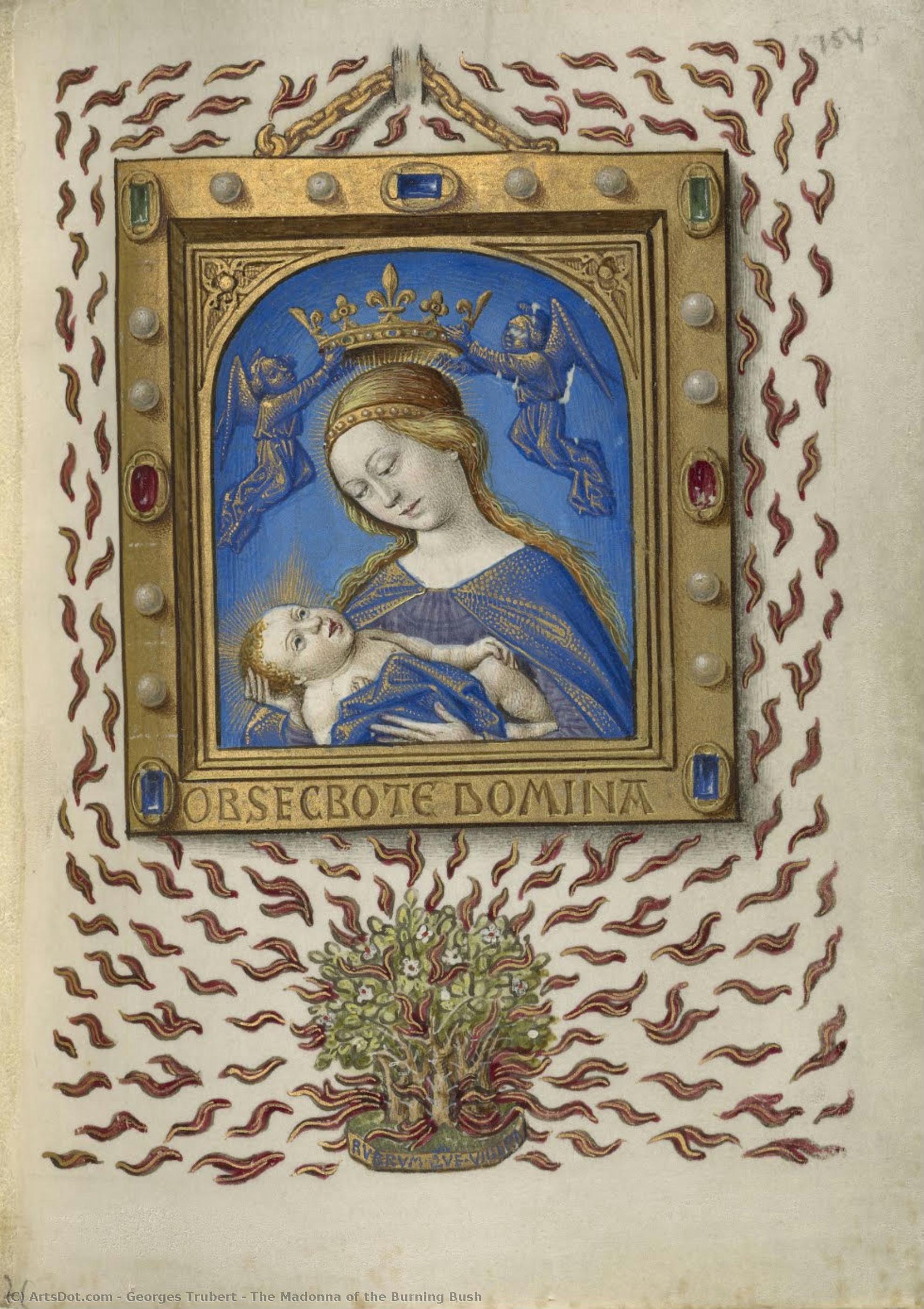
The Madonna of the Burning Bush
 Enamel
- Decor
- Renaissance Elegance
 1490
1490- Renaissance
 11.0 x 8.0 cm
 J・ポール・ゲティ美術館
 詳細を見る
詳細を見る
オンラインプレビューをはるかに凌ぐ、高解像度で鮮明なデジタル画像をご購入いただけます。
各ファイルは、社内の専門家が高度なツールと熟練した手作業によるレタッチを用いて、細心の注意を払って準備されています。すべての画像において、卓越した鮮明度、正確な色彩再現性、そして繊細なディテールを保証いたします。
最終ファイルは、プロフェッショナルな編集・印刷環境ですぐにご利用いただけるよう最適化された状態で、72時間以内にメールにてお届けいたします。これは、一流のデザインスタジオ、出版社、ギャラリーから信頼されているものと同等の品質です。
デジタル画像のご注文に付随する特典
高品質なデジタル画像配信を、確かな品質で。
ArtsDot.com を選ぶことは、単に画像を手に入れることではありません。それは、プロの手によって精密に仕上げられ、満足保証が付いた高品質なデジタルアートワークを受け取ることを意味します。ご注文いただいた際に自動的に付随する内容は、以下の通りです:

メールですぐにお届け
ご注文から72時間以内に、高解像度のデジタル画像ファイルがメールでお手元に届きます。すぐにそのままご利用いただけます。

AI技術で最適化されたデジタルファイル
お客様の作品は、高度なAIツールと専門家による手作業の編集を組み合わせてプロフェッショナルに最適化されており、細部のディテール、鮮明さ、そして正確な色再現性を最大限に引き出しています。

一生涯無料の再送サービス
ファイルを誤って削除したり、紛失してしまったりしましたか?ご安心ください。いつでも無料で再送いたします。

輸入手数料は一切かかりません
関税や手数料、配送料を気にすることなく、お気に入りのアートワークをすぐにお楽しみいただけます。デジタルダウンロードは常に免税です。

色彩再現の保証
プロ仕様のツールとカラーマネジメント技術を用いることで、デジタル画像が元の色を最大限に忠実に再現することを保証いたします。

60日間満足保証
ご購入いただいたデジタル画像にご満足いただけない場合は、60日以内であれば、修正または100%の返金(理由を問う必要はありません)をさせていただきます。

100% 返金保証
ご満足いただけない場合は、デジタルファイルを受け取ってから60日以内であれば、理由を問わず全額返金いたします。

まとめ買い割引
3枚購入で10%OFF - 5枚購入で15%OFF - 10枚以上購入で20%OFF。クリエイティブなプロジェクト、ギャラリー、エージェンシーに最適です。
Georges Trubert: A Pioneer of Limoges Enamel and Renaissance Elegance
Georges Trubert (1460 – 1538) stands as a pivotal figure in the history of French art, particularly renowned for his exceptional skill in Limoges enamelwork—a technique that elevated decorative arts to unparalleled heights during the fifteenth century. Born in Paris, Trubert’s artistic journey began amidst the burgeoning humanist spirit of the Renaissance, shaping him into one of its earliest champions on Gallic soil. His legacy resides not merely in the sheer beauty of his creations but also in his pioneering adoption of innovative stylistic approaches that would reverberate throughout European art circles. He wasn't just crafting beautiful objects; he was redefining artistic expression itself.The Madonna of the Burning Bush: A Symbol of Divine Protection
The artwork under discussion, “The Madonna of the Burning Bush,” exemplifies Trubert’s masterful command of Limoges enamel—a technique characterized by its meticulous layering of vitreous enamel onto metal substrates, resulting in shimmering surfaces adorned with intricate designs. This particular depiction within a Book of Hours speaks to a profound theological concern prevalent during the Renaissance: the safeguarding of Mary and Jesus from harm. The image itself portrays the Virgin Mary holding her child, bathed in a radiant gold leaf background—a deliberate choice reflecting the biblical narrative of Moses receiving divine illumination on Mount Sinai. The golden hue symbolizes holiness and grace, highlighting the Madonna’s role as intermediary between God and humanity.Technique and Craftsmanship: Mastering the Art of Champlevé Enamel
Trubert's technique involved champlevé enamel—a process where shallow recesses are carved into metal plates before being filled with enamel paste and fired repeatedly to achieve durable, luminous colors. This painstaking method demanded considerable precision and patience, showcasing Trubert’s dedication to artistic excellence. The resulting surface is remarkably smooth and reflective, capturing the subtle nuances of color and texture. Furthermore, the incorporation of silver paint adds depth and luminosity to the composition, enhancing the visual impact of the artwork. Careful attention to detail—evident in the delicate rendering of drapery folds and facial expressions—underscores Trubert’s commitment to realism within a stylized framework.Historical Context: Renaissance Spirituality and Artistic Innovation
“The Madonna of the Burning Bush” emerged during a period marked by significant intellectual and artistic transformations—the High Renaissance—where humanist ideals clashed with religious dogma. Artists like Trubert sought to express spiritual truths through visual language, drawing inspiration from classical art while simultaneously embracing new stylistic conventions. The Book of Hours itself served as a vehicle for disseminating Christian piety among the elite, reflecting the importance of devotional imagery in shaping cultural values during this era. Trubert’s work stands as a testament to the enduring power of artistic innovation to communicate profound beliefs and inspire contemplation.A Legacy Enduring Through Reproduction: Bringing Renaissance Beauty Home
Today, reproductions of “The Madonna of the Burning Bush” continue to captivate audiences worldwide—a testament to Trubert's enduring influence on European art history. ArtsDot.com offers high-quality giclee prints that faithfully capture the artwork’s original splendor, allowing collectors and interior designers alike to experience the beauty and symbolism of this iconic masterpiece in their own homes. Explore our curated collection and discover how you can bring a piece of Renaissance elegance into your space.関連作品

作家の略歴
The Emergence of a Renaissance Visionary
In the heart of Paris, amidst the burgeoning humanist spirit of the late fifteenth century, the artistic journey of Georges Trubert began. A figure poised at the threshold of the Renaissance, Trubert’s early years were shaped by an era of profound intellectual and aesthetic transformation. While much of his formative training remains shrouded in the mIsts of time, it is understood that he honed his craft within the prestigious atelier of the sculptor Jean Goujon. This connection proved vital, as Goujon’s mastery over stone, gilded bronze, and enamel provided the foundational vocabulary for Trubert's later triumphs. Through this lineage, Trubert did not merely learn a trade; he inherited a vision of how metal and pigment could be transmuted into objects of divine beauty.A Life Within the Royal Courts
Trubert’s career was a nomadic tapestry woven through the most influential courts of France. His presence was felt deeply in Provence, Anjou, and Lorraine, where his talent captured the attention of powerful patrons. Around 1467, he found himself at the court of Duke René I of Anjou, a sovereign whose historical accounts frequently celebrate Trubert’s contributions. The artist even earned the prestigious title of Valet de Chambre, a testament to his proximity to power and his esteemed status within the royal household. His travels were not limited to French soil; the pursuit of excellence led him to Rome, allowing him to absorb the classical grandeur that would later infuse his decorative works with a renewed sense of elegance. Following the passing of René I, Trubert continued his ascent, eventually serving René II, the Duke of Lorraine, ensuring that his artistic influence spanned generations and territories.The Alchemy of Champlevé Enamel
At the core of Trubert’s enduring legacy lies his unparalleled mastery of the champlevé technique. This was no mere decoration, but a painstaking process of alchemical precision. Trubert would meticulously carve shallow recesses into precious metal plates—typically silver or gold—creating a landscape of valleys within the metal. These hollows were then filled with molten glass pigments, which, when fired in the kiln, fused into vibrant, permanent hues. Unlike simpler vitreous enamels applied over smooth surfaces, this method allowed for:- Intricate Textural Depth: The ability to create complex patterns and imagery that seemed to pulse with life.
- Luminous Color Palettes: A spectrum of brilliant blues, deep reds, and radiant golds that captured the light in extraordinary ways.
- Narrative Complexity: The capacity to render detailed religious scenes with a clarity and nuance that rivaled the finest manuscript illuminations.
Sacred Symbolism and Eternal Grace
Trubert’s work often served as a bridge between the earthly and the divine. In masterpieces such as The Madonna of the Burning Bush, he utilized the brilliance of gold leaf to evoke the presence of God. The use of radiant backgrounds was not merely an aesthetic choice; it was a theological statement, symbolizing the divine illumination experienced by biblical figures. Through his delicate handling of enamel and precious metals, Trubert transformed liturgical objects into windows of spiritual contemplation. His ability to blend the decorative splendor of the Middle Ages with the emerging elegance of the Renaissance ensures that his name remains etched in the annals of art history—not just as a craftsman, but as a pioneer who redefined the boundaries of the decorative arts.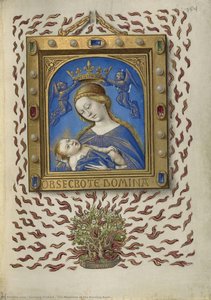
Georges Trubert
1460 - 1538 , France
プロフィール概要
- Artistic Movement Or Style: Renaissance
- Artists Or Movements Influenced By This Artist: ['Limoges Enamel']
- Artists Who Influenced This Artist:
- Italian Renaissance artists
- Flemish School
- Date Of Birth: Paris, France (1460)
- Date Of Death: 1538
- Full Name: Georges Trubert
- Nationality: French
- Notable Artworks: ['The Madonna of the Burning Bush']
- Place Of Birth: Paris

