

 プレビュー
プレビュー
 プリントを購入
 シェアする
シェアする シェアする
シェアする
 詳細を見る
詳細を見る

 ダウンロード
 似ている作品
 X線調査
X線調査 スライドショー
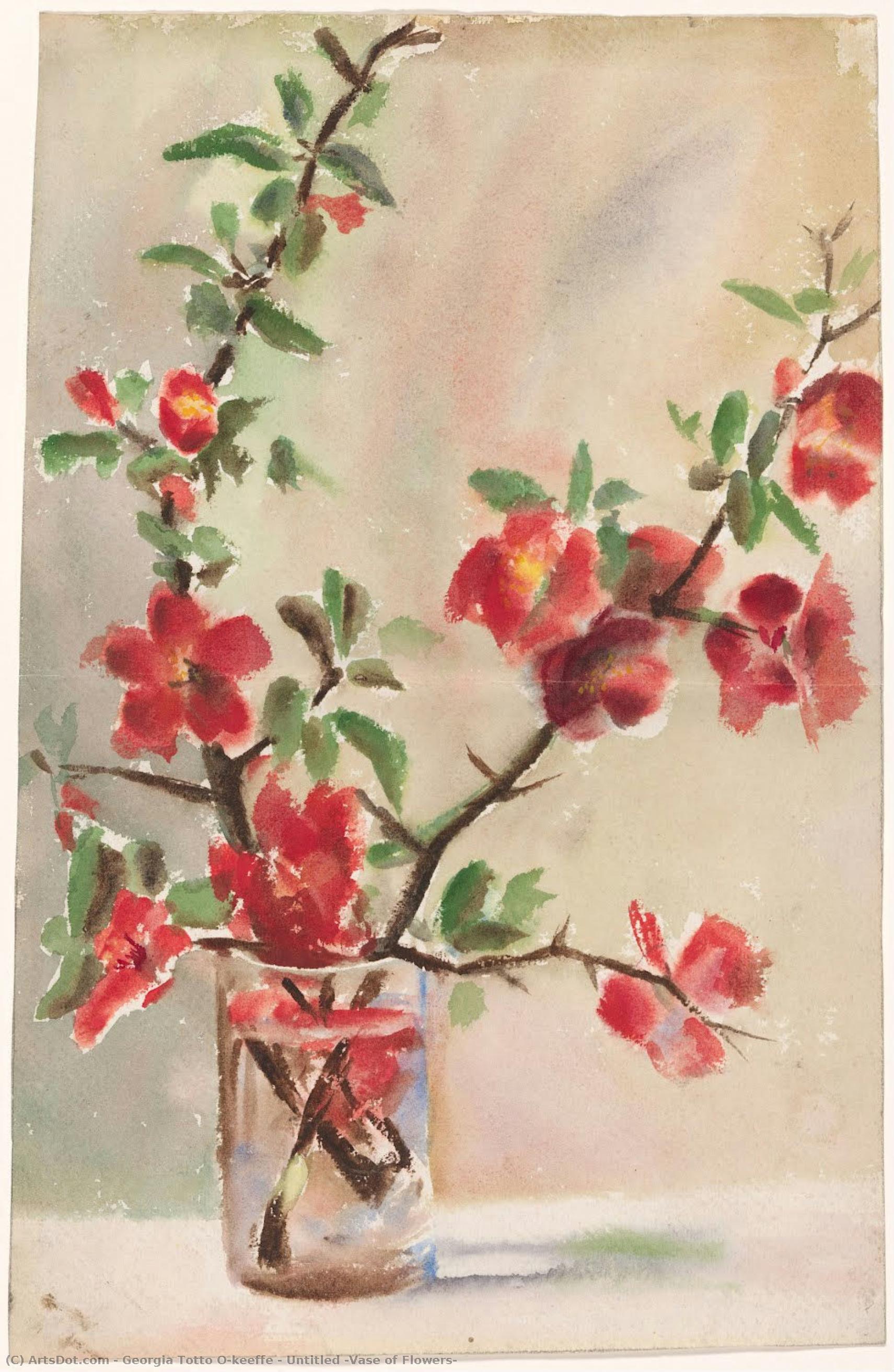
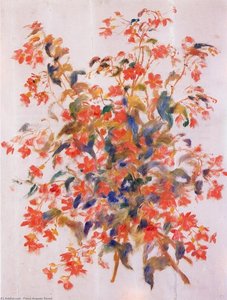
Untitled (Vase of Flowers)


 詳細を見る
詳細を見る
オンラインプレビューをはるかに凌ぐ、高解像度で鮮明なデジタル画像をご購入いただけます。
各ファイルは、社内の専門家が高度なツールと熟練した手作業によるレタッチを用いて、細心の注意を払って準備されています。すべての画像において、卓越した鮮明度、正確な色彩再現性、そして繊細なディテールを保証いたします。
最終ファイルは、プロフェッショナルな編集・印刷環境ですぐにご利用いただけるよう最適化された状態で、72時間以内にメールにてお届けいたします。これは、一流のデザインスタジオ、出版社、ギャラリーから信頼されているものと同等の品質です。
デジタル画像のご注文に付随する特典
高品質なデジタル画像配信を、確かな品質で。
ArtsDot.com を選ぶことは、単に画像を手に入れることではありません。それは、プロの手によって精密に仕上げられ、満足保証が付いた高品質なデジタルアートワークを受け取ることを意味します。ご注文いただいた際に自動的に付随する内容は、以下の通りです:

メールですぐにお届け
ご注文から72時間以内に、高解像度のデジタル画像ファイルがメールでお手元に届きます。すぐにそのままご利用いただけます。

AI技術で最適化されたデジタルファイル
お客様の作品は、高度なAIツールと専門家による手作業の編集を組み合わせてプロフェッショナルに最適化されており、細部のディテール、鮮明さ、そして正確な色再現性を最大限に引き出しています。

一生涯無料の再送サービス
ファイルを誤って削除したり、紛失してしまったりしましたか?ご安心ください。いつでも無料で再送いたします。

輸入手数料は一切かかりません
関税や手数料、配送料を気にすることなく、お気に入りのアートワークをすぐにお楽しみいただけます。デジタルダウンロードは常に免税です。

色彩再現の保証
プロ仕様のツールとカラーマネジメント技術を用いることで、デジタル画像が元の色を最大限に忠実に再現することを保証いたします。

60日間満足保証
ご購入いただいたデジタル画像にご満足いただけない場合は、60日以内であれば、修正または100%の返金(理由を問う必要はありません)をさせていただきます。

100% 返金保証
ご満足いただけない場合は、デジタルファイルを受け取ってから60日以内であれば、理由を問わず全額返金いたします。

まとめ買い割引
3枚購入で10%OFF - 5枚購入で15%OFF - 10枚以上購入で20%OFF。クリエイティブなプロジェクト、ギャラリー、エージェンシーに最適です。
作品の詳細
Georgia O’Keeffe: A Vision of Desert Blooms
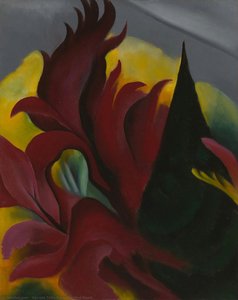
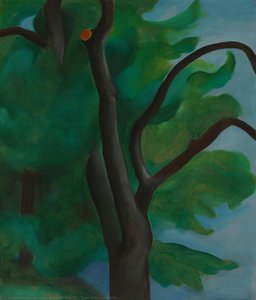
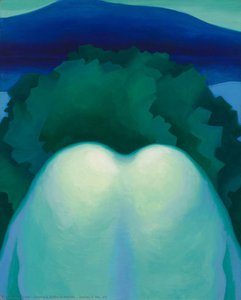
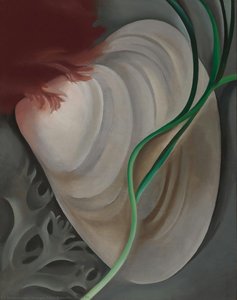
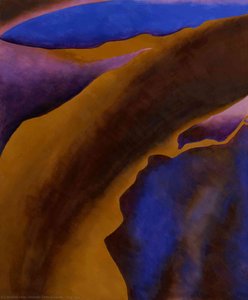
Georgia O’Keeffe's paintings of desert blooms stand as iconic representations of American modernism, capturing not merely visual beauty but also profound emotional resonance and symbolic depth. Born in Wisconsin in 1887, O’Keeffe embarked on a lifelong artistic journey fueled by an unwavering dedication to observation and experimentation—a path decisively shaped by the teachings of Arthur Wesley Dow and Alfred Stieglitz. Her early explorations into watercolor and charcoal established foundational principles that would inform her distinctive style: prioritizing personal expression over strict realism and embracing harmonious balance between color and line. This approach culminated in her groundbreaking series of flower paintings, executed primarily during the 1920s and 30s, which cemented her reputation as “the Mother of American modernism.”- Subject Matter: O’Keeffe's fascination with desert landscapes—particularly those found in New Mexico—became central to her artistic vision. She meticulously documented cacti, yucca plants, and wildflowers, transforming them into monumental canvases that defied conventional perspectives. These images weren’t simply depictions of flora; they were meditations on form, color, and texture, reflecting O'Keeffe's deep connection to the natural world.
- Style: Her style is characterized by bold abstraction—a deliberate departure from representational art—where forms are simplified and stylized to convey essential qualities rather than precise details. This stylistic choice aligns perfectly with Dow’s emphasis on intuitive creativity, allowing O’Keeffe to communicate emotion directly through visual elements.
- Technique: Primarily employing watercolor and oil paints, O’Keeffe utilized layering techniques—often applying thin washes of color over thicker impasto—to achieve remarkable textural depth and luminosity. Her meticulous attention to detail—captured in close-up studies of blossoms—revealed an astonishing range of hues and shades, demonstrating her mastery of pigment manipulation.
Historical Context: Stieglitz’s Influence and the Dawn of Modernism
O’Keeffe's artistic development was inextricably linked to Alfred Stieglitz’s unwavering belief in her talent and his pioneering role as a champion of avant-garde photography. Stieglitz recognized O’Keeffe’s potential for transformative art—particularly her ability to distill complex natural forms into evocative images—and actively encouraged her experimentation with abstraction. Their collaborative partnership fostered an environment conducive to artistic innovation, propelling O’Keeffe toward groundbreaking achievements that challenged prevailing aesthetic conventions and established her as a pivotal figure in the burgeoning modernist movement. Stieglitz's insistence on cropping and close-up photography served as inspiration for O’Keeffe’s own approach to painting—a technique that prioritized capturing essence over literal representation.- The Stieglitz Connection: Stieglitz recognized O’Keeffe’s talent for distilling complex natural forms into evocative images, and actively encouraged her experimentation with abstraction.
- Modernist Movement: Her work challenged prevailing aesthetic conventions and established her as a pivotal figure in the modernist movement—a reaction against academic art traditions.
Symbolism and Emotional Resonance
Beyond their formal qualities, O’Keeffe's flower paintings resonate with profound symbolic meaning—reflecting themes of femininity, resilience, and spiritual contemplation. The monumental scale of her canvases—often dwarfing the blossoms themselves—creates a sense of awe and invites viewers to contemplate the immensity of nature alongside its delicate beauty. Recurring motifs—such as cacti spines and yucca stems—represent strength and endurance—symbolizing O’Keeffe's unwavering commitment to artistic integrity and her profound appreciation for the transformative power of observation. Furthermore, interpretations surrounding the depiction of female genitalia have fueled ongoing debate—underscoring O’Keeffe’s willingness to confront challenging questions about identity and representation. Ultimately, her paintings transcend mere visual pleasure—offering viewers a glimpse into the artist's inner world and prompting reflection on universal themes of beauty, vulnerability, and transcendence.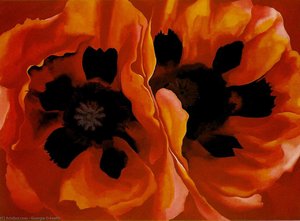
作家の略歴
Early Life and Artistic Foundations
Georgia Totto O’Keeffe, a name synonymous with American modernism, emerged from the unassuming landscape of Sun Prairie, Wisconsin, in 1887. Born into a family of Irish and Hungarian descent engaged in dairy farming, young Georgia displayed an artistic inclination early on, deciding by age ten that she would dedicate her life to art. This determination was nurtured through lessons with local watercolorist Sara Mann, followed by formal studies at the School of the Art Institute of Chicago from 1905 to 1906 and later at the University of Virginia. However, it was her encounter with Arthur Wesley Dow’s principles – emphasizing personal expression and a harmonious balance of color and line – that truly ignited her artistic path. Dow's teachings steered O’Keeffe away from strict realism toward a more subjective and emotionally resonant approach to art, an approach that would define her career. These formative years weren’t without their challenges; periods of illness and dissatisfaction led her to temporarily abandon painting, but the creative impulse always drew her back, evolving with each new experience and influence.New York and the Stieglitz Circle
A pivotal moment arrived in 1916 when O’Keeffe’s abstract charcoal drawings were discovered by Alfred Stieglitz, a renowned photographer and art dealer. He exhibited her work without her prior knowledge, sparking a dialogue that would profoundly shape both their lives and the course of American art. Stieglitz recognized an exceptional talent in O’Keeffe, one that resonated with his own modernist sensibilities. He invited her to New York City in 1918, providing not only professional support but also fostering a deep personal connection. Their relationship blossomed into marriage in 1924, creating a dynamic artistic partnership and intellectual exchange. Stieglitz championed O’Keeffe’s work, showcasing it at his gallery “291” and promoting her as a leading figure in the American avant-garde. During this period, she began to develop her signature style – bold, simplified forms and intensely saturated colors – initially expressed through depictions of New York skyscrapers and, most famously, magnified flower paintings. These floral works, often interpreted (though consistently denied by O’Keeffe herself) as veiled representations of female anatomy, challenged conventional notions of beauty and sexuality in art.The Allure of the Southwest
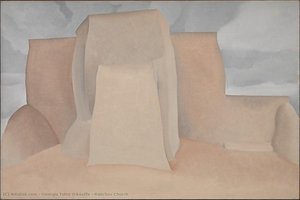
While New York provided a crucial platform for her early success, it was the landscapes of the American Southwest that truly captivated O’Keeffe’s imagination and profoundly influenced her artistic vision. Her first visit to New Mexico in 1929 marked the beginning of a lifelong love affair with the region’s stark beauty, vibrant colors, and unique cultural heritage. The vastness of the desert, the dramatic rock formations, and the ancient Pueblo architecture resonated deeply within her, inspiring a new series of paintings that reflected the spirit of the land. Works like *Cow’s Skull: Red, White, and Blue* (1931) and *Summer Days* (1936) are powerful testaments to this influence, transforming seemingly mundane objects into iconic symbols of the American West. She eventually settled permanently in New Mexico in 1949 following Stieglitz’s death, establishing a home and studio in Abiquiu that became integral to her artistic process and identity.Legacy and Enduring Influence
Georgia O'Keeffe continued to paint prolifically throughout her life, experimenting with new subjects and pushing the boundaries of abstraction. Her later works included aerial views of clouds and skies, reflecting a fascination with the vastness and ethereal quality of the natural world. She remained fiercely independent and uncompromising in her artistic vision, refusing to be categorized or defined by prevailing art movements. O’Keeffe’s impact on American art is immeasurable. She paved the way for future generations of female artists, challenging societal norms and asserting her own unique voice in a male-dominated field. Her paintings continue to captivate audiences with their bold simplicity, emotional depth, and evocative power. The establishment of the Georgia O'Keeffe Museum in Santa Fe in 1997 further solidified her legacy, preserving her art and providing a space for ongoing scholarship and appreciation. In 2014, *Jimson Weed/White Flower No. 1* sold for $44.4 million, setting a record price for a work by a female artist – a testament to the enduring value and significance of her artistic contribution. O’Keeffe's influence extends beyond painting; she became an icon of American individualism and self-reliance, inspiring countless artists and admirers with her unwavering commitment to her craft and her unique perspective on the world. Her work remains a powerful reminder of the transformative power of art and the enduring beauty of the natural world.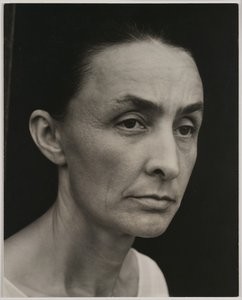
ジョージア・オキーフ
1887 - 1986 , アメリカ合衆国
プロフィール概要
- Artistic Movement Or Style: モダンアート
- Artists Who Influenced This Artist: ['アルフレッド・ステイグリッツ']
- Date Of Birth: November 15, 1887
- Date Of Death: March 6, 1986
- Full Name: Georgia Totto O'Keeffe
- Nationality: アメリカン
- Notable Artworks:
- レッド・カンナ
- コウズスキュル:レッド、ホワイト、ブルー
- Place Of Birth: Sun Prairie, USA

