

 プレビュー
プレビュー
 シェアする
シェアする シェアする
シェアする
 詳細を見る
詳細を見る

 ダウンロード
 似ている作品
 X線調査
X線調査 スライドショー
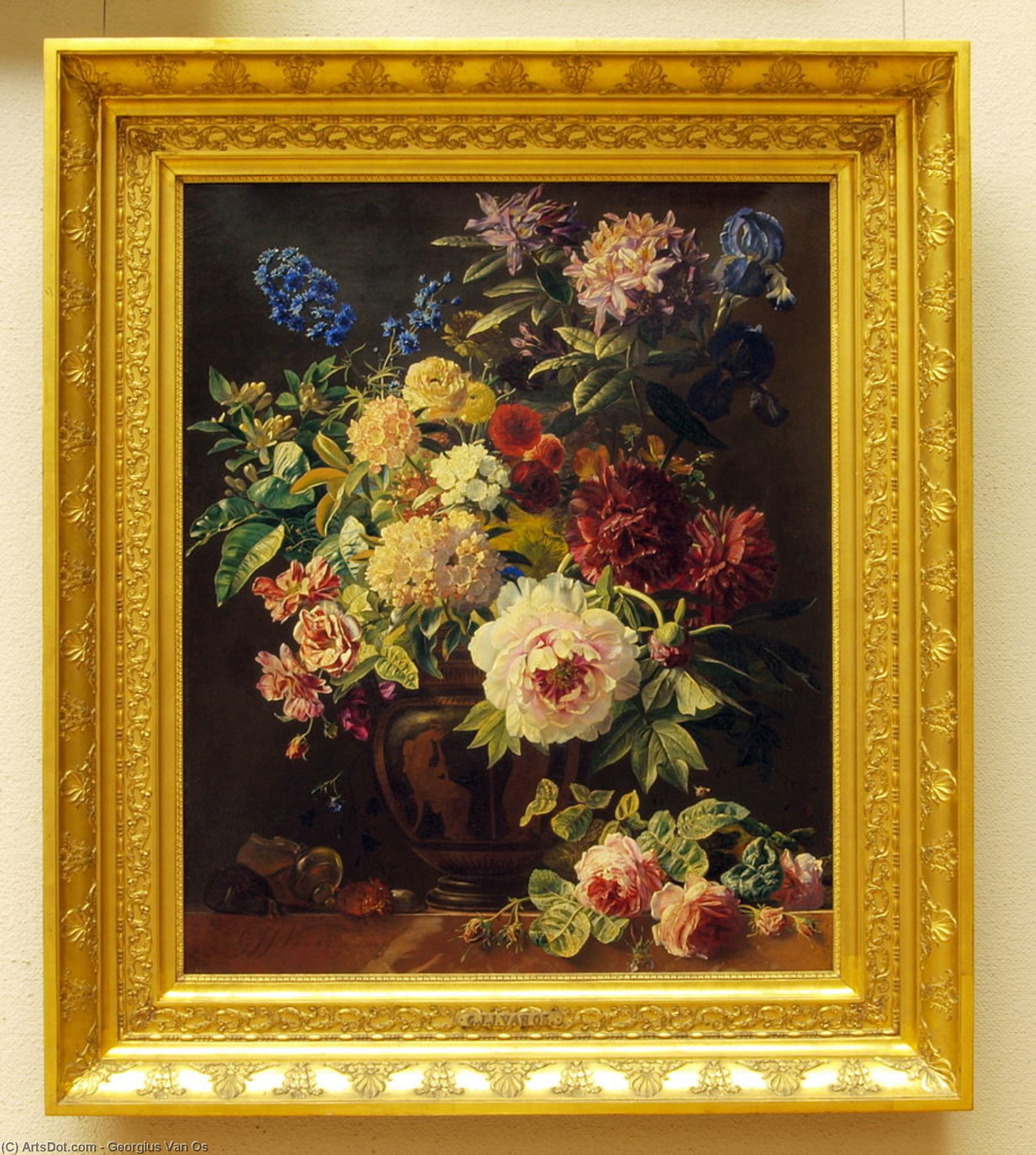
Bloemstilleven In Een Griekse Vaas
 詳細を見る
詳細を見る
ジークレー/アートプリント
迅速な制作と多彩な仕上げオプションを備えた、ミュージアムクオリティのジークレーまたはキャンバスプリント。 ( 手描きの絵画を購入 画像を購入)




































作品のオリジナル比率に合わせた、当店の規定サイズからお選びください。

特定のフレームやスペースに合わせて、ご自身でサイズを指定することも可能です。選択されたサイズが元の画像の比率と一致しない場合、作品をトリミングするか、鏡面反射または単色での塗りつぶしによって画像を拡張いたします。制作を開始する前に、ご確認用のデジタルモックアップをお送りいたします。
画面上のプレビューには、実際のトリミングや拡張は反映されませんのでご注意ください。最終的な構図を正確に確認できるのは、モックアップのみとなります。
カスタムサイズも承っておりますが、元の比率を維持するためには、あらかじめ用意されたリストからサイズを選択することをお勧めいたします。


 ガラスオプションは、110cm未満のサイズでのみご利用いただけます。

Bloemstilleven In Een Griekse Vaas
ジークレー/アートプリント
複製画のサイズ
-


合計金額
$ 62
関連作品

アーティストの略歴
A Legacy of Floral Still Life: The Life and Art of Georgius Jacobus Johannes van Os
In the grand tapestry of nineteenth-century European art, few names evoke the delicate precision and enduring charm of Georgius Jacobus Johannes van Os. Born in The Hague in 1782, Van Os was not merely an artist but a vital link in a prestigious lineage of Dutch painters. He emerged from a family where the brush was a shared language, being the son of the celebrated landscape and still-life painter Jan van Os and the talented pastelist Susanna de la Croix. This domestic environment, steeped in the traditions of the Dutch Golden Age, provided him with a unique apprenticeship that blended a profound respect for natural landscapes with an intimate, almost scientific devotion to botanical detail.
While his father instilled in him a reverence for the broader natural world, it was his mother’s influence that truly steered his hand toward the miniature wonders of the garden. Under her guidance, Van Os developed a mastery of botanical illustration that would become his hallmark. His early career in Amsterdam during the 1810s and 1820s was marked by rapid ascent; in 1809, he captured the imagination of the Society Felix Meritis, securing their first prize for a breathtaking still life of blossoms. This achievement signaled the arrival of a master capable of translating the ephemeral beauty of a petal into a permanent, tactile reality.
From Amsterdam to Paris: A Journey of Artistic Refinement
The trajectory of Van Os’s life was defined by movement and expansion. His recognition in the Netherlands was formalized in 1812 when he was awarded Knighthord in the Order of Merit of the Netherlands, a distinction that reflected his growing importance to the Dutch cultural identity. However, the allure of the broader European art scene eventually drew him toward France. In 1822, Van Os made the decisive move to Paris, a transition that would fundamentally alter the scope of his work and introduce his botanical sensibilities to a much wider, international audience.
In Paris, Van Os achieved a rare feat: the seamless integration of fine art with decorative craftsmanship. His appointment at the prestigious Sèvres Porcelain Factory allowed him to translate his delicate floral motifs onto porcelain, creating exquisite decorative panels that brought the elegance of botanical painting into the realm of luxury design. This period of his life demonstrated his versatility, proving that his talent was not confined to the canvas but could breathe life into the most refined objects of French artistry. His work during this era often utilized allegorical themes, such as his celebrated Allegory of Spring and Allegory of Autumn, where flowers were paired with classical elements like Greek vases and marble plinths to evoke the passing of seasons and the eternal cycle of nature.
The Enduring Impression of a Master
As the decades progressed, Van Os sought periods of retreat, often returning to the quietude of Haarlem during the summers of the 1830s. These moments of solitude allowed him to continue his meticulous pursuits, far from the bustling centers of Paris and Amsterdam. His later years were a testament to a life dedicated to the observation of light, texture, and form. When he passed away in Paris in 1861, he left behind a legacy that bridged the gap between the classical traditions of his ancestors and the burgeoning botanical interests of the nineteenth century.
The historical significance of Georgius Jacobus Johannes van Os lies in his ability to maintain the rigor of the Dutch tradition while embracing the decorative elegance of the French style. His contributions can be summarized through several key pillars of his career:
- Botanical Precision: His ability to render the intricate textures of carnations, violets, and dahlias with scientific accuracy and artistic grace.
- Interdisciplinary Impact: His successful collaboration with the Sèvres Porcelain Factory, which elevated botanical painting into decorative arts.
- Family Continuity: His role in sustaining the Van Os dynasty, working alongside his father Jan and his siblings Pieter Gerardus and Maria Margaretha.
- Allegorical Depth: The use of floral arrangements to communicate complex themes of seasonality, growth, and classical mythology.
Today, the works of Van Os remain cherished by collectors and historians alike, serving as vibrant windows into a period where art sought to capture the fleeting perfection of the natural world with eternal permanence.

georgius jacobus johannes van os
1782 - 1861
基本情報
- Artistic Movement Or Style: Romanticism
- Artists Or Movements Influenced By This Artist: ['Floris Jansz. Het Hoo']
- Artists Who Influenced This Artist: ['Jan van Os']
- Date Of Birth: 1782
- Full Name: Georgius Jacobus Johannes van Os
- Nationality: Dutch
- Notable Artworks: ['Still Life With Flowers']
- Place Of Death: Paris

