

 プレビュー
プレビュー
 シェアする
シェアする シェアする
シェアする
 詳細を見る
詳細を見る

 ダウンロード
 似ている作品
 X線調査
X線調査 スライドショー
 統計情報
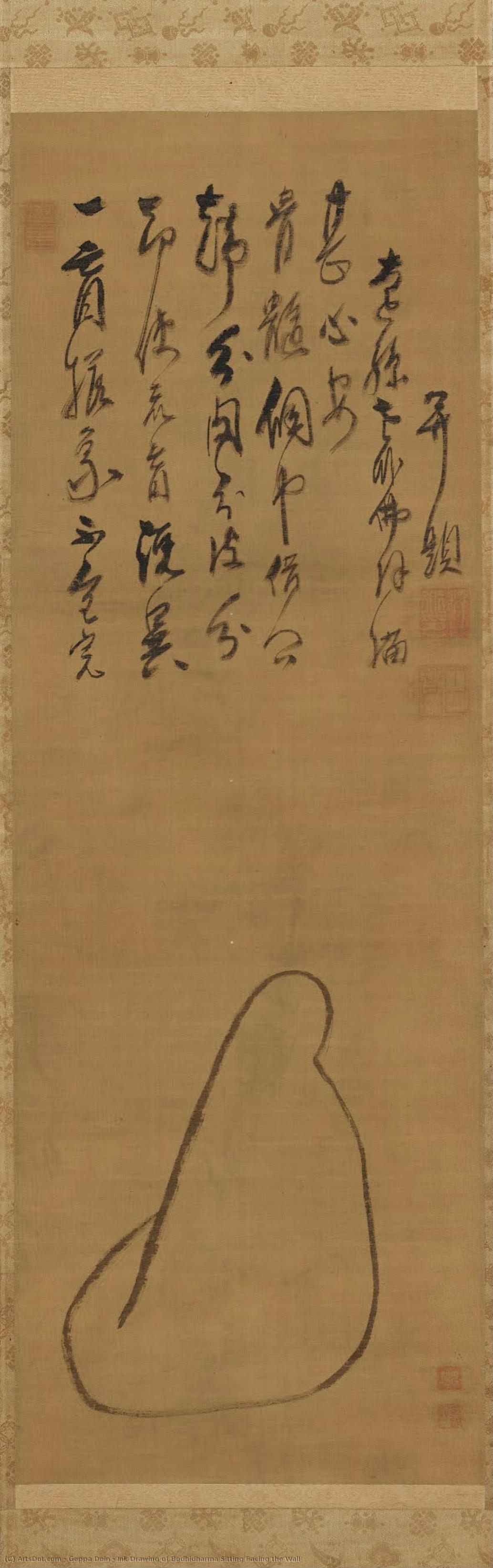
統計情報Ink Drawing of Bodhidharma Sitting Facing the Wall

 詳細を見る
詳細を見る
ジークレー/アートプリント
迅速な制作と多彩な仕上げオプションを備えた、ミュージアムクオリティのジークレーまたはキャンバスプリント。 ( 手描きの絵画を購入 デジタル画像販売へ切り替え)




































作品のオリジナル比率に合わせた、当店の規定サイズからお選びください。

特定のフレームやスペースに合わせて、ご自身でサイズを指定することも可能です。選択されたサイズが元の画像の比率と一致しない場合、作品をトリミングするか、鏡面反射または単色での塗りつぶしによって画像を拡張いたします。制作を開始する前に、ご確認用のデジタルモックアップをお送りいたします。
画面上のプレビューには、実際のトリミングや拡張は反映されませんのでご注意ください。最終的な構図を正確に確認できるのは、モックアップのみとなります。
カスタムサイズも承っておりますが、元の比率を維持するためには、あらかじめ用意されたリストからサイズを選択することをお勧めいたします。


 ガラスオプションは、110cm未満のサイズでのみご利用いただけます。

Ink Drawing of Bodhidharma Sitting Facing the Wall
ジークレー/アートプリント
複製画のサイズ
-


合計金額
$ 62
関連作品

アーティストの略歴
The Silent Master: Geppa Dōin and the Essence of Bodhidharma
Geppa Dōin, born in Tokyo in 1637 and passing away in 1716, remains a quietly profound figure within the pantheon of 17th-century Japanese art. His legacy isn’t one of flamboyant displays or dramatic narratives; rather, it resides in the meticulous execution and deeply considered symbolism of his ink drawings, particularly his iconic depiction of Bodhidharma, the legendary founder of Zen Buddhism. Dōin's work speaks to a contemplative spirit, reflecting the core tenets of his era – a period marked by both intense spiritual seeking and the constraints of a rigidly structured society. He was a master of *sumi-e*, the traditional Japanese ink wash painting technique, employing it not merely as a means of representation but as a pathway to capturing the very essence of his subject.Early Life and Artistic Training
Details surrounding Dōin’s early life are scarce, typical for many artists of that time whose lives were often intertwined with monastic communities. It is believed he received his initial training within a Zen temple in Kyoto, immersing himself in the principles of meditation and calligraphy – skills inextricably linked in Japanese artistic tradition. Calligraphy, with its emphasis on brushstroke, balance, and spiritual discipline, served as a foundational element for his later ink drawings. The deliberate control required to wield the *kobun*, the traditional Chinese ink stick and stone, mirrored the disciplined mind sought within Zen practice. While formal documentation is limited, it’s reasonable to assume he studied under established masters, absorbing their techniques and philosophies before forging his own distinctive style.The Bodhidharma Icon: A Study in Stillness
Dōin's most celebrated work, the “Ink Drawing of Bodhidharma Sitting Facing the Wall,” is a testament to his profound understanding of Buddhist iconography and his ability to translate complex spiritual concepts into visual form. The image depicts Bodhidharma, often referred to as the "Empty One," in an iconic pose: seated on the floor, facing away from the viewer, with his legs crossed in *dhyanasana*, the meditative posture. This deliberate avoidance of direct gaze is not merely a stylistic choice; it symbolizes detachment and the transcendence of ego – key aspects of Zen Buddhist practice. The simplicity of the composition—a single figure against a stark background—heightens the sense of stillness and invites contemplation.- The use of *sumi* ink creates a subtle, layered effect, suggesting depth and texture without resorting to elaborate detail.
- Notice the careful rendering of Bodhidharma’s robes, which are rendered with flowing lines that convey both dignity and humility.
- The absence of color reinforces the image's spiritual focus, emphasizing the purity and essential nature of the subject.
Technique and Influences: Echoes of Tradition
Dōin’s artistic style is deeply rooted in centuries of Japanese art history. He skillfully blended elements of *yamato-e*, a vibrant, naturalistic style prevalent during the Muromachi period (1392–1573), with the more restrained and contemplative approach of later Zen artists. The influence of Chinese ink painting, particularly the works of masters like Sesshu Toyo, is evident in his meticulous brushwork and compositional balance. However, Dōin’s work transcends mere imitation; he infused these influences with a uniquely Japanese sensibility, prioritizing spiritual depth over literal representation. His mastery of *shakkei*, or landscape perspective, subtly suggests an expansive, timeless realm beyond the confines of the depicted scene.Legacy and Historical Significance
Geppa Dōin’s “Ink Drawing of Bodhidharma Sitting Facing the Wall” is more than just a beautiful artwork; it's a window into the spiritual landscape of 17th-century Japan. Its enduring appeal lies in its ability to evoke a sense of quiet contemplation and invite viewers to engage with profound philosophical concepts. Currently held within the collection of the Watanabe Japanese Fine Arts, this piece continues to inspire artists and scholars alike, solidifying Dōin’s place as a pivotal figure in the development of Japanese ink painting and a master of conveying spiritual truths through visual art. His work serves as a reminder that true artistry lies not just in technical skill but in the ability to capture the essence of something larger than oneself – a testament to the power of stillness, reflection, and the pursuit of enlightenment.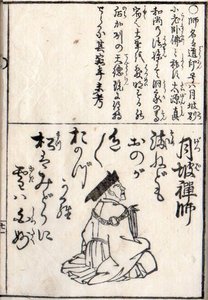
geppa doin
1637 - 1716 , Japan
基本情報
- Artistic Movement Or Style: Ink drawing & Calligraphy
- Date Of Birth: 1637
- Date Of Death: 1716
- Full Name: Geppa Dōin
- Nationality: Japanese
- Notable Artworks: ['Bodhidharma Sitting Facing Wall']
- Place Of Birth: Tokyo, Japan