

 プレビュー
プレビュー
 シェアする
シェアする シェアする
シェアする
 詳細を見る
詳細を見る

 ダウンロード
 似ている作品
 X線調査
X線調査 スライドショー
 統計情報
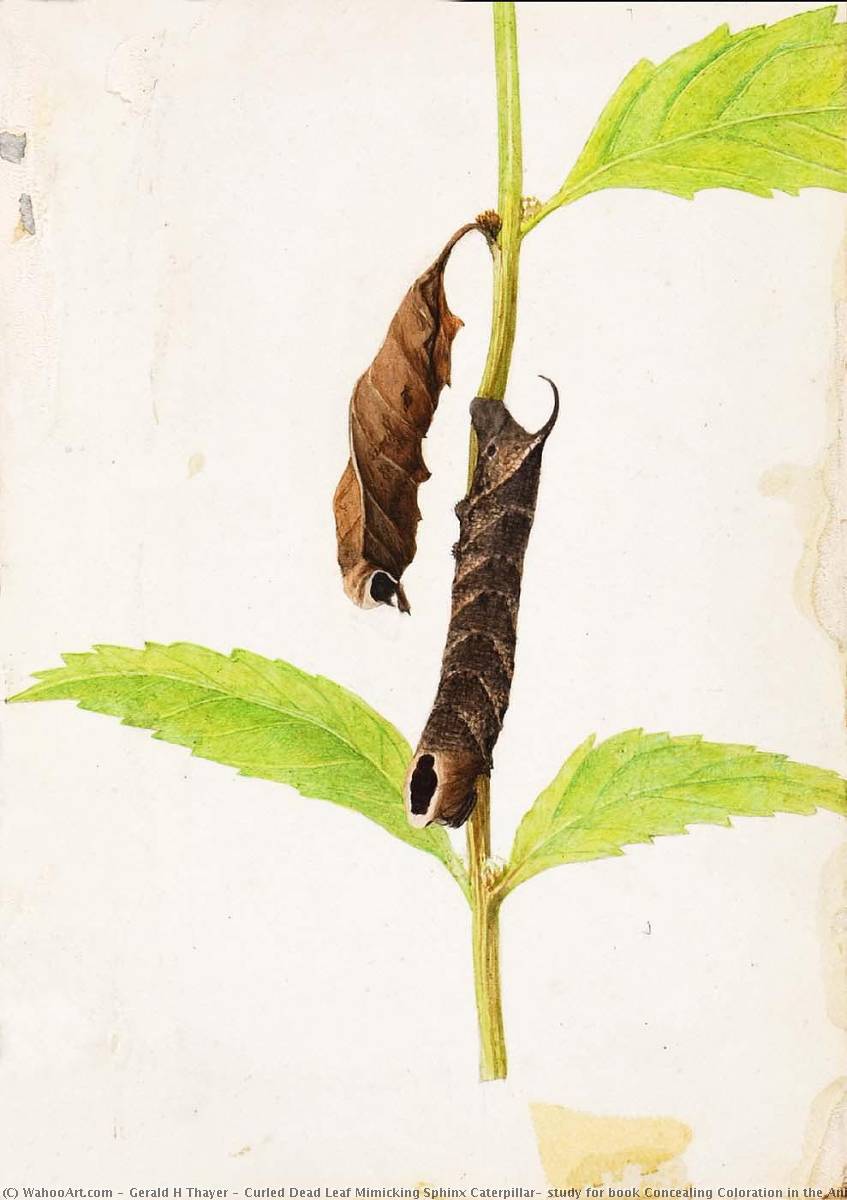
統計情報Curled Dead Leaf Mimicking Sphinx Caterpillar, study for book Concealing Coloration in the Animal Kingdom
Explore the exquisite bird paintings of Gerald H Thayer, a pioneering naturalist illustrator whose work set the standard for detailed avian art. Discover his legacy!
 詳細を見る
詳細を見る
手描き油彩複製画
当社のアーティストが、お客様のご希望のサイズと額縁に合わせて、キャンバスに手描きで制作する油彩画です。 ( プリント版に切り替え デジタル画像販売へ切り替え)




































標準サイズ
オーダーメイド
CM
INCH
作品のオリジナル比率に合わせた、当店の規定サイズからお選びください。
Loading sizes...

幅
高さ
特定のフレームやスペースに合わせて、ご希望のサイズをご入力いただけます。選択されたサイズが元の画像の比率と異なる場合、アートワークをトリミングするか、手描きで要素を追加して絵画を拡張いたします。デジタルモックアップ を制作し、制作開始前にご確認(承認)をいただきます。
画面上のプレビューは、実際のトリミングや拡張を正確に反映しているものではありません。最終的な構図は、モックアップによってのみ正確にご確認いただけます。
カスタムサイズもご利用いただけますが、元の比率を維持するためには、あらかじめ用意されたリストからサイズを選択することをお勧めいたします。
カスタマイズの例:顔をお客様の写真に置き換える、ペットを追加する(例:猫を犬に変更)、背景に隠れたメッセージを入れる、背景の風景や要素を変更するなど。
ご注文後、ArtsDot.com チームより詳細な指示をお送りするとともに、仕上がりイメージ(モックアップ)をご提供いたします。
ご注文後、ArtsDot.com チームより詳細な指示をお送りするとともに、仕上がりイメージ(モックアップ)をご提供いたします。


 ガラスオプションは、110cm未満のサイズでのみご利用いただけます。

Curled Dead Leaf Mimicking Sphinx Caterpillar, study for book Concealing Coloration in the Animal Kingdom
複製技法
複製画のサイズ
-


合計金額
$ 263
関連作品
アーティストの略歴
The Quiet Revolution of Gerald H. Thayer: A Master of Avian Camouflage
Gerald H. Thayer (1837-1934) wasn't a name shouted from the rooftops during his lifetime, yet his influence on ornithological illustration and our understanding of nature’s artistry is profound. He was a self-taught artist who eschewed formal training in favor of direct observation, spending decades immersed in the American landscape meticulously documenting birds not as static specimens, but as living creatures seamlessly integrated into their environments. This dedication to portraying birds *in situ*, highlighting their camouflage and adaptive coloration, marked a quiet revolution in wildlife art, shifting focus from purely taxonomic representation towards an appreciation of ecological harmony. Born in New York City, Thayer’s early life offered little indication of the path he would forge. He initially pursued a career in business, but a growing fascination with birds—fueled by hunting expeditions and a keen eye for detail—led him to abandon commerce and dedicate himself entirely to painting.From Sporting Art to Scientific Observation
Thayer’s artistic journey began with sporting art, depicting game birds in dynamic scenes popular amongst wealthy collectors. However, he quickly became dissatisfied with the conventional approach of showcasing trophies. He noticed something others often overlooked: how remarkably difficult it was to spot a bird against its natural backdrop. This observation wasn't merely aesthetic; it sparked a scientific curiosity. Thayer believed that understanding and accurately portraying this camouflage was crucial to appreciating the evolutionary pressures shaping avian forms. He began experimenting with watercolor, mastering techniques to render subtle gradations of color and texture that mimicked the interplay of light and shadow in natural settings. His early works, while still rooted in sporting traditions, demonstrate a growing emphasis on realism and an increasing sensitivity to environmental context. He wasn’t simply painting *birds*; he was painting birds as they *were experienced* in nature – often barely visible, blending into foliage, bark, or the dappled light of the forest floor. This pursuit led him to develop his theories about disruptive coloration, which would later become a cornerstone of camouflage research.The Development of Thayer’s Distinctive Style
Thayer's style evolved through relentless practice and a unique methodology. He famously worked outdoors in all weather conditions, often sketching directly from life for hours on end. He eschewed the use of prepared backgrounds or studio settings, believing that only direct observation could capture the nuances of natural light and color. His watercolors are characterized by their extraordinary detail, delicate washes, and masterful rendering of texture – feathers appear soft and ruffled, eyes gleam with lifelike intensity, and plumage blends seamlessly into its surroundings. He developed a technique of layering thin glazes of watercolor to create depth and luminosity, achieving an almost photographic realism without sacrificing artistic expression. His compositions are often unconventional, eschewing symmetrical arrangements in favor of dynamic perspectives that emphasize the bird’s integration with its environment. He wasn't interested in creating idealized portraits; he sought to capture the essence of each species as it existed within its ecological niche. This dedication to authenticity set him apart from many of his contemporaries.Major Achievements and Lasting Legacy
Thayer’s most significant achievement was arguably his series of watercolor paintings depicting birds in their natural habitats, culminating in the publication of *The Birds of North America* (1903). This monumental work wasn't simply a collection of beautiful illustrations; it was a groundbreaking study of avian camouflage and adaptation. His accompanying text detailed his theories about disruptive coloration, explaining how patterns and colors evolved to conceal birds from predators and prey. While initially met with skepticism by some in the scientific community, Thayer’s observations were later validated by advancements in evolutionary biology and ecology. His work profoundly influenced subsequent generations of ornithological illustrators, inspiring them to adopt a more realistic and ecologically sensitive approach. Beyond his artistic contributions, Thayer played a crucial role in raising awareness about the importance of conservation. He believed that appreciating the beauty and complexity of nature was essential for protecting it, and his paintings served as powerful advocates for wildlife preservation.- Published *The Birds of North America* (1903), a landmark study of avian camouflage.
- Developed theories about disruptive coloration that anticipated modern ecological research.
- Influenced generations of ornithological illustrators with his realistic and ecologically sensitive style.
- Advocated for wildlife preservation through his art and writings.
Historical Significance: A Pioneer of Ecological Art
Gerald H. Thayer’s historical significance lies not only in the exceptional quality of his artwork but also in his pioneering approach to ecological representation. He was among the first artists to recognize that birds weren't isolated entities but integral components of complex ecosystems. His paintings challenged conventional notions of wildlife art, shifting focus from taxonomic classification towards an appreciation of evolutionary adaptation and environmental context. In a time when scientific illustration often prioritized anatomical accuracy over artistic expression, Thayer demonstrated that these two goals were not mutually exclusive. He seamlessly blended meticulous observation with aesthetic sensitivity, creating works that are both scientifically informative and visually captivating. Today, his paintings continue to inspire awe and admiration, serving as reminders of the beauty, complexity, and fragility of the natural world. He laid the groundwork for a new generation of artists who sought to capture not just *what* things looked like but *how* they functioned within their environments – truly establishing him as a forerunner of ecological art.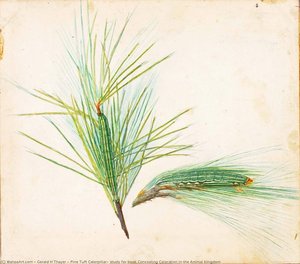
基本情報
- Artistic Movement Or Style: Naturalist illustration
- Current Meta Keywords: Bird paintings, Avian art
- Full Name: Gerald H Thayer
- Notable Artworks:
- Bird paintings
- Detailed bird drawings