 プレビュー
プレビュー
 プリントを購入
 シェアする
シェアする シェアする
シェアする
 詳細を見る
詳細を見る

 ダウンロード
 似ている作品
 X線調査
X線調査 スライドショー
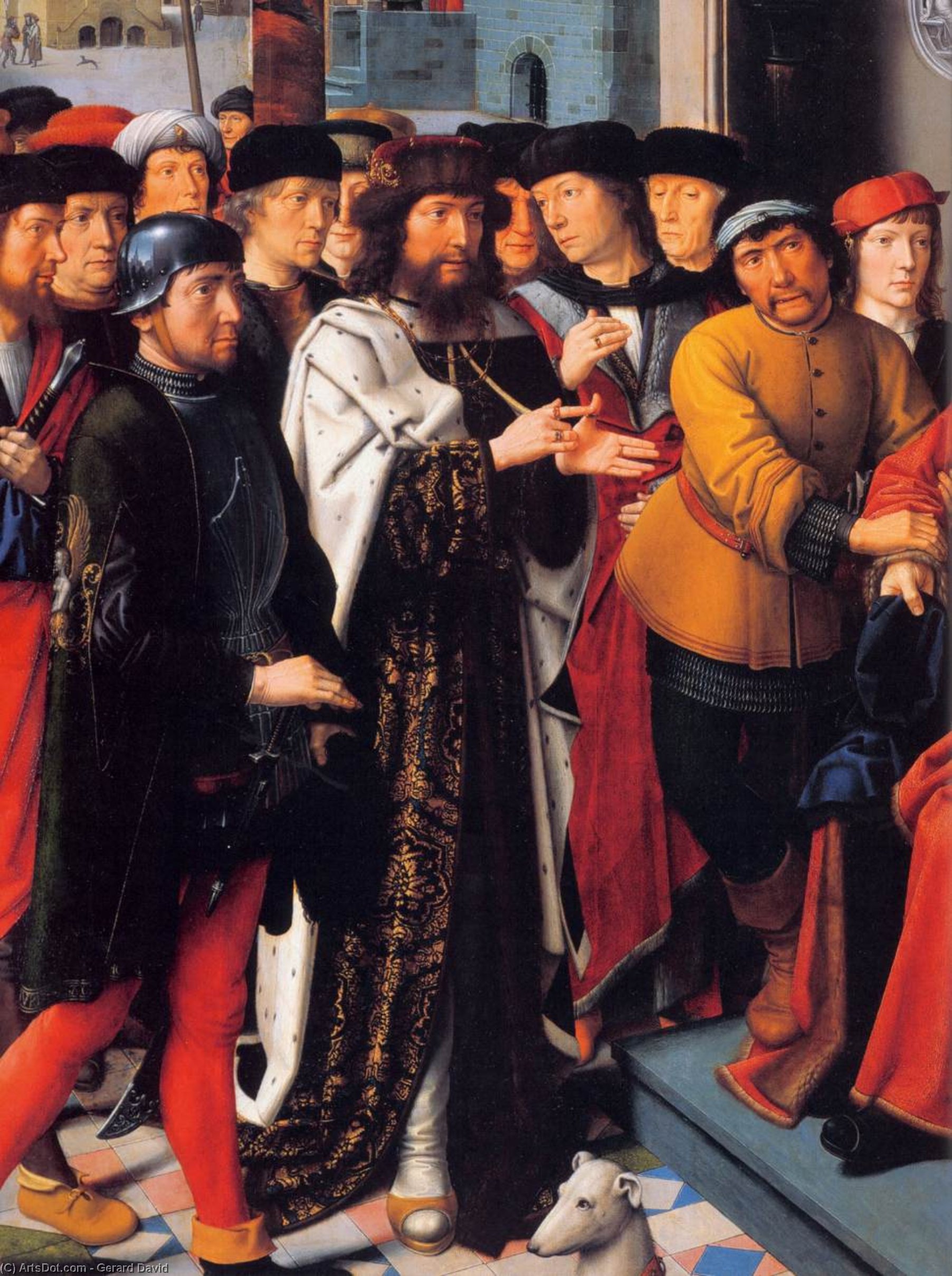
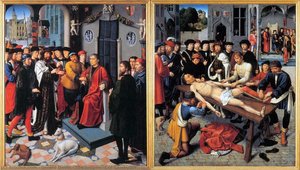
The Judgment of Cambyses (detail)


 詳細を見る
詳細を見る




P118B $10

P118H $10

P118W $10

P438Z $10

P508JH $12

P508YH $12

P805H $10

P805Z $10

P919BZ $10

P919G $10

P919XJ $10

P959ZH $10

P968JZ $12

W106C $8

W218G $10

W218JH $8

W218Y $10

W307PJ $10

W316G $10

W316PJ $8

W316Y $10

W398PJ $8

W4111J $10

W500HY $15

W500JH $15

W692G $12

W849H $8

W940BG $15

W953PJ $8




作品のオリジナル比率に合わせた、当店の規定サイズからお選びください。

特定のフレームやスペースに合わせて、ご希望のサイズをご入力いただけます。選択されたサイズが元の画像の比率と異なる場合、アートワークをトリミングするか、手描きで要素を追加して絵画を拡張いたします。デジタルモックアップ を制作し、制作開始前にご確認(承認)をいただきます。
画面上のプレビューは、実際のトリミングや拡張を正確に反映しているものではありません。最終的な構図は、モックアップによってのみ正確にご確認いただけます。
カスタムサイズもご利用いただけますが、元の比率を維持するためには、あらかじめ用意されたリストからサイズを選択することをお勧めいたします。
ご注文後、ArtsDot.com チームより詳細な指示をお送りするとともに、仕上がりイメージ(モックアップ)をご提供いたします。


 ガラスオプションは、110cm未満のサイズでのみご利用いただけます。

The Judgment of Cambyses (detail)
複製技法
複製画のサイズ
-


合計金額
$ 438
作品解説
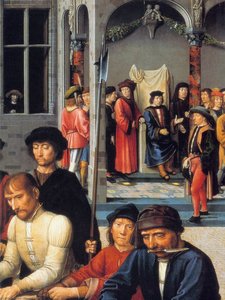
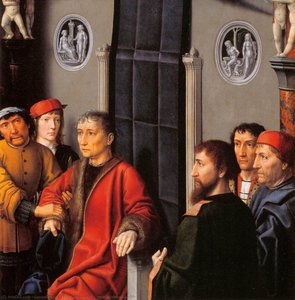
The Judgment of Cambyses: A Frozen Moment of Justice
Gerard David’s “Judgment of Cambyses,” a monumental diptych housed within the Groeningemuseum in Bruges, isn't merely a depiction of a biblical scene; it’s a meticulously crafted tableau of moral consequence, a chillingly beautiful meditation on power, corruption, and the inescapable weight of justice. Painted in 1498 during a pivotal moment of artistic transition – bridging late medieval tradition with the burgeoning ideals of the Early Renaissance – this work offers a rare glimpse into the complex worldview of a master artist grappling with themes of authority, sin, and retribution.
The narrative unfolds from Herodotus’ *Histories*, recounting the brutal punishment inflicted upon the corrupt judge Sisamnes by the Persian king Cambyses. David doesn't shy away from the gruesome details; instead, he presents them with a stark realism that compels the viewer to confront the uncomfortable truth of human fallibility. The scene captures the immediate aftermath of Sisamnes’ flaying – his body stripped bare, exposed to the elements and the judgment of onlookers – yet it’s far more than a simple illustration of violence. It's a carefully orchestrated composition designed to evoke a profound sense of solemnity and moral reckoning.
A Masterclass in Early Netherlandish Technique
David’s genius lies not only in his dramatic subject matter but also in his unparalleled mastery of technique. Executed on richly grained oak panels using the painstaking method of oil painting, the diptych showcases a remarkable level of detail and realism. The artist employs a sophisticated use of *sfumato*, subtly blurring edges and creating an atmospheric haze that lends the scene an almost dreamlike quality. Note the meticulous rendering of textures – the coarse fabric of Sisamnes’ clothing, the smooth sheen of his skin, the rough stone of the architectural backdrop – each element contributing to the overall sense of verisimilitude.
The color palette is predominantly warm and earthy, dominated by ochres, browns, and reds, punctuated by cooler blues and greens. This restrained use of color amplifies the drama of the scene, drawing attention to key figures and emphasizing the stark contrast between light and shadow – a hallmark of *chiaroscuro*, a technique perfected during this period. The lighting, originating from the upper left, casts dramatic shadows that define the forms and textures, creating a powerful sense of depth and volume.
Symbolism Woven into the Fabric of the Scene
Beyond its literal depiction of a historical event, “Judgment of Cambyses” is laden with symbolic meaning. The architectural setting – a partially obscured doorway or archway – suggests a transition from earthly corruption to divine judgment. The figures in the background, representing the onlookers, are rendered as anonymous witnesses, emphasizing the universal nature of sin and the inevitability of accountability. The central figure of Sisamnes himself embodies hubris and moral decay, his posture conveying both despair and resignation.
Crucially, David subtly incorporates elements that connect this ancient tale to contemporary Bruges. The figures in the foreground are dressed in period attire, while the architectural details – a partially visible doorway, for example – reflect the city’s own urban landscape. This deliberate juxtaposition of past and present serves as a potent reminder that moral failings are not confined to specific eras or locations; they are inherent aspects of the human condition.
A Timeless Reflection on Justice and Humanity
“Judgment of Cambyses” remains a profoundly moving work, captivating viewers with its dramatic intensity and psychological depth. It’s more than just a historical painting; it's an enduring meditation on the nature of justice, the consequences of corruption, and the complexities of human morality. David’s ability to capture such profound emotions through meticulous technique and symbolic representation solidifies his place as one of the most significant figures in the Early Netherlandish Renaissance – a master who continues to challenge and inspire us centuries later.
関連作品
アーティストの略歴
フランドルの光の巨匠:謎に包まれたジェラール・ダヴィッドの世界
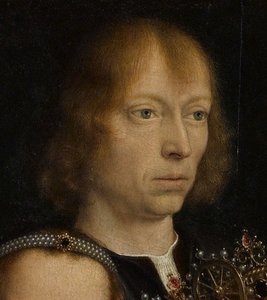
ジェラール・ダヴィッドは、初期ネーデルラント絵画の輝きを象徴する名前でありながら、その生涯は興味深い謎に包まれています。1460年頃、オランダのウーデヴァーターで生まれた彼の人生は、断片的な記録と、彼自身の作品が雄弁に語る証言によって再構築されています。同時代の画家たちとは異なり、ダヴィッドの個人的な物語は乏しく、その空白を埋めるのは、彼の絵画そのものの力強い表現です。知られている情報からすると、彼はルネサンス期の芸術革新の中心地であったアントワープとブルージュで工房を経営し、目覚ましい成功を収めた画家だったと考えられます。17世紀には一時的に評価が低下しましたが、19世紀の美術史家たちによって再発見され、北部ルネサンスへのユニークな貢献が称えられました。彼は1484年にブルージュのイマージメーカーと鞍職人のギルドに自由会員として迎え入れられ、彼の芸術的地位を確立する重要な瞬間となりました。1515年のアントワープギルドへの関与は、彼が芸術コミュニティ内で確固たる地位を築いていたことをさらに裏付けています。形成期の影響と芸術的発展
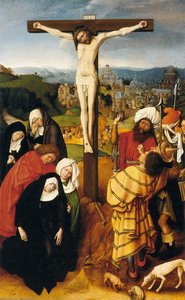
ダヴィッドの芸術的な旅は、彼のスタイルを形作った影響の下で始まりました。初期の作品には、ヤコブ・ヤンソン、ディエリック・ボウツ、ヘールトヘン・トット・シント・ヤンスといった画家たちからの明確な影響が見られます。これらの巨匠たちは、彼に細部への徹底的な注意と宗教的物語に対する感受性を植え付けました。彼はハーレムでこれらの教訓を吸収した後、ヨーロッパ各地から才能が集まる活気ある芸術の中心地であるブルージュに移り住んだと考えられています。そこでダヴィッドはヤン・ファン・エイク、ロヒール・ファン・デル・ウェイデン、ハンス・メムリンクの傑作に出会い、彼らの技術を吸収しながら独自の道を切り開きました。彼は単に模倣するのではなく、これらの影響を統合して、輝く色彩、穏やかな構成、そしてますます洗練された風景への理解を特徴とする、他に類を見ないスタイルを作り上げました。初期の絵画は、ハーレムの伝統に似た人形のような人物から、環境の中にしっかりと根ざしたより彫刻的な形態へと移行していく様子を示しています。この変化は、『十字架に釘付けられたキリスト』に見ることができ、ボウツの空間構成の影響とダヴィッドの新たな色彩感覚が融合しています。風景と宗教的物語における革新
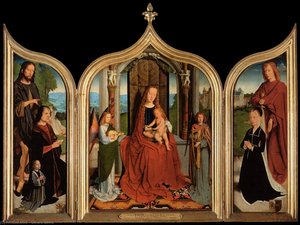
ジェラール・ダヴィッドの芸術的な特徴は、風景と宗教的主題に対する革新的なアプローチにあります。彼は単に背景を描いているのではなく、シーンの感情的な共鳴を高める没入型の環境を作り出していました。彼の風景は単なる装飾ではなく、物語に不可欠な要素であり、しばしば象徴的な意味合いを持っています。自然の設定へのこの関心—鬱蒼とした森、起伏のある丘陵地帯、広大な空—は彼と同時代の多くの画家たちと彼を区別し、風景画が独立したジャンルとして発展していくことを予見していました。『トリプティヒの森の眺め』の外側の翼を見てください。それは単なる背景ではなく、細部にまでこだわって大気遠近法で描かれたそれ自体が世界です。彼の宗教作品の中で、ダヴィッドは深い精神性と人間の感情の両方を表現する卓越した能力を示しました。『聖カタリナの結婚式』はそのスキルを例証しています。シーンは精巧なディテールでレンダリングされていますが、見る人の心を捉えるのは、登場人物の顔に浮かぶ微妙な表情—彼らの信心深さ、熟考、または穏やかな喜び—です。彼は神聖な主題に静かな尊厳と関連性をもたらす才能を持っていました。『玉座に着いた聖母子トリプティヒ』はジェノヴァでこの習熟度を示しており、鮮やかな色彩と繊細なディテールが満ちた調和のとれた構成を提示しています。ブリュージュのシオン修道院に寄贈された『聖母たちの間にある聖母』は彼のスキルを示すもう一つの証であり、同時代の芸術家としては珍しい親密なジェスチャーである彼自身の肖像画が含まれています。遺産と永続的な影響
1523年に亡くなった後、一時的に名声が衰えたものの、ジェラール・ダヴィッドのその後の世代の芸術家たちへの影響は否定できません。彼の革新的な色彩の使い方、光と影の巧みな扱い、そして風景に対する先駆的なアプローチはすべて、フランドル絵画の発展に消えない足跡を残しました。彼は、ヤコブ・パティニールやヤコブ・ファン・リュイスダールなど、自然の設定の表現的可能性をさらに探求した芸術家たちの道を切り開きました。- 伝統間の架け橋: ダヴィッドは中世後期から新ルネサンス様式への移行を成功裏に乗り越えました。
- 風景画への影響: 彼の詳細で大気のある風景は、風景が独自のジャンルとして発展していくことを予見しました。
- 熟練した色彩家: 彼は鮮やかなパレットと感情的なインパクトを生み出すための色の巧みな使い方で知られていました。
さらに探求する
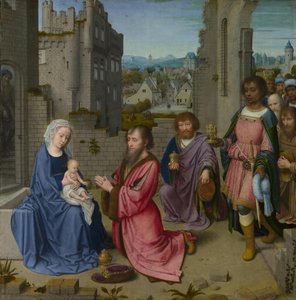
- ArtsDot.com: 『東方の賢者の礼拝』を含むジェラール・ダヴィッドの絵画を幅広く発見してください。
- View in a Forest: この素晴らしい北部ルネサンスの風景画を探求してください。
- 初期ネーデルラント美術運動: ダヴィッドの作品の芸術的背景について深く掘り下げてください。
ジェラール・ダヴィッド
1450 - 1523 , オランダ
基本情報
- Artistic Movement Or Style: 初期フランドル絵画
- Artists Or Movements Influenced By This Artist:
- ヤコブ・パティニール
- ヤコブ・ファン・ルイスダール
- Artists Who Influenced This Artist:
- ヤコブ・ヤンソン
- ディエリック・ボウツ
- ヘールトヘン・トット・サントハンス
- ヤン・ファン・エイク
- ロヒール・ファン・デル・ウェイデン
- ハンス・メムリンク
- Date Of Birth: 1460年頃
- Date Of Death: 1523年
- Full Name: ジェラール・ダヴィッド
- Nationality: ネーデルラント人
- Notable Artworks:
- 聖カタリナの結婚
- 聖母子三幅屏風
- 聖母と聖女たち
- 森の風景
- Place Of Birth (City And Country): オウデウォーター、ネーデルランド
関連記事
Gerard David: Bridging Late Medieval Tradition with Early Renaissance Humanism
Explore the captivating world of Gerard David, a pivotal figure bridging late medieval artistry with the Early Renaissance. Discover his innovative techniques, religious masterpieces, and enduring legacy – a must-read for discerning art collectors.

The Enduring Legacy of Oil on Canvas: Technique, History & Aesthetic Impact
Explore the rich history & techniques of oil painting – from Renaissance masters to Impressionism. Discover pigments, layering methods, and why this timeless medium endures. Expert insights for artists & art enthusiasts.

Oil on Canvas: A Historical & Technical Exploration of a Timeless Artistic Medium
Explore the rich history & enduring techniques of oil painting on canvas. Discover the science behind its longevity, conservation practices, and contemporary relevance. Expert insights for art enthusiasts.

The Enduring Power of Painting: A Historical & Contemporary Exploration of Form and Emotion
Explore the rich history & enduring techniques of oil painting with ArtsDot. Discover masterpieces, learn about art collecting, and find authentic handmade reproductions crafted by skilled artists.

油彩のキャンバス:技法、歴史、そして現代の実践 - 古典美術愛好家へ
油彩の技法、歴史、巨匠たちの秘密を徹底解説。古典美術愛好家向けに、初期フランドル絵画から現代の実践まで深く掘り下げます。ArtsDotで高品質な複製画やカスタムオーダーも承ります。