

 プレビュー
プレビュー
 シェアする
シェアする シェアする
シェアする
 詳細を見る
詳細を見る

 ダウンロード
 似ている作品
 X線調査
X線調査 スライドショー
 統計情報
統計情報A Lady Dressing her Hair


 詳細を見る
詳細を見る
手描き油彩複製画
当社のアーティストが、お客様のご希望のサイズと額縁に合わせて、キャンバスに手描きで制作する油彩画です。 ( プリント版に切り替え デジタル画像販売へ切り替え)




P118B $10

P118H $10

P118W $10

P438Z $10

P508JH $12

P508YH $12

P805H $10

P805Z $10

P919BZ $10

P919G $10

P919XJ $10

P959ZH $10

P968JZ $12

W106C $8

W218G $10

W218JH $8

W218Y $10

W307PJ $10

W316G $10

W316PJ $8

W316Y $10

W398PJ $8

W4111J $10

W500HY $15

W500JH $15

W692G $12

W849H $8

W940BG $15

W953PJ $8




作品のオリジナル比率に合わせた、当店の規定サイズからお選びください。

特定のフレームやスペースに合わせて、ご希望のサイズをご入力いただけます。選択されたサイズが元の画像の比率と異なる場合、アートワークをトリミングするか、手描きで要素を追加して絵画を拡張いたします。デジタルモックアップ を制作し、制作開始前にご確認(承認)をいただきます。
画面上のプレビューは、実際のトリミングや拡張を正確に反映しているものではありません。最終的な構図は、モックアップによってのみ正確にご確認いただけます。
カスタムサイズもご利用いただけますが、元の比率を維持するためには、あらかじめ用意されたリストからサイズを選択することをお勧めいたします。
ご注文後、ArtsDot.com チームより詳細な指示をお送りするとともに、仕上がりイメージ(モックアップ)をご提供いたします。


 ガラスオプションは、110cm未満のサイズでのみご利用いただけます。

A Lady Dressing her Hair
複製技法
複製画のサイズ
-


合計金額
$ 263
The Enigmatic Portrait: Gerard ter Borch’s ‘A Lady Dressing Her Hair’
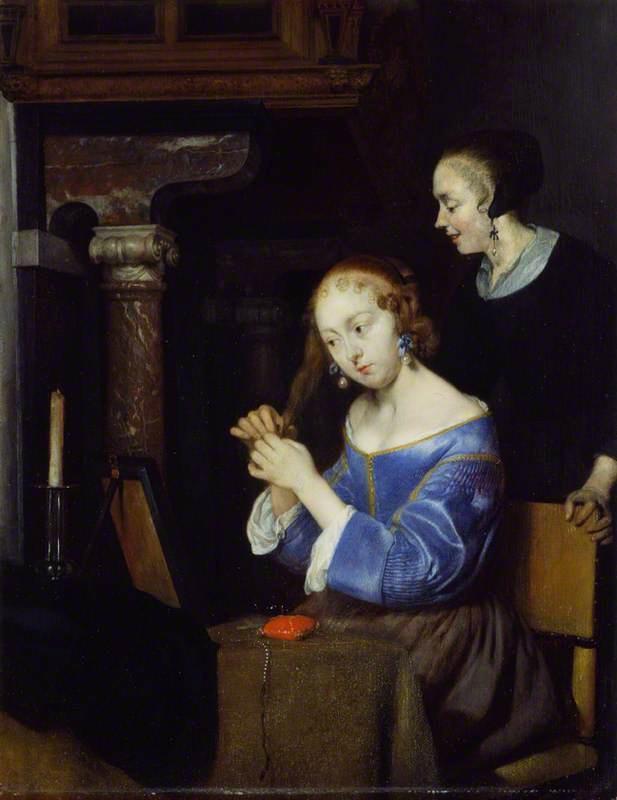
Gerard ter Borch the Younger's “A Lady Dressing Her Hair,” painted in 1658, is not merely a portrait; it’s a meticulously crafted window into the quiet domesticity of the Dutch Golden Age. The scene unfolds within a richly appointed interior – a room brimming with the subtle opulence of a wealthy household – yet the focus isn't on grand displays of wealth but rather on the intimate connection between two women: a young lady receiving her hair adorned by an older woman, likely her mother or a close female relative. This seemingly simple tableau is layered with psychological depth and a masterful command of light and shadow, hallmarks of ter Borch’s distinctive style.
The painting immediately draws the eye to the central figures. The young woman, dressed in a flowing gown of deep blue and adorned with a delicate shawl, exudes an air of serene composure. Her gaze is directed slightly downward, suggesting contemplation or perhaps a gentle acceptance of the ritual taking place before her. Her companion, seated at a table laden with tools – combs, brushes, and mirrors – observes with a watchful, almost maternal expression. The careful arrangement of these objects speaks volumes about the social dynamics within the household; it’s a scene of shared activity, of quiet instruction, and of unspoken bonds.
Baroque Precision: Technique and Composition
Ter Borch's technique is characterized by an almost obsessive attention to detail. Every fold in the fabric, every glint of light on the polished wood furniture, every strand of hair is rendered with painstaking precision. This meticulousness isn’t simply decorative; it serves to heighten the realism and create a sense of palpable presence within the scene. The composition itself is remarkably balanced, utilizing strong horizontal lines – the table, the wall paneling, the fireplace – to establish a sense of stability and order. However, these rigid structures are subtly disrupted by the organic forms of the figures’ bodies and clothing, creating a dynamic tension between structure and fluidity.
The masterful use of chiaroscuro—the dramatic contrast between light and shadow—is perhaps the most striking element of the painting. Light streams in from an unseen source, illuminating the faces and hands of the women while casting deep shadows that envelop the background. This technique not only adds depth and volume to the figures but also imbues the scene with a sense of mystery and emotional resonance. The shadows suggest hidden thoughts and unspoken feelings, adding layers of complexity to the seemingly straightforward depiction of domestic life.
Symbolism and Context: A Window into Dutch Society
“A Lady Dressing Her Hair” offers a fascinating glimpse into the social customs and values of 17th-century Holland. The act of dressing hair was not merely a cosmetic practice; it was a ritual laden with symbolic meaning, representing beauty, status, and feminine grace. The presence of the older woman overseeing this process underscores the importance of female mentorship and guidance within the family structure. Furthermore, the setting itself—a richly decorated interior—reflects the prosperity and cultural sophistication of the Dutch Republic during its Golden Age.
Beyond the immediate depiction of domesticity, the painting can be interpreted as a meditation on themes of intimacy, connection, and the passage of time. The quiet exchange between the two women suggests a deep-rooted bond built upon shared experience and mutual respect. The subtle expressions on their faces hint at unspoken emotions—a mixture of affection, understanding, and perhaps even melancholy. Ter Borch’s ability to capture such nuanced psychological states is what elevates this painting beyond a simple portrait and transforms it into a timeless work of art.
A Legacy of Intimacy: Reproductions and Beyond
ArtsDot offers high-quality reproductions of “A Lady Dressing Her Hair,” allowing you to bring this exquisite Baroque masterpiece into your own home or office. Whether you’re an art collector, an interior designer seeking a touch of timeless elegance, or simply someone who appreciates the beauty of Dutch Golden Age painting, this reproduction provides a faithful representation of ter Borch's remarkable skill and artistic vision. Explore the details, savor the atmosphere, and allow yourself to be transported back to a world of quiet intimacy and understated grace.
関連作品

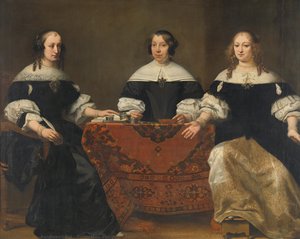
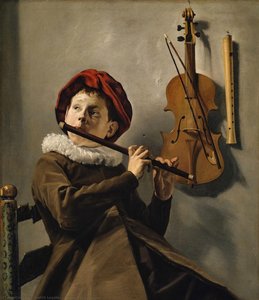
アーティストの略歴
光に照らされた生涯:ゲラルト・テル・ボルフ・ユング年の世界
オランダ黄金時代を象徴する、静かな親密さと洗練された写実主義。その名を耳にする時、私たちはテル・ボルフの名に宿る独特の情緒を感じ取らずにはいられません。1617年12月、オランダのズヴォローに生まれたゲラルト・テル・ボルフ・ユング年は、芸術に彩られた家庭の中で育ちました。父であるゲラルト・テル・ボルフ・エルダーは彼に絵画の基礎となる素描技術を叩き込み、妹のゲジーナもまた、類まれな絵画の才能を示していました。このような豊かな環境が、視覚的な細部への鋭い感覚と、人間同士の交流における微細なニュアンスを捉える感性を育み、後の彼の傑作群を定義づけることとなったのです。テル・ボルフの学びはアトリエの中だけに留まりませんでした。1632年から始まった若き日の旅路は、アムステルダムや、ピーテル・モラインに師事したハーレム、さらには1635年のロンドンへと彼を導きました。これらの旅は、多様な芸術的潮流に彼を触れさせ、パトロンとの関わりについての理解を深め、比類なき繊細さで家庭生活の本質を捉えるキャリアの礎を築いたのです。初期の作品に見られる、緻密に描かれた室内や情緒豊かな光の表現には、ウィレム・コルネリス・デュイスタの影響が色濃く反映されており、光と影を操る術を磨いていく画家の成長の足跡を物語っています。日常の瞬間を描き出す画家
テル・ボルフは、日常生活の一場面を描く「風俗画」への揺るぎない探求心によって、他の画家たちから一線を画していました。しかし、彼は単にその瞬間を記録していたわけではありません。彼はそこに、同時代の画家たちには稀に見られるような心理的な深みを与えていたのです。彼の描く世界は、壮大な歴史物語や劇的な宗教画ではありません。むしろ、手紙を書く途中でふと手を止める女性、穏やかな会話に花を咲かせるカップル、馬上の兵士といった、オランダ市民の私的な空間を覗き見るような感覚をもたらします。一見すると単純な主題は、人間関係や家庭という舞台で繰り広げられる静かなドラマを探求するための装置へと昇華されています。彼の最も有名な作品の一つである手紙は、まさにその極致と言えるでしょう。それは単に手紙を書く女性を描いたものではなく、期待や切望、そして言葉が持つ力を探求した作品なのです。その技法は徹底した写実主義に貫かれており、布地の質感は驚くべき正確さで再現され、光は表面に自然な陰影を落とし、表情には繊細な感情が宿っています。彼は、過ぎ去りゆく一瞬の輝きを捉え、それを永遠の芸術へと変貌させる類まれな能力を持っていました。また、1640年代にはミニチュア肖像画でも高い評価を得ており、精密かつ優美に人物の面影を捉える技術を示しました。これらの小品にも、大作と同様の細部へのこだわりと心理的洞察が凝縮されており、観察の達人としての彼の地位を不動のものにしました。影響と芸術的発展
ゲラルト・テル・ボルフの芸術的な旅路は、絶え間ない進化の過程でした。ピーテル・モラインによる風景画は間違いなく初期の構図に影響を与え、ウィレム・コルネリス・デュイスタが描く緻密な室内画は、彼の写実主義の重要な基盤となりました。イタリアへの訪問については、決定的な証拠こそ残されていないものの、もし彼がその地を訪れていたならば、イタリア・ルネサンスの巨匠たちの技法や構図の原理に触れたことは疑いようがありません。キャリアの後期になると、テル・ボルフはスペインの画家ディエゴ・ベラスケスへの敬意を作品に滲ませるようになります。それは特に、場面に奥行きとドラマをもたらす光と影の見事な操り方に顕著に表れています。彼はまた、ガブリエル・メッツやゲリット・ドウといった、風俗画と写実主義に共通の関心を持つオランダ黄金時代の活気ある画家たちの輪の中にいました。しかし、テル・ボルフは単なる模倣者ではありませんでした。彼はこれらの影響を自らのものとして統合し、心理的洞察と洗練された技法を兼ね備えた独自のスタイルを確立したのです。人間同士の交流における微細なニュアメントを捉えるその能力こそが、彼を同時代の画家たちから際立たせ、オランダ風俗画の主導的な存在へと押し上げたのです。遺産と歴史的意義
ゲラルト・テル・ボルフ・ユング年は、オランダにおける前例のない芸術的隆盛期である「オランダ黄金時代」を代表する巨匠の一人です。風俗画への革新的なアプローチ、心理的写実主義への注力、そして卓越した技術は、後世の芸術家たちに深い影響を与えました。彼は日常の営みを、真摯な芸術的考察に値する主題へと高め、その後の家庭生活や人間関係の探求への道を切り拓いたのです。彼の作品は現在、ハーグのマウリッツハイス美術館、ロンドンのナショナル・ギャラリー、サンクトペテルブルクのエルミタージュ美術館など、世界中の権威ある美術館に収蔵されており、その不朽の魅力と歴史的重要性を証明しています。例えば、ミュンスターにおけるアドリアン・パウスの到着は、彼の技術的な熟練度だけでなく、重要な歴史的出来事を親密で人間味あ灼いた視点から捉える能力を示しています。テル・ボルフが遺したものはキャンバスの枠を超えています。彼は、17世紀オランダ社会の生活と感情を現代に伝える作品群を残し、今なお見る者の心を捉え、インスピレーションを与え続けています。彼は観察の達人であり続け、静かな瞬間の力と日常の美しさを理解していた画家でした。妹のゲジーナ・テル・ボルフも、知名度は控えめながら当時の芸術的景観に大きく貢献しており、黄金時代におけるこの家族の遺産をより豊かなものにしています。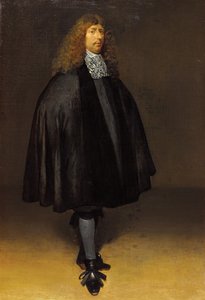
ヘラルト・テル・ボルハ(子)
1617 - 1681 , オランダ
基本情報
- Artistic Movement Or Style: オランダ黄金時代、風俗画
- Artists Or Movements Influenced By This Artist:
- ガブリエル・メッツ
- ゲリット・ドウ
- Artists Who Influenced This Artist:
- ピーテル・モライン
- ヴィレム・コルネリス・ダイスター
- ディエゴ・ベラスケス
- Date Of Birth: 1617年12月
- Date Of Death: 1681年
- Full Name: ヘラルト・テル・ボルホ(子)
- Nationality: オランダ
- Notable Artworks:
- 手紙
- アドリアーン・パウスの到着
- 優雅な会話
- Place Of Birth: オランダ、ズヴォレ
関連記事

Illuminating Innovation: Exploring the Dutch Golden Age of Painting
Explore the Dutch Golden Age of painting with ArtsDot. Discover Rembrandt, Vermeer & other Masters. Learn about key characteristics, iconic artworks, and lasting influence. Expert insights for collectors & enthusiasts.

黄金世紀の巨匠たち:バロック絵画が彩る10選|ArtsDot
オランダ黄金時代の10大傑作を紐解く!レンブラント、フェルメール…バロック絵画の魅力と時代背景を深く探求。ArtsDotで、至高のアートコレクションと空間演出のヒントを見つけよう。高品質なアートプリントで、お部屋を華やかに。
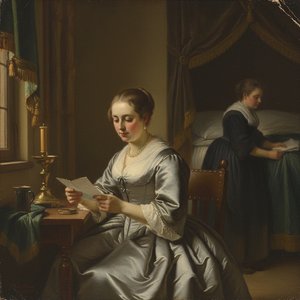
Gerard ter Borch: Intimacy & Light in the Dutch Golden Age
Explore the captivating world of Gerard ter Borch, a master of Dutch Golden Age genre painting. Discover his intimate scenes, masterful light, and lasting influence on art history. Learn more at ArtsDot.

Golden Age Reflections: Dutch Baroque Painting & Cultural Innovation
Explore the Dutch Golden Age of painting! Discover key artists like Vermeer & ter Borch, their innovative techniques, and the rich cultural context behind these Baroque masterpieces. Learn about collecting & appreciating this iconic art period.

Dutch Baroque Masters: 10 Paintings That Shaped an Era | ArtsDot
Journey through the Golden Age with our guide to the Top 10 Dutch Baroque masterpieces! Explore iconic paintings by Rembrandt, Vermeer & Frans Hals. Find museum-quality art reproductions and elevate your home decor at ArtsDot.com.