 プレビュー
プレビュー
 プリントを購入
 シェアする
シェアする シェアする
シェアする
 詳細を見る
詳細を見る

 ダウンロード
 似ている作品
 X線調査
X線調査 スライドショー
Woman Reading a Letter (detail)


 詳細を見る
詳細を見る




P118B $10

P118H $10

P118W $10

P438Z $10

P508JH $12

P508YH $12

P805H $10

P805Z $10

P919BZ $10

P919G $10

P919XJ $10

P959ZH $10

P968JZ $12

W106C $8

W218G $10

W218JH $8

W218Y $10

W307PJ $10

W316G $10

W316PJ $8

W316Y $10

W398PJ $8

W4111J $10

W500HY $15

W500JH $15

W692G $12

W849H $8

W940BG $15

W953PJ $8




作品のオリジナル比率に合わせた、当店の規定サイズからお選びください。

特定のフレームやスペースに合わせて、ご希望のサイズをご入力いただけます。選択されたサイズが元の画像の比率と異なる場合、アートワークをトリミングするか、手描きで要素を追加して絵画を拡張いたします。デジタルモックアップ を制作し、制作開始前にご確認(承認)をいただきます。
画面上のプレビューは、実際のトリミングや拡張を正確に反映しているものではありません。最終的な構図は、モックアップによってのみ正確にご確認いただけます。
カスタムサイズもご利用いただけますが、元の比率を維持するためには、あらかじめ用意されたリストからサイズを選択することをお勧めいたします。
ご注文後、ArtsDot.com チームより詳細な指示をお送りするとともに、仕上がりイメージ(モックアップ)をご提供いたします。


 ガラスオプションは、110cm未満のサイズでのみご利用いただけます。

Woman Reading a Letter (detail)
複製技法
複製画のサイズ
-


合計金額
$ 263
作品解説
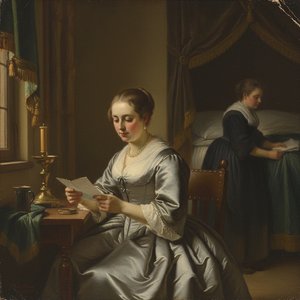
A Moment Frozen in Time: Gerard ter Borch’s “Woman Reading a Letter”
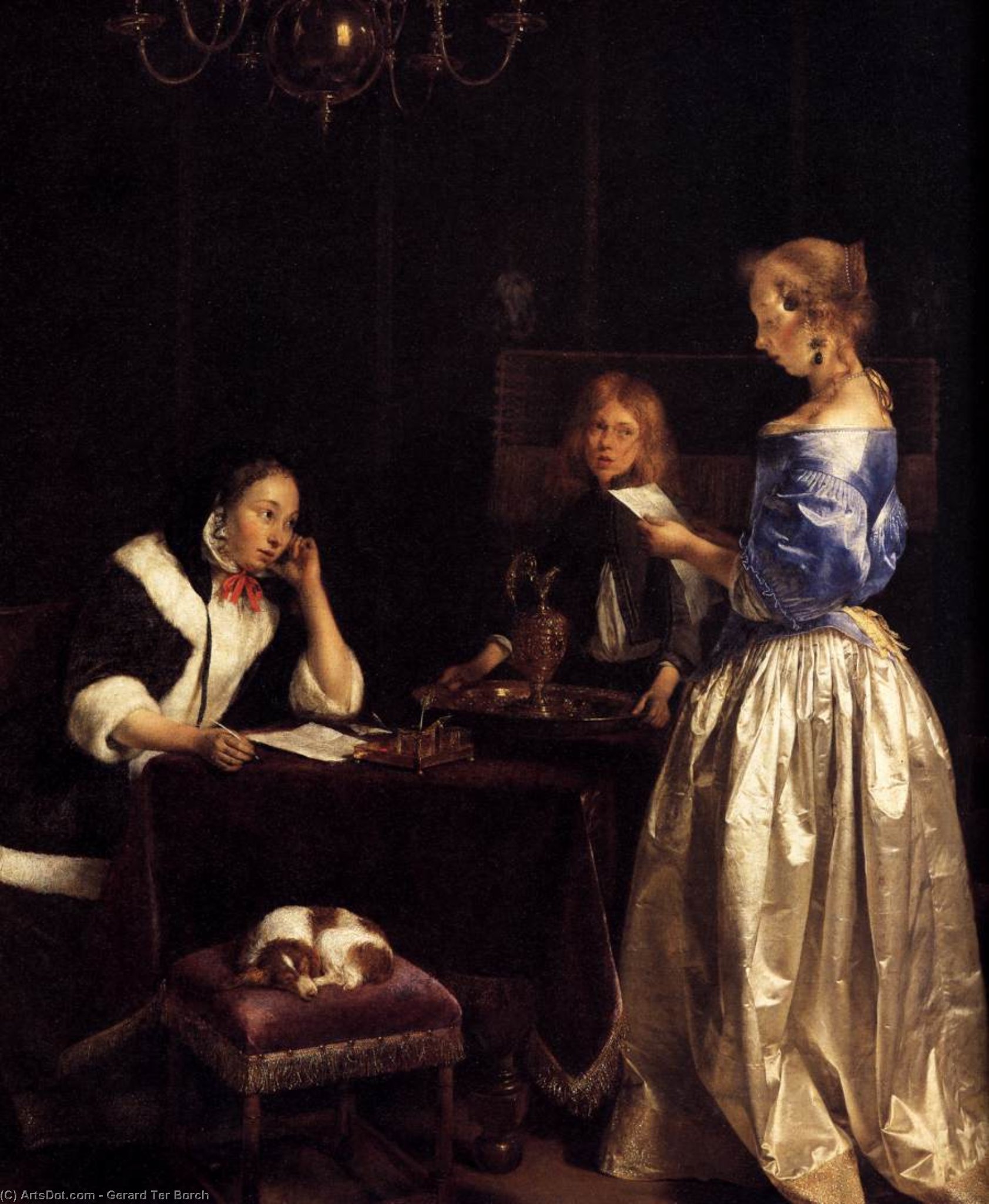
Gerard ter Borch's "Woman Reading a Letter," painted circa 1660-1665, isn’t merely a portrait; it’s a meticulously crafted tableau of domestic intimacy and subtle psychological drama. This remarkable work, now residing within the Royal Collection at Buckingham Palace, offers a rare glimpse into the private world of 17th-century Dutch society – a world where quiet contemplation and the exchange of correspondence held profound significance. Ter Borch, a pioneer of Dutch genre painting, masterfully captures not just appearances but also the unspoken emotions simmering beneath the surface of everyday life.
The scene unfolds within a modestly opulent interior, bathed in soft, diffused light that emphasizes the textures of fabrics and the delicate details of the objects surrounding the central figure. The composition is remarkably restrained, focusing entirely on a young woman seated before a table. Her posture – slightly turned towards the viewer, her gaze fixed intently upon the letter she holds – immediately draws us into her world. The careful rendering of her attire—a rich, dark gown adorned with subtle embroidery—suggests both wealth and refinement, while the delicate sapphire ring hints at an underlying romantic interest. The presence of a sleeping dog on a chair adds a touch of warmth and domesticity to the scene, grounding the portrait in the realities of family life.
The Painter’s Craft: Technique and Detail
Ter Borch's genius lies not just in his ability to depict a scene but in his unparalleled mastery of technique. He was renowned for his meticulous attention to detail, evident in every brushstroke. The texture of the fabrics—the velvet of the chair cushions, the silk of the woman’s gown—is rendered with astonishing realism, inviting us to almost feel their weight and smoothness. The subtle variations in light and shadow create a sense of depth and volume, bringing the figures and objects into sharp focus. Notably, Ter Borch employed a technique known as “pointillé,” using countless tiny dots of paint to build up color and texture—a method that contributes significantly to the painting’s luminous quality.
Furthermore, the artist's use of muted colors – predominantly browns, grays, and blues – creates a sense of quiet melancholy. This restrained palette is perfectly complemented by his masterful handling of light, which seems to emanate from an unseen source, casting soft shadows that subtly define the figures’ forms. The overall effect is one of understated elegance and profound emotional resonance.
A Window into Dutch Society: Context and Symbolism
“Woman Reading a Letter” provides invaluable insight into the social customs and values of 17th-century Holland. Letter writing was an essential part of daily life, serving as a means of communication between family members, friends, and business associates. The act of reading a letter represented not just the transmission of information but also the cultivation of relationships and the sharing of experiences. The presence of the boy in the painting—likely a member of the woman’s family—suggests a scene of familial connection and intergenerational exchange.
Symbolically, the letter itself represents secrets, desires, and unspoken emotions. The woman's absorbed expression suggests that she is grappling with something significant – perhaps a romantic encounter, a family matter, or simply the weight of her own thoughts. The painting’s ambiguity invites viewers to project their own interpretations onto the scene, making it a timeless meditation on human experience.
A Legacy of Intimacy: Ter Borch's Influence
Gerard ter Borch stands as one of the most significant figures in Dutch Golden Age art. His ability to capture the nuances of human emotion and the beauty of everyday life has secured his place among the masters of genre painting. His influence can be seen in the works of later artists, including Gabriel Metsu and Gerrit Dou, who followed in his footsteps. “Woman Reading a Letter” remains a testament to Ter Borch’s extraordinary talent and his profound understanding of the human condition—a captivating portrait that continues to resonate with viewers centuries after its creation.
関連作品

アーティストの略歴
オランダ風俗画の先駆者
ゲラルト・テル・ボルホは、オランダ黄金時代を代表する巨匠の一人であり、その風俗画を通じて美術史に消えることのない足跡を残しました。1617年12月に生を受け、1681年12月8日にその生涯を閉じるまで、テル・ボルホの人生はまさに芸術的才能の結晶であったと言えるでしょう。幼少期と芸術への影響
彼の初期の生活については詳細な記録が残っていない部分もありますが、ロンドン、ドイツ、フランス、スペイン、そしてイタリアといったヨーロッパ各地を広く旅したことは知られています。こうした広範な経験が彼の芸術的視野を大きく広げ、独自のスタイルを形作る糧となりました。また、妹のヘジーナ・テル・ボルホも画家としての道を歩んでおり、この家族が持つ芸術への情熱は非常に深いものでした。代表作と輝かしい業績
彼の作品群には、光と質感の捉え方において比類なき技量を示す傑作『手紙』があります。また、ヨハン・ゲオルグ・ヴィレによる版画としても知られる『優雅な会話』は、繊細な感情の機微を表現する彼の卓越した能力を象徴しています。初期の才能を感じさせる『騎馬の男』(1634年)や、画家の物語的な表現力を際立たせる『ミュンスターへのアドリアーン・パウスの到着』(1646年)など、その作品はどれも見る者を惹きつけて止みません。テル・ボルホの作品を収蔵する美術館とコレクション
彼の芸術的価値は世界中で認められており、エルミタージュ美術館には6点もの作品が収蔵されており、最大級のコレクションの一つを誇っています。ベルリン美術館にも6点が展示され、その国際的な評価を物語っています。さらに、ゲッティ・センターにも3点の絵画が収蔵されており、名高いコレクションの一部となっています。遺産と後世への影響
テル・ボルホがガブリエル・メッツ、ゲリット・ドウ、エグロン・ファン・デル・ネール、そしてヨハネス・フェルメイトといったオランダの画家たちに与えた影響は、歴史的に広く証明されています。風俗画に対する彼の革新的なアプローチは、彼を美術史における極めて重要な人物へと押し上げました。- テル・ボルホの生涯と作品の詳細については、こちらをご覧ください:https://ArtsDot.com/@/gerard-ter-borch
- テル・ボルホと同時代の画家たちを展示する、オランダのボイマンス・ヴァン・ベーニンゲン美術館を探索しましょう:https://ArtsDot.com/@@/a@d3arrk-museum-boijmans-van-beuningen-rotterdam-netherlands
- オランダ黄金時代とその偉大な芸術家たちについて詳しく知る:https://en.wikipedia.org/wiki/dutch_golden_age
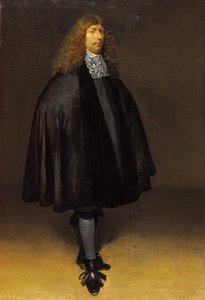
ゲラルト・テル・ボルホ
1617 - 1681 , オランダ
基本情報
- Artistic Movement Or Style: 風俗画
- Artists Or Movements Influenced By This Artist: ['ディエゴ・ベラスケス']
- Artists Who Influenced This Artist:
- ガブリエル・メッツ
- ゲリット・ドウ
- エグロン・ファン・デル・ネール
- ヨハネス・フェルメール
- Date Of Birth: 1617年12月
- Date Of Death: 1681年12月8日
- Full Name: ヘラルト・テル・ボルホ
- Nationality: オランダ
- Notable Artworks:
- 手紙
- 愛の語らい
- 馬上の男
- ミュンスターへのアドリアン・パウの到着
- Place Of Birth: オランダ、ズヴォレ
関連記事
Gerard ter Borch: Intimacy & Light in the Dutch Golden Age
Explore the captivating world of Gerard ter Borch, a master of Dutch Golden Age genre painting. Discover his intimate scenes, masterful light, and lasting influence on art history. Learn more at ArtsDot.

Golden Age Reflections: Dutch Baroque Painting & Cultural Innovation
Explore the Dutch Golden Age of painting! Discover key artists like Vermeer & ter Borch, their innovative techniques, and the rich cultural context behind these Baroque masterpieces. Learn about collecting & appreciating this iconic art period.

黄金世紀の巨匠たち:バロック絵画が彩る10選|ArtsDot
オランダ黄金時代の10大傑作を紐解く!レンブラント、フェルメール…バロック絵画の魅力と時代背景を深く探求。ArtsDotで、至高のアートコレクションと空間演出のヒントを見つけよう。高品質なアートプリントで、お部屋を華やかに。

Illuminating Innovation: Exploring the Dutch Golden Age of Painting
Explore the Dutch Golden Age of painting with ArtsDot. Discover Rembrandt, Vermeer & other Masters. Learn about key characteristics, iconic artworks, and lasting influence. Expert insights for collectors & enthusiasts.
Illuminating Realism: Exploring the Dutch Golden Age of Painting (1600-1700)
Explore the Dutch Golden Age of painting (1600-1700) with ArtsDot. Discover Rembrandt, Vermeer & other masters. Learn about techniques, history & find museum-quality reproductions.