

 プレビュー
プレビュー
 シェアする
シェアする シェアする
シェアする
 詳細を見る
詳細を見る

 ダウンロード
 似ている作品
 X線調査
X線調査 スライドショー
 統計情報
統計情報Merry Company
 Acrylic On Canvas
- WallArt
- Baroque Painting
 1623
1623 125.0 x 157.0 cm
 Staatsgalerie Stuttgart
 詳細を見る
詳細を見る
手描き油彩複製画
当社のアーティストが、お客様のご希望のサイズと額縁に合わせて、キャンバスに手描きで制作する油彩画です。 ( プリント版に切り替え デジタル画像販売へ切り替え)




P118B $10

P118H $10

P118W $10

P438Z $10

P508JH $12

P508YH $12

P805H $10

P805Z $10

P919BZ $10

P919G $10

P919XJ $10

P959ZH $10

P968JZ $12

W106C $8

W218G $10

W218JH $8

W218Y $10

W307PJ $10

W316G $10

W316PJ $8

W316Y $10

W398PJ $8

W4111J $10

W500HY $15

W500JH $15

W692G $12

W849H $8

W940BG $15

W953PJ $8




作品のオリジナル比率に合わせた、当店の規定サイズからお選びください。

特定のフレームやスペースに合わせて、ご希望のサイズをご入力いただけます。選択されたサイズが元の画像の比率と異なる場合、アートワークをトリミングするか、手描きで要素を追加して絵画を拡張いたします。デジタルモックアップ を制作し、制作開始前にご確認(承認)をいただきます。
画面上のプレビューは、実際のトリミングや拡張を正確に反映しているものではありません。最終的な構図は、モックアップによってのみ正確にご確認いただけます。
カスタムサイズもご利用いただけますが、元の比率を維持するためには、あらかじめ用意されたリストからサイズを選択することをお勧めいたします。
ご注文後、ArtsDot.com チームより詳細な指示をお送りするとともに、仕上がりイメージ(モックアップ)をご提供いたします。


 ガラスオプションは、110cm未満のサイズでのみご利用いただけます。

Merry Company
複製技法
複製画のサイズ
-


合計金額
$ 263
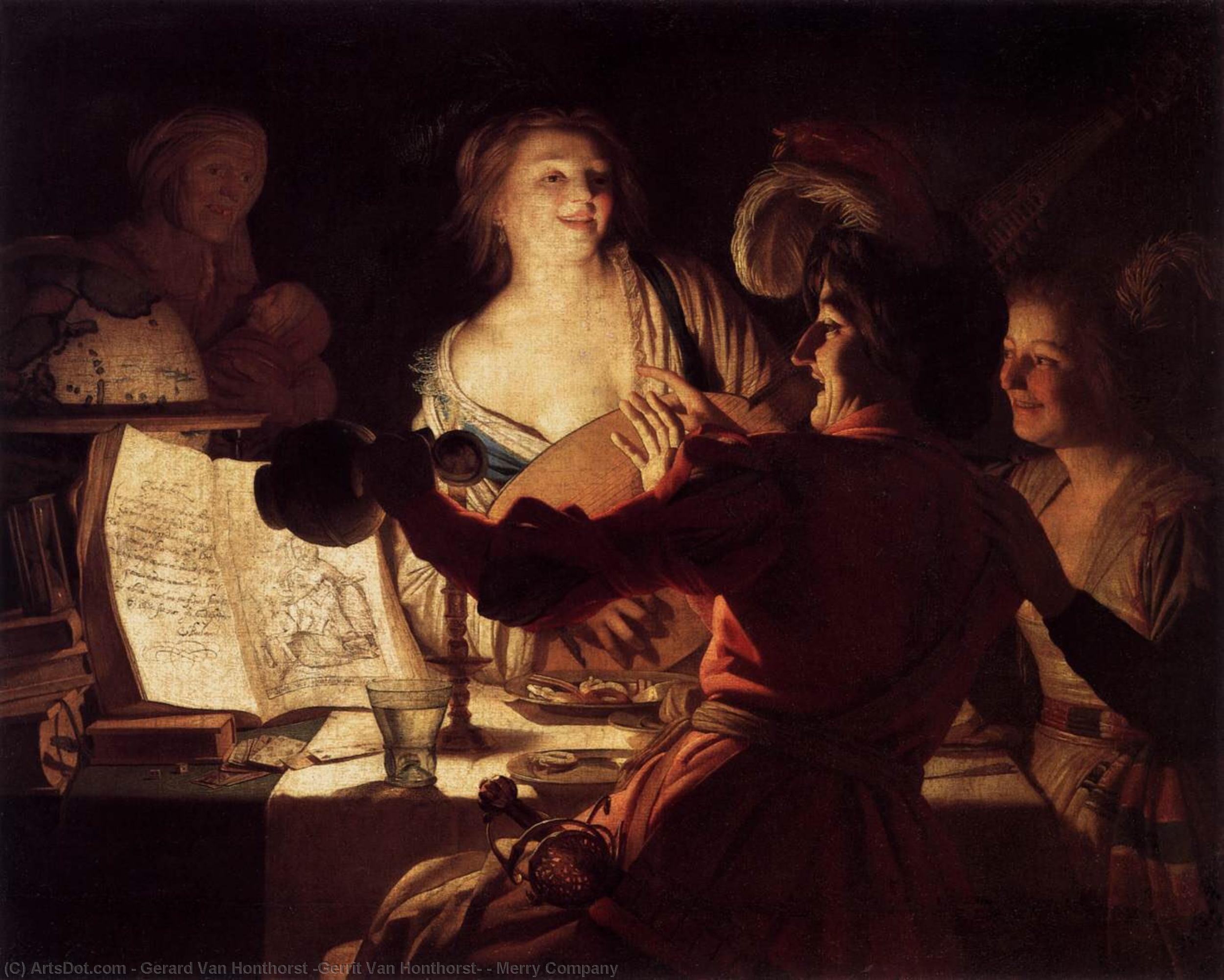
A Dance in Shadow: Gerard van Honthorst’s “Merry Company”
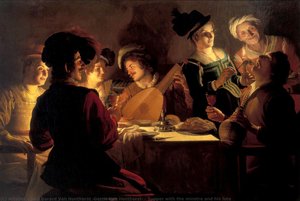
Gerard van Honthorst's "Merry Company," painted in 1623, isn’t merely a depiction of a tavern scene; it’s a carefully orchestrated tableau of light, social interaction, and the subtle drama inherent in human connection. This remarkable work, now residing within the Alte Pinakothek in Munich, offers a captivating glimpse into the vibrant heart of the Dutch Golden Age – a period defined by burgeoning wealth, artistic innovation, and a fascination with capturing the nuances of everyday life.
The painting immediately draws the eye with its masterful use of chiaroscuro, a technique borrowed directly from Caravaggio and central to Honthorst’s signature style. Deep shadows engulf much of the composition, creating an atmosphere of intimacy and drawing attention to the illuminated figures clustered around a table laden with goblets, wine glasses, and platters of food. This dramatic interplay of light and dark isn't simply aesthetic; it serves to heighten the sense of drama and immediacy, as if we are witnessing a fleeting moment frozen in time.
The Setting: A Tavern’s Embrace
The scene unfolds within what appears to be a richly appointed tavern – though the specific location remains somewhat elusive. The details suggest a comfortable, well-established establishment, likely frequented by merchants and members of the local elite. Notice the carefully rendered furniture, the warm glow emanating from unseen candles, and the abundance of drinkware. The composition is deliberately crowded, reflecting the lively atmosphere of a social gathering. Several figures are seated, engaged in conversation or perhaps enjoying music – though the instruments themselves aren’t explicitly visible, their presence is strongly implied.
A key element to note is the inclusion of several women amongst the men. This was relatively uncommon in Dutch genre paintings of this era, and suggests a deliberate attempt by Honthorst to portray a more balanced and inclusive representation of social life. The women are not merely decorative; they actively participate in the conversation and revelry, contributing to the overall sense of merriment.
A Caravaggistic Influence: Light and Emotion
Honthorst’s debt to Caravaggio is undeniable. Like his Italian predecessor, he understood the power of light to shape perception and evoke emotion. The strong directional lighting casts dramatic shadows that sculpt the figures' faces and bodies, emphasizing their expressions and gestures. The use of a single, unseen light source creates a sense of immediacy and realism, as if we are present at this lively gathering ourselves.
Furthermore, Honthorst’s attention to detail is remarkable. From the folds of the clothing to the textures of the furniture, every element contributes to the overall sense of authenticity. The figures themselves are rendered with a subtle psychological depth – their expressions ranging from jovial amusement to quiet contemplation. This level of realism was highly valued by Dutch artists during this period and reflects Honthorst’s skill as a portraitist.
Symbolism and Social Commentary
Beyond its immediate visual appeal, “Merry Company” offers subtle insights into the social dynamics of 17th-century Holland. The painting can be interpreted as a celebration of prosperity and leisure – hallmarks of the Dutch Golden Age. However, it also subtly hints at the potential pitfalls of excess and indulgence. The abundance of drink and merriment serves as a reminder of the importance of moderation and self-control.
The inclusion of figures like the older woman holding a candle is particularly intriguing. Her presence suggests a contemplation on time, beauty, and mortality – themes that were frequently explored in Dutch art during this period. The flickering candlelight symbolizes both love and vanity, highlighting the transient nature of earthly pleasures. “Merry Company” isn’t simply a depiction of a social gathering; it's a carefully constructed meditation on life, death, and the human condition.
A Timeless Masterpiece
Gerard van Honthorst’s “Merry Company” remains a captivating masterpiece – a testament to his artistic skill and his profound understanding of light, emotion, and the complexities of human interaction. Its dramatic chiaroscuro, rich detail, and subtle symbolism continue to resonate with viewers today, offering a glimpse into the vibrant world of 17th-century Holland.
関連作品
アーティストの略歴
光と影の巨匠:ヘラルト・ファン・ホンストロートの生涯と芸術
1592年、オランダのユトレヒトに生まれたヘラルト・ファン・ホンストロートは、オランダ黄金時代を照らす劇的な芸術家として頭角を現しました。当初は装飾画家の父から指導を受けましたが、若き日の才能はアブラハム・ブロメールのもとで開花し、素描と構成の確かな基礎を築きました。しかし、彼の芸術的発展の転機となったのはローマへの旅でした。イタリア・バロックの熱狂的なエネルギーの中で、彼はカラヴァッジョの革新的な作品に出会います。この出会いは彼のシグネチャーとなるスタイルを決定づけ、「ジェラルド・デッレ・ノッテ(夜のジェラルド)」という愛称を与えました。明暗の劇的な対比を利用するテネブリズムは、ホンストロートの特徴となり、彼のキャンバスに鮮烈なドラマと感情的な強度をもたらしました。彼は単にカラヴァッジョを模倣していたのではなく、イタリアの巨匠の革新を独特のオランダ的感性に翻訳し、ろうそく、ランプ、火などの人工光源で照らされた親密なシーンに焦点を当てました。この光の掌握は単なる技術的なスキルではなく、キャラクターを明らかにし、鑑賞者を各シーンの中心へと引き込む手段でした。ローマでの成功からオランダでの名声へ
ホンストロートのローマ時代は目覚ましい成功とパトロンとの出会いで彩られました。彼はヴィンチェンツォ・ジュスティニアニをはじめとする都市のエリート層に恵まれ、彼の代表作の一つである「最高司祭のもとにあるキリスト」を制作しました。この作品は現在ロンドンのナショナル・ギャラリーに所蔵されており、彼の光と影の巧みな操縦だけでなく、人物の中に深い心理的深みを表現する能力を示しています。さらに彼はコジモ2世・デ・メディチ、トスカーナ大公のために働き、適応性と多才さを示すことでキャリアを確固たるものにしました。1620年頃にユトレヒトに戻ったホンストロートは、すぐにオランダ共和国の主要な肖像画家としての地位を確立しました。彼の肖像画は単なる容姿だけでなく、被写体の性格や社会的地位をとらえる能力によって高く評価され、裕福な商人、貴族、そして王室からの依頼が殺到しました。1623年にはユトレヒトの聖ルカ組合の会長に就任し、芸術界における彼の影響力を示すこととなりました。この時期は多くの依頼を受け、ホンストロートは自身のスタイルを洗練させ、オランダ絵画の中に独自の表現を見出すことができました。宮廷画家:依頼と協働
ホンストロートの才能はオランダ国外にも及びました。彼の作品はサー・ダドリー・カールトンに認められ、チャールズ1世の姉であるエリザベス女王をはじめとするイギリスの貴族たちに熱心に紹介されました。これにより、彼はエリザベス女王から画家としてだけでなく、子供たちの絵画教師としても依頼を受けることになります。これらの王室との繋がりは、現在ハンプトン・コート宮殿に所蔵されているチャールズとヘンリエッタ・マリアをダイアナとアポロンとして描いた寓意的な作品などの重要な作品につながりました。ホンストロートの他の芸術家との協働への意欲も彼の開放性と芸術的寛容さを示しています。彼は有名なピーテル・パウル・ルーベンスをユトレヒトに招き、ディオゲネスが正直な人を探す場面を描いた遊び心のある作品を制作しました。これは2人のバロック巨匠の相互尊重を示すものです。当初はホンストロートのみが「キリストの捕縛」などの共同作品の作者とされていましたが、近年の研究により他の芸術家の貢献も明らかになり、この時代の芸術的生産の複雑なダイナミクスが浮き彫りになりました。これらの協働は単なる労働力の分担ではなく、芸術的な風景を豊かにする知的交流でした。遺産とユトレヒト・カラヴァッジスティ
ヘラルト・ファン・ホンストロートの影響力は彼の死後も長く残りました。彼は*ユトレヒト・カラヴァッジスティ*運動の重要な人物であり、カラヴァッジョの劇的なリアリズムとテネブリズムを受け入れたオランダ人画家たちのグループでした。ヘンドリック・テル・ブルッゲンやディルク・ファン・バブレンらとともに、彼はイタリア・バロック様式を独特のオランダ解釈として確立するのに貢献しました。人工光で照らされたジャンルシーンへの彼の重点、巧みな肖像画、そしてキアロスクーロ(明暗法)による感情的な深みを表現する能力は、オランダ黄金時代絵画の発展に消えない足跡を残しました。彼の弟であるウィレム・ファン・ホンストロートもまた、その足跡をたどり、様式的な類似性からしばしばヘラルトの作品と誤って特定されていました。- ホンストロートの絵画は今日でも観客を魅了し続けています。
- 彼の劇的な美しさと心理的な洞察力は永続的な資質です。
- 彼は美術史における重要な人物としての地位を確立しました。
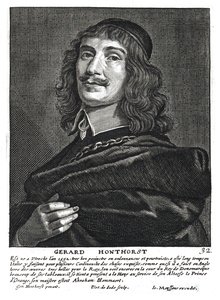
ヘラルト・ファン・ホンストロード
1590 - 1656 , 日本
基本情報
- Artistic Movement Or Style: バロック、カラヴァッジョ派
- Artists Or Movements Influenced By This Artist: ['ユトレヒト・カラヴァッジョ派']
- Artists Who Influenced This Artist: ['カラヴァッジョ']
- Date Of Birth: 1590年
- Date Of Death: 1656年
- Full Name: ヘラルト・ファン・ホントホルスト
- Nationality: オランダ人
- Notable Artworks:
- キリストの庭園
- 晩餐会
- ディアナとアポロン
- Place Of Birth (City And Country): ユトレヒト、オランダ
関連記事
Cornelis van Poelenburch: Bridging Mannerism & the Dutch Baroque Landscape
Discover Cornelis van Poelenburch, a pivotal Dutch Baroque landscape painter bridging Mannerism & Italianate styles. Explore his life, key works, and lasting influence on 17th-century art with ArtsDot.

Golden Age Reflections: Dutch Baroque Painting & Cultural Innovation
Explore the Dutch Golden Age of painting! Discover key artists like Vermeer & ter Borch, their innovative techniques, and the rich cultural context behind these Baroque masterpieces. Learn about collecting & appreciating this iconic art period.
Gerard van Honthorst: Illuminating the Dutch Golden Age with Caravaggism & Courtly Grace
Explore the captivating world of Gerard van Honthorst, a Dutch Golden Age master renowned for his dramatic chiaroscuro & courtly portraits. Discover his life, art, and lasting influence on Baroque painting.

レンブラント傑作25選:光と影の巨匠、魂を揺さぶる名画の世界 | ArtsDot
レンブラントの傑作25選。光と影の魔術師が描いた魂を揺さぶる名画の世界へ。美術史に残る自画像、夜警、宗教画…ArtsDotで高品質なアートプリントやインテリアアートをお楽しみください。コレクションはこちら→

Dutch Baroque Masters: 10 Paintings That Shaped an Era | ArtsDot
Journey through the Golden Age with our guide to the Top 10 Dutch Baroque masterpieces! Explore iconic paintings by Rembrandt, Vermeer & Frans Hals. Find museum-quality art reproductions and elevate your home decor at ArtsDot.com.