

 プレビュー
プレビュー
 プリントを購入
 シェアする
シェアする シェアする
シェアする
 詳細を見る
詳細を見る

 ダウンロード
 似ている作品
 X線調査
X線調査 スライドショー
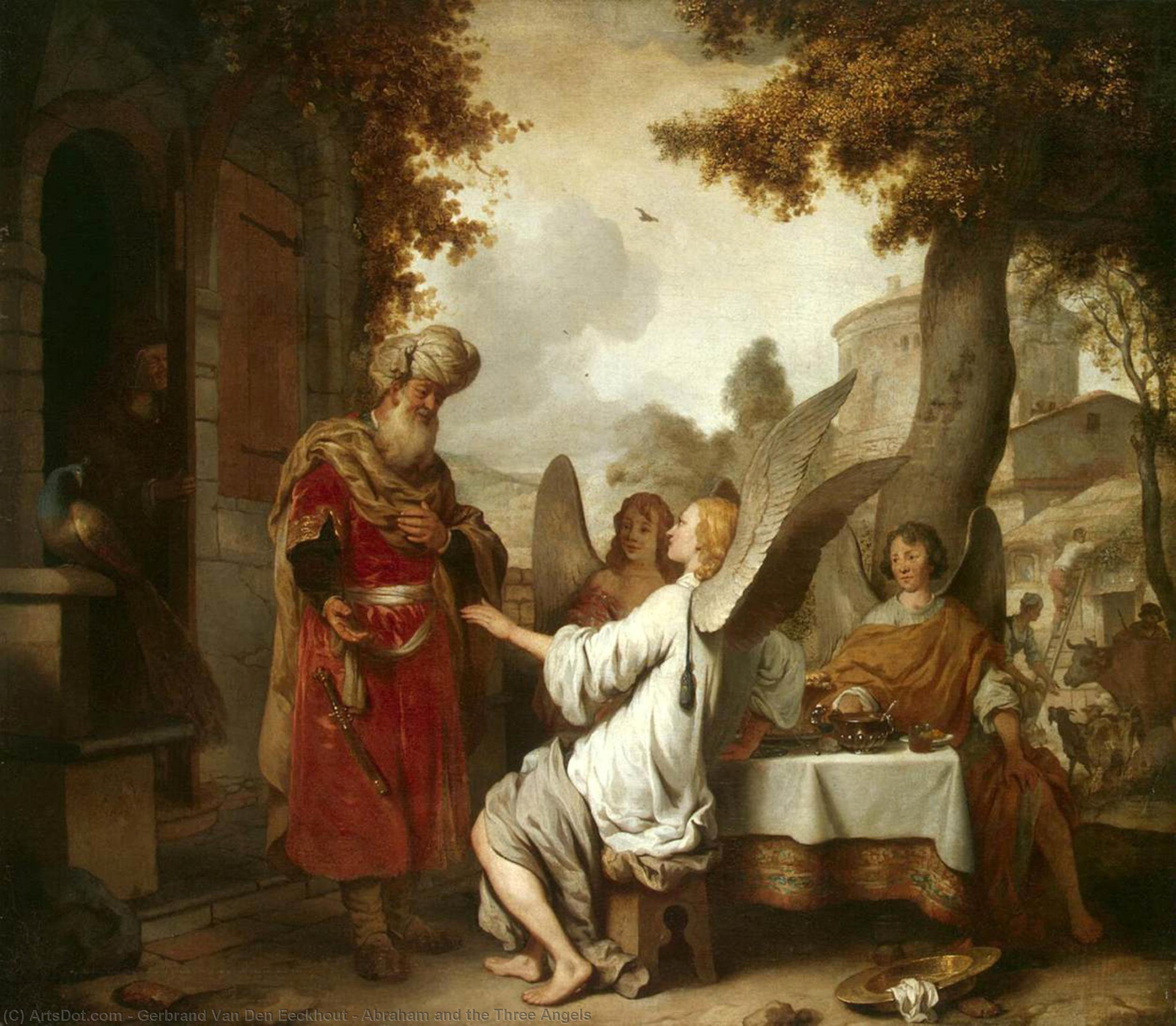
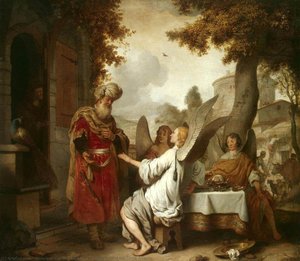
Abraham and the Three Angels
 Oil On Canvas
- WallArt
- Baroque
 1656
1656 71.0 x 82.0 cm
 エルミタージュ美術館
 詳細を見る
詳細を見る
オンラインプレビューをはるかに凌ぐ、高解像度で鮮明なデジタル画像をご購入いただけます。
各ファイルは、社内の専門家が高度なツールと熟練した手作業によるレタッチを用いて、細心の注意を払って準備されています。すべての画像において、卓越した鮮明度、正確な色彩再現性、そして繊細なディテールを保証いたします。
最終ファイルは、プロフェッショナルな編集・印刷環境ですぐにご利用いただけるよう最適化された状態で、72時間以内にメールにてお届けいたします。これは、一流のデザインスタジオ、出版社、ギャラリーから信頼されているものと同等の品質です。
デジタル画像のご注文に付随する特典
高品質なデジタル画像配信を、確かな品質で。
ArtsDot.com を選ぶことは、単に画像を手に入れることではありません。それは、プロの手によって精密に仕上げられ、満足保証が付いた高品質なデジタルアートワークを受け取ることを意味します。ご注文いただいた際に自動的に付随する内容は、以下の通りです:

メールですぐにお届け
ご注文から72時間以内に、高解像度のデジタル画像ファイルがメールでお手元に届きます。すぐにそのままご利用いただけます。

AI技術で最適化されたデジタルファイル
お客様の作品は、高度なAIツールと専門家による手作業の編集を組み合わせてプロフェッショナルに最適化されており、細部のディテール、鮮明さ、そして正確な色再現性を最大限に引き出しています。

一生涯無料の再送サービス
ファイルを誤って削除したり、紛失してしまったりしましたか?ご安心ください。いつでも無料で再送いたします。

輸入手数料は一切かかりません
関税や手数料、配送料を気にすることなく、お気に入りのアートワークをすぐにお楽しみいただけます。デジタルダウンロードは常に免税です。

色彩再現の保証
プロ仕様のツールとカラーマネジメント技術を用いることで、デジタル画像が元の色を最大限に忠実に再現することを保証いたします。

60日間満足保証
ご購入いただいたデジタル画像にご満足いただけない場合は、60日以内であれば、修正または100%の返金(理由を問う必要はありません)をさせていただきます。

100% 返金保証
ご満足いただけない場合は、デジタルファイルを受け取ってから60日以内であれば、理由を問わず全額返金いたします。

まとめ買い割引
3枚購入で10%OFF - 5枚購入で15%OFF - 10枚以上購入で20%OFF。クリエイティブなプロジェクト、ギャラリー、エージェンシーに最適です。
作品の詳細
Gerbrand van den Eeckhout’s ‘Abraham and the Three Angels’: A Baroque Masterpiece Illuminated by Rembrandt's Shadow
The artwork “Abraham and the Three Angels,” painted in 1656 by Gerbrand van den Eeckhout, stands as a testament to the profound influence of Rembrandt Harmenszoon van Rijn on Dutch Baroque painting. More than just a depiction of biblical narrative, it’s an exquisitely crafted visual experience—a window into the artistic sensibilities of its time and a showcase of masterful technique that continues to captivate audiences today. This detailed oil painting captures a pivotal moment from Genesis, portraying Abraham receiving divine visitors who herald the imminent birth of his son Isaac.- Subject Matter & Narrative: The scene unfolds with Abraham seated at his tent door, engaged in conversation with three angels—a figure representing God and two messengers—who announce that Sarah will conceive and bear a son despite her advanced age. This retelling of the biblical story is imbued with theological significance, emphasizing faith, divine providence, and the promise of redemption.
- Style & Composition: Characteristic of the Baroque period, “Abraham and the Three Angels” employs dramatic lighting—a technique heavily indebted to Rembrandt’s groundbreaking chiaroscuro—to sculpt form and heighten emotional impact. Diagonal lines dominate the composition, guiding the viewer's eye across the canvas and creating a sense of dynamism. The artist skillfully utilizes atmospheric perspective, subtly blurring distant elements to establish depth and reinforce the grandeur of the setting.
- Technique & Materials: Van den Eeckhout’s meticulous approach is evident in every brushstroke. He employs layering and glazing techniques—essential components of Baroque painting—to achieve luminous surfaces and nuanced tonal gradations. The artist's masterful handling of oil paints demonstrates an unparalleled understanding of color mixing and texture creation, resulting in a remarkably realistic portrayal of human anatomy and drapery.
- Symbolism & Artistic Influences: Beyond its biblical narrative, “Abraham and the Three Angels” resonates with symbolic representations of faith and divine grace. The angels embody God’s intervention in human affairs, while Abraham's humble posture underscores the importance of piety and submission to God’s will. Notably, Van den Eeckhout’s training under Rembrandt profoundly shaped his artistic vision—particularly his preoccupation with capturing light and conveying emotion—solidifying his place as Rembrandt’s most devoted student.
- Emotional Impact: The painting evokes a palpable sense of solemn contemplation and spiritual reverence. The artist's masterful use of color—primarily browns, reds, and golds—creates an atmosphere of warmth yet hints at underlying melancholy. The expressive gestures of the figures convey profound emotion, inviting viewers to contemplate themes of hope, faith, and divine compassion.
関連作品



作家の略歴
The Legacy of a Master's Protégé
In the vibrant, bustling heart of seventeenth-century Amsterdam, a period defined by unparalleled cultural and economic prosperity, the name Gerbrand van den Eeckhout emerged as a significant voice within the Dutch Golden Age. While history often casts him in the long, dramatic shadow of his mentor, the legendary Rembrandt van Rijn, to view Eeckhout merely as a student is to overlook the profound sensitivity and technical refinement he brought to the canvas. Born in 1621, Eeckhout was shaped by the very atmosphere of the Dutch Baroque, an era where light, texture, and human emotion were captured with a devotion that bordered on the divine. His journey was one of deep connection to the masters of his time, yet it was marked by a persistent effort to find a visual language that was uniquely his own.
The foundation of Eeckhout’s artistry was laid within the walls of Rembrandt’s studio. As an apprentice, he did not simply learn the mechanics of paint application; he absorbed a philosophy of observation. From Rembrandt, he inherited a reverence for the interplay of light and shadow, yet as his career matured, Eeckhout began to diverge from the heavy, dramatic chiaroscuro that defined his teacher's most famous works. Instead, he developed a preference for softer gradations of tone and a more delicate atmospheric perspective. This subtle shift allowed him to create scenes that felt less like theatrical confrontations and more like intimate, quiet moments captured in time, imbuing his subjects with a psychological depth that resonated with the burgeoning middle class of the Netherlands.
Mastery of Portraiture and Genre
Eeckhout’s oeuvre is a testament to his versatility, ranging from the solemnity of formal portraiture to the narrative charm of genre scenes. His portraits are celebrated for their remarkable realism, particularly in the way he rendered the tactile qualities of fabric, lace, and skin. He possessed an uncanny ability to translate the social standing and inner character of his sitters through understated visual cues. In works such as A Young Woman Reading, one can witness his mastery of mood; the light does not merely illuminate the subject but seems to wrap around her, creating a sense of contemplative solitude that draws the viewer into her private world.
Beyond the individual portrait, Eeckhout excelled in capturing the pulse of everyday life. His genre paintings often depicted biblical or historical narratives, yet he grounded these grand themes in the domestic reality of his era. This technique bridged the gap between the epic and the intimate, making the divine feel accessible and human. His ability to compose complex scenes with a sense of naturalistic flow remains one of his most significant achievements. Even when depicting larger groups, there is a rhythmic balance to his compositions that prevents chaos, guiding the eye through a carefully orchestrated landscape of light and shadow.
Historical Significance and Artistic Spirit
The historical importance of Gerbrand van den Eeckhout lies in his role as a bridge between the intense emotionalism of the early Baroque and the more refined, observational style that would characterize later Dutch art. He was an artist who understood the power of nuance. While he could evoke the grandeur of the past, his true strength lay in the subtle: the glint of light on a silver goblet, the soft fold of a linen sleeve, or the fleeting expression of a thought passing through a subject's mind.
Though his life ended in 1674, leaving behind a legacy that continues to fascinate historians and art lovers alike, Eeckhout remains a vital figure for understanding the evolution of Dutch painting. His work serves as a reminder that greatness is not always found in the loudest shadows, but often in the most delicate light. To study his paintings is to experience the soul of the Dutch Golden Age—a period where the boundaries between the mundane and the magnificent were beautifully blurred by the brush of a master.
gerbrand van den eeckhout
1621 - 1674 , Netherlands
プロフィール概要
- Artistic Movement Or Style: Dutch Baroque
- Artists Or Movements Influenced By This Artist: ['Dutch Portraiture']
- Artists Who Influenced This Artist: ['Rembrandt']
- Date Of Birth: 1621
- Full Name: Gerbrand van den Eeckhout
- Nationality: Dutch
- Notable Artworks:
- The Astronomer
- Portrait of a Young Man
- Place Of Birth: Amsterdam, Netherlands

