

 プレビュー
プレビュー
 プリントを購入
 シェアする
シェアする シェアする
シェアする
 詳細を見る
詳細を見る

 ダウンロード
 似ている作品
 X線調査
X線調査 スライドショー
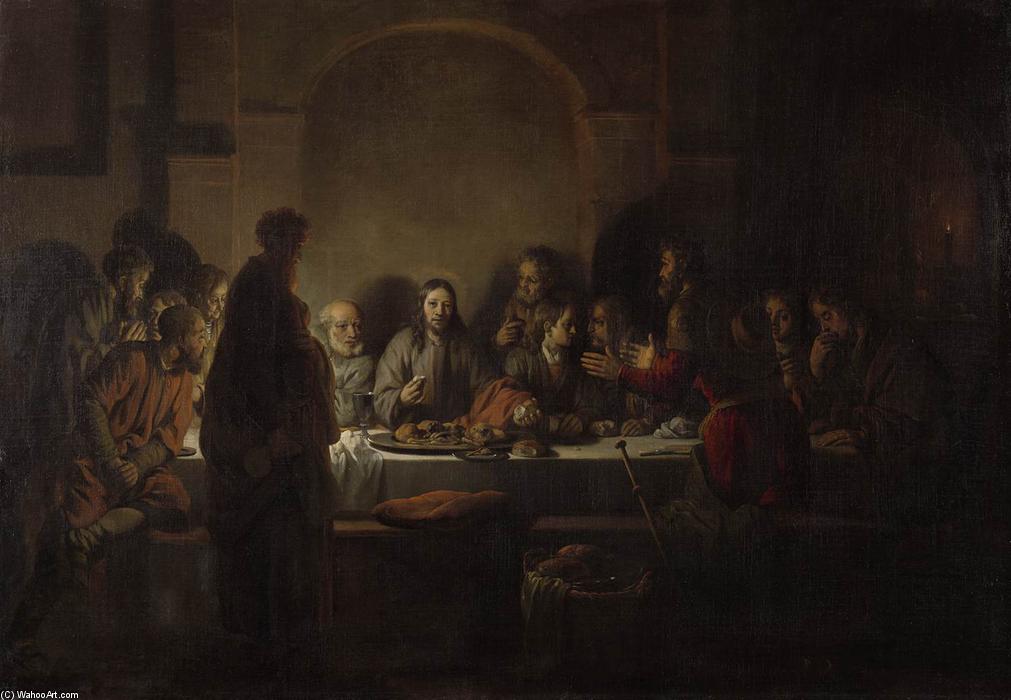
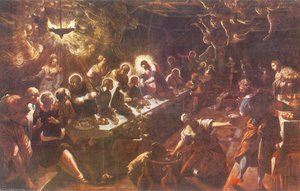
最後の聖餐式
 キャンバスに油彩
- ウォールアート
- Baroque
 1664
1664 100.0 x 142.0 cm
 国立美術館 (Rijksmuseum)
 詳細を見る
詳細を見る
オンラインプレビューをはるかに凌ぐ、高解像度で鮮明なデジタル画像をご購入いただけます。
各ファイルは、社内の専門家が高度なツールと熟練した手作業によるレタッチを用いて、細心の注意を払って準備されています。すべての画像において、卓越した鮮明度、正確な色彩再現性、そして繊細なディテールを保証いたします。
最終ファイルは、プロフェッショナルな編集・印刷環境ですぐにご利用いただけるよう最適化された状態で、72時間以内にメールにてお届けいたします。これは、一流のデザインスタジオ、出版社、ギャラリーから信頼されているものと同等の品質です。
デジタル画像のご注文に付随する特典
高品質なデジタル画像配信を、確かな品質で。
ArtsDot.com を選ぶことは、単に画像を手に入れることではありません。それは、プロの手によって精密に仕上げられ、満足保証が付いた高品質なデジタルアートワークを受け取ることを意味します。ご注文いただいた際に自動的に付随する内容は、以下の通りです:

メールですぐにお届け
ご注文から72時間以内に、高解像度のデジタル画像ファイルがメールでお手元に届きます。すぐにそのままご利用いただけます。

AI技術で最適化されたデジタルファイル
お客様の作品は、高度なAIツールと専門家による手作業の編集を組み合わせてプロフェッショナルに最適化されており、細部のディテール、鮮明さ、そして正確な色再現性を最大限に引き出しています。

一生涯無料の再送サービス
ファイルを誤って削除したり、紛失してしまったりしましたか?ご安心ください。いつでも無料で再送いたします。

輸入手数料は一切かかりません
関税や手数料、配送料を気にすることなく、お気に入りのアートワークをすぐにお楽しみいただけます。デジタルダウンロードは常に免税です。

色彩再現の保証
プロ仕様のツールとカラーマネジメント技術を用いることで、デジタル画像が元の色を最大限に忠実に再現することを保証いたします。

60日間満足保証
ご購入いただいたデジタル画像にご満足いただけない場合は、60日以内であれば、修正または100%の返金(理由を問う必要はありません)をさせていただきます。

100% 返金保証
ご満足いただけない場合は、デジタルファイルを受け取ってから60日以内であれば、理由を問わず全額返金いたします。

まとめ買い割引
3枚購入で10%OFF - 5枚購入で15%OFF - 10枚以上購入で20%OFF。クリエイティブなプロジェクト、ギャラリー、エージェンシーに最適です。
作品の詳細
ゲブランド・ファン・デン・エックハウトの最後の晩餐:レムランダの影響を受けたバロック絵画の傑作
ゲ ブランド・ファン・デン・エックハウトは、レンブラント・ハルムセンゾーン・ヴァン・リンに大きな影響を受けながら、オランダ黄金時代を代表する画家の一人です。彼の指導の下で洗練された観察力と光の表現技術を習得し、バロック絵画の伝統を守り続けた人物として知られています。特に彼の作品は、日常の情景を繊細に描き出しながらも、深い感情と精神性を表現することで、見る人に感動を与えます。 この最後の晩餐は、1664年に制作されたオランダ国立美術館にある傑作です。レンブラントの影響を受けたファン・デン・エックハウトは、光のコントラストを重視するのではなく、より柔らかく均質なトーンで絵画を描き分けました。これは、バロック美術の特徴でありながらも、彼の個性的な表現方法でもあります。彼は特に宗教的なテーマにおいて、人間の感情と精神性を深く掘り下げた作品を生み出し、当時の芸術家たちに大きな影響を与えました。この絵画は、聖書の物語である最後の晩餐を、洗練された技術と豊かな色彩で描き出しています。 ファン・デン・エックハウトのスタイルは、バロック美術の伝統を踏襲しておりながらも、レンブラントの影響を受けました。彼は特に光の表現において、レンブラントと同様に驚くべき技巧を用いています。彼の作品は、細部まで緻密に描き込まれており、まるで生きているかのようなリアリティがあります。この絵画は、聖書の物語である最後の晩餐を、宗教的なテーマとして捉え、人間の感情と精神性を表現しています。彼は特に光の表現において、レンブラントと同様に驚くべき技巧を用いています。彼の作品は、細部まで緻密に描き込まれており、まるで生きているかのようなリアリティがあります。 この絵画は、聖書の物語である最後の晩餐を、宗教的なテーマとして捉え、人間の感情と精神性を表現しています。彼は特に光の表現において、レンブラントと同様に驚くべき技巧を用いています。彼の作品は、細部まで緻密に描き込まれており、まるで生きているかのようなリアリティがあります。この絵画は、聖書の物語である最後の晩餐を、宗教的なテーマとして捉え、人間の感情と精神性を表現しています。彼は特に光の表現において、レンブラントと同様に驚くべき技巧を用いています。彼の作品は、細部まで緻密に描き込まれており、まるで生きているかのようなリアリティがあります。 この絵画は、聖書の物語である最後の晩餐を、宗教的なテーマとして捉え、人間の感情と精神性を表現しています。彼は特に光の表現において、レンブラントと同様に驚くべき技巧を用いています。彼の作品は、細部まで緻密に描き込まれており、まるで生きているかのようなリアリティがあります。この絵画は、聖書の物語である最後の晩謝罪を、宗教的なテーマとして捉え、人間の感情と精神性を表現しています。彼は特に光の表現において、レンブラントと同様に驚くべき技巧を用いています。彼の作品は、細部まで緻密に描き込まれており、まるで生きているかのようなリアリティがあります。 この絵画は、聖書の物語である最後の晩餐を、宗教的なテーマとして捉え、人間の感情と精神性を表現しています。彼は特に光の表現において、レンブラントと同様に驚くべき技巧を用いています。彼の作品は、細部まで緻密に描き込まれており、まるで生きているかのようなリアリティがあります。この絵画は、聖書の物語である最後の晩餐を、宗教的なテーマとして捉え、人間の感情と精神性を表現しています。彼は特に光の表現において、レンブラントと同様に驚くべき技巧を用いています。彼の作品は、細部まで緻密に描き込まれており、まるで生きているかのようなリアリティがあります。関連作品




作家の略歴
The Legacy of a Master's Protégé
In the vibrant, bustling heart of seventeenth-century Amsterdam, a period defined by unparalleled cultural and economic prosperity, the name Gerbrand van den Eeckhout emerged as a significant voice within the Dutch Golden Age. While history often casts him in the long, dramatic shadow of his mentor, the legendary Rembrandt van Rijn, to view Eeckhout merely as a student is to overlook the profound sensitivity and technical refinement he brought to the canvas. Born in 1621, Eeckhout was shaped by the very atmosphere of the Dutch Baroque, an era where light, texture, and human emotion were captured with a devotion that bordered on the divine. His journey was one of deep connection to the masters of his time, yet it was marked by a persistent effort to find a visual language that was uniquely his own.
The foundation of Eeckhout’s artistry was laid within the walls of Rembrandt’s studio. As an apprentice, he did not simply learn the mechanics of paint application; he absorbed a philosophy of observation. From Rembrandt, he inherited a reverence for the interplay of light and shadow, yet as his career matured, Eeckhout began to diverge from the heavy, dramatic chiaroscuro that defined his teacher's most famous works. Instead, he developed a preference for softer gradations of tone and a more delicate atmospheric perspective. This subtle shift allowed him to create scenes that felt less like theatrical confrontations and more like intimate, quiet moments captured in time, imbuing his subjects with a psychological depth that resonated with the burgeoning middle class of the Netherlands.
Mastery of Portraiture and Genre
Eeckhout’s oeuvre is a testament to his versatility, ranging from the solemnity of formal portraiture to the narrative charm of genre scenes. His portraits are celebrated for their remarkable realism, particularly in the way he rendered the tactile qualities of fabric, lace, and skin. He possessed an uncanny ability to translate the social standing and inner character of his sitters through understated visual cues. In works such as A Young Woman Reading, one can witness his mastery of mood; the light does not merely illuminate the subject but seems to wrap around her, creating a sense of contemplative solitude that draws the viewer into her private world.
Beyond the individual portrait, Eeckhout excelled in capturing the pulse of everyday life. His genre paintings often depicted biblical or historical narratives, yet he grounded these grand themes in the domestic reality of his era. This technique bridged the gap between the epic and the intimate, making the divine feel accessible and human. His ability to compose complex scenes with a sense of naturalistic flow remains one of his most significant achievements. Even when depicting larger groups, there is a rhythmic balance to his compositions that prevents chaos, guiding the eye through a carefully orchestrated landscape of light and shadow.
Historical Significance and Artistic Spirit
The historical importance of Gerbrand van den Eeckhout lies in his role as a bridge between the intense emotionalism of the early Baroque and the more refined, observational style that would characterize later Dutch art. He was an artist who understood the power of nuance. While he could evoke the grandeur of the past, his true strength lay in the subtle: the glint of light on a silver goblet, the soft fold of a linen sleeve, or the fleeting expression of a thought passing through a subject's mind.
Though his life ended in 1674, leaving behind a legacy that continues to fascinate historians and art lovers alike, Eeckhout remains a vital figure for understanding the evolution of Dutch painting. His work serves as a reminder that greatness is not always found in the loudest shadows, but often in the most delicate light. To study his paintings is to experience the soul of the Dutch Golden Age—a period where the boundaries between the mundane and the magnificent were beautifully blurred by the brush of a master.
gerbrand van den eeckhout
1621 - 1674 , Netherlands
プロフィール概要
- Artistic Movement Or Style: Dutch Baroque
- Artists Or Movements Influenced By This Artist: ['Dutch Portraiture']
- Artists Who Influenced This Artist: ['Rembrandt']
- Date Of Birth: 1621
- Full Name: Gerbrand van den Eeckhout
- Nationality: Dutch
- Notable Artworks:
- The Astronomer
- Portrait of a Young Man
- Place Of Birth: Amsterdam, Netherlands

