

 プレビュー
プレビュー
 プリントを購入
 シェアする
シェアする シェアする
シェアする
 詳細を見る
詳細を見る

 ダウンロード
 似ている作品
 X線調査
X線調査 スライドショー
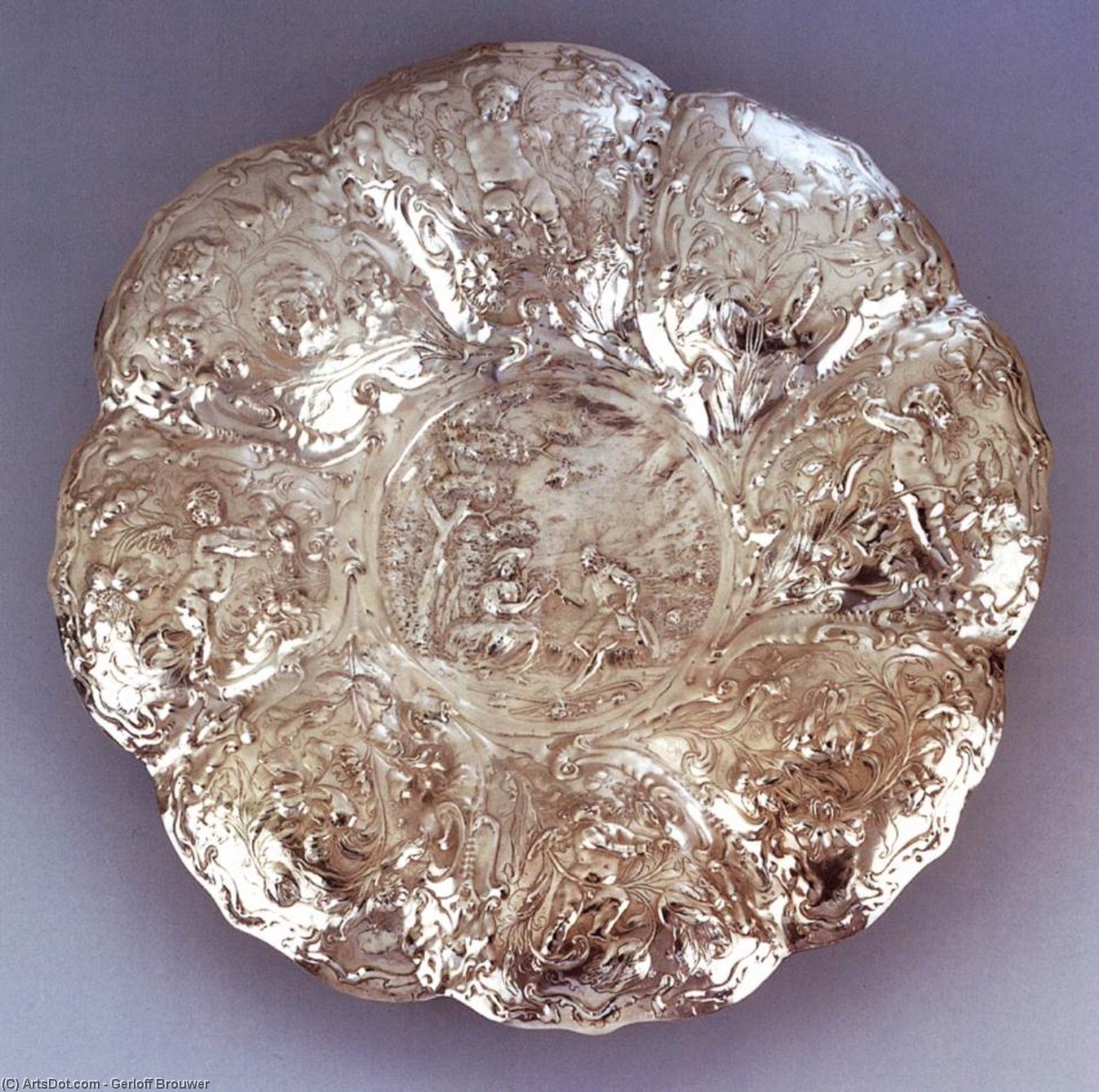
Bowl
 Oil
Oil- WallArt
- Dutch Golden Age
 1661
1661 45.0 x 45.0 cm
 国立美術館 (Rijksmuseum)
 詳細を見る
詳細を見る
オンラインプレビューをはるかに凌ぐ、高解像度で鮮明なデジタル画像をご購入いただけます。
各ファイルは、社内の専門家が高度なツールと熟練した手作業によるレタッチを用いて、細心の注意を払って準備されています。すべての画像において、卓越した鮮明度、正確な色彩再現性、そして繊細なディテールを保証いたします。
最終ファイルは、プロフェッショナルな編集・印刷環境ですぐにご利用いただけるよう最適化された状態で、72時間以内にメールにてお届けいたします。これは、一流のデザインスタジオ、出版社、ギャラリーから信頼されているものと同等の品質です。
デジタル画像のご注文に付随する特典
高品質なデジタル画像配信を、確かな品質で。
ArtsDot.com を選ぶことは、単に画像を手に入れることではありません。それは、プロの手によって精密に仕上げられ、満足保証が付いた高品質なデジタルアートワークを受け取ることを意味します。ご注文いただいた際に自動的に付随する内容は、以下の通りです:

メールですぐにお届け
ご注文から72時間以内に、高解像度のデジタル画像ファイルがメールでお手元に届きます。すぐにそのままご利用いただけます。

AI技術で最適化されたデジタルファイル
お客様の作品は、高度なAIツールと専門家による手作業の編集を組み合わせてプロフェッショナルに最適化されており、細部のディテール、鮮明さ、そして正確な色再現性を最大限に引き出しています。

一生涯無料の再送サービス
ファイルを誤って削除したり、紛失してしまったりしましたか?ご安心ください。いつでも無料で再送いたします。

輸入手数料は一切かかりません
関税や手数料、配送料を気にすることなく、お気に入りのアートワークをすぐにお楽しみいただけます。デジタルダウンロードは常に免税です。

色彩再現の保証
プロ仕様のツールとカラーマネジメント技術を用いることで、デジタル画像が元の色を最大限に忠実に再現することを保証いたします。

100日間満足保証
ご購入いただいたデジタル画像にご満足いただけない場合は、100日以内であれば、理由を問わず修正または100%の返金対応をさせていただきます。

100% 返金保証
ご満足いただけない場合は、デジタルファイルを受け取ってから100日以内であれば、理由を問わず全額返金いたします。

まとめ買い割引
3枚購入で10%OFF - 5枚購入で15%OFF - 10枚以上購入で20%OFF。クリエイティブなプロジェクト、ギャラリー、エージェンシーに最適です。
A Silvered Echo of Domesticity: Gerloff Brouwer’s “Bowl”
The Rijksmuseum in Amsterdam holds within its walls a treasure of the Dutch Golden Age – Gerloff Brouwer's "Bowl," painted in 1661. More than just a vessel for sustenance, this piece is a meticulously crafted meditation on wealth, status, and the quiet beauty of everyday life. It’s a window into a world where silver was not merely metal but a symbol of prosperity and refined taste, reflecting the burgeoning mercantile power of the Dutch Republic.
Brouwer's work belongs to a flourishing tradition of still-life painting that emerged during this period. Unlike earlier depictions of fruit or flowers, these scenes often centered on domestic objects – tableware, linens, and personal adornments – arranged with an almost theatrical precision. “Bowl” exemplifies this trend, presenting a carefully composed arrangement designed not just for visual appeal but also to convey a sense of order and refinement. The composition is remarkably balanced, drawing the eye through swirling patterns and subtle contrasts in light and shadow.
The Language of Silver and Form
Crafted from highly polished silver – a material prized for its luster and durability – the bowl itself is a testament to Brouwer’s technical skill. The surface gleams with an almost ethereal quality, reflecting the ambient light and creating a sense of depth and dimension. Notice the intricate detailing: the delicate curves of the rim, the subtle variations in texture that suggest the material's inherent irregularities, and the precise rendering of the swirling motifs adorning its surface.
These patterns aren’t merely decorative; they likely represent a stylized interpretation of floral or organic forms – a common motif during this era. The choice of silver itself speaks volumes about the owner’s status. During the Dutch Golden Age, owning such an object signified considerable wealth and social standing. It was a deliberate statement of prosperity and a reflection of the family's position within the burgeoning merchant class.
Symbolism in Stillness
Beyond its material value, “Bowl” is rich with symbolic meaning. The bowl itself represents containment – holding not just food or drink but also ideas of abundance and hospitality. It’s a stage for domestic rituals, a focal point within the home where family members gathered to share meals and converse. The arrangement of objects around it—a subtle suggestion of fruit and perhaps even a partially consumed beverage—hints at the pleasures of daily life, the simple joys of nourishment and companionship.
Furthermore, the bowl’s polished surface reflects an idealised vision of domesticity – a carefully curated space where beauty, order, and refinement reigned supreme. It's a snapshot of a world striving for balance between material wealth and spiritual contentment, a theme prevalent in Dutch art of the period.
A Legacy Preserved
Today, “Bowl” resides within the Rijksmuseum’s permanent collection, meticulously conserved to ensure its survival for future generations. Its presence offers a tangible connection to the artistic and cultural landscape of 17th-century Holland. Reproductions, like those offered by ArtsDot.com, allow us to experience this remarkable work of art in our own homes, bringing a touch of Dutch Golden Age elegance into contemporary spaces.
Consider how its refined lines and shimmering surface can complement a variety of interior design styles – from classic and traditional to modern and minimalist. “Bowl” is more than just a painting; it’s an invitation to appreciate the beauty of craftsmanship, the power of symbolism, and the enduring legacy of Dutch artistic achievement.
関連作品


作家の略歴
The Quiet Brilliance of Gerloff Brouwer
In the heart of the Dutch Golden Age, a period defined by unparalleled prosperity and artistic explosion, the name Gerloff Brouwer resonates with the delicate precision of a master craftsman. Born in 1627 in the maritime city of Sneek, Friesland, Brouwer emerged from a landscape of burgeoning trade and cultural refinement to become a pivotal figure in the evolution of still life painting. While much of his early life remains veiled by the mists of history, his artistic legacy is vividly preserved through canvases that breathe with a sense of domestic tranquility and profound technical mastery. His work does not merely depict objects; it captures a fleeting moment of perfection, frozen in time through the meticulous application of light and shadow.
The foundation of Brouwer’s extraordinary skill can be traced back to his formative years under the tutelage of Willem van Hoegaarden. As a prominent painter from Haarlem, Van Hoegaerbden provided Brouwer with a rigorous education in the essential pillars of Dutch realism: perspective and chiaroscuro. This apprenticeship was transformative, instilling in the young artist a reverence for the interplay between light and darkness—a technique that would allow him to sculpt forms out of the shadows and imbue his subjects with a palpable, three-dimensional presence. Through this training, Brouwer learned to manipulate illumination to guide the viewer's eye, creating a sense of depth that makes his compositions feel as though they could be reached out and touched.
A Symphony of Texture and Symbolism
Brouwer’s true genius flourished in his ability to transform mundane household items into extraordinary subjects of contemplation. He achieved international renown for his sophisticated arrangements of bowls, tableware, and fine silverwork. These were not simple displays of wealth, but carefully orchestrated narratives designed to evoke a sense of abundance and harmony. In works such as his celebrated 'Bowl' (1661), one can observe the breathtaking complexity of his technique. He possessed an uncanny ability to recreate the reflective surfaces of polished pewter and the intricate, swirling patterns of silver, making the cold metal appear fluid and alive under a soft, directional light.
Beyond the sheer technical virtuosity, Brouwer’s paintings are deeply layered with the cultural values of the 17th-century Dutch Republic. His compositions often featured:
- Meticulously rendered fruits and flowers that served as symbols of life's fleeting beauty and the bounty of nature.
- Exquisite fabrics and linens, draped with a naturalistic weight that showcased his mastery of texture.
- Reflective surfaces that acted as mirrors to the world around them, adding layers of visual complexity and light.
Every element within his still lifes was chosen to contribute to a larger theme of domestic stability and the quiet dignity of everyday life. By focusing on the beauty found in the small, well-crafted objects of a household, Brouwer elevated the concept of the "still life" from mere decoration to a profound meditation on existence and the ephemeral nature of material wealth.
Legacy of a Dutch Master
Though his life ended in 1676, leaving behind a body of work that continues to captivate historians and art lovers alike, Gerloff Brouwer’s impact on the trajectory of European art remains undeniable. He helped define a specific genre of Dutch painting that prioritized observation over imagination, paving the way for future generations of still life specialists. His ability to marry the scientific precision of light with an emotional resonance of peace and plenty ensured his place among the most celebrated painters of his era. Today, his works serve as luminous windows into the soul of the Dutch Golden Age, reminding us of a time when even the simplest bowl could hold the weight of the world's beauty.

gerloff brouwer
1627 - 1676 , Netherlands
プロフィール概要
- Artistic Movement Or Style: Dutch Golden Age
- Artists Or Movements Influenced By This Artist: ['Baroque']
- Artists Who Influenced This Artist: ['Jan Steen']
- Date Of Birth: 1627
- Full Name: Gerloff Brouwer
- Nationality: Dutch
- Notable Artworks: ['Bowl with Fruit and Flowers']
- Place Of Birth: Sneek, Netherlands