 プレビュー
プレビュー
 プリントを購入
 シェアする
シェアする シェアする
シェアする
 詳細を見る
詳細を見る

 ダウンロード
 似ている作品
 X線調査
X線調査 スライドショー
The Virgin of Sorrows


 詳細を見る
詳細を見る




P118B $10

P118H $10

P118W $10

P438Z $10

P508JH $12

P508YH $12

P805H $10

P805Z $10

P919BZ $10

P919G $10

P919XJ $10

P959ZH $10

P968JZ $12

W106C $8

W218G $10

W218JH $8

W218Y $10

W307PJ $10

W316G $10

W316PJ $8

W316Y $10

W398PJ $8

W4111J $10

W500HY $15

W500JH $15

W692G $12

W849H $8

W940BG $15

W953PJ $8




作品のオリジナル比率に合わせた、当店の規定サイズからお選びください。

特定のフレームやスペースに合わせて、ご希望のサイズをご入力いただけます。選択されたサイズが元の画像の比率と異なる場合、アートワークをトリミングするか、手描きで要素を追加して絵画を拡張いたします。デジタルモックアップ を制作し、制作開始前にご確認(承認)をいただきます。
画面上のプレビューは、実際のトリミングや拡張を正確に反映しているものではありません。最終的な構図は、モックアップによってのみ正確にご確認いただけます。
カスタムサイズもご利用いただけますが、元の比率を維持するためには、あらかじめ用意されたリストからサイズを選択することをお勧めいたします。
ご注文後、ArtsDot.com チームより詳細な指示をお送りするとともに、仕上がりイメージ(モックアップ)をご提供いたします。


 ガラスオプションは、110cm未満のサイズでのみご利用いただけます。

The Virgin of Sorrows
複製技法
複製画のサイズ
-


合計金額
$ 263
作品解説
The Weight of Sorrow: Germain Pilon’s ‘The Virgin of Sorrows’
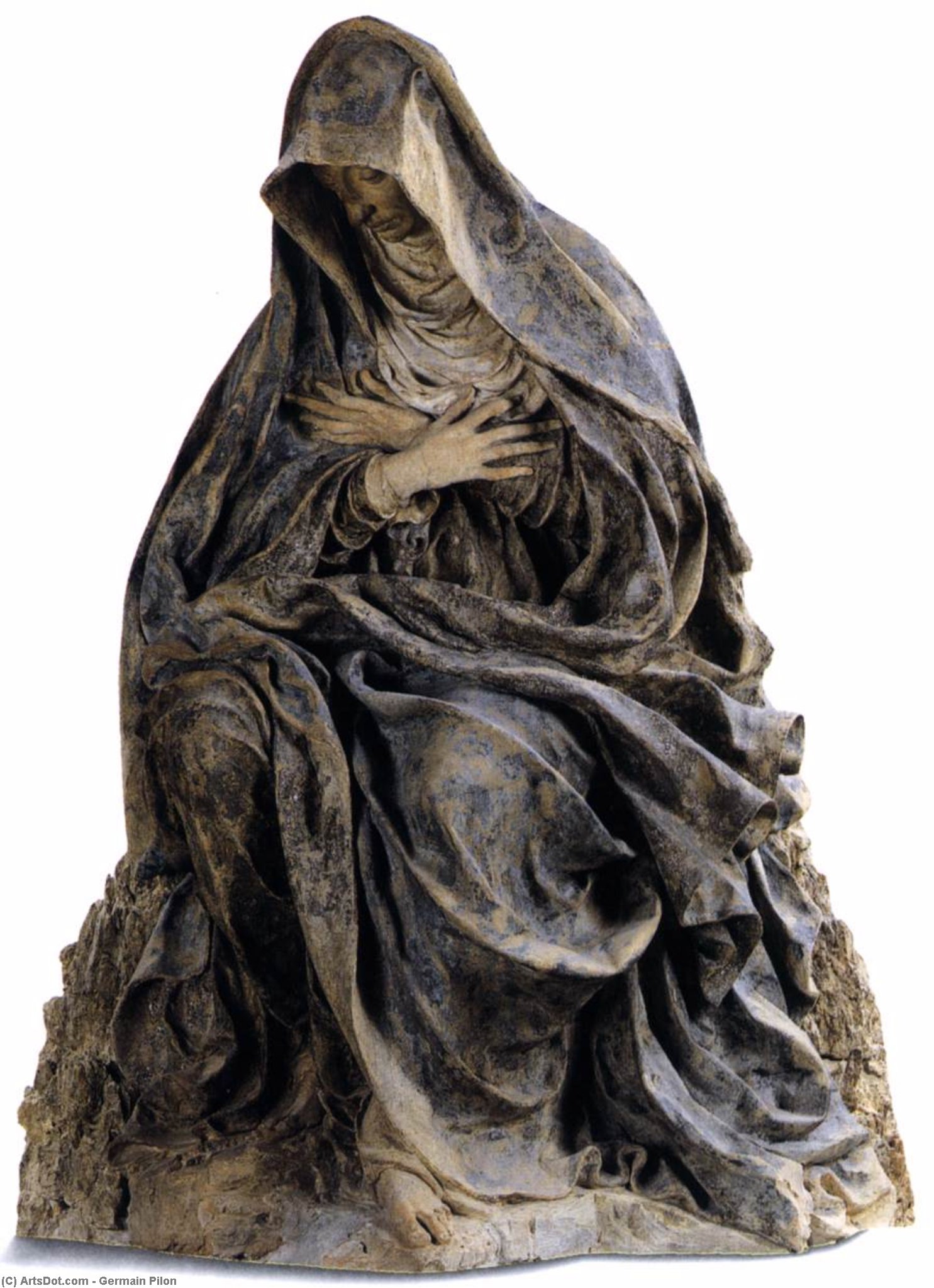
Germain Pilon's “The Virgin of Sorrows,” painted around 1580, isn’t merely a depiction of the biblical Mary; it’s an embodiment of profound grief and maternal anguish rendered with startling realism and emotional depth. This terracotta sculpture, now residing in the Louvre Museum, transcends its humble material to become a powerful meditation on suffering – a cornerstone of Renaissance art's exploration of human emotion and religious devotion. Pilon, a sculptor deeply rooted in the artistic currents of Fontainebleau, skillfully blended influences from the late Gothic tradition with the burgeoning dynamism of Mannerism, creating an image that is both familiar and unsettlingly intimate.
The sculpture immediately draws the viewer’s eye to Mary's posture – slumped, head bowed, hands clasped together in a gesture of supplication or quiet despair. Her drapery, voluminous and swirling, isn’t simply decorative; it actively conveys her sorrow, mimicking the turbulent emotions within. The folds cascade downwards, mirroring the weight of her grief and creating a sense of instability, as if she might collapse under the burden of her loss. Pilon's mastery lies in his ability to imbue this seemingly simple pose with an overwhelming sense of pathos – a testament to his understanding of human psychology and his skill in translating it into sculpted form.
A Renaissance Echo: Context and Influences
Pilon’s work emerged during a period of intense religious and political upheaval in France. The Valois dynasty, marked by succession crises and devastating wars, had left an indelible scar on the nation's psyche. Catherine de Medici, Queen Mother and patron of the arts, commissioned numerous works to commemorate her deceased sons and consolidate her family’s legacy – a poignant reflection of the constant threat of loss that permeated royal life. This context profoundly shaped Pilon’s artistic vision; his sculptures weren’t simply religious icons but also powerful symbols of mourning and remembrance.
The sculpture's style is deeply influenced by the Fontainebleau School, known for its elegant forms, rich colors, and dramatic use of light and shadow. However, Pilon departs from the idealized beauty often associated with this school, opting instead for a more raw and emotionally charged representation of Mary’s suffering. There’s an undeniable connection to Michelangelo's work, particularly his Pietà, evident in the pyramidal composition and the expressive rendering of human anatomy – though Pilon imbues these elements with a distinctly French sensibility.
Symbolism and the Seven Sorrows
“The Virgin of Sorrows” is inextricably linked to the concept of the “Seven Sorrows,” a popular devotion within Catholic tradition. These sorrows represent key moments in Mary’s life – from the prophecy of Simeon foretelling her son's suffering, through the flight into Egypt, the loss of Jesus in the Temple, and culminating in his crucifixion and burial. The sculpture subtly alludes to these events, inviting viewers to contemplate the depth of Mary’s pain.
The most striking element is undoubtedly the depiction of Mary holding a lance – a direct reference to the spear that pierced her heart at Christ's crucifixion. This visual symbol powerfully conveys the intensity of her grief and serves as a potent reminder of the sacrifice she endured for humanity. The sculpture’s muted color palette—earth tones dominating the robe—further emphasizes the somber mood, reinforcing the sense of profound sorrow.
A Timeless Expression of Maternal Grief
“The Virgin of Sorrows” remains a profoundly moving work of art centuries after its creation. Pilon's ability to capture such intense emotion in terracotta is remarkable, and the sculpture’s enduring appeal lies in its universal themes of loss, grief, and maternal love. It speaks to the shared human experience of sorrow—a reminder that even amidst suffering, there can be a profound sense of dignity and grace. Reproductions of this piece offer a powerful way to bring this timeless expression of maternal grief into any space, serving as both an artistic statement and a poignant meditation on the complexities of the human heart.
関連作品
アーティストの略歴
ジェルマン・ピロン(1528–1590):感情とフォンテーヌブローを刻んだ彫刻家
フランス・ルネサンス彫刻史において、ゴシックの伝統とバロックの壮麗な美学を繋ぐ架け橋となった最も重要な人物の一人が、ジェルマン・ピロンです。パリに生まれた彼は(近年の研究では1528年頃とされています)、彫刻制作を専門とする工房を営んでいた父アントワーヌ・ピロンから芸術的才能を受け継ぎました。この家族の遺産は、ピロンの形成期に深い影響を与え、当時の技法や美意識を彼に深く浸透させました。初期の記録によれば、彼は父と共に記念碑的な宗教彫像や墓碑制作に従事しており、当時の主流であった芸術的潮流に、極めて早い段階から身を投じていたことが伺えます。- 黎明期の修行と共作: アントワー政ピロンの工房は、石造彫刻を精緻に作り上げるための計り知れない経験をピロンに与え、その後の彼のキャリアを決定づける卓越した技術を育みました。父との共作を通じて培われた彫刻家としての深い洞察力は、彼が将来成し遂げる偉大な業績の揺るぎない礎となったのです。
- フォンテーヌブロー派の影響: 同世代の多くの彫刻家と同様に、ピロンもまたミケランジェロの工房の流れを汲む「フォンテーヌブロー派」から多大な影響を受けました。解剖学的な正確さと演劇的な感情表現を重んじるこの様式は、彼の後の作品の中に鮮明に現れています。人物像は驚くべき写実性をもって描き出され、深い心理的奥行きを感じさせる表情豊かな身振りによって、生命が吹き込まれているのです。
輝かしい依頼と独自の芸術様式
ピロンはその類まれな技術と芸術的ヴィジョンによって、瞬く間にその名を轟かせました。ジャン・グジョンと共に手掛けたサン=ドニ大聖堂のフランソワ1世の墓の装飾は、彼のキャリアにおける決定的な転換点となり、フランスを代表する彫刻家としての地位を不動のものにしました。この記念碑的なプロジェクトは、宗教的図像が持つ荘厳さと厳粛さを捉えつつ、同時に革新的な彫刻技法を追求しようとしたピロンの情熱を象徴しています。その後も、1564年に完成したサン=ドニのアンリ2世の墓をはじめとする重要な依頼が続き、複雑な物語を説得力のある視覚的表現へと昇華させる彼の才能を証明し続けました。- サン=ドニの墓: この作品はピロンの最高傑作の一つとされており、大理石彫刻における彼の熟練した技量を示すとともに、解剖学的な精密さと劇的な感情表現を追求したフォンテーヌブロー派の精神を体現しています。
- ディアナと鹿の浮彫: ディアーヌ・ド・ポワティエのために制作されたこのレリーフは、ピロンの彫刻様式の際立った例です。粗い質感と表現力豊かなポーズが、ダイナミズムと心理的な緊張感を見事に伝えています。
偉大な功績と受け継がれる遺産
ピロンがフランス芸術に果たした貢献は、壮大な墓碑制作に留まりませんでした。彼は肖像彫刻やメダルデザインにおいても卓越した才能を発揮し、王侯貴族の姿を情感豊かに描き出しました。特にアンリ2世とカトリーヌ・ド・メディシスのブロンズ胸像は、ルネサンス期の優雅さと芸術的達成を象徴するアイコンとして今なお語り継がれています。さらに、ピエール・ボンタンとの交流は、当時のパリの芸術界を豊かにする共創の精神を育みました。彼は彫刻という形の中に人間の感情の本質を捉える術に長けており、マニエリスム美学の旗手としてその名を刻みました。写実性と演劇性を追求した次世代の彫刻家たちへの影響は計り知れず、彼の遺産は今日においてもなお、畏敬の念と学術的な探求の対象であり続けています。主要作品
- キリストの復活(ルーヴル美術館)
- ディアナと鹿(ルーヴル美術館)
- アンリ2世とカトリーヌ・ド・メディシの墓(サン=ドニ大聖堂)
- 哀悼(ブロンズ彫刻)
ジェルマン・ピロンの彫刻は、ルネサンス精神の不朽の記念碑です。それは芸術的革新、技術的な妙技、そして人間が抱く感情への深い洞察が結実した、永遠の証なのです。
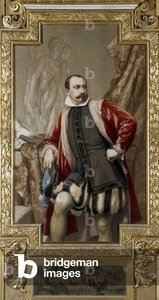
ジェルマン・ピロン
1528 - 1590 , フランス
基本情報
- Artistic Movement Or Style: マニエリスム
- Artists Or Movements Influenced By This Artist: ['ルネサンス彫刻']
- Artists Who Influenced This Artist:
- ミケランジェロ
- フォンテーヌブロー派
- Date Of Birth: 1525年頃
- Date Of Death: 1590年
- Full Name: ジェルマン・ピロン
- Nationality: フランス
- Notable Artworks:
- キリストの復活
- 鹿とダイアナ
- アンリ2世とカトリーヌ・ド・メディシの墓
- Place Of Birth: フランス、パリ
関連記事

Bronze Sculptures That Defined Art History | ArtsDot
Journey through art history with our Top 10 bronze sculptures! Explore masterpieces by Rodin, Michelangelo & more. Discover stories behind iconic statues and find museum-quality reproductions for your home decor at ArtsDot.com.
The Enduring Allure of Marble in Art History: From Classical Sculpture to Modern Abstraction
Explore the captivating history of marble sculpture from ancient Greece to modern art. Discover renowned artists like Canova & Michelangelo, carving techniques, and investment insights at ArtsDot.

The Enduring Form: Exploring Themes & Techniques in Sculpture Across Historical Periods
Explore the rich history of sculpture from ancient masterpieces to contemporary innovations. Discover key techniques, influential artists & investment potential for discerning art collectors.

The Enduring Form: Sculpture Across History, Technique & Emotional Resonance
Explore the rich history of sculpture with ArtsDot. Discover key techniques, influential artists & investment potential for discerning collectors. Expert insights into valuing and collecting timeless masterpieces.

Bronze Age to Modern Masters: 10 Sculptures That Redefined Art | ArtsDot
Journey through art history with 10 legendary bronze sculptures – from Michelangelo's David to Rodin’s Thinker. Explore the stories, techniques & timeless beauty of these masterpieces. Find museum-quality reproductions & elevate your home decor on ArtsDot.com.