

 プレビュー
プレビュー
 シェアする
シェアする シェアする
シェアする
 詳細を見る
詳細を見る

 ダウンロード
 似ている作品
 X線調査
X線調査 スライドショー
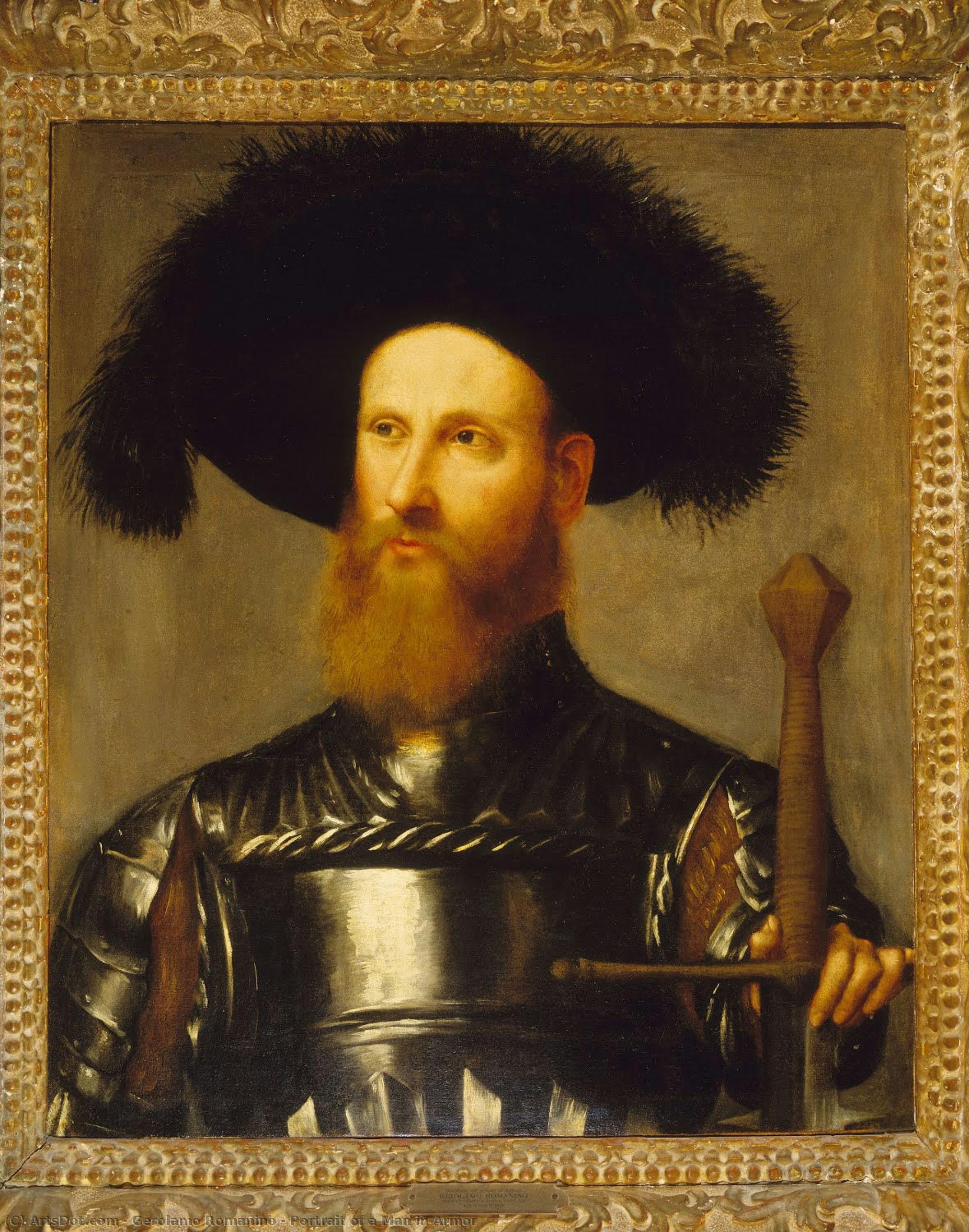
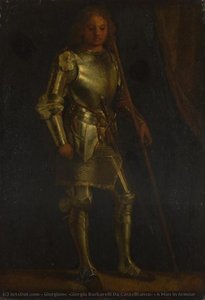
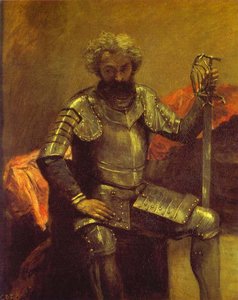
Portrait of a Man in Armor
 High Renaissance
 1514
1514 116.0 x 105.0 cm
 ニューオーリンズ美術館
 詳細を見る
詳細を見る
ジークレー/アートプリント
迅速な制作と多彩な仕上げオプションを備えた、ミュージアムクオリティのジークレーまたはキャンバスプリント。 ( 手描きの絵画を購入 画像を購入)




































作品のオリジナル比率に合わせた、当店の規定サイズからお選びください。

特定のフレームやスペースに合わせて、ご自身でサイズを指定することも可能です。選択されたサイズが元の画像の比率と一致しない場合、作品をトリミングするか、鏡面反射または単色での塗りつぶしによって画像を拡張いたします。制作を開始する前に、ご確認用のデジタルモックアップをお送りいたします。
画面上のプレビューには、実際のトリミングや拡張は反映されませんのでご注意ください。最終的な構図を正確に確認できるのは、モックアップのみとなります。
カスタムサイズも承っておりますが、元の比率を維持するためには、あらかじめ用意されたリストからサイズを選択することをお勧めいたします。


 ガラスオプションは、110cm未満のサイズでのみご利用いただけます。

Portrait of a Man in Armor
ジークレー/アートプリント
複製画のサイズ
-


合計金額
$ 62
関連作品
アーティストの略歴
A Lombard Master of Dramatic Emotion: The Life and Art of Gerolamo Romanino
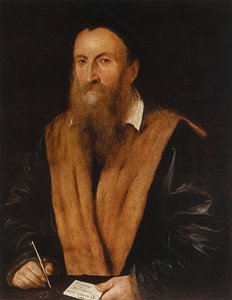
Gerolamo Romanino, a name perhaps less instantly recognizable than those of his High Renaissance contemporaries like Leonardo or Michelangelo, nevertheless occupies a vital position in the artistic landscape of 16th-century Italy. Born in Brescia – though precise dates remain elusive – Romanino emerged as one of the most compelling and emotionally charged painters of the Lombard school. His career unfolded during a period of significant political upheaval and religious ferment, factors that profoundly shaped his distinctive style. While biographical details are scarce, piecing together the fragments reveals an artist deeply engaged with both the classical traditions and the burgeoning humanism of his time, yet ultimately forging a path uniquely his own. He was known under several variations of his name: Girolamo Di Romano, Girolamo Romani, Girolamo Rumani, and Hieronymus De Brescia, reflecting the regional nuances of artistic attribution in that era.Early Influences and Artistic Development
Romanino’s early training remains somewhat shrouded in mystery. It is believed he initially worked alongside his father, Giovanni Battista Romanino, also a painter, absorbing the fundamentals of technique and composition. However, the young artist quickly outgrew these familial influences, seeking broader inspiration from the artistic currents flowing through Northern Italy. The impact of Mantegna’s powerful draftsmanship and dramatic perspective is evident in Romanino's early works, as is the influence of Leonardo da Vinci’s *sfumato* technique – though Romanino adapted these lessons to his own expressive ends. He travelled extensively throughout Lombardy, absorbing the styles of artists like Bramante and Raphael, but never simply imitated them. Instead, he synthesized these diverse influences into a uniquely personal language characterized by robust figures, intense psychological realism, and a striking use of color. His early commissions often involved altarpieces for churches in Brescia and surrounding areas, allowing him to hone his skills in narrative storytelling and religious iconography.The Power of Narrative: Romanino’s Mature Style
Romanino's mature style is defined by a remarkable ability to convey profound emotional depth through powerfully rendered figures and dynamic compositions. He eschewed the idealized beauty favored by many High Renaissance artists, instead focusing on portraying human subjects with unflinching realism – often depicting them as weathered, expressive individuals grappling with intense spiritual or physical suffering. This commitment to psychological truth is particularly evident in his depictions of biblical scenes. His *Christ Carrying the Cross*, for example, is not a serene portrayal of divine sacrifice but a harrowing depiction of pain, exhaustion, and human vulnerability. The figures are monumental yet deeply relatable, their faces etched with anguish and determination. He was a master of fresco painting, undertaking large-scale decorative schemes in churches and palaces throughout Lombardy. These frescoes, often characterized by bold colors and dramatic chiaroscuro, transformed architectural spaces into immersive environments that powerfully communicated religious narratives to the faithful. His use of color wasn’t merely descriptive; it served as a potent tool for conveying mood and emotion.Major Achievements and Fresco Cycles
Romanino's most significant achievements lie in his ambitious fresco cycles, which stand as testaments to his artistic vision and technical prowess. The frescoes at the Santa Maria della Stella in Brescia are particularly noteworthy, depicting scenes from the life of the Virgin Mary with a raw emotional intensity that sets them apart from contemporary works. The cycle at the Palazzo Martinengo in Brescia showcases Romanino’s skill in secular portraiture and historical narrative. These commissions demonstrate his versatility as an artist capable of handling both religious and civic subjects with equal mastery. Another important work is found in the church of San Lorenzo in Pisogne, where he created a series of frescoes that are considered among his most innovative and expressive achievements. He also undertook significant projects at churches in Bergamo and other Lombard cities, leaving behind a rich legacy of devotional art that continues to inspire awe and admiration.Historical Significance and Legacy
Gerolamo Romanino’s work represents a crucial bridge between the High Renaissance and the emerging Mannerist style. While deeply rooted in classical traditions, his emphasis on emotional intensity, dramatic realism, and unconventional compositions foreshadowed the stylistic innovations of later artists like Titian and Veronese. He was instrumental in establishing a distinct Lombard school of painting characterized by its robust figures, bold colors, and psychological depth. Although he did not enjoy the same level of widespread fame as some of his contemporaries during his lifetime, Romanino’s influence on subsequent generations of artists is undeniable. His frescoes continue to be studied and admired for their technical brilliance and emotional power, cementing his position as a Lombard master whose work embodies the spirit of the Renaissance – a period defined by both intellectual inquiry and profound artistic expression.- His paintings offer a unique window into the religious and cultural landscape of 16th-century Italy.
- Romanino’s emphasis on realism paved the way for later developments in portraiture and genre painting.
- The dramatic intensity of his frescoes continues to resonate with viewers today, making him one of the most compelling artists of the High Renaissance.
基本情報
- Artistic Movement Or Style: Renaissance
- Artists Or Movements Influenced By This Artist: ['Baroque']
- Artists Who Influenced This Artist: ['Venetian Art']
- Date Of Birth: *c.*1484
- Date Of Death: *c.*1562
- Full Name: Girolamo di Romano
- Nationality: Italian
- Notable Artworks:
- Madonna and Child with Saints
- Portrait of a Man in Armor
- Nativity
- St. Matthew and the Angel
- Christ at Emmaus
- Place Of Birth: Brescia, Republic of Venice
関連記事

The Enduring Legacy of Oil on Canvas: Technique, History & Aesthetic Impact
Explore the rich history & techniques of oil painting – from Renaissance masters to Impressionism. Discover pigments, layering methods, and why this timeless medium endures. Expert insights for artists & art enthusiasts.

Oil on Canvas: A Historical & Technical Exploration of a Timeless Artistic Medium
Explore the rich history & enduring techniques of oil painting on canvas. Discover the science behind its longevity, conservation practices, and contemporary relevance. Expert insights for art enthusiasts.

The Enduring Power of Painting: A Historical & Contemporary Exploration of Form and Emotion
Explore the rich history & enduring techniques of oil painting with ArtsDot. Discover masterpieces, learn about art collecting, and find authentic handmade reproductions crafted by skilled artists.

油彩のキャンバス:技法、歴史、そして現代の実践 - 古典美術愛好家へ
油彩の技法、歴史、巨匠たちの秘密を徹底解説。古典美術愛好家向けに、初期フランドル絵画から現代の実践まで深く掘り下げます。ArtsDotで高品質な複製画やカスタムオーダーも承ります。
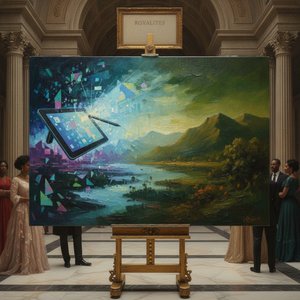
NFTコレクター向け:デジタル画像を手描きオイルレプリカに変換し、ミュージアム品質で収益と価値を最大化
ArtsDotは、デジタル画像をミュージアム品質の手描きオイルレプリカへ変換する専門家です。高い技術と厳格な品質管理で、NFTコレクターに信頼できる投資価値を提供します。

