 プレビュー
プレビュー
 プリントを購入
 シェアする
シェアする シェアする
シェアする
 詳細を見る
詳細を見る

 ダウンロード
 似ている作品
 X線調査
X線調査 スライドショー
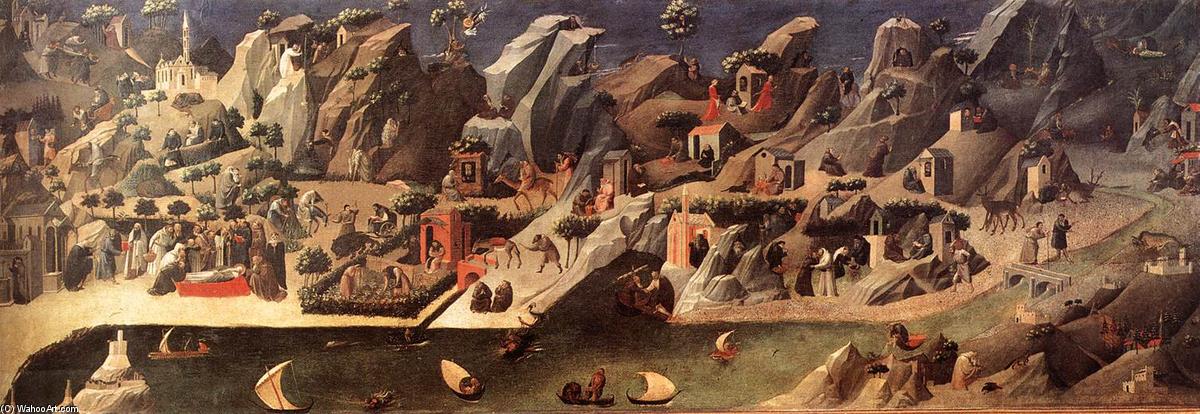
Thebaid


 詳細を見る
詳細を見る




































作品のオリジナル比率に合わせた、当店の規定サイズからお選びください。

特定のフレームやスペースに合わせて、ご希望のサイズをご入力いただけます。選択されたサイズが元の画像の比率と異なる場合、アートワークをトリミングするか、手描きで要素を追加して絵画を拡張いたします。デジタルモックアップ を制作し、制作開始前にご確認(承認)をいただきます。
画面上のプレビューは、実際のトリミングや拡張を正確に反映しているものではありません。最終的な構図は、モックアップによってのみ正確にご確認いただけます。
カスタムサイズもご利用いただけますが、元の比率を維持するためには、あらかじめ用意されたリストからサイズを選択することをお勧めいたします。
ご注文後、ArtsDot.com チームより詳細な指示をお送りするとともに、仕上がりイメージ(モックアップ)をご提供いたします。


 ガラスオプションは、110cm未満のサイズでのみご利用いただけます。

Thebaid
複製技法
複製画のサイズ
-


合計金額
$ 263
Composition and Symbolism
The painting depicts a rugged mountainous landscape with a river flowing through the foreground. Various figures are engaged in different activities, such as resting, conversing, or preparing for a journey. The presence of boats suggests travel or exploration, while the buildings hint at human habitation or civilization. The overall composition and use of color create a sense of depth and perspective, drawing the viewer's eye across the landscape. Key elements of the painting include the use of symbolism and narrative elements. The Thebaid is rich in meaning, with each element carefully crafted to convey a message or tell a story. For example, the desert fathers, who were early Christian monks and hermits, are often depicted in these types of paintings.Artistic Significance
The Thebaid is an important work in the history of art, showcasing Gherardo Di Jacopo Starnina's skill as a painter. It is a testament to the artist's ability to capture not just the physical elements within the frame but also the spirit of the era in which it was created. As seen on ArtsDot.com, this painting is a prime example of Renaissance art.- View more paintings by Gherardo Di Jacopo Starnina on ArtsDot.com
- Learn more about the Galleria degli Uffizi on Wikipedia
The Thebaid is a masterpiece that continues to inspire and captivate audiences today. Its beauty, symbolism, and artistic significance make it a must-see for anyone interested in Renaissance art. As a handmade oil painting reproduction, it can be enjoyed in the comfort of one's own home, thanks to ArtsDot.com.
関連作品







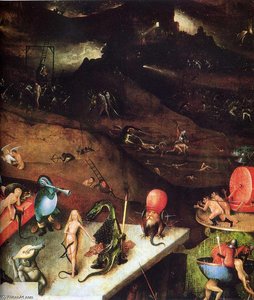
アーティストの略歴
The Soul of the Venetian Renaissance: The Life of Gherardo di Jacopo Starnina
In the golden twilight of the Middle Ages, as the rigid structures of the Gothic era began to soften under the warmth of burgeoning humanism, there emerged a painter whose brush captured the very essence of spiritual devotion and intricate beauty. Gherardo di Jacopo Starnina, known to history by the affectionate moniker “Starnina,” stands as a vital bridge in the evolution of Italian art. Born in Florence around 1354, his early years were steeped in the prestigious traditions of the Florentine school. As an apprentice to the renowned Agnolo Gaddi, Starnina was immersed in a world where the emotional depth of Giotto met the delicate, lyrical elegance of Simone Martini. This formative period instilled in him a lifelong duality: a profound commitment to realistic observation paired with an unwavering devotion to the spiritual narrative.
The trajectory of Starnina’s life took a transformative turn when he migrated toward Venice around 1380. This move was not merely a change in geography but a shift in artistic atmosphere. In Venice, the light was different, more luminous and atmospheric, and the burgeoning trade brought new textures and colors to the artist's palette. It was here that Starnina truly found his voice, establishing himself as a master of detail and a painter of profound faith. His work began to reflect the unique Venetian sensibility—a blend of rich, decorative splendor and a deep, contemplative stillness that invited the viewer into a state of prayerful meditation.
Mastery of Detail and the Sacred Narrative
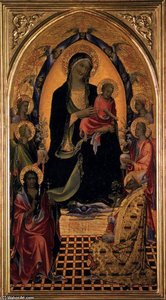
To gaze upon a Starnina masterpiece is to enter a world where every fold of fabric and every subtle gesture carries weight. He was not an artist preoccupied solely with grand, sweeping movements; rather, he found the divine in the minute. His technique was characterized by a remarkable attention to texture and nuance, a hallmark that would define the Venetian Renaissance style. In works such as Virgin with Child and Saints, one can witness his ability to weave together angelic figures and holy saints within a composition that feels both mathematically structured and emotionally fluid. He utilized color not just as a means of representation, but as a tool to convey the sanctity of his subjects.
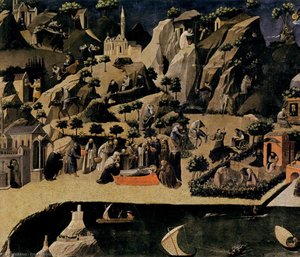
His contributions to sacred spaces remain some of his most enduring legacies. The frescoes adorning the Basilica di San Frediano and the collections within the Museo di Bassano serve as windows into a lost era of craftsmanship. Starnina’s ability to render the Thebaid—the desert landscapes inhabited by hermits—demonstrates his skill in blending landscape with spiritual struggle, using light and shadow to evoke the isolation and piety of the saints. His work on the façades and interiors of religious institutions showcased a mastery of perspective that, while still rooted in Gothic tradition, pointed toward the revolutionary advancements of the coming centuries.
A Lasting Legacy in Art History
While the names of later Venetian giants like Titian or Tintoretto often dominate the historical discourse, the significance of Starnina cannot be overstated. He provided the essential foundation upon which the later masters built their triumphs. By integrating the emotional intensity of his Florentine training with the luminous, decorative richness of Venice, he helped create a new visual language for the Renaissance. His life’s work represents a period of transition, where the symbolic rigidity of the past was gracefully yielding to a more human-centric, observant way of seeing the world.
The enduring impact of Gherardo di Jacopo Starnina can be summarized through several key artistic contributions:
- Stylistic Synthesis: The seamless blending of Florentine emotional realism with Venetian decorative splendor.
- Devotional Precision: A unique ability to use intricate detail and texture to enhance the spiritual impact of religious iconography.
- Historical Continuity: Serving as a crucial link between the late Gothic tradition and the dawn of the High Renaissance.
- Architectural Integration: The masterful execution of large-scale frescoes and mosaics that transformed sacred spaces into immersive spiritual environments.
Today, when we study the works of Starnina, we are not merely looking at relics of the 15th century; we are witnessing the birth of a new way of perceiving the divine through the lens of human beauty and meticulous artistry.
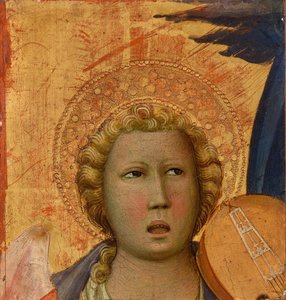
gherardo di jacopo starnina
1354 - 1411 , Italy
基本情報
- Artistic Movement Or Style: Venetian Renaissance
- Artists Who Influenced This Artist:
- Antonio Canova
- Jacopo Bassano
- Date Of Birth: Florence, Italy (1354)
- Date Of Death: 1411
- Full Name: Gherardo di Jacopo Starnina
- Nationality: Italian
- Notable Artworks:
- Thebaid (detail)
- Virgin with Child and Saints
- Place Of Birth: Florence