 プレビュー
プレビュー
 プリントを購入
 シェアする
シェアする シェアする
シェアする
 詳細を見る
詳細を見る

 ダウンロード
 似ている作品
 X線調査
X線調査 スライドショー
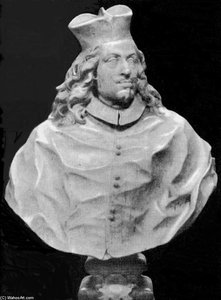
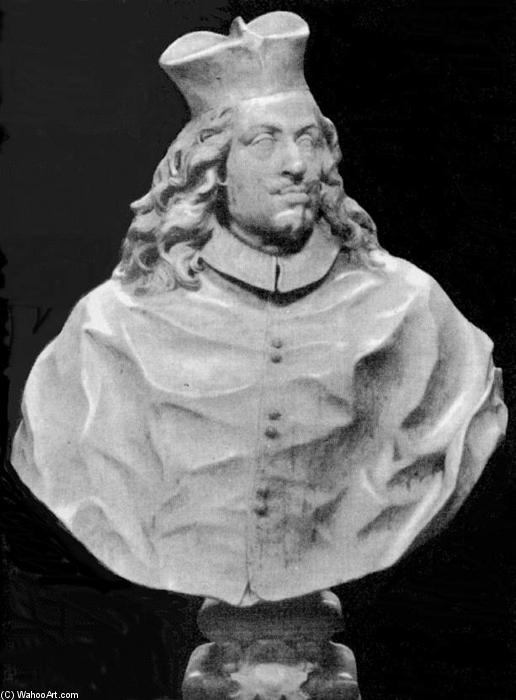
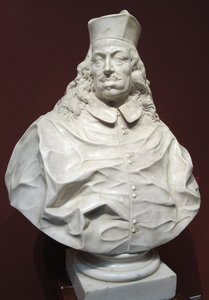
ギアンカルロ・デ・メディチの胸像


 詳細を見る
詳細を見る




P118B $10

P118H $10

P118W $10

P438Z $10

P508JH $12

P508YH $12

P805H $10

P805Z $10

P919BZ $10

P919G $10

P919XJ $10

P959ZH $10

P968JZ $12

W106C $8

W218G $10

W218JH $8

W218Y $10

W307PJ $10

W316G $10

W316PJ $8

W316Y $10

W398PJ $8

W4111J $10

W500HY $15

W500JH $15

W692G $12

W849H $8

W940BG $15

W953PJ $8




作品のオリジナル比率に合わせた、当店の規定サイズからお選びください。

特定のフレームやスペースに合わせて、ご希望のサイズをご入力いただけます。選択されたサイズが元の画像の比率と異なる場合、アートワークをトリミングするか、手描きで要素を追加して絵画を拡張いたします。デジタルモックアップ を制作し、制作開始前にご確認(承認)をいただきます。
画面上のプレビューは、実際のトリミングや拡張を正確に反映しているものではありません。最終的な構図は、モックアップによってのみ正確にご確認いただけます。
カスタムサイズもご利用いただけますが、元の比率を維持するためには、あらかじめ用意されたリストからサイズを選択することをお勧めいたします。
ご注文後、ArtsDot.com チームより詳細な指示をお送りするとともに、仕上がりイメージ(モックアップ)をご提供いたします。


 ガラスオプションは、110cm未満のサイズでのみご利用いただけます。

ギアンカルロ・デ・メディチの胸像
複製技法
複製画のサイズ
-


合計金額
$ 263
ジョヴァンニ・バッティスタ・フォギニの聖カランカロ・デメディ紙見出し
ジョヴァンニ・バッティスタ・フォギニは、イタリアのフィレンツェで活躍したバルコ芸術家であり、コシモス3世による宮廷彫刻家として特に高い評価を得ました。彼の作品は、その洗練された技術と美しい表現力によって、当時の美術界に大きな影響を与えました。この聖カランカロ・デメディの肖像画は、フォギニの芸術的才能を象徴する傑作の一つです。作品の詳細情報
この彫刻は、1680年にジョヴァンニ・バッティスタ・フォギニによって制作されました。彼はアレッサンドロ・ルドヴィコ・ボルゲーゼのもとで指導を受け、バルコ芸術の伝統を継承しました。フォギニは特に、ガリレオ・ガリレイの墓やコルシニ礼拝堂などの重要なプロジェクトに携わり、その卓越した技術と芸術的なセンスは広く認められました。この聖カランカロ・デメディの肖像画は、バルコ彫刻の特徴であるドラマチックな照明効果とリアリスティックな描写によって、当時の美術様式を代表しています。作品のスタイルと技法
フォギニの彫刻スタイルは、イタリアのバルコ芸術の影響を受けました。特に、ローマのバルコ芸術家ベルニーニの作品から大きなインスピレーションを得ており、その表現力豊かな彫刻技術は当時の一流彫刻家に匹敵するものでした。彼は主に石や大理石などの素材を用いて彫刻を行い、細部まで緻密に描き込みました。この聖カランカロ・デメディの肖像画では、特に彼の衣装と姿勢がバルコ芸術の特徴であるドラマチックな表現を効果的に示しています。フォギニは、石や大理石などの素材から彫像を作り出すための「彫刻法」と呼ばれる技術を用いています。この技法は、素材の質感や形状を正確に再現するために用いられます。歴史的背景と象徴性
この聖カランカロ・デメディの肖像画が制作されたのは、フィレンツェでバルコ芸術が盛期を迎えた時代です。当時のフィレンツェは、コシモス3世による宮廷文化の中心であり、芸術家たちが自由に活動できる環境を提供していました。フォギニは、この時代の美術界において重要な役割を果たし、その作品は後の美術家に大きな影響を与えました。聖カランカロ・デメディの肖像画には、彼の衣装であるミトラーと司教服が含まれており、これは彼が宗教的な職務を務めていることを象徴しています。これらの要素は、当時の社会や文化における価値観を反映しており、フォギニの彫刻作品に深みを与えています。この聖カランカロ・デメディの肖像画は、彼の尊厳と権威を表現し、同時に静謐さを感じさせる情感豊かな作品です。結論:芸術家としてのフォギニの遺産
ジョヴァンニ・バッティスタ・フォギニは、イタリアバルコ芸術の発展に貢献した偉大な彫刻家の一人として記憶されています。彼の作品は、その技術と美しさによって後世に感動を与え続け、現代においても多くの人々を魅了しています。この聖カランカロ・デメディの肖像画は、フォギニの芸術的才能とバルコ芸術の伝統を代表する傑作であり、美術愛好家やコレクターにとって特別な価値を持つ作品です。関連作品

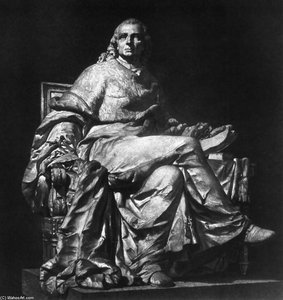
アーティストの略歴
The Sculptor of Florentine Grandeur
Giovanni Battista Foggini, a name synonymous with the opulent splendor of the Florentine Baroque, stands as a monumental figure in the history of Italian sculpture. Born in 1652 into a lineage of artisans, his very existence was woven into the fabric of artistic tradition. As the son of a sculptor, the language of form, texture, and medium was his first vernacular. His early training, shaped by the rigorous standards of his family and refined under the guidance of masters like Alessandro Ludovico Borghese, allowed him to absorb the technical precision required for the most demanding commissions. Foggini did not merely practice sculpture; he breathed life into stone and bronze, transforming cold materials into narratives of divine and earthly power.
The trajectory of Foggini’s career was inextricably linked to the illustrious Medici court. This prestigious patronage provided him with an unparalleled stage upon which to display his virtuosity. His ability to navigate the complex social and political landscapes of Florence allowed him to secure works that would define the aesthetic of an era. Through his hands, the architectural spaces of the Medici residences and chapels were transformed into theatrical environments where light and shadow danced across meticulously carved surfaces. His mastery extended beyond the singular figure to the very essence of architectural embellishment, making him a central architect of the Florentine Baroque identity.
Mastery of Form and the Roman Influence
While Foggini’s heart remained rooted in the traditions of Florence, his artistic soul was deeply stirred by the dramatic innovations emerging from Rome. The shadow of Gian Lorenzo Bernini loomed large over the Italian peninsula, and Foggini skillfully integrated this Roman dynamism into his local style. He embraced the theatricality of the Baroque, utilizing contrapposto to instill his figures with a sense of kinetic energy and psychological depth. This infusion of movement allowed his sculptures to transcend static representation, capturing moments of profound emotion and spiritual ecstasy that resonated with the fervor of the Counter-Reformation.
His technical repertoire was as diverse as it was impressive. Whether working in the delicate, translucent medium of marble or the robust, enduring strength of bronze, Foggini demonstrated an uncanny ability to manipulate texture. In his bronze statuary, one can observe a breathtaking attention to detail, where every fold of drapery and every anatomical nuance is rendered with startling realism. This skill is perhaps most evident in his portraiture, such as his Bust of Cardinal Gian Carlo de' Medici, where the artist captures not just the likeness, but the very presence and authority of the subject through expressive detail and masterful modeling.
A Lasting Legacy in Stone and Bronze
The achievements of Foggini are etched into the very landscape of Florence. His monumental contributions, such as the Tomb of Galileo Galilei and the intricate decorations within the Corsini Chapel, serve as enduring testaments to his ability to marry scientific reverence with religious devotion. In these works, he achieved a rare synthesis of narrative complexity and aesthetic harmony, creating spaces that invite contemplation of both the celestial and the terrestrial.
Beyond individual masterpieces, Foggini’s historical significance lies in his role as the bridge between the late Renaissance traditions of Florence and the exuberant Baroque movement. He revitalized the Florentine sculptural tradition, ensuring it remained a vibrant and competitive force against the Roman school. His legacy is found in:
- The Elevation of Bronze Casting: His ability to push the boundaries of bronze work set new standards for decorative and commemorative sculpture.
- Architectural Integration: His seamless blending of sculptural reliefs with architectural frameworks, as seen in the Decoration of the Feroni Chapel.
- Portraiture as Narrative: The creation of intimate yet powerful portraits, such as his depiction of Anna Maria Luisa de' Medici as a Child, which captured the human element within the grandiosity of the court.
As we look back upon the life of Giovanni Battista Foggini, we see more than just a skilled craftsman; we see an artist who captured the pulse of an age. His work remains a profound exploration of movement, emotion, and the eternal struggle to immortalize the fleeting beauty of life through the permanence of art.
giambattista foggini
1652 - 1725 , Italy
基本情報
- Artistic Movement Or Style: Baroque Sculpture
- Date Of Birth: Florence, Italy (1652)
- Date Of Death: 1725
- Full Name: Giovanni Battista Foggini
- Nationality: Italian
- Notable Artworks:
- Bust of Cardinal Gian Carlo de' Medici
- Tomb of Galileo
- Time Ravishing Beauty
- Place Of Birth: Florence
関連記事

Bronze Sculptures That Defined Art History | ArtsDot
Journey through art history with our Top 10 bronze sculptures! Explore masterpieces by Rodin, Michelangelo & more. Discover stories behind iconic statues and find museum-quality reproductions for your home decor at ArtsDot.com.

The Enduring Form: Exploring Themes & Techniques in Sculpture Across Historical Periods
Explore the rich history of sculpture from ancient masterpieces to contemporary innovations. Discover key techniques, influential artists & investment potential for discerning art collectors.
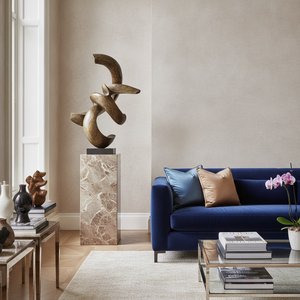
The Enduring Form: Sculpture Across History, Technique & Emotional Resonance
Explore the rich history of sculpture with ArtsDot. Discover key techniques, influential artists & investment potential for discerning collectors. Expert insights into valuing and collecting timeless masterpieces.

Bronze Age to Modern Masters: 10 Sculptures That Redefined Art | ArtsDot
Journey through art history with 10 legendary bronze sculptures – from Michelangelo's David to Rodin’s Thinker. Explore the stories, techniques & timeless beauty of these masterpieces. Find museum-quality reproductions & elevate your home decor on ArtsDot.com.
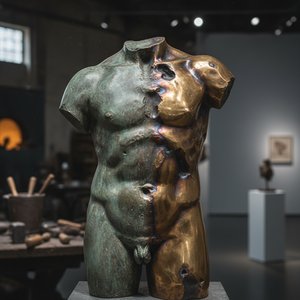
青銅彫刻の永続的遺産:歴史、技法、そして現代における解釈
青銅彫刻の歴史、技法、現代における解釈を専門家が解説。古代から現代までの貴重な作品群を深く理解し、コレクションや投資に役立つ情報を提供します。美術品鑑定、修復についてもご紹介。