

 プリントを購入
 シェアする
シェアする シェアする
シェアする
 詳細を見る
詳細を見る

 ダウンロード
 似ている作品
 スライドショー
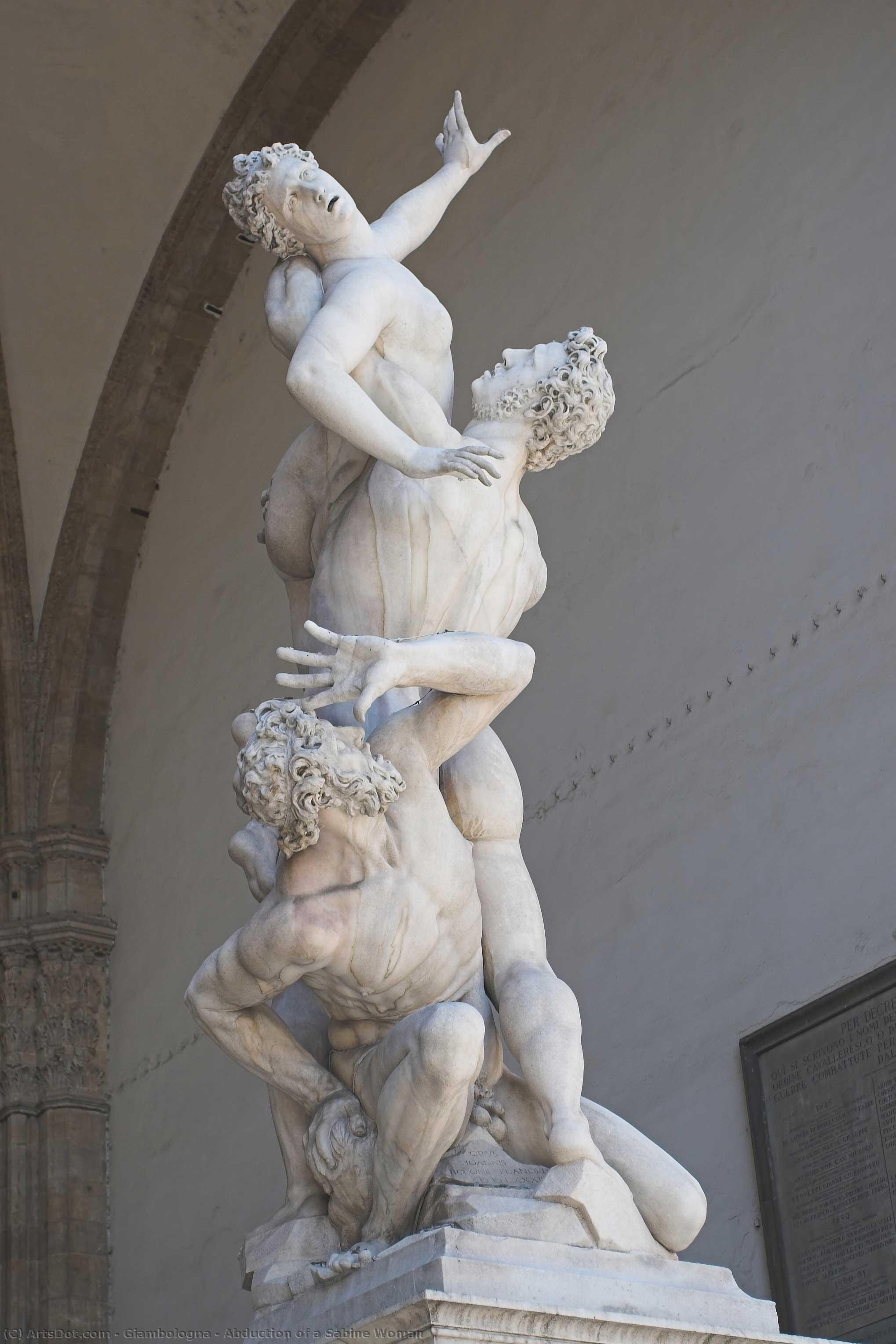
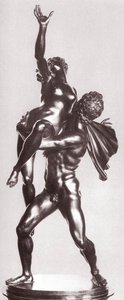
Abduction of a Sabine Woman


 詳細を見る
詳細を見る




































作品のオリジナル比率に合わせた、当店の規定サイズからお選びください。

特定のフレームやスペースに合わせて、ご希望のサイズをご入力いただけます。選択されたサイズが元の画像の比率と異なる場合、アートワークをトリミングするか、手描きで要素を追加して絵画を拡張いたします。デジタルモックアップ を制作し、制作開始前にご確認(承認)をいただきます。
画面上のプレビューは、実際のトリミングや拡張を正確に反映しているものではありません。最終的な構図は、モックアップによってのみ正確にご確認いただけます。
カスタムサイズもご利用いただけますが、元の比率を維持するためには、あらかじめ用意されたリストからサイズを選択することをお勧めいたします。
ご注文後、ArtsDot.com チームより詳細な指示をお送りするとともに、仕上がりイメージ(モックアップ)をご提供いたします。


 ガラスオプションは、110cm未満のサイズでのみご利用いただけます。

Abduction of a Sabine Woman
複製技法
複製画のサイズ
-


合計金額
$ 313
A Moment Frozen in Marble: Giambologna’s Dramatic Narrative
Giambologna's Abduction of a Sabine Woman, completed between 1579 and 1583 for the Medici court in Florence, isn’t merely a sculpture; it’s a meticulously crafted tableau vivant – a scene plucked from ancient Roman legend rendered with breathtaking dynamism and psychological depth. More than just depicting an event, Giambologna captures a potent confluence of power, desire, and resistance, all swirling within a single, exquisitely sculpted form. The work immediately commands attention, not through overt grandeur, but through the sheer intensity of its narrative thrust. It’s a scene brimming with unspoken drama, inviting viewers to contemplate the complexities of human interaction and the enduring fascination with tales of conquest and abduction.

The sculpture’s genesis lies within the turbulent political landscape of Renaissance Florence, a city ruled by the powerful Medici family. Commissioned for Francesco I de' Medici, Grand Duke of Tuscany, it served as both a personal indulgence and a calculated display of wealth and influence – a testament to the Medicis’ patronage of the arts and their ambition to emulate the glory of ancient Rome. Giambologna, already a celebrated sculptor known for his refined style and mastery of marble, was tasked with creating an artwork that would not only showcase his technical skill but also embody the ideals of power, beauty, and civic pride.
The Dance of Figures: Mannerist Composition and Movement
Giambologna’s genius lies in his ability to imbue a static medium – marble – with an astonishing sense of movement. This is achieved through a masterful manipulation of composition, drawing heavily on the principles of the Mannerist style that dominated Italian art during this period. The sculpture isn't arranged in a straightforward, linear fashion; instead, it’s built around a complex, spiraling arrangement of three figures. The central figure, a young man, is caught mid-action, his arm raised as if to grasp or control the woman below him. His posture exudes both aggression and a hint of vulnerability, while the woman's expression – a mixture of terror, defiance, and resignation – speaks volumes about her plight. The older man, positioned between them, embodies the resistance to this forceful intrusion, his stance conveying a sense of desperate protection.
The figures are not rendered as idealized representations of beauty; rather, they possess a raw, almost brutal quality. Giambologna deliberately exaggerates musculature and gestures, creating a heightened sense of drama and emotional intensity. The flowing drapery, meticulously sculpted to suggest movement and texture, further contributes to the sculpture’s dynamic effect. The diagonal lines created by limbs and poses converge towards a central point, drawing the viewer's eye into the heart of the scene.
Crafted from Stone: Technique and Materials
Giambologna’s technical prowess is immediately apparent in the sculpture’s flawless execution. Carved from a single block of pristine white marble – a notoriously challenging feat – it demonstrates an extraordinary level of skill and precision. The surface finish is remarkably smooth, yet subtly textured to reveal the inherent qualities of the stone. The sculptor skillfully employed techniques such as *spaccatura* (a method of creating dramatic cracks in the marble) to enhance the sense of movement and create visual interest. The sheer scale of the sculpture – approximately 4 meters tall – further emphasizes its monumental impact, commanding attention and demanding close observation.
Symbolism and Enduring Resonance
The story depicted in *Abduction of a Sabine Woman* is rooted in Roman mythology, recounting the legendary abduction of the Sabine women by Roman soldiers during the founding of Rome. This event served as a powerful metaphor for the subjugation of foreign cultures and the establishment of Roman dominance. However, Giambologna’s sculpture transcends mere historical narrative; it explores universal themes of power, violence, desire, and resistance. The scene is not simply a depiction of abduction but a complex meditation on the dynamics of control, the struggle for autonomy, and the enduring consequences of conflict. The sculpture continues to resonate with viewers today, prompting reflection on issues of gender, power, and cultural identity.
関連作品

アーティストの略歴
ジャンボローニャ:マニエリスムを定義した彫刻家
後にジャンボローニャとして知られることになるジャン・ブローニュ(1529–1608)は、イタリア・ルネサンスからバロック期にかけて、最も影響力を持った彫刻家の一人としてその名を刻んでいます。現在のフランスにあたるフランドルのドゥエーに生まれた彼の芸術的旅路は、アントウェルペンのジャック・デュ・ブローエックのもとでの基礎的な修行から始まりました。そして1550年、彼はローマへと移住するという決定的な転機を迎えます。古典彫刻の遺産に身を投じた彼は、ミケランジェロが提唱した様式的な革新を吸収していきました。このローマでの経験が、表面の質感に対する繊レルギーなまでの感性、洗練された優雅さ、そして初期ルネサンスに見られた感情的な熱狂からの意図的な脱却を特徴とする、彼独自の「マニエリスム」様式を形作ったのです。- 幼少期と修行:ブローニュの初期の芸術的傾向は、アントウェルペンの建築的な環境の中で育まれ、ローマでの研究において極めて貴重な基礎技能を彼に授けました。ミケランジェロの記念碑的な作品との出会いは、解剖学的な精密さと彫刻的なダイナミズムへの深い敬意を彼の中に植え付け、それらの原理は後にジャンボローニャの作品の代名詞となりました。
- ローマの影響とパトロン:ジャンボローニャが過ごしたローマの時代は、メディチ家の庇護が拡大した時期と重なりました。これにより彼は数々の依頼を獲得し、芸術家としての名声を高め、当時の主要な彫刻家としての地位を確固たるものにしました。ミケランジェロの影響は単なる様式の模倣に留まらず、緻密な観察と卓越した技術を通じて「理想化された美」を実現しようとする哲学的な献身へと彼を導いたのです。
マニエリスム様式:伝統からの脱却
ジャンボローニャの芸術的ビジョンは、盛期ルネサンス彫刻の特徴である調和のとれた均衡や感情的な壮大さを決定的に拒絶しました。その代わりに彼が受け入れたのは、本能的な感覚よりも知的な沈思を優先させる様式運動、すなわちマニエリスムでした。このアプローチは、いくつかの重要な特徴として現れています。それは、わずかに歪められた比率を持つ引き伸ばされた人物像、不安定な感覚を伝える細い衣の襞、そして比類なき輝きを実現する磨き上げられた大理石を中心とした装飾的な表面処理です。ジャンボローニャの彫刻は、即座に感情的な衝撃を与えることを目的としたのではなく、むしろ複雑な哲学的概念への思索を促すことを意図しており、当時の広範な知的潮流を反映していました。彼は、胴体が鑑賞者からわずかに傾くことで動きと均衡の錯覚を生み出す「コントラポスト」の技法を巧みに操りました。これはミケランモロによって完成され、後にジャンボローニャ自身によって継承された技法です。- 表面の質感へのこだわり:ジャンボローニャの彫刻は、その並外れて洗練された表面仕上げで知られています。それは、光の反射を最大限に高め、光と影の魅惑的な相互作用を生み出すために、気の遠くなるような研磨技術によって達成されました。
- ダイナミックな構成と解剖学的精密さ:ミケランジェロの理想化された形態とは異なり、ジャンボローニャの人物像は、どこか不安をかき立てるようなリアリズムを備えていました。それは、表現上の緊張感を高め、心理的な深みを伝えるために意図的に解剖学的な比率を歪めたものだったのです。
代表作と依頼作品
ジャンボローニャの多作な活動は、公共空間のための記念碑的な彫刻から親密な肖像彫刻まで多岐にわたり、同世代で最も称賛される芸術家の一人としての遺産を確立しました。彼の最高傑作には以下のようなものがあります。- ネプチューン噴水(ボローニャ):トマソ・ラウレッティと共同で取り組んだこの野心的なプロジェクトは、ボローニャのネプトゥーノ広場の中心を成すものです。ジャンボローニャは、海の神ネプチューンを中心に、海洋神話の様々な要素を体現する補助的な人物像に囲まれた巨大なブロンズ彫刻を創り上げました。
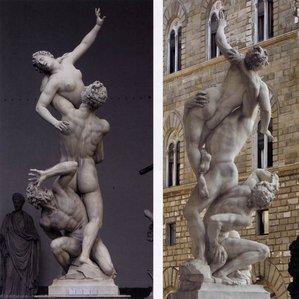
- サビニの女たちの略奪(フィレンツェ):1574年から1582年にかけて完成したこの大理石の傑作は、マニエリスム技法、特にコントラポストの習熟を象徴しており、ローマ伝説の劇的な物語を息を呑むような精密さで捉えています。
- メルクリウス像(フィレンツェ):
伝令の神メルクリウスを描いたこの作品は、その優雅なポーズと光り輝く表面仕上げで称賛されており、マニエリスムの優雅さと知的な沈思の精神を体現しています。
遺産と影響
ジャンボローニャの影響は彼の生涯を遥かに超えて広がり、後世の芸術的感性を形作り、ルネサンスからバロック美術への移行における極めて重要な人物としての地位を確立しました。彼の彫刻における革新、特にダイナミックな動きや心理的に複雑な人物像の探求は、マニエリスムの原理を取り入れて新たな表現の道を切り開いたベルニーニやカラヴァッジョといった芸術家たちにインスピレーションを与えました。ジャンボローニャの不朽の名声は、古典的な理想とヒューマニズムの感性を融合させ、比類なき芸術的ビジョンによって唯一無二の説得力ある美的体験を生み出した彼の能力を証明しています。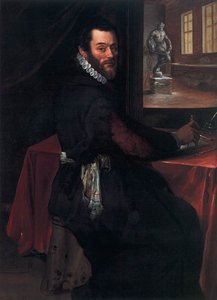
ジャンボローニャ
1529 - 1608
基本情報
- Artistic Movement Or Style: マニエリスム彫刻
- Artists Or Movements Influenced By This Artist: ['バロック']
- Artists Who Influenced This Artist: ['ミケランジェロ']
- Date Of Birth: 1529年
- Full Name: ジャン・ブローニュ
- Nationality: フランドル人
- Notable Artworks:
- メルクリウス
- サビニの女たちの略奪
- Place Of Birth: フランス、ドゥエー
関連記事

Bronze Sculptures That Defined Art History | ArtsDot
Journey through art history with our Top 10 bronze sculptures! Explore masterpieces by Rodin, Michelangelo & more. Discover stories behind iconic statues and find museum-quality reproductions for your home decor at ArtsDot.com.

The Enduring Form: Exploring Themes & Techniques in Sculpture Across Historical Periods
Explore the rich history of sculpture from ancient masterpieces to contemporary innovations. Discover key techniques, influential artists & investment potential for discerning art collectors.

Bronze Age to Modern Masters: 10 Sculptures That Redefined Art | ArtsDot
Journey through art history with 10 legendary bronze sculptures – from Michelangelo's David to Rodin’s Thinker. Explore the stories, techniques & timeless beauty of these masterpieces. Find museum-quality reproductions & elevate your home decor on ArtsDot.com.

The Enduring Form: Sculpture Across History, Technique & Emotional Resonance
Explore the rich history of sculpture with ArtsDot. Discover key techniques, influential artists & investment potential for discerning collectors. Expert insights into valuing and collecting timeless masterpieces.
The Enduring Allure of Marble in Art History: From Classical Sculpture to Modern Abstraction
Explore the captivating history of marble sculpture from ancient Greece to modern art. Discover renowned artists like Canova & Michelangelo, carving techniques, and investment insights at ArtsDot.