

 プレビュー
プレビュー
 プリントを購入
 シェアする
シェアする シェアする
シェアする
 詳細を見る
詳細を見る

 ダウンロード
 似ている作品
 X線調査
X線調査 スライドショー
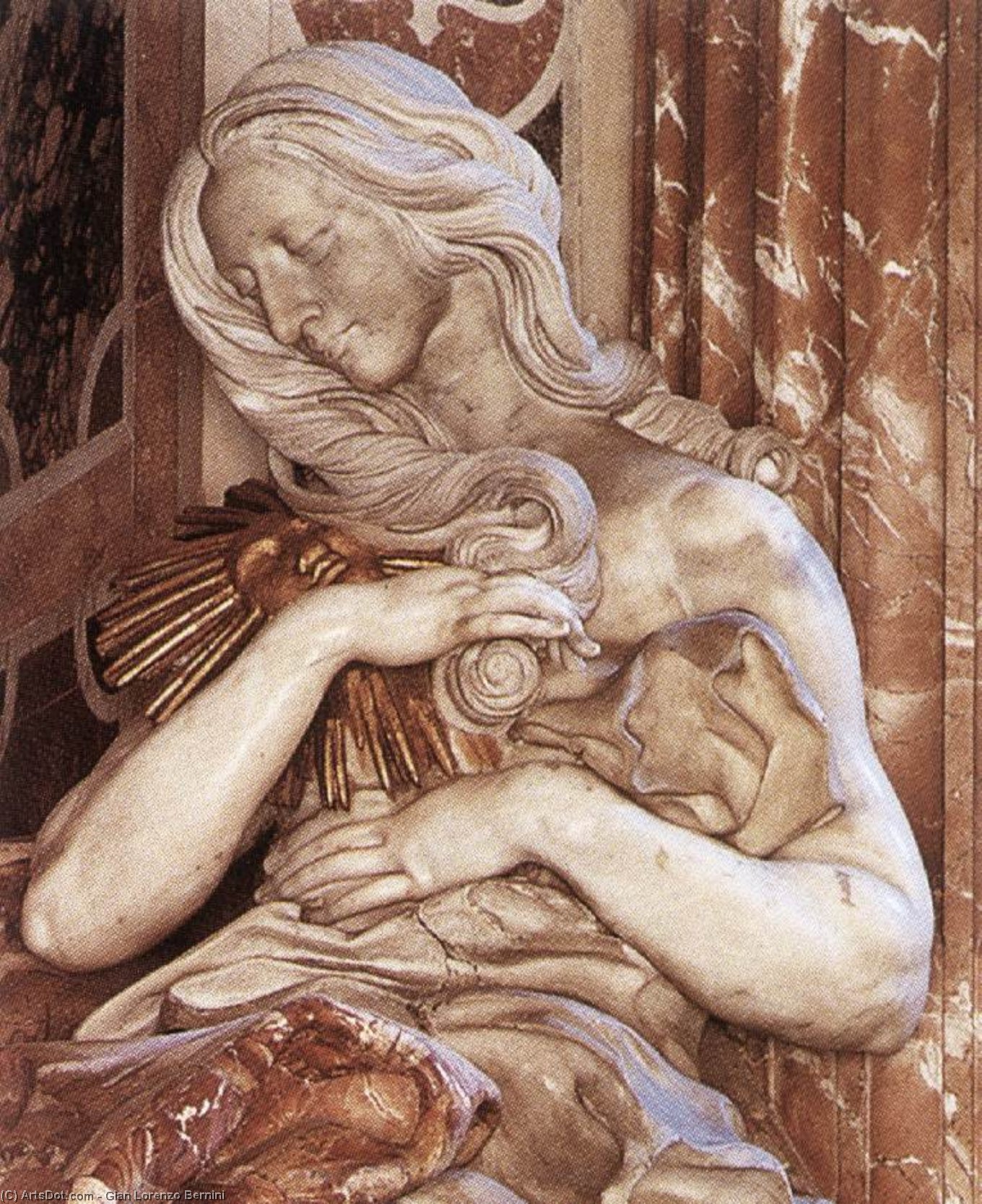
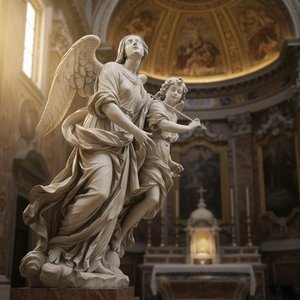
Tomb of Pope Alexander (Chigi) VII (detail)


 詳細を見る
詳細を見る




P118B $10

P118H $10

P118W $10

P438Z $10

P508JH $12

P508YH $12

P805H $10

P805Z $10

P919BZ $10

P919G $10

P919XJ $10

P959ZH $10

P968JZ $12

W106C $8

W218G $10

W218JH $8

W218Y $10

W307PJ $10

W316G $10

W316PJ $8

W316Y $10

W398PJ $8

W4111J $10

W500HY $15

W500JH $15

W692G $12

W849H $8

W940BG $15

W953PJ $8




作品のオリジナル比率に合わせた、当店の規定サイズからお選びください。

特定のフレームやスペースに合わせて、ご希望のサイズをご入力いただけます。選択されたサイズが元の画像の比率と異なる場合、アートワークをトリミングするか、手描きで要素を追加して絵画を拡張いたします。デジタルモックアップ を制作し、制作開始前にご確認(承認)をいただきます。
画面上のプレビューは、実際のトリミングや拡張を正確に反映しているものではありません。最終的な構図は、モックアップによってのみ正確にご確認いただけます。
カスタムサイズもご利用いただけますが、元の比率を維持するためには、あらかじめ用意されたリストからサイズを選択することをお勧めいたします。
ご注文後、ArtsDot.com チームより詳細な指示をお送りするとともに、仕上がりイメージ(モックアップ)をご提供いたします。


 ガラスオプションは、110cm未満のサイズでのみご利用いただけます。

Tomb of Pope Alexander (Chigi) VII (detail)
複製技法
複製画のサイズ
-


合計金額
$ 263
The Divine Embrace: Gian Lorenzo Bernini’s Tomb of Pope Alexander VII
Gian Lorenzo Bernini's Tomb of Pope Alexander VII, completed in 1678, is not merely a funerary monument; it’s a breathtaking distillation of Baroque drama and papal power. Located within the grandeur of St. Peter’s Basilica, this sculpture complex transcends its function as a resting place for a pope, evolving into a profound meditation on faith, mortality, and divine grace. Bernini, already establishing himself as Rome's foremost sculptor, poured his genius into creating an experience—a journey through allegory and emotion—that continues to captivate viewers centuries later.
Detail from the Tomb of Pope Alexander VII, showcasing the intricate drapery and expressive faces.
A Symphony of Marble and Emotion
Bernini’s mastery lies in his ability to imbue cold, unyielding marble with a startling sense of life. The tomb is constructed primarily from Sicilian red jasper, chosen for its rich color and dramatic texture – a deliberate contrast to the pristine white marble used for the figures themselves. This juxtaposition immediately establishes a powerful visual tension: the earthly materiality of the stone against the ethereal quality of the sculpted forms. The composition itself is meticulously balanced, drawing the eye upwards towards the central figure of Pope Alexander VII kneeling in prayer, surrounded by allegorical representations of virtues – Charity, Prudence, Justice, and Truth. Each figure is rendered with an astonishing level of detail, capturing not just their physical appearance but also a profound sense of inner emotion.
The dynamism of the scene is further amplified by Bernini’s masterful use of drapery. The billowing robes of Charity and Prudence cascade around them, creating a swirling vortex that draws the viewer into the heart of the composition. Even Death, represented as a towering figure shrouded in dark jasper, possesses a dramatic presence—his outstretched hand holding an hourglass symbolizing the fleeting nature of time. Bernini’s skill isn't just technical; it’s profoundly psychological – he understands how to evoke feeling through form and gesture.
Historical Context: Papal Power and Baroque Excess
To fully appreciate the Tomb of Pope Alexander VII, one must understand the context in which it was created. The late 17th century was a period of immense power for the papacy, particularly under Alexander VII, who skillfully navigated the complex political landscape of Europe through diplomacy and patronage. Bernini’s tomb served as both a testament to the Pope's reign and a powerful assertion of papal authority. The Baroque style, with its emphasis on drama, emotion, and grandeur, was the perfect vehicle for expressing this ambition. The tomb reflects the era’s fascination with religious fervor, theatrical spectacle, and the glorification of power – all hallmarks of the Baroque aesthetic.
Symbolism and Enduring Legacy
Beyond its immediate visual impact, the Tomb of Pope Alexander VII is rich in symbolism. The depiction of Death holding an hourglass serves as a poignant reminder of mortality, while Truth’s foot pressing down on England represents the Pope's efforts to suppress Protestantism. The overall composition can be interpreted as a meditation on faith, virtue, and the eternal struggle between good and evil. Bernini’s masterpiece remains one of the most celebrated examples of Baroque sculpture, continuing to inspire awe and admiration for its technical brilliance, emotional depth, and profound artistic vision. Reproductions by ArtsDot offer a remarkable opportunity to experience this iconic work of art in stunning detail.
関連作品
アーティストの略歴
ローマの天才:ジャン・ロレンツォ・ベルニーニの生涯と遺産
1598年にナポリで生まれたジャン・ロレンツォ・ベルニーニは、劇的な芸術的変革の瀬戸際に立つ世界に降り立ちました。彼の父ピエトロ・ベルニーニもそれ自体が尊敬される彫刻家であり、若き日のジャン・ロレンツォの驚異的な才能は、この家族の工房の中で初めて花開いたのです。彼が将来到達する巨匠の域への種は、単なる技術訓練—それは厳格なものでしたが—を通してだけでなく、ローマの古典的な遺産に早期から深く浸ることによっても蒔かれました。彼はバチカン美術館に収蔵された彫刻群を貪るように吸収し、その形態と原理を、自身の芸術的ビジョンを決定づけるほどの熱心さをもって取り込みました。子供の頃からベルニーニの技量は父を凌駕しており、彼が後に成す革命的な力片鱗を予感させていました。この生来の才能はすぐに注目を集め、特にマッファオ・バルベリーニ枢機卿の目に留まりました。彼は後に教皇ウルバヌス8世として即位し、ベルニーニにとって最も影響力のある庇護者となり、彼のキャリアだけでなく、ローマという都市そのものの美的な景観をも形作っていったのです。感情を彫刻する:バロック劇の誕生
ベルニーニは間違いなくバロック期を代表する彫刻家と見なされています。この様式は、ダイナミズム、感情的な強烈さ、そして純粋な壮大さによって特徴づけられています。彼は単に像を彫ったのではありません。彼は大理石に命を吹き込み、比類なき技術で深い心理的深みと劇的な物語の瞬間を捉えたのです。ルネサンスの彫刻が理想化された形態と静的な美しさを優先する傾向があったのに対し、ベルニーニは動き、演劇性、そして人間の感情の生々しい力を受け入れました。彼の作品は単なる再現を超え、鑑賞者に内臓に訴えかけるような反応を呼び起こしました。彼の独特な様式を定義づける重要な要素がいくつかあります。それは、表情や身のこなしを通して複雑な感情を伝える熟練した能力であり、流れる髪、繊細な布地、滑らかな肌といった質感を息をのむほどのリアリズムで表現することを可能にした驚異的な技術的熟練度であり、そして何よりも、激しい行動や精神的なクライマックスの瞬間を描き出す劇的な物語への献身です。コルナーロ礼拝堂に収められている聖テレジアの恍惚は、おそらく彼の最も象徴的な功績であり続けています。それは大理石、青銅、光が渦巻く構成物であり、ほとんど圧倒的な感情の力をもって神秘的な体験を捉えています。また、アポロンとダーファネやダヴィデ像のような他の傑作は、この同じダイナミックなエネルギーを示し、石を儚い変容の瞬間と張り詰めた緊張へと変貌させているのです。彫刻を超えて:建築と都市のビジョン
ベルニーニの天才性は、彫刻の領域を遥かに超えていました。彼は驚くほど多才な芸術家であり、建築と都市計画に大きな貢献をし、ローマの街並みを根本的に再構築しました。彼の建築デザインは決して孤立して構想されたものではなく、常に彼の彫刻作品と統合されており、学問間の境界を曖昧にする統一された芸術体験を生み出していました。サンピエトロ大聖堂の主祭壇の上にある記念碑的なバルダッキーノは、この全体論的なアプローチの証しです。それは空間を支配し、畏敬の念をもって視線を上へと引き上げるそびえ立つ青銅の天蓋です。彼はまた、いくつかのローマの広場の再設計において極めて重要な役割を果たし、それらを活気ある公共空間へと変貌させました。ナヴォーナ広場にある四河の噴水は、異なる大陸の主要な川を象徴する寓意的な人物像を備え、彼がダイナミックで魅力的な都市環境を創造できる能力の最良の例です。サンピエトロ大聖堂における彼の仕事、特に近づく訪問者を包み込む広大な列柱廊は、大聖堂の外観を劇的に変え、キリスト教世界の中心にふさわしい壮大な儀式空間を創り出しました。永続する影響:ベルニーニの歴史的意義
ジャン・ロレンツォ・ベルニーニは西洋美術の流れに深く影響を与えました。彼の彫刻に対する革新的なアプローチは、バロック様式をヨーロッパ美術における支配的な力として一世紀以上にわたり確立し、その劇的な構成と技術的な技巧をもって何世代もの芸術家に影響を与え続けました。彼は単なる古典的な形態の模倣者ではありませんでした。彼はそれらを新たなダイナミズムと感情的な強烈さをもって統合し、全く新しいものを生み出したのです。彫刻、建築、絵画を統一された芸術体験へと統合したことは、芸術表現の新たな基準を打ち立て、すべての感覚を引きつけ、深い感情を呼び起こす芸術の力を証明しました。ハワード・ヒバルドが雄弁に述べたように、ベルニーニの影響は非常に大きく、「17世紀最大の彫刻家」として立っています。彼の作品は今なお畏敬と賞賛の念を抱かせ続け、彼を歴史上最も重要な芸術家の一人としての地位を確固たるものにし、その遺産は今日まで響き渡る真の*uomo universale*(万能の人間)なのです。家族とその他の功績
- ピエトロ・ベルニーニ:ジャン・ロレンツォの父であり、初期の訓練と指導を与えた彫刻家でした。
- シピオネ・ボルゲーゼ枢機卿:ベルニーニが独自の様式を発展させることを可能にした初期の庇護者でした。
- 教皇ウルバヌス8世:ローマでの建築および彫刻プロジェクトに広範な機会を提供した、ベルニーニにとって最も重要な庇護者でした。
- 建築プロジェクト:サンピエトロ大聖堂以外にも、ベルニーニはサンタン・アンドレア・アル・キリナーレのような教会を設計し、パラッツォ・バルベリーニの設計にも貢献しました。
- 舞台美術のデザイン:彼は劇作家であり舞台デザイナーでもあり、演劇作品のために精巧なセットや機械を制作しました。
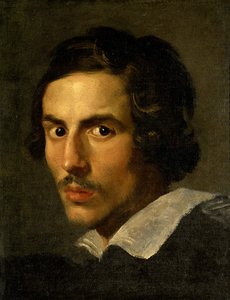
ジャン・ロレンツォ・ベルニーニ
1598 - 1680
基本情報
- Artistic Movement Or Style: バロック
- Artists Or Movements Influenced By This Artist:
- バロック彫刻
- ヨーロッパ美術
- Artists Who Influenced This Artist:
- ピエトロ・ベルニーニ
- ミケランジェロ
- Date Of Birth: 1598年12月7日
- Date Of Death: 1680年11月28日
- Full Name: ジャン・ロレンツォ・ベルニーニ
- Nationality: イタリア人
- Notable Artworks:
- 聖テレジアの恍惚
- アポロンとダフネ
- ダビデ像
- バルダッキーノ
- 四河の噴水
- Place Of Birth: ナポリ、イタリア
関連記事

Bronze Sculptures That Defined Art History | ArtsDot
Journey through art history with our Top 10 bronze sculptures! Explore masterpieces by Rodin, Michelangelo & more. Discover stories behind iconic statues and find museum-quality reproductions for your home decor at ArtsDot.com.
Gian Lorenzo Bernini: Sculpting Baroque Emotion & the Roman Imagination
Explore the life & revolutionary art of Gian Lorenzo Bernini, the master sculptor of the Baroque era. Discover his iconic works like David and Ecstasy of Saint Teresa – a journey into Roman artistic genius.

Theatricality & Triumph: Baroque Drama in Painting & Sculpture
Explore the dramatic world of Baroque art! Discover its history, defining characteristics, & lasting influence on painting & sculpture. Expert insights into Caravaggio, Zurbarán, and Bernini – plus high-quality reproductions at ArtsDot.

The Enduring Form: Exploring Themes & Techniques in Sculpture Across Historical Periods
Explore the rich history of sculpture from ancient masterpieces to contemporary innovations. Discover key techniques, influential artists & investment potential for discerning art collectors.

The Enduring Form: Sculpture Across History, Technique & Emotional Resonance
Explore the rich history of sculpture with ArtsDot. Discover key techniques, influential artists & investment potential for discerning collectors. Expert insights into valuing and collecting timeless masterpieces.

