

 プレビュー
プレビュー
 プリントを購入
 シェアする
シェアする シェアする
シェアする
 詳細を見る
詳細を見る

 ダウンロード
 似ている作品
 X線調査
X線調査 スライドショー
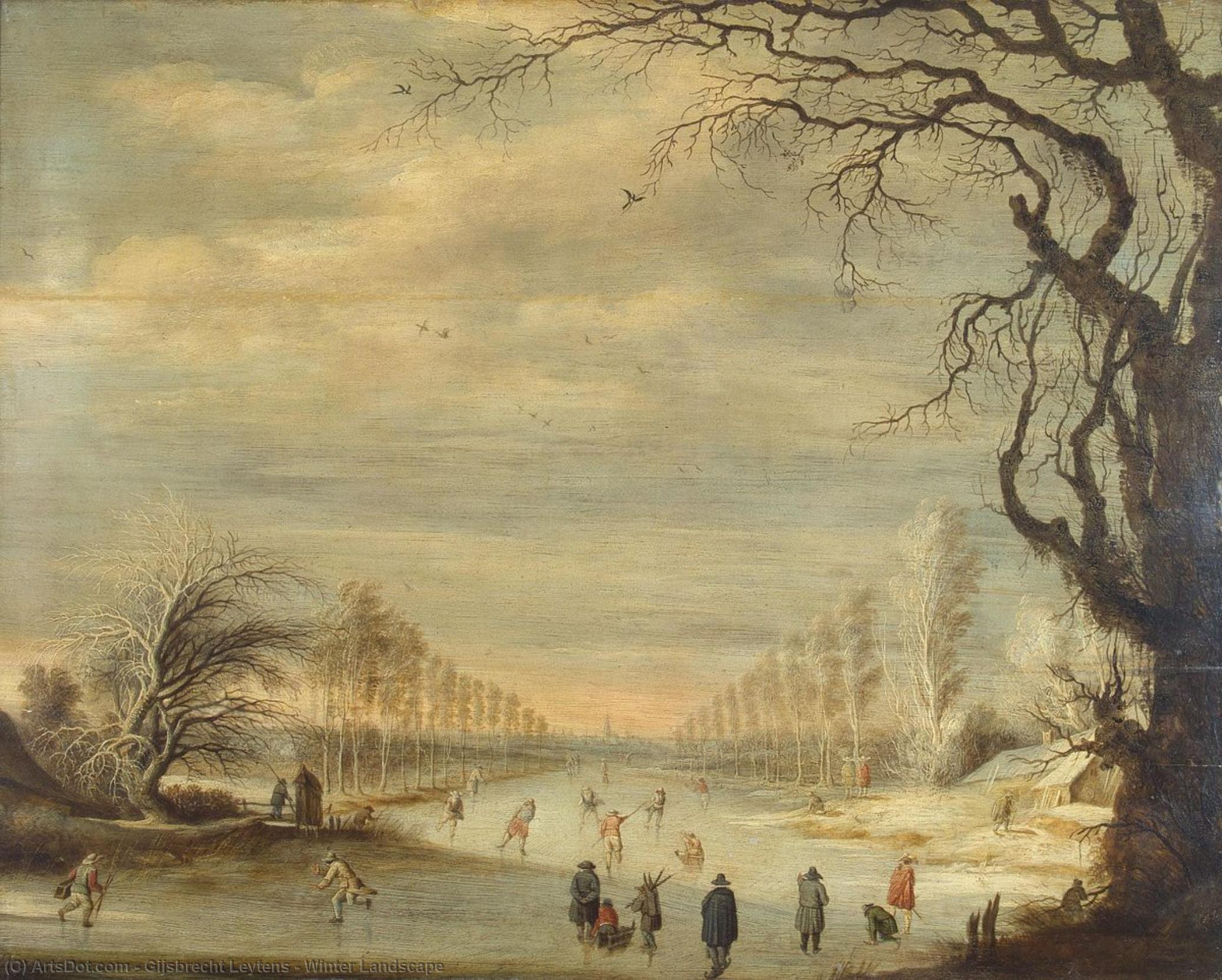
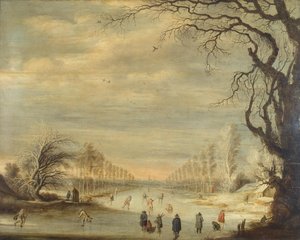
Winter Landscape
 1620
1620 72.0 x 89.0 cm
 詳細を見る
詳細を見る




































作品のオリジナル比率に合わせた、当店の規定サイズからお選びください。

特定のフレームやスペースに合わせて、ご希望のサイズをご入力いただけます。選択されたサイズが元の画像の比率と異なる場合、アートワークをトリミングするか、手描きで要素を追加して絵画を拡張いたします。デジタルモックアップ を制作し、制作開始前にご確認(承認)をいただきます。
画面上のプレビューは、実際のトリミングや拡張を正確に反映しているものではありません。最終的な構図は、モックアップによってのみ正確にご確認いただけます。
カスタムサイズもご利用いただけますが、元の比率を維持するためには、あらかじめ用意されたリストからサイズを選択することをお勧めいたします。
ご注文後、ArtsDot.com チームより詳細な指示をお送りするとともに、仕上がりイメージ(モックアップ)をご提供いたします。


 ガラスオプションは、110cm未満のサイズでのみご利用いただけます。

Winter Landscape
複製技法
複製画のサイズ
-


合計金額
$ 263
関連作品



アーティストの略歴
Lucas Cranach the Younger: A Master of Renaissance Portraiture and Religious Iconography
Born in Eisleben, Saxony, around 1506 and tragically dying in Wittenberg in 1586, Lucas Cranach the Younger stands as a pivotal figure in the German Renaissance. Often overshadowed by his more famous father, Lucas Cranach the Elder, he nonetheless forged a distinct artistic identity, becoming renowned for his masterful portraits, particularly those of prominent figures of the era, and his dynamic depictions of biblical narratives and religious themes. His work reflects not only the burgeoning humanist ideals of the time but also a deep engagement with the political and social landscape of Reformation-era Germany.
Cranach’s early artistic training is somewhat shrouded in mystery. While he undoubtedly learned from his father, whose workshop flourished in Eisleben, evidence suggests that Cranach spent several years in Basel, Switzerland, immersing himself in the vibrant art scene and absorbing influences from artists like Hans Holbein the Younger. This period profoundly shaped his style, introducing him to the meticulous detail, realistic portrayal of character, and sophisticated use of light and shadow characteristic of Northern Renaissance painting. Returning to Germany, he established a successful workshop in Wittenberg, quickly gaining recognition for his ability to capture the personalities and status of his subjects.
The Portraiture of Power: Cranach’s Royal Commissions
Cranach's fame truly ascended through his prolific commissions from powerful patrons. He painted numerous portraits of Martin Luther, a subject he depicted in a remarkable range of moods and circumstances – as a fiery reformer, a contemplative scholar, and even a playful youth. These portraits are not merely likenesses; they are carefully constructed representations designed to convey specific messages about the sitter’s character, authority, and piety. Beyond Luther, Cranach painted for numerous other dignitaries, including Frederick III, Elector Palatine, and various members of the Saxon court. His ability to capture the nuances of personality—the shrewdness in a ruler's gaze, the intellectual curiosity in a scholar’s expression—made him one of the most sought-after portraitists of his time.
His portraits were often imbued with symbolic elements, reflecting the political and religious currents of the era. The careful selection of clothing, objects, and gestures served to reinforce the sitter's position and ideals. For example, Luther’s portraits frequently incorporate symbols of faith, such as the Bible or a crucifix, subtly reminding viewers of his role as a reformer.
Religious Iconography: Drama and Emotion in Biblical Scenes
Alongside his portraiture, Cranach excelled at depicting religious subjects with remarkable dynamism and emotional intensity. He moved away from the more static and stylized approach favored by some of his contemporaries, embracing a dramatic realism that brought biblical narratives to life. His depictions of the Passion of Christ are particularly noteworthy for their raw emotion and psychological depth. Works like “Christ Carrying the Cross” (circa 1545) and "The Lamentation over the Dead Christ" showcase his ability to convey profound sorrow and spiritual anguish through carefully rendered figures and evocative compositions.
Cranach’s approach to religious painting was deeply influenced by the Reformation. He sought to make biblical stories accessible and relatable to a wider audience, employing vivid colors, dramatic lighting, and expressive gestures to engage the viewer's emotions. His use of color—particularly rich reds and blues—created a sense of theatricality and heightened emotional impact.
Technique and Legacy
Cranach’s artistic technique was characterized by meticulous detail, precise drawing, and a sophisticated understanding of perspective. He employed oil paint with remarkable skill, layering colors to create subtle gradations of tone and texture. His portraits are renowned for their lifelike quality, while his religious paintings are distinguished by their dramatic lighting and expressive figures. He was also an innovator in printmaking, producing numerous woodcuts and engravings that served as both independent works of art and illustrations for books and pamphlets.
Lucas Cranach the Younger’s legacy is profound. He played a crucial role in shaping the artistic landscape of the German Renaissance, influencing generations of artists who followed. His portraits continue to be admired for their psychological insight and technical mastery, while his religious paintings remain powerful expressions of faith and emotion. He stands as a testament to the dynamism and complexity of the era, embodying both the humanist ideals and the turbulent political realities of Reformation-era Germany.
gijsbrecht leytens
1586 - 1656 , Belgium
基本情報
- Artistic Movement Or Style: Genre, village scenes
- Artists Or Movements Influenced By This Artist: ['Flemish landscape painting']
- Artists Who Influenced This Artist:
- Esaias van de Velde
- Pieter Bruegel the Elder
- Date Of Birth: c. 1586
- Date Of Death: 1666
- Full Name: Joost Cornelisz Droochsloot
- Nationality: Dutch
- Notable Artworks:
- Village street scene
- Moral allegories
- Place Of Birth: Badajoz, Spain

