

 プレビュー
プレビュー
 シェアする
シェアする シェアする
シェアする
 詳細を見る
詳細を見る

 ダウンロード
 似ている作品
 X線調査
X線調査 スライドショー
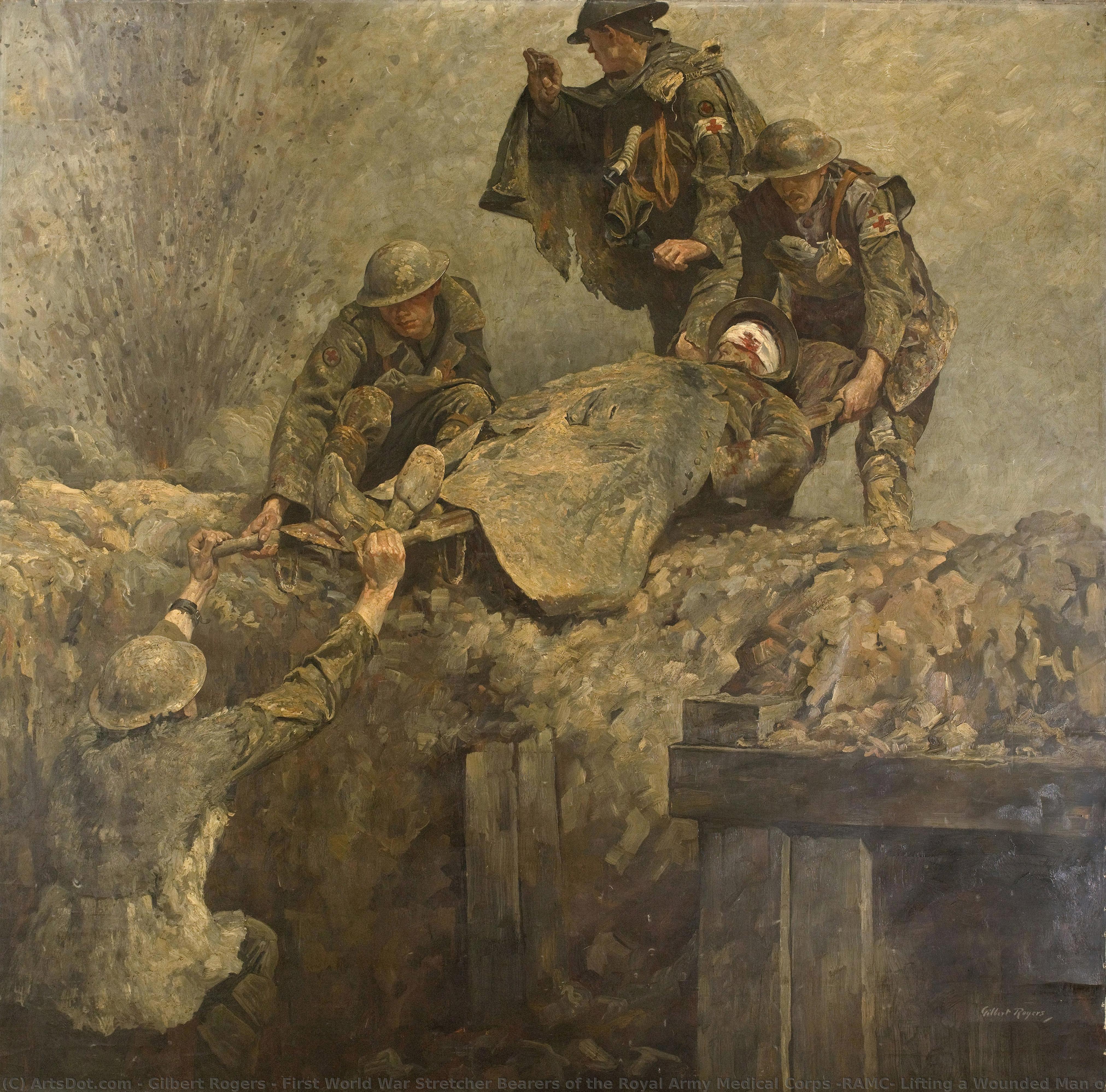
First World War Stretcher Bearers of the Royal Army Medical Corps (RAMC) Lifting a Wounded Man out of a Trench
 Oil On Canvas
- WallArt
- Impressionism
 1919
1919- Modern
 302.0 x 302.0 cm
 詳細を見る
詳細を見る
ジークレー/アートプリント
迅速な制作と多彩な仕上げオプションを備えた、ミュージアムクオリティのジークレーまたはキャンバスプリント。 ( 手描きの絵画を購入 画像を購入)




P118B $10

P118H $10

P118W $10

P438Z $10

P508JH $12

P508YH $12

P805H $10

P805Z $10

P919BZ $10

P919G $10

P919XJ $10

P959ZH $10

P968JZ $12

W106C $8

W218G $10

W218JH $8

W218Y $10

W307PJ $10

W316G $10

W316PJ $8

W316Y $10

W398PJ $8

W4111J $10

W500HY $15

W500JH $15

W692G $12

W849H $8

W940BG $15

W953PJ $8




作品のオリジナル比率に合わせた、当店の規定サイズからお選びください。

特定のフレームやスペースに合わせて、ご自身でサイズを指定することも可能です。選択されたサイズが元の画像の比率と一致しない場合、作品をトリミングするか、鏡面反射または単色での塗りつぶしによって画像を拡張いたします。制作を開始する前に、ご確認用のデジタルモックアップをお送りいたします。
画面上のプレビューには、実際のトリミングや拡張は反映されませんのでご注意ください。最終的な構図を正確に確認できるのは、モックアップのみとなります。
カスタムサイズも承っておりますが、元の比率を維持するためには、あらかじめ用意されたリストからサイズを選択することをお勧めいたします。


 ガラスオプションは、110cm未満のサイズでのみご利用いただけます。

First World War Stretcher Bearers of the Royal Army Medical Corps (RAMC) Lifting a Wounded Man out of a Trench
ジークレー/アートプリント
複製画のサイズ
-


合計金額
$ 62
作品詳細説明
The Scene
The scene captures a moment of intense human drama as four soldiers from the Royal Army Medical Corps (RAMC) work together to lift a wounded man out of a trench. The soldier on the left side of the painting is prominently positioned, while another soldier stands on the right side. Two more soldiers are located closer to the center of the image, providing support and assistance during this challenging moment.Details
A backpack placed near the top left corner of the image likely contains medical supplies or equipment needed for treating the wounded soldier. The painting conveys a sense of urgency and danger, highlighting the sacrifices made by these brave soldiers as they risk their lives to save others.Artist and Style
Gilbert Rogers was known for his realistic and detailed depictions of war scenes. His style often featured bold brushstrokes and vivid colors, which added depth and emotion to his paintings. In this particular piece, the use of oil on canvas allows for a rich texture and a sense of realism that draws the viewer into the scene.Relevance
The painting serves as a poignant reminder of the sacrifices made by medical personnel during times of war. It highlights their bravery, dedication, and selflessness in the face of danger and uncertainty.Conclusion
First World War Stretcher Bearers of the Royal Army Medical Corps (RAMC) Lifting a Wounded Man out of a Trench by Gilbert Rogers is a powerful and moving painting that captures the essence of human courage and compassion during wartime. It stands as a testament to the bravery and dedication of medical personnel who risk their lives to save others. For those interested in exploring more works by Gilbert Rogers, ArtsDot.com offers high-quality handmade oil painting reproductions of his pieces, including First World War Stretcher Bearers of the Royal Army Medical Corps (RAMC) Lifting a Wounded Man out of a Trench and First World War A Convoy of Ambulances of the Royal Army Medical Corps after a Battle.関連作品




アーティストの略歴
Gilbert Rogers (1881 – 1956): Witnessing War Through Impressionistic Vision
Gilbert Rogers was a British painter whose artistic output primarily focused on capturing the visceral experience of World War I, specifically depicting stretcher bearers and the medical corps. Born in London in 1881, Rogers possessed an innate fascination with art from a young age, honing his skills through self-study and experimentation before embarking on a formal artistic education at Slade School of Fine Art. This formative period instilled in him a deep appreciation for Impressionism, influencing his distinctive style and palette—characterized by loose brushstrokes and vibrant colors intended to convey mood and atmosphere rather than precise detail.- Early Life & Artistic Influences:
- Rogers’s upbringing fostered an interest in sketching and drawing landscapes, establishing a foundational understanding of composition and tonal variation.
The WWI Canvas: Capturing the Front Line Experience
Rogers's artistic career gained prominence during the First World War. Recognizing the urgent need for visual documentation of the conflict’s realities—particularly the grueling conditions faced by medical personnel—he volunteered his talents to depict scenes from hospitals and ambulance convoys. His most celebrated works include “First World War A Convoy of Ambulances of the Royal Army Medical Corps after a Battle,” an evocative portrayal of stretcher bearers navigating the aftermath of combat, meticulously rendered in oil on canvas. This painting exemplifies Rogers’s commitment to conveying emotion through color and brushwork—a hallmark of Impressionistic technique—creating a powerful impression of both chaos and compassion amidst the horrors of war. He collaborated closely with photographers like Bertram Wooster to produce composite images that combined photographic realism with artistic interpretation, furthering the effort to document the war's impact on human experience.- Notable Paintings:
- "First World War A Convoy of Ambulances of the Royal Army Medical Corps after a Battle" (1917): Demonstrates Rogers’s masterful use of Impressionistic brushstrokes to convey the emotional intensity of wartime trauma.
Technique & Artistic Style: Impressionism's Impact
Rogers embraced Impressionist principles wholeheartedly, prioritizing subjective perception over objective representation. He eschewed meticulous detail in favor of capturing fleeting moments and atmospheric conditions—a deliberate choice that aligns with the broader artistic movement’s rejection of academic conventions. Rogers skillfully blended pigments to achieve luminous color harmonies, layering brushstrokes to build up tonal depth and creating a sense of immediacy and dynamism on his canvases. His approach mirrored the pioneering efforts of artists like Monet and Renoir, who sought to capture the essence of light and color as experienced by the human eye—a stylistic decision that cemented Rogers’s legacy as a significant contributor to British Impressionism.Legacy & Historical Significance
Gilbert Rogers's paintings stand as poignant reminders of the First World War’s profound psychological toll on soldiers and medical staff alike. Beyond their aesthetic beauty, they serve as invaluable historical records—offering insights into the daily lives of those involved in treating wounded veterans. Rogers’s artistic vision transcended mere visual depiction; he aimed to communicate empathy and understanding for the suffering endured by individuals confronting unimaginable circumstances. His work continues to resonate with audiences today, prompting reflection on themes of resilience, compassion, and the enduring power of art to bear witness to human experience during times of crisis.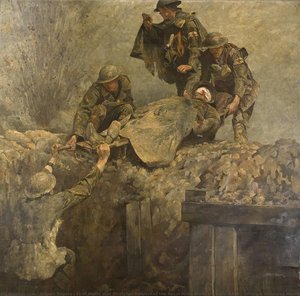
gilbert rogers
1881 - 1956
基本情報
- Artistic Movement Or Style: Impressionism
- Artists Or Movements Influenced By This Artist: ['Post-Impressionism']
- Artists Who Influenced This Artist:
- Claude Monet
- Pierre Auguste Renoir
- Date Of Birth: 1881
- Date Of Death: 1956
- Full Name: Gilbert Rogers
- Nationality: British
- Notable Artworks: ['First World War A Convoy of Ambulances']
- Place Of Birth: London, England
関連記事
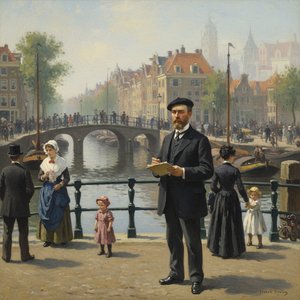
Isaac Lazarus Israëls: A Chronicle of Dutch Life & the Evolution of Impressionistic Realism
Explore the captivating world of Isaac Lazarus Israëls (1865-1934), a leading Dutch Amsterdam Impressionist. Discover his city scenes, portraits & travels through Asia – a chronicle of Dutch life and artistic evolution.
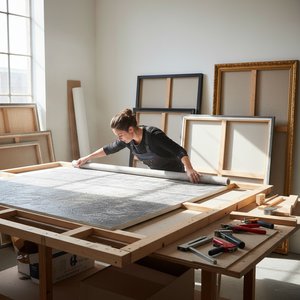
大型装飾画のフレーム構造とキャンバス張り:フリーランスデコレーター向け専門ガイド
フリーランスデコレーター向け:大型装飾画のフレーム構造とキャンバス張りの専門ガイド。素材選びからプロのテクニック、トラブルシューティングまで網羅。ArtsDot.comで高品質なアート作品を提供しましょう。
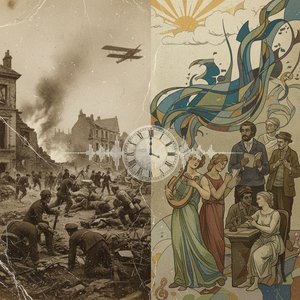
Echoes of a Turning Tide: Artistic Responses to 1916 – A Year of Conflict & Transformation
Explore the profound artistic responses to the tumultuous year of 1916. Discover how WWI shaped movements like Futurism & Expressionism, and delve into masterpieces by Kandinsky, Matisse, Nevinson & more. Learn about art history at ArtsDot.

