

 プレビュー
プレビュー
 シェアする
シェアする シェアする
シェアする
 詳細を見る
詳細を見る

 ダウンロード
 似ている作品
 X線調査
X線調査 スライドショー
 Stats
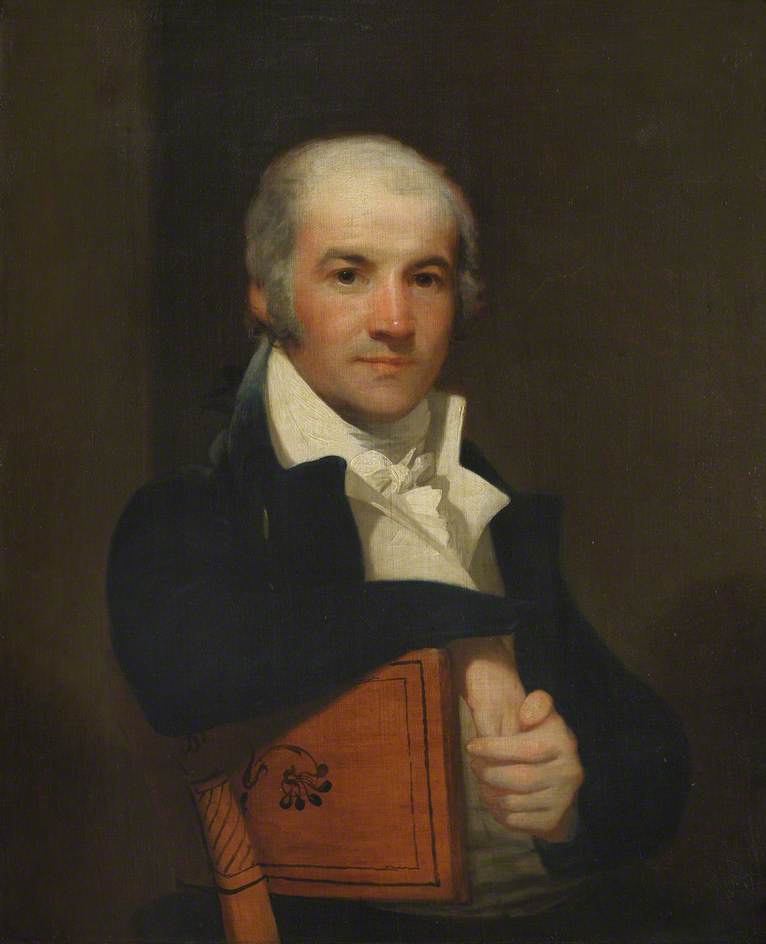
StatsSir Edward Thornton (1766–1852)
 Acrylic On Canvas
- WallArt
- Neoclassicism
 1799
1799 74.0 x 61.0 cm
 Pembroke College
 詳細を見る
詳細を見る
手描き油彩複製画
当社のアーティストが、お客様のご希望のサイズと額縁に合わせて、キャンバスに手描きで制作する油彩画です。 ( Switch to Print Switch to Digital Image)




P118B $10

P118H $10

P118W $10

P438Z $10

P508JH $12

P508YH $12

P805H $10

P805Z $10

P919BZ $10

P919G $10

P919XJ $10

P959ZH $10

P968JZ $12

W106C $8

W218G $10

W218JH $8

W218Y $10

W307PJ $10

W316G $10

W316PJ $8

W316Y $10

W398PJ $8

W4111J $10

W500HY $15

W500JH $15

W692G $12

W849H $8

W940BG $15

W953PJ $8




作品のオリジナル比率に合わせた、当店の規定サイズからお選びください。

特定のフレームやスペースに合わせて、ご希望のサイズをご入力いただけます。選択されたサイズが元の画像の比率と異なる場合、アートワークをトリミングするか、手描きで要素を追加して絵画を拡張いたします。デジタルモックアップ を制作し、制作開始前にご確認(承認)をいただきます。
画面上のプレビューは、実際のトリミングや拡張を正確に反映しているものではありません。最終的な構図は、モックアップによってのみ正確にご確認いただけます。
カスタムサイズもご利用いただけますが、元の比率を維持するためには、あらかじめ用意されたリストからサイズを選択することをお勧めいたします。
ご注文後、ArtsDot.com チームより詳細な指示をお送りするとともに、仕上がりイメージ(モックアップ)をご提供いたします。


 ガラスオプションは、110cm未満のサイズでのみご利用いただけます。

Sir Edward Thornton (1766–1852)
複製技法
複製画のサイズ
-


合計金額
$ 263
Sir Edward Thornton (1766–1852): A Portrait of Dignified Resolve
Gilbert Stuart’s depiction of Sir Edward Thornton stands as a testament to the Romantic ideal of dignified portraiture, capturing not merely likeness but also an inner spirit—a quiet contemplation that speaks volumes about the subject's character and status. Executed in 1799, this oil on canvas masterpiece resides within Pembroke College, Cambridge, bearing the accession number PD0094, a symbol of its enduring legacy within British art history.Subject Matter and Composition
The painting portrays Sir Edward Thornton, a prominent figure in British diplomacy during his time—specifically, Count of Cacilhas—with remarkable precision. Stuart skillfully renders Thornton’s face, emphasizing the subtle lines etched by experience and conveying an aura of serene composure. He is positioned centrally within the frame, holding what appears to be a book or sheet of paper, suggesting intellectual pursuits alongside official responsibilities. The inclusion of a wall behind Thornton adds depth to the composition, grounding the figure against a backdrop that subtly reinforces his position as a man of learning and influence.Stylistic Influences: Neoclassicism Revisited
Stuart’s approach aligns closely with the tenets of Neoclassicism, a movement that sought inspiration from classical antiquity—particularly Greek sculpture—to express moral virtue and rational thought. Unlike the exuberant Baroque style prevalent in earlier decades, Stuart opted for restraint and clarity, prioritizing anatomical accuracy and balanced proportions. This stylistic choice reflects the broader cultural climate of the late 18th century, where artists aimed to elevate portraiture beyond mere representation, striving instead to embody ideals of nobility and intellectual refinement.Technique and Detail
Stuart’s mastery is evident in his meticulous attention to detail—particularly in capturing Thornton's facial features and clothing. The artist employed a glazing technique, layering thin translucent washes of pigment over underpaintings to achieve luminous skin tones and subtle gradations of color. Careful brushwork contributes to the painting’s textural richness, conveying both the smoothness of Thornton’s attire and the contours of his face with remarkable subtlety. The artist's skillful manipulation of light and shadow enhances the dramatic effect of the portrait, emphasizing Thornton’s gaze—a direct address to the viewer that invites contemplation on his inner life.Historical Context: Diplomacy and Virtue
Painted during a period marked by significant political upheaval—the Napoleonic Wars—Thornton’s portrait serves as a visual embodiment of British values at the time. Stuart's depiction underscores the importance of intellect, moral integrity, and dignified bearing in upholding national honor amidst turbulent circumstances. The Count of Cacilhas was instrumental in securing Britain’s interests during these conflicts, demonstrating leadership qualities that were celebrated within the artistic circles of London. This artwork remains a poignant reminder of an era defined by both ambition and virtue—a timeless portrait capturing the essence of a distinguished statesman.Emotional Impact: Serenity Amidst Uncertainty
Ultimately, Sir Edward Thornton transcends mere visual representation; it communicates a profound sense of serenity amidst uncertainty. The subject’s gaze—steady yet thoughtful—suggests resilience and inner fortitude—qualities that resonate powerfully with viewers today. Stuart's ability to convey emotion through subtle gestures and facial expressions elevates the portrait beyond a simple likeness, transforming it into an enduring symbol of dignity and contemplation—a masterpiece that continues to inspire admiration for its artistic excellence and intellectual depth.関連作品
アーティストの略歴
ギルバート・スチュアート:肖像画に捧げた生涯
- 生年: 1755年12月3日、ロードアイランド州サウンダーズタウン
- 没年: 1828年7月9日、マサチューセッツ州ボストン
- 国籍: アメリカ
- 芸術運動: 新古典主義
- 主な功績: 肖像画、特に初期アメリカ史における重要人物の肖像画。
幼少期と研鑽の道
- ギルバート・スチュアートは、スコットランドにルーツを持つ家庭に生まれました。父ギルバートもまた発明家であり、ロードアイランド州で最初の嗅ぎタバコ工場を設立した人物でした。
- 彼の芸術的才能は幼い頃から開花しており、子供ながらに卓越した技術を見せていました。
- わずか14歳の時、彼は「ハンター博士のスパニエル」を描き、その将来性を世に知らしめました。
- 1771年頃、彼はコスモ・アレクサンダーに師事するためスコットランドへ渡りますが、1775年のアレクサンダーの死を受けて帰国することとなります。
- その後、1775年から1780年にかけて、ロンドンにて英国在住のアメリカ人高名画家ベンジャミン・ウエストのもとでさらなる修行を積みました。この時期は、彼の芸術的スタイルを確立し、王立アカデミードレーでの評価を得る上で極めて重要な転換点となりました。
芸術的キャリアと代表作
- アメリカ独立革命の荒波の中でスチュアートのキャリアは試練にさらされ、1775年には英国への移住を余儀なくされました。
- しかし、1782年の「スケーター」によって初期の成功を収め、その名声を不動のものとしました。
- 彼の最も有名な作品は、未完成でありながら「アテネウム・ポートレート」として知られるジョージ・ワシントンの肖像画(1796年着手)です。このイメージはあまりにも象徴的であり、アメリカの紙幣や切手にも採用されています。スチュアートは、アメリカやヨーロッパのパトロンのために、この肖像画の数多くの複製を描き残しました。
- また、ジョン・アダムズ、トーマス・ジェファーソン、ジェームズ・マディソンといった重要人物をはじめ、連邦党のエリート層の肖像も数多く手がけました。
- スチュートのスタイルは新古典主義的なアプローチを特徴とし、写実性を重視しながら、被写体の容貌だけでなくその内面的な性格までも捉えようとしました。光と影をドラマチックに操ることで、肖像画に強烈なインパクトを与える手法を得意としていました。
影響と芸術的発展
- コスモ・アレクサンダーからは、技法や構図に関する基礎的な訓練を受けました。
- ベンジャミン・ウエストからの影響は極めて大きく、肖像画の本質や芸術的原理に対するスチュアートの理解を形作りました。
- 古典的な形式と理想を重んじる新古典主義運動も、彼のスタイルに深い影響を与えています。
- さらに、被写体との直接的な観察や交流が、作品に心理的な深みとリアリズムをもたらしました。彼は単なる外見の模写にとどまらず、描く対象の魂や個性を描き出すことを追求したのです。
歴史的意義と遺産
- ギルバート・スチュアートはアメリカ屈指の肖像画家の一人とみなされており、合衆国建国初期の歴史を記録する上で極めて重要な役割を果たしました。
- 「アテネウム・ポートレート」におけるジョージ・ワシントンの姿は、アメリカのアイデンティティと指導力の永続的な象徴となりました。
- 彼の肖像画は、18世紀後半から19世紀初頭にかけての重要人物たちの生活や風貌を知るための、貴重な歴史的洞察を与えてくれます。
- スチュアートの作品は、アメリカおよびヨーロッパの主要な美術館に収蔵されており、その遺産は世代を超えて愛され続けています。
- 彼は、ヨーロッパの技法とアメリカ独自の感性を融合させることで、独自の「アメリカン・スタイル」の肖像画を確立したのです。
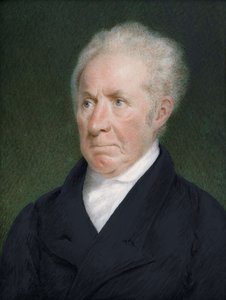
ギルバート・スチュアート
1755 - 1828 , アメリカ合衆国
基本情報
- Artistic Movement Or Style: 新古典主義
- Artists Who Influenced This Artist:
- コスモ・アレクサンダー
- ベンジャミン・ウエスト
- Date Of Birth: 1755年12月3日
- Date Of Death: 1828年7月9日
- Full Name: ギルバート・チャールズ・スチュアート
- Nationality: アメリカ
- Notable Artworks:
- ハンター博士のスパニエル
- スケーター
- ワシントンのアセネウム肖像画
- Place Of Birth: イギリス、サウンダーズタウン
関連記事
エドワード・ホッパー傑作25選:アメリカの孤独と光影の世界 | ArtsDot
エドワード・ホッパーの傑作25選。アメリカ絵画を代表するモダンアート、孤独と光影の世界を紐解きます。名画「Nighthawks」や「ハウス・バイ・ザ・レールロード」など、美術史に残る作品群をArtsDotで高品質複製画としてお楽しみください。インテリアに深みを与えるアートプリントも多数。今すぐコレクションをご覧ください。
The Grandeur of Presence: Exploring Representations of Stately Bearing in Western Portraiture
Explore the art of stately bearing in Western portraiture with expert analysis of Renaissance & Baroque masterpieces. Discover symbolism, techniques, and the legacy of iconic portraits – a guide for discerning collectors.
The Enduring Legacy of Formal Portraiture: Power, Identity & Artistic Exploration
Explore the rich history of formal portraiture & its enduring power to capture identity and shape perception. Discover investment-worthy artworks, expert appraisals, and custom reproduction services at ArtsDot.
John Graham Gilbert: Rediscovering a Victorian Master of Narrative & Portraiture
Discover the captivating world of John Graham Gilbert, a Victorian master! Explore his portraits, genre scenes & illustrations. Learn about his influences, legacy & find high-quality reproductions at ArtsDot.
The Enduring Gaze: Portraiture's Historical & Psychological Evolution
Explore the rich history of portraiture with expert analysis from ArtsDot. Discover iconic Renaissance masterpieces, symbolism & techniques that shaped identity. Find museum-quality art for your collection.