

 プレビュー
プレビュー
 プリントを購入
 シェアする
シェアする シェアする
シェアする
 詳細を見る
詳細を見る

 ダウンロード
 似ている作品
 X線調査
X線調査 スライドショー
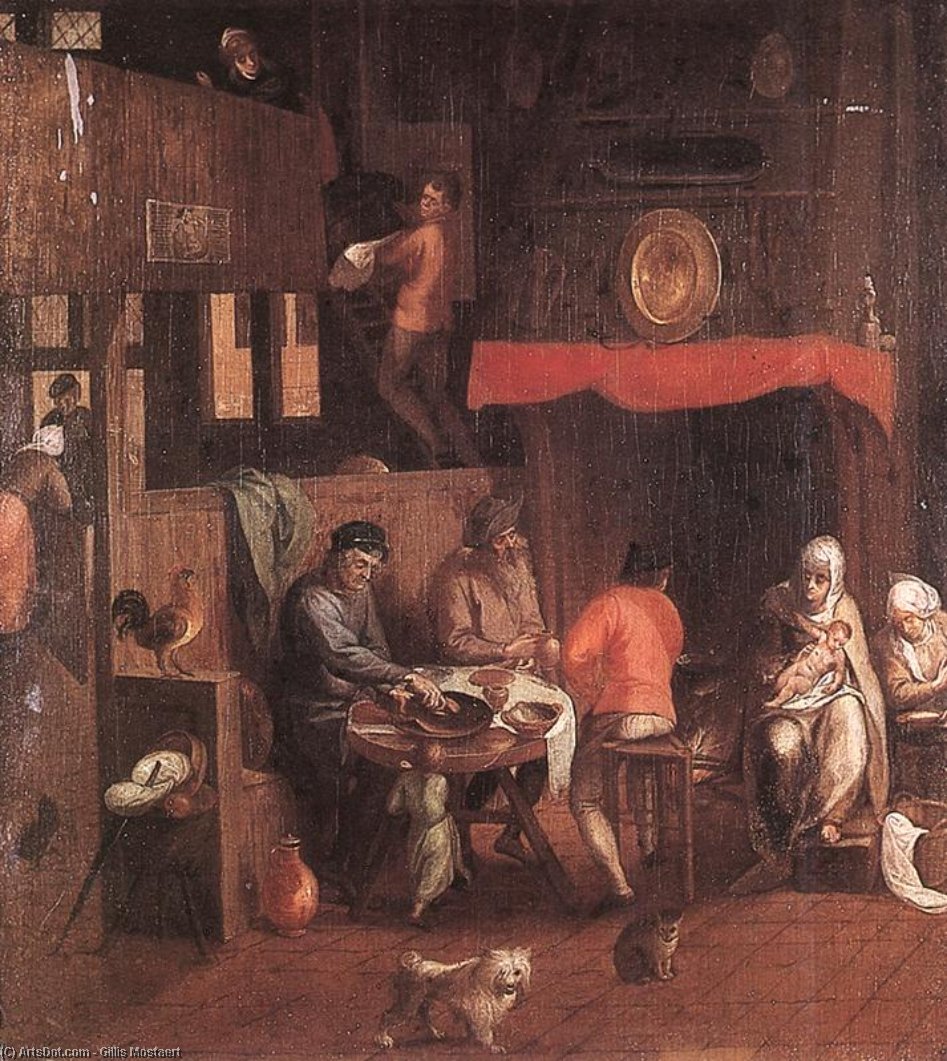
Netherlandish Household
 Acrylic On Canvas
- WallArt
- Renaissance Atmosphere
 40.0 x 35.0 cm
 Szépművészeti Múzeum
 詳細を見る
詳細を見る
オンラインプレビューをはるかに凌ぐ、高解像度で鮮明なデジタル画像をご購入いただけます。
各ファイルは、社内の専門家が高度なツールと熟練した手作業によるレタッチを用いて、細心の注意を払って準備されています。すべての画像において、卓越した鮮明度、正確な色彩再現性、そして繊細なディテールを保証いたします。
最終ファイルは、プロフェッショナルな編集・印刷環境ですぐにご利用いただけるよう最適化された状態で、72時間以内にメールにてお届けいたします。これは、一流のデザインスタジオ、出版社、ギャラリーから信頼されているものと同等の品質です。
デジタル画像のご注文に付随する特典
高品質なデジタル画像配信を、確かな品質で。
ArtsDot.com を選ぶことは、単に画像を手に入れることではありません。それは、プロの手によって精密に仕上げられ、満足保証が付いた高品質なデジタルアートワークを受け取ることを意味します。ご注文いただいた際に自動的に付随する内容は、以下の通りです:

メールですぐにお届け
ご注文から72時間以内に、高解像度のデジタル画像ファイルがメールでお手元に届きます。すぐにそのままご利用いただけます。

AI技術で最適化されたデジタルファイル
お客様の作品は、高度なAIツールと専門家による手作業の編集を組み合わせてプロフェッショナルに最適化されており、細部のディテール、鮮明さ、そして正確な色再現性を最大限に引き出しています。

一生涯無料の再送サービス
ファイルを誤って削除したり、紛失してしまったりしましたか?ご安心ください。いつでも無料で再送いたします。

輸入手数料は一切かかりません
関税や手数料、配送料を気にすることなく、お気に入りのアートワークをすぐにお楽しみいただけます。デジタルダウンロードは常に免税です。

色彩再現の保証
プロ仕様のツールとカラーマネジメント技術を用いることで、デジタル画像が元の色を最大限に忠実に再現することを保証いたします。

100日間満足保証
ご購入いただいたデジタル画像にご満足いただけない場合は、100日以内であれば、理由を問わず修正または100%の返金対応をさせていただきます。

100% 返金保証
ご満足いただけない場合は、デジタルファイルを受け取ってから100日以内であれば、理由を問わず全額返金いたします。

まとめ買い割引
3枚購入で10%OFF - 5枚購入で15%OFF - 10枚以上購入で20%OFF。クリエイティブなプロジェクト、ギャラリー、エージェンシーに最適です。
A Window Into Renaissance Domestic Life: Exploring Gillis Mostaert’s Netherlandish Household
Gillis Mostaert (1528 – 1598), born in Hulst, Netherlands, stands as a pivotal figure within the artistic panorama of Antwerp during the High Renaissance. His legacy extends beyond mere technical prowess; he captured an essence of everyday existence—the domestic sphere—that resonates powerfully with viewers even today. This remarkable painting, currently housed in the Web Gallery of Art (WGA), offers us not just a visual representation but also a glimpse into the social and cultural milieu of his era.- Style & Technique: Mostaert’s distinctive approach aligns squarely with the prevailing trends of Flemish Mannerism, characterized by meticulous detail and an emphasis on atmospheric perspective. Unlike earlier Renaissance ideals prioritizing idealized beauty, Mostaert prioritized realism—observing nature with painstaking accuracy and translating it onto canvas. The artist skillfully employs chiaroscuro – dramatic contrasts between light and dark – to sculpt forms and imbue the scene with depth and luminosity. This technique is particularly evident in the depiction of the fireplace and the subtle shading across the walls, creating a palpable sense of space.
- Historical Context: The painting’s creation coincided with a period of considerable social and economic dynamism in Antwerp. As a thriving commercial center and artistic hub, the city attracted talent from across Europe, fostering an environment conducive to innovation and experimentation. However, beneath the veneer of prosperity lay anxieties about religious upheaval—the Protestant Reformation was reshaping European society—and Mostaert’s depiction reflects this tension through its quiet dignity and understated elegance.
- Subject Matter & Composition: The scene portrays a richly furnished interior – a Netherlandish household – populated by figures engaged in various activities. A central dining table dominates the composition, adorned with tableware and illuminated by candlelight. Around it sit men and women, conveying a sense of familial warmth and social interaction. Notably, a birdcage hangs prominently on the wall, symbolizing hope and domestic tranquility—a motif frequently employed during this period to convey moral virtue.
- Symbolism & Emotional Impact: Beyond its descriptive accuracy, “Netherlandish Household” speaks volumes about Renaissance values. The inclusion of books suggests intellectual pursuits alongside practical concerns, highlighting the importance of education and erudition within aristocratic families. The fireplace represents hearth and home—a locus of warmth, comfort, and familial bonds—underscoring the centrality of domestic life in shaping identity and transmitting cultural traditions. Mostaert’s masterful rendering evokes a feeling of serene contemplation, inviting viewers to immerse themselves in the beauty of everyday existence.
- Further Exploration: To appreciate the nuances of Mostaert's artistic vision, consider examining similar works from his contemporaries—particularly those exploring domestic interiors and portraying idealized representations of family life. Comparing stylistic approaches and thematic concerns will illuminate the broader context within which “Netherlandish Household” was conceived and contribute to a deeper understanding of Renaissance art’s enduring legacy.
関連作品
作家の略歴
A Flemish Master of Atmosphere: The Life and Art of Gillis Mostaert
Born in the small Dutch town of Hulst around 1528, Gillis Mostaert the Elder emerged as a significant figure within the vibrant artistic landscape of Antwerp during the Renaissance. His story is interwoven with those of his family – he was the son of a painter and twin brother to Frans Mostaert, and potentially grandson to Jan Mostaert, though this lineage remains debated by scholars today. This familial connection to artistry undoubtedly shaped his early development, providing both encouragement and a foundation in technique. From approximately 1550, Gillis formally trained with the landscape painter Jan Mandijn, an influence that would become strikingly apparent in his own mature work. He officially joined the Antwerp Guild of Saint Luke in 1554/1555 alongside his brother, marking his formal entry into the professional art world. It’s also suspected he spent time within the studio of Frans Floris, collaborating with other prominent artists like Marten van Cleve and Maerten de Vos – a period that likely broadened his stylistic range and exposed him to cutting-edge artistic trends.Winter's Embrace and Allegorical Visions
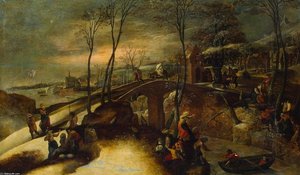
Gillis Mostaert was a remarkably versatile artist, adept at landscape, genre scenes, and historical painting. However, he truly distinguished himself through his captivating winter landscapes, scenes depicting fireside gatherings, and evocative nocturnal settings. These were not merely depictions of scenery; they were highly sought-after commodities during his time, reflecting a growing fascination with atmospheric effects and the subtle nuances of light and shadow. His artistic style was deeply rooted in the Mannerist aesthetic, characterized by a naturalistic portrayal of nature alongside carefully constructed compositions. He populated his canvases with numerous small figures, animating the scenes and drawing the viewer into their world. A keen wit permeated his work as well; legend has it that he included a self-portrait within a resurrection scene, holding his nose against the imagined stench of decay – a testament to his playful approach and willingness to inject personal touches into even religious subjects. The influence of Hieronymus Bosch is also readily apparent in Mostaert’s oeuvre, particularly in compositions derived from tapestries based on Bosch's fantastical creations. Perhaps his most famous work, The Haywain (Allegory on Worldly and Clerical Abuses), exemplifies this inspiration. This complex allegorical painting serves as a scathing critique of the Catholic clergy, exposing greed and illustrating the seven deadly sins with biting satire. Multiple versions of this powerful work exist, each offering a unique perspective on its central theme.Patronage and Workshop Production
Mostaert’s talent did not go unnoticed by prominent patrons of the era. He secured commissions from figures such as François Perrenot de Granvelle, a powerful statesman; Archduke Ernest of Austria; and Archduke Leopold Wilhelm of Austria – demonstrating his ability to cater to the tastes of high society. A particularly significant patron was Filips van Valckenisse, Lord of Hemiksem, an avid art collector who amassed over fifty paintings by Mostaert, solidifying the artist’s reputation and providing him with financial stability. To meet the demands of this patronage and the broader market, Mostaert operated a large and productive workshop. This was common practice for successful artists of the time, allowing them to fulfill numerous commissions while overseeing the work of assistants and apprentices. The workshop became a hub of artistic production in Antwerp, contributing significantly to the city’s flourishing art scene. He frequently employed copper as a support for his oil paintings, a technique that contributed to their luminous quality and enduring appeal.Legacy and Lasting Influence
Gillis Mostaert died in Antwerp in 1598, reportedly burdened by debt, which led to the dispersal of his workshop’s contents among creditors following his death. Despite this unfortunate end, his artistic legacy endured. He played a crucial role in the development of both genre and landscape art within Antwerp, pushing boundaries and inspiring subsequent generations of artists. His incorporation of Mannerist elements into genre painting was particularly innovative, influencing the stylistic evolution of the period. While his workshop’s production sometimes resulted in works of varying quality, the best examples demonstrate Mostaert's skill in capturing atmospheric effects, detailing intricate scenes, and offering insightful social commentary. Today, his paintings are valued for their unique blend of technical mastery, allegorical depth, and evocative power – a testament to the enduring appeal of this Flemish Renaissance master. His works continue to captivate viewers with their ability to transport them to another time and place, inviting contemplation on themes of morality, faith, and the human condition.
Gillis Mostaert
1528 - 1598 , Netherlands
プロフィール概要
- Artistic Movement Or Style: Mannerism, Renaissance
- Artists Or Movements Influenced By This Artist:
- Antwerp genre art
- Mannerist painting
- Artists Who Influenced This Artist:
- Jan Mostaert
- Hieronymus Bosch
- Date Of Birth: 1528
- Date Of Death: 1598
- Full Name: Gillis Mostaert
- Nationality: Flemish
- Notable Artworks:
- The Haywain
- Winter Landscapes
- Scene of War & Fire
- Place Of Birth: Hulst, Netherlands