

 プレビュー
プレビュー
 プリントを購入
 シェアする
シェアする シェアする
シェアする
 詳細を見る
詳細を見る

 ダウンロード
 似ている作品
 X線調査
X線調査 スライドショー
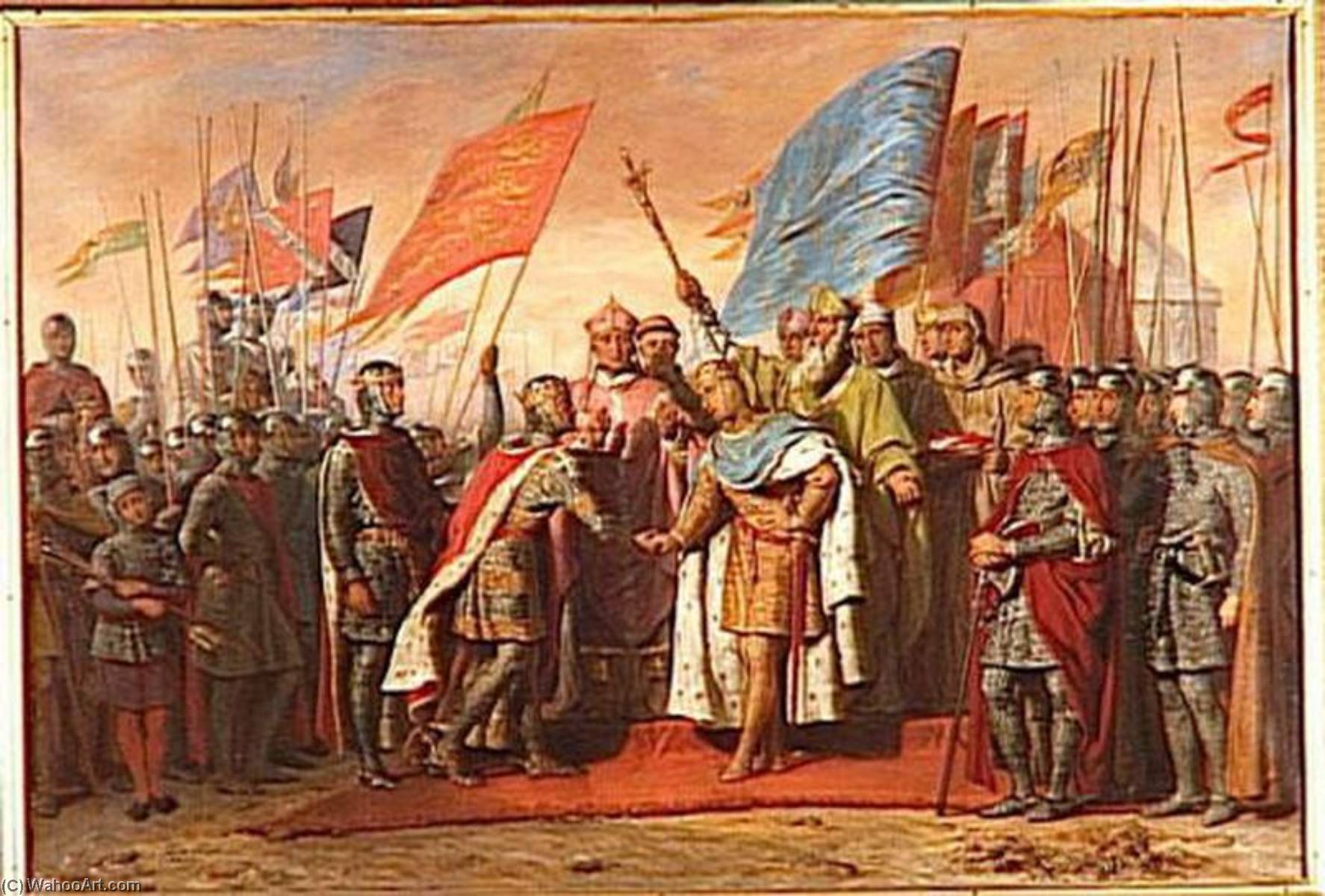
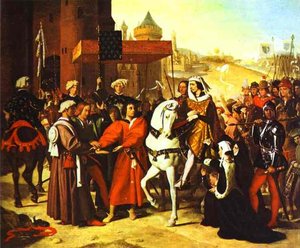
ENTREVUE DE PHILIPPE AUGUSTE AVEC HENRI II A GISORS.21 JANVIER 1188
 詳細を見る
詳細を見る
オンラインプレビューをはるかに凌ぐ、高解像度で鮮明なデジタル画像をご購入いただけます。
各ファイルは、社内の専門家が高度なツールと熟練した手作業によるレタッチを用いて、細心の注意を払って準備されています。すべての画像において、卓越した鮮明度、正確な色彩再現性、そして繊細なディテールを保証いたします。
最終ファイルは、プロフェッショナルな編集・印刷環境ですぐにご利用いただけるよう最適化された状態で、72時間以内にメールにてお届けいたします。これは、一流のデザインスタジオ、出版社、ギャラリーから信頼されているものと同等の品質です。
デジタル画像のご注文に付随する特典
高品質なデジタル画像配信を、確かな品質で。
ArtsDot.com を選ぶことは、単に画像を手に入れることではありません。それは、プロの手によって精密に仕上げられ、満足保証が付いた高品質なデジタルアートワークを受け取ることを意味します。ご注文いただいた際に自動的に付随する内容は、以下の通りです:

メールですぐにお届け
ご注文から72時間以内に、高解像度のデジタル画像ファイルがメールでお手元に届きます。すぐにそのままご利用いただけます。

AI技術で最適化されたデジタルファイル
お客様の作品は、高度なAIツールと専門家による手作業の編集を組み合わせてプロフェッショナルに最適化されており、細部のディテール、鮮明さ、そして正確な色再現性を最大限に引き出しています。

一生涯無料の再送サービス
ファイルを誤って削除したり、紛失してしまったりしましたか?ご安心ください。いつでも無料で再送いたします。

輸入手数料は一切かかりません
関税や手数料、配送料を気にすることなく、お気に入りのアートワークをすぐにお楽しみいただけます。デジタルダウンロードは常に免税です。

色彩再現の保証
プロ仕様のツールとカラーマネジメント技術を用いることで、デジタル画像が元の色を最大限に忠実に再現することを保証いたします。

60日間満足保証
ご購入いただいたデジタル画像にご満足いただけない場合は、60日以内であれば、修正または100%の返金(理由を問う必要はありません)をさせていただきます。

100% 返金保証
ご満足いただけない場合は、デジタルファイルを受け取ってから60日以内であれば、理由を問わず全額返金いたします。

まとめ買い割引
3枚購入で10%OFF - 5枚購入で15%OFF - 10枚以上購入で20%OFF。クリエイティブなプロジェクト、ギャラリー、エージェンシーに最適です。
関連作品





作家の略歴
Gillot Saint-Evre: A Forgotten Painter of Romantic France
The art world often remembers figures in sharp relief, their names echoing through the halls of museums and galleries. Yet, nestled amongst these celebrated masters lies a wealth of talent largely obscured by time – Gillot Saint-Evre (1791-1858), a French painter and engraver whose evocative scenes of historical and literary subjects offer a poignant glimpse into the Romantic sensibilities of 19th-century France. His work, initially lauded for its promise, faded from public view only to be rediscovered in recent decades, revealing an artist of considerable skill and sensitivity.
Saint-Evre’s early life offered little indication of his future artistic pursuits. Born in Boult-sur-Suippe, he embarked on a military career before turning to painting in the 1820s. This shift was dramatically influenced by a positive review of his Salon debut – two scenes depicting Shakespeare's *The Tempest* – penned by none other than Adolphe Thiers, who would later become President of France. This early recognition ignited a passion for literary subjects, leading Saint-Evre to create a series of meticulously researched and beautifully rendered illustrations based on classic works like Sir Walter Scott’s *Quentin Durward* and Alexandre Dumas' *Henry III and His Court*. These weren’t mere reproductions; Saint-Evre infused each image with a palpable sense of atmosphere and character, capturing the spirit of the original narratives.
The Rise and Fall – A Shift in Focus
Despite initial success, Saint-Evre's career took an unexpected turn. A series of ambitious historical paintings, including one depicting Don Quixote, proved commercially unsuccessful, prompting a critical reassessment of his artistic direction. Recognizing the limitations of literary subjects, he decisively abandoned them and turned to history painting – a genre that had become increasingly competitive at the time. This decision marked a significant departure from his earlier work, shifting away from the imaginative interpretations of literature towards more direct representations of historical events.
His new focus centered on medieval France, a period rich with dramatic narratives and heroic figures. The pinnacle of this shift arrived in 1833 at the Salon, where he unveiled *Joan of Arc being presented to King Charles VII*, now housed within the Musée National in Versailles. This monumental work, imbued with Romantic fervor and meticulous detail, solidified his reputation as a master of historical painting. However, despite its acclaim, critics generally viewed these later works as inferior to his earlier portraits, suggesting a decline in artistic quality.
Portraits of Distinction
Saint-Evre’s skill as a portraitist, however, remained consistently high. He produced several notable joint portraits, notably those depicting the architect Joseph-Jacques Ramée and his wife, Caroline. These works demonstrate a remarkable ability to capture not only physical likeness but also the personalities and relationships of his subjects. The paintings are characterized by their elegant compositions, subtle use of light and shadow, and an intimate portrayal of human connection.
Rediscovery and Legacy
Despite continued recognition within artistic circles, Saint-Evre’s work largely faded from public consciousness after his death in 1858. It wasn't until 2016 that “Miranda Playing Chess with Ferdinand,” a captivating scene from Shakespeare’s *The Tempest*, was rediscovered and auctioned off, ultimately finding its way into the Musée de la Vie Romantique in Paris. This rediscovery sparked renewed interest in Saint-Evre’s oeuvre, revealing an artist whose talent deserves to be celebrated.
Today, Gillot Saint-Evre stands as a testament to the often-overlooked figures of 19th-century French art. His paintings offer a valuable window into the Romantic era, showcasing a distinctive blend of historical accuracy, literary inspiration, and emotional depth. Through his evocative depictions of key moments in French history and literature, Saint-Evre continues to captivate viewers with his artistry and sensitivity.
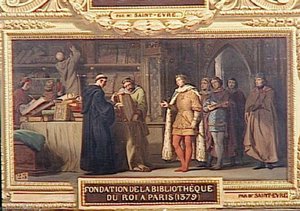
gillot saint evre
1791 - 1858
プロフィール概要
- Artistic Movement Or Style: Romantic, Sentimentalist
- Artists Or Movements Influenced By This Artist: ['None listed']
- Artists Who Influenced This Artist:
- Shakespeare
- Sir Walter Scott
- Alexandre Dumas
- Date Of Birth: 1791
- Date Of Death: 1858
- Full Name: Gillot Saint-Evre
- Nationality: French
- Notable Artworks:
- The Tempest
- Louis XI & Isabelle de Croye
- Joan of Arc
- Miranda Playing Chess
- Place Of Birth: Boult-sur-Suippe, France

