

 プレビュー
プレビュー
 プリントを購入
 シェアする
シェアする シェアする
シェアする
 詳細を見る
詳細を見る

 ダウンロード
 似ている作品
 X線調査
X線調査 スライドショー
Untitled (488)
 詳細を見る
詳細を見る
オンラインプレビューをはるかに凌ぐ、高解像度で鮮明なデジタル画像をご購入いただけます。
各ファイルは、社内の専門家が高度なツールと熟練した手作業によるレタッチを用いて、細心の注意を払って準備されています。すべての画像において、卓越した鮮明度、正確な色彩再現性、そして繊細なディテールを保証いたします。
最終ファイルは、プロフェッショナルな編集・印刷環境ですぐにご利用いただけるよう最適化された状態で、72時間以内にメールにてお届けいたします。これは、一流のデザインスタジオ、出版社、ギャラリーから信頼されているものと同等の品質です。
デジタル画像のご注文に付随する特典
高品質なデジタル画像配信を、確かな品質で。
ArtsDot.com を選ぶことは、単に画像を手に入れることではありません。それは、プロの手によって精密に仕上げられ、満足保証が付いた高品質なデジタルアートワークを受け取ることを意味します。ご注文いただいた際に自動的に付随する内容は、以下の通りです:

メールですぐにお届け
ご注文から72時間以内に、高解像度のデジタル画像ファイルがメールでお手元に届きます。すぐにそのままご利用いただけます。

AI技術で最適化されたデジタルファイル
お客様の作品は、高度なAIツールと専門家による手作業の編集を組み合わせてプロフェッショナルに最適化されており、細部のディテール、鮮明さ、そして正確な色再現性を最大限に引き出しています。

一生涯無料の再送サービス
ファイルを誤って削除したり、紛失してしまったりしましたか?ご安心ください。いつでも無料で再送いたします。

輸入手数料は一切かかりません
関税や手数料、配送料を気にすることなく、お気に入りのアートワークをすぐにお楽しみいただけます。デジタルダウンロードは常に免税です。

色彩再現の保証
プロ仕様のツールとカラーマネジメント技術を用いることで、デジタル画像が元の色を最大限に忠実に再現することを保証いたします。

100日間満足保証
ご購入いただいたデジタル画像にご満足いただけない場合は、100日以内であれば、理由を問わず修正または100%の返金対応をさせていただきます。

100% 返金保証
ご満足いただけない場合は、デジタルファイルを受け取ってから100日以内であれば、理由を問わず全額返金いたします。

まとめ買い割引
3枚購入で10%OFF - 5枚購入で15%OFF - 10枚以上購入で20%OFF。クリエイティブなプロジェクト、ギャラリー、エージェンシーに最適です。
関連作品









作家の略歴
Gino De Dominicis: An Enigmatic Figure of Italian Art
Gino de Dominicis (Ancona, 1947 – Rome, November 29, 1998) remains a profoundly enigmatic figure in the history of Italian art. He resisted easy categorization, refusing to align himself with prevailing movements like Arte Povera or Transavanguardia, and deliberately cultivated an aura of mystery that shaped his entire career. Rather than simply creating works, De Dominicis constructed experiences—often unsettling, always thought-provoking—that challenged conventional notions of art and its role in the world. His life was as carefully orchestrated as his artistic output, a deliberate performance designed to deflect attention from himself and focus it instead on the ideas he sought to convey.
Born into a family with roots in the ceramic industry of Ancona, De Dominicis’s early exposure to craft traditions subtly influenced his later approach. He initially studied at the Istituto Statale d’Arte in Ancona, honing his skills and developing a foundational understanding of artistic principles. However, he quickly moved beyond traditional training, seeking to forge his own path—a path marked by experimentation, intellectual rigor, and a profound engagement with themes of time, mortality, and the elusive nature of reality. His early exhibitions at his father’s gallery established a reputation for unconventionality, showcasing works that hinted at the complex ideas he would later explore.
The Venice Biennale and the Shadow of Paolo Rosa
De Dominicis's breakthrough moment arrived in 1972 with his participation in the Venice Biennale. The exhibition, curated by Francesco Arcangeli, Renato Barilli, and Marco Valsecchi, was a landmark event that showcased both established and emerging artists pushing the boundaries of artistic expression. De Dominicis’s contribution—a young man with Down syndrome seated quietly in a corner of the gallery—immediately sparked controversy and debate. The incident, dubbed “The Second Solution of Immortality,” became a defining moment in his career, transforming him from an obscure artist into a subject of intense scrutiny and fascination.
As recounted by Pier Paolo Pasolini, the decision to include Mr. Paolo Rosa was not driven by a desire for social commentary but rather by a philosophical experiment—a deliberate provocation designed to expose the inherent contradictions within the art world. The immediate removal of Rosa after only an hour underscored De Dominicis’s commitment to his own rules and his willingness to challenge conventional expectations. This event, though fraught with ethical complexities, cemented De Dominicis's place in the annals of Biennale history and established a pattern of deliberate disruption that would characterize much of his work.
A Dual Trajectory: Installations and Painting
De Dominicis’s artistic output can be broadly divided into two distinct phases. From the late 1960s through the mid-1970s, he primarily engaged in creating installations and sculptures—often incorporating unconventional materials and challenging viewers to reconsider their perceptions of space and time. These works, frequently exhibited in Rome at L’Attico, explored themes of mortality, memory, and the relationship between the visible and invisible realms.
Beginning in the early 1980s, De Dominicis shifted his focus almost exclusively to figurative painting. He continued to employ tempera and pencil on paper, eschewing oil paints or canvas—a deliberate choice that reflected his desire for a more direct and immediate connection with the subject matter. His paintings, characterized by their stark simplicity and haunting imagery, often depicted ancient myths and esoteric figures—Gilgamesh, Urvashi, and other archetypal characters grappling with fundamental questions of existence.
Influences and Legacy
De Dominicis’s work resists easy categorization, yet it is clear that he was deeply influenced by a wide range of sources. His interest in Sumerian mythology—particularly the stories of Gilgamesh and Urvasi—reflects a fascination with ancient civilizations and their attempts to grapple with the mysteries of life and death. The influence of Jannis Kounellis’s *Dodici Cavalli Vivi* at L’Attico is also evident in De Dominicis's early installations, which similarly sought to blur the boundaries between art and reality.
Despite his deliberate efforts to remain outside the mainstream art world, De Dominicis exerted a significant influence on a generation of younger Italian artists, including Maurizio Cattelan, Paola Pivi, Pietro Roccasalva, and Diego Perrone. His legacy lies not in any particular style or movement but rather in his unwavering commitment to artistic autonomy—his refusal to compromise his vision and his willingness to challenge the conventions of the art world. The retrospective exhibition at Maxxi in Rome in 2010, curated by Achille Bonito Oliva, finally brought De Dominicis’s work to a wider audience, solidifying his place as one of the most intriguing and challenging figures of contemporary Italian art.
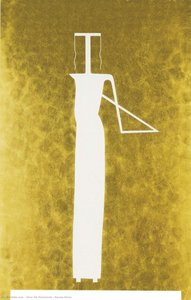
gino de dominicis
1947 - 1998
プロフィール概要
- Artistic Movement Or Style: Experimental art
- Artists Or Movements Influenced By This Artist:
- Maurizio Cattelan
- Paola Pivi
- Artists Who Influenced This Artist: ['Edgardo Mannucci']
- Date Of Birth: 1947
- Date Of Death: 1998
- Full Name: Gino de Dominicis
- Nationality: Italian
- Notable Artworks:
- Calamita Cosmica
- Untitled (488)
- Seconda soluzione d’immortalità
- Place Of Birth: Ancona, Italy