 プレビュー
プレビュー
 シェアする
シェアする シェアする
シェアする
 詳細を見る
詳細を見る

 ダウンロード
 似ている作品
 X線調査
X線調査 スライドショー
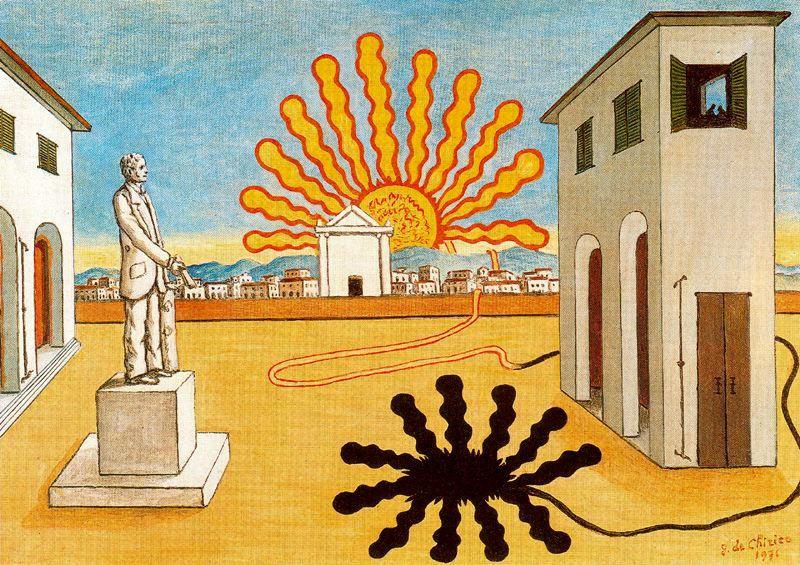
Rising sun on the plaza


 詳細を見る
詳細を見る
ジークレー/アートプリント
迅速な制作と多彩な仕上げオプションを備えた、ミュージアムクオリティのジークレーまたはキャンバスプリント。 ( 手描きの絵画を購入 画像を購入)




P118B $10

P118H $10

P118W $10

P438Z $10

P508JH $12

P508YH $12

P805H $10

P805Z $10

P919BZ $10

P919G $10

P919XJ $10

P959ZH $10

P968JZ $12

W106C $8

W218G $10

W218JH $8

W218Y $10

W307PJ $10

W316G $10

W316PJ $8

W316Y $10

W398PJ $8

W4111J $10

W500HY $15

W500JH $15

W692G $12

W849H $8

W940BG $15

W953PJ $8




作品のオリジナル比率に合わせた、当店の規定サイズからお選びください。

特定のフレームやスペースに合わせて、ご自身でサイズを指定することも可能です。選択されたサイズが元の画像の比率と一致しない場合、作品をトリミングするか、鏡面反射または単色での塗りつぶしによって画像を拡張いたします。制作を開始する前に、ご確認用のデジタルモックアップをお送りいたします。
画面上のプレビューには、実際のトリミングや拡張は反映されませんのでご注意ください。最終的な構図を正確に確認できるのは、モックアップのみとなります。
カスタムサイズも承っておりますが、元の比率を維持するためには、あらかじめ用意されたリストからサイズを選択することをお勧めいたします。


 ガラスオプションは、110cm未満のサイズでのみご利用いただけます。

Rising sun on the plaza
ジークレー/アートプリント
複製画のサイズ
-


合計金額
$ 62
作品詳細説明
A Vision of Disquiet: Decoding Giorgio de Chirico’s ‘Rising Sun on the Plaza’
This captivating work by Giorgio de Chirico, painted in 1976, is a quintessential example of his mature Metaphysical style – a visual language that profoundly influenced Surrealism. ‘Rising Sun on the Plaza’ isn't merely a depiction of an urban landscape; it’s a carefully constructed dreamscape imbued with unsettling symbolism and psychological weight.Subject & Composition: A Stage for the Unconscious
The painting presents a fragmented cityscape viewed through a distinctly hallucinatory lens. Simplified, blocky buildings dominate the scene, their forms deliberately distorted to create a sense of unease. A powerful sunburst – a recurring motif in de Chirico’s work – takes center stage, radiating outwards with an almost oppressive energy. A thick red line extends from this solar form, intersecting with a complex shadow shape that evokes both an eye and a vortex, drawing the viewer into its depths. In the foreground, a solitary statue of a man stands as a silent observer to this chaotic spectacle, while a distant cityscape unfolds under a bright blue sky – a jarring contrast between serenity and turmoil. The composition is deliberately unbalanced, fostering a feeling of disorientation and instability.Style & Technique: Metaphysical Mastery
De Chirico’s style in ‘Rising Sun on the Plaza’ blends elements of Surrealism and Cubism. The distorted perspective, fragmented forms, and symbolic imagery are hallmarks of his unique artistic vision. The technique is primarily graphic, characterized by flat areas of color and strong outlines. This creates a sense of detachment and artificiality, further enhancing the dreamlike quality of the scene. It’s likely executed with paint on canvas, potentially incorporating ink or marker for the bold black shapes that define much of the composition. The lack of traditional modeling and emphasis on geometric forms contribute to its abstract nature.Historical Context: Echoes of a Troubled Era
Giorgio de Chirico (1888-1978) was born in Greece to Italian parents, and his work often reflects a sense of displacement and alienation. He founded the Scuola Metafisica art movement in 1910, which sought to explore the hidden realities beyond the visible world – the realm of dreams, memories, and psychological states. Painted in 1976, towards the end of his life, ‘Rising Sun on the Plaza’ can be seen as a culmination of these themes, perhaps reflecting anxieties about modernity, societal fragmentation, or even personal turmoil. De Chirico's work profoundly impacted artists like Salvador Dalí and René Magritte, shaping the course of Surrealist art.Symbolism & Emotional Impact: A World Out of Joint
The symbolism within ‘Rising Sun on the Plaza’ is rich and open to interpretation. The sun, often a symbol of life and energy, here feels ominous and overwhelming. The statue could represent humanity's passive observation of its own impending doom or a longing for a lost sense of order. The eye/vortex shape suggests hidden depths, subconscious forces, or the inescapable gaze of fate.- Anxiety & Disquiet: The overall effect is one of profound unease and psychological tension.
- Critique of Modernity: The fragmented cityscape may be interpreted as a commentary on the alienation and dehumanization of modern urban life.
- Existential Questions: The painting invites contemplation about our place in the universe and the nature of reality itself.
関連作品
アーティストの略歴
精神の夢幻風景:ジョルジオ・デ・キリコの生涯と芸術
1888年、ギリシャのヴォロスにて、ジェノヴァ出身の母とシチリア出身の父というイタリア人の両親のもとに生を受けたジョルジオ・デ・キリコの芸術的な旅路は、古典的な遺産と、芽生えつつあった近代的な疎外感の両方に深く浸されたものでした。アテネ・ポリテクニックでの初期教育は伝統的な技法の基礎を築きましたが、彼の創造的精神に真の火を灯したのは、その後のミュンヘンでの研鑽でした。戦前ヨーロッパの知的な熱狂の中で、彼はアルノルト・ボクリンやマックス・クリンガーといった画家たちと出会います。彼らの象徴的な風景画や、見る者の心を捉えて離さない不気味なイメージは、デ・キリコ自身の発展していく美意識と深く共鳴しました。また、当時の哲学的な潮流、すなわちフリードリヒ・ニチェ、アルトゥル・ショーペンハウアー、オットー・ヴァイニングアーの著作も同様に大きな影響を与えました。それらは実存主義、人間の欲望の不合理さ、そして現実の主観的な性質といったテーマを探求しており、これらの思想はデ・キリコの画期的な芸術的ビジョンの核心となっていくのです。形而上絵画の誕生
1909年頃、デ・キリコの探求から独自のスタイルが立ち現れ始めました。彼自身が「形而上(メタフィジカル)」と名付けたその芸術です。これは単なる様式上の革新ではありませんでした。それは、日常生活の表面下に隠された真実を捉えようとする深遠な試みであり、見慣れた空間の中に潜む、言いようのない詩情を明らかにしようとする試みだったのです。決定的な瞬間は、フィレンツェへの訪問とサンタ・クローチェ広場での経験によって訪れ、それが彼の象りとされる「形而上学的な広場」シリーズの火付け役となりました。これらの絵画は、不気味な静寂、長く伸びる劇的な影、論理を欠いた遠近法、そして古典建築と、顔のないマネキンやそびえ立つ彫像といった不安をかき立てる要素との並置を特徴としています。その効果は深く心をざわつかせ、郷愁や孤独感、そして失われたものや手の届かないものに対する、耐えがたいほどの切望を呼び起こします。デ・キリコは「形而上学派(スクオーラ・メタフィジカ)」を創設し、シュルレアリスムに多大な影響を与えましたが、後に彼は自身の作品に対するシュルレアリスム側の解釈とは距離を置くことになります。彼の絵画は夢の挿絵として描かれたのではなく、むしろ目に見える世界を超えた現実――時間と空間が流動的であり、意識と無意識の境界が曖き領域――を描写しようとする試みだったのです。『考える人の苦悩』、『秋の午後の謎』、『愛の歌』といった名作は、この心に焼き付くような美学を体現しており、観る者を存在の神秘と人間知覚の脆さへの瞑想へと誘います。様式の変遷と不朽の遺産
第一次世界大戦後の1919年頃、デ・キリコの芸術的な歩みは予期せぬ転換を迎えました。彼はそれまでの形而上学的なアプローチを拒絶し、代わりに、より伝統的な新古典主義やネオ・バロック様式へと傾倒していったのです。この変化は大きな論争を巻き起こしました。多くの批評家は、作品の質の低下を嘆き、初期の仕事を定義づけていた革新的な精神を彼が捨て去ったと非難しました。しかし、デ_キリコは自らの芸術的選択に揺らぐことはありませんでした。彼は過去のテーマを再訪しながらも、それを異なる美学的感性で描き出していきました。生涯を通じて精力的に描き続け、展示を繰り返した彼は、職人技と技術への一貫した献身を維持しながら、様々な様式や主題を探求し続けました。批判があったにもかかわらず、後世の芸術家たちに与えた彼の影響は、いくら強調してもしすぎることはありません。空間、遠近法、そして象徴主義における彼の革新的な使い方は、従来の芸術的規範に挑戦し、新たな表現形式への道を切り拓いたのです。影響と永続するインパクト
デ・キリコの作品は、19世紀後半の象徴主義運動と、20世紀初頭に台頭したシュルレアリスムを結ぶ極めて重要な架け橋として存在しています。アルノルト・ボクリンやマックス・クリンガーといった画家たちから直接的な影響を受け、彼らの喚起力のあるイメージは、神話や潜在意識に対するデ・キリコ自身の魅惑と共鳴しました。また、ニチェやショーペンハウアーといった哲学者は、実存的な不安、疎外感、そして一見無意味な世界における意味の探求というテーマを探究するための枠組みを彼に提供しました。しかし、デ・キリコの影響はシュルレアリスムだけに留まりませんでした。ルネ・マグリットやサルバドール・ダリといった芸術家たちは、彼の形而上絵画から深いインスピレーションを受け、並置、不合理な遠近法、象徴的なイメージといった技法を取り入れ、彼ら自身の夢のような世界を創造しました。彼の作品はまた、日常の現実をより高められた神秘性と心理的深みをもって描こうとした「マジック・リアリズム」などの後続の運動にも影響を与えました。今日、デ・キリコの絵画は、ローマのスペイン階段近くにある彼に捧げられた美術館をはじめ、世界中の主要な美術館で展示されており、20世紀美術における最も重要な人物の一人としての彼の遺産は、確固たるものとして守られています。彼は単なる作品群を残しただけでなく、新しい「見方」を私たちに残してくれました。それは、世界を隠された意味、不安をかき立てる美、そして永劫に続く神秘に満ちた場所として捉える、新たな知覚のあり方なのです。主要な影響と芸術的系譜
- 影響を与えたもの: アルノルト・ボクリン、マックス・クリンガー、フリードリヒ・ニチェ、アルトゥル・ショーペンハウアー
- 影響を受けたもの: シュルレアリスム(特にルネ・マグリットやサルバドール・ダリなどの芸術家)、およびマジック・リアリズムなどの後続の運動
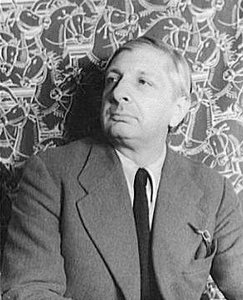
ジョルジオ・デ・キリコ
1888 - 1978 , ギリシャ
基本情報
- Artistic Movement Or Style: メタフィジカル美術
- Artists Or Movements Influenced By This Artist: ['シュルレアリスム']
- Artists Who Influenced This Artist:
- アルンホルド・ボクリン
- マックス・クリンガー
- フリードリヒ・ニチェ
- Date Of Birth: 1888年7月10日
- Date Of Death: 1978年11月20日
- Full Name: ジョルジオ・デ・キリコ
- Nationality: イタリア人
- Notable Artworks:
- 思考者の苦悩
- 秋の日の謎
- Place Of Birth: ヴォロス、ギリシャ
関連記事
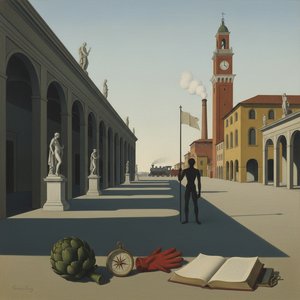
Giorgio de Chirico: Metaphysical Realities & the Poetics of Absence
Explore the captivating world of Giorgio de Chirico and his groundbreaking Metaphysical painting movement. Discover the philosophical depths & surreal imagery that influenced generations of artists. Learn more at ArtsDot.
Beyond Reality's Veil: Exploring the Enigmatic World of Metaphysical Art
Explore the captivating world of Metaphysical art with ArtsDot. Discover Giorgio de Chirico's iconic paintings, philosophical influences & lasting impact on Surrealism. Expert insights for collectors.

ゴヤ傑作25選:スペインの魂を揺さぶる、深遠な芸術の世界 | ArtsDot
ゴヤ傑作25選:ロマン主義を代表するスペインの巨匠、フランシスコ・デ・ゴヤの世界へ。黒衣の女からマハまで、魂を揺さぶる絵画の物語と技法を紐解きます。ArtsDotで高品質なアートレプリカを見つけ、インテリアに深みと風格を。今すぐコレクションをご覧ください。

About Us
Discover our story! We bring world-class art into your life through expert curation, personalized creations, and free previews. Trusted by individuals and businesses since 2000.
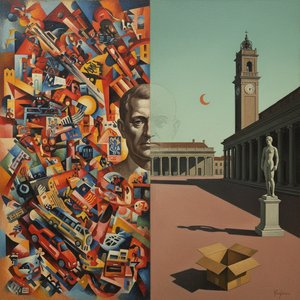
Carlo Carrà: Futurist Visions & Metaphysical Transformations in Early 20th-Century Italian Painting
Explore the artistic journey of Carlo Carrà, a pivotal figure in Italian Futurism & Metaphysical painting. Discover his dynamic compositions, collaborations with de Chirico, and lasting influence on modern art history.