

 プレビュー
プレビュー
 プリントを購入
 シェアする
シェアする シェアする
シェアする
 詳細を見る
詳細を見る

 ダウンロード
 似ている作品
 X線調査
X線調査 スライドショー
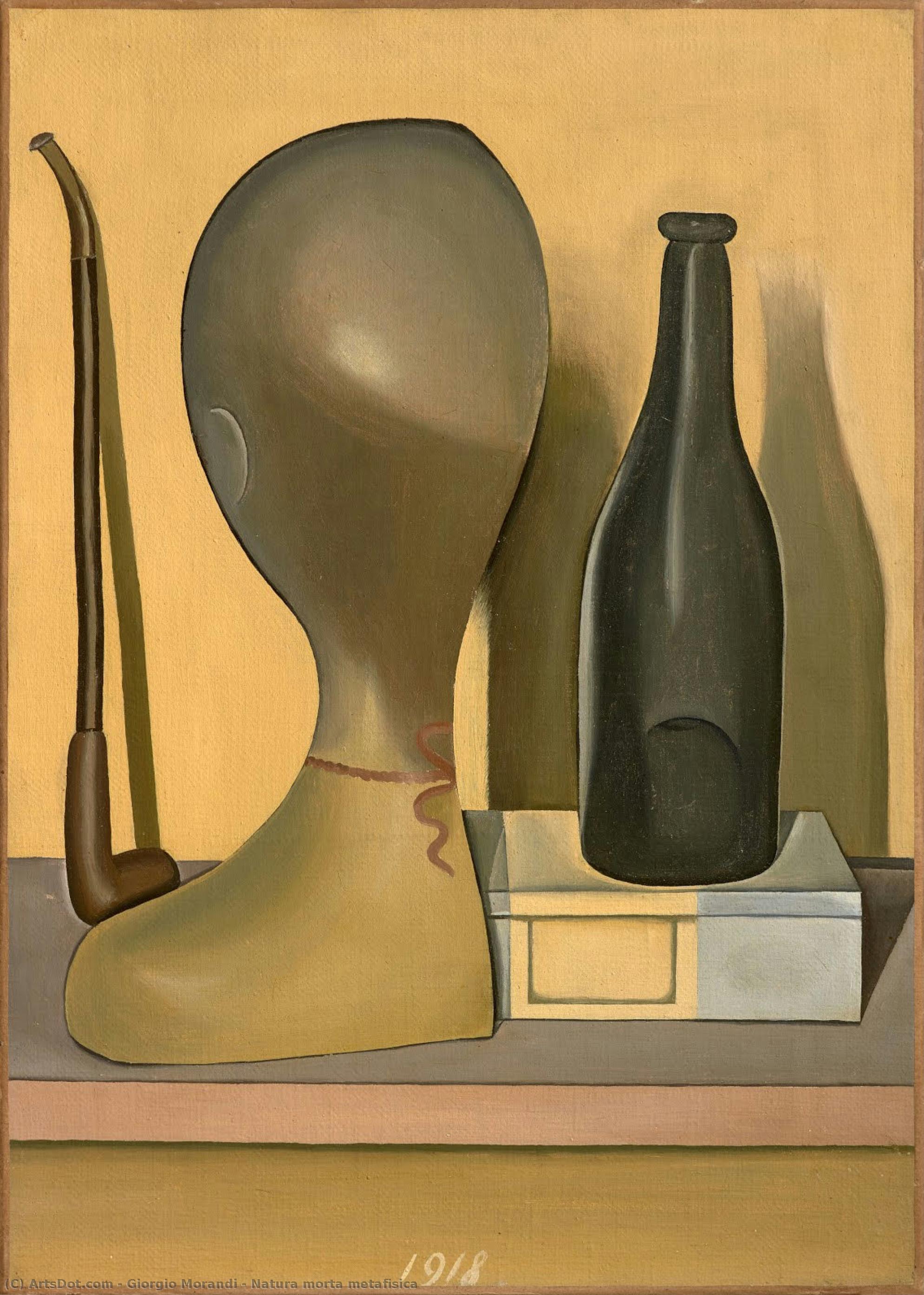
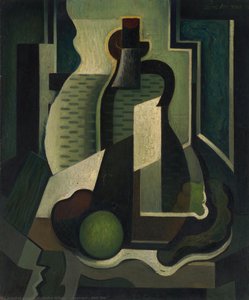
Natura morta metafisica
 Oil On Canvas
- WallArt
- MetafisicalArt
 1918
1918- Modern
 54.0 x 38.0 cm
 Fondazione Magnani-Rocca
 詳細を見る
詳細を見る
オンラインプレビューをはるかに凌ぐ、高解像度で鮮明なデジタル画像をご購入いただけます。
各ファイルは、社内の専門家が高度なツールと熟練した手作業によるレタッチを用いて、細心の注意を払って準備されています。すべての画像において、卓越した鮮明度、正確な色彩再現性、そして繊細なディテールを保証いたします。
最終ファイルは、プロフェッショナルな編集・印刷環境ですぐにご利用いただけるよう最適化された状態で、72時間以内にメールにてお届けいたします。これは、一流のデザインスタジオ、出版社、ギャラリーから信頼されているものと同等の品質です。
デジタル画像のご注文に付随する特典
高品質なデジタル画像配信を、確かな品質で。
ArtsDot.com を選ぶことは、単に画像を手に入れることではありません。それは、プロの手によって精密に仕上げられ、満足保証が付いた高品質なデジタルアートワークを受け取ることを意味します。ご注文いただいた際に自動的に付随する内容は、以下の通りです:

メールですぐにお届け
ご注文から72時間以内に、高解像度のデジタル画像ファイルがメールでお手元に届きます。すぐにそのままご利用いただけます。

AI技術で最適化されたデジタルファイル
お客様の作品は、高度なAIツールと専門家による手作業の編集を組み合わせてプロフェッショナルに最適化されており、細部のディテール、鮮明さ、そして正確な色再現性を最大限に引き出しています。

一生涯無料の再送サービス
ファイルを誤って削除したり、紛失してしまったりしましたか?ご安心ください。いつでも無料で再送いたします。

輸入手数料は一切かかりません
関税や手数料、配送料を気にすることなく、お気に入りのアートワークをすぐにお楽しみいただけます。デジタルダウンロードは常に免税です。

色彩再現の保証
プロ仕様のツールとカラーマネジメント技術を用いることで、デジタル画像が元の色を最大限に忠実に再現することを保証いたします。

100日間満足保証
ご購入いただいたデジタル画像にご満足いただけない場合は、100日以内であれば、理由を問わず修正または100%の返金対応をさせていただきます。

100% 返金保証
ご満足いただけない場合は、デジタルファイルを受け取ってから100日以内であれば、理由を問わず全額返金いたします。

まとめ買い割引
3枚購入で10%OFF - 5枚購入で15%OFF - 10枚以上購入で20%OFF。クリエイティブなプロジェクト、ギャラリー、エージェンシーに最適です。
A Haunting Encounter with the Metaphysical
In the quiet, shadowed corners of early 20th-century modernism, few works possess the unsettling magnetism of Giorgio Morandi’s Natura morta metafisica. Painted in 1918, this masterpiece serves as a profound departure from the serene, minimalist still lifes for which Morandi later became globally renowned. Instead, we are presented with a composition that breathes with the tension of Surrealism and the fractured geometry of Cubism. At first glance, the eye is drawn to the central, stylized human head—a presence that feels both monumental and ghostly. This figure does not merely sit upon the table; it haunts it, juxtaposed against a collection of mundane objects including a pipe, a bottle, and a box. The arrangement is deliberately unbalanced, creating a psychological friction that pulls the viewer into a dreamlike state where the boundaries between reality and the subconscious begin to dissolve.
The technical execution of this piece reveals Morandi’s masterful command over atmosphere and light. Utilizing an oil on canvas technique, the artist employs a somber, restricted palette dominated by deep browns, charcoal blacks, and muted grays. These heavy tones are punctuated only by sudden, sharp whispers of red and yellow, which act as focal points within the gloom. The lighting is diffused and remarkably even, casting soft shadows that do not provide depth so much as they emphasize a haunting flatness. This flattened perspective forces the viewer to confront the objects on a single plane, stripping away the comfort of realistic space and replacing it with an angular, geometric rigidity. Every brushstroke, though subtle, contributes to a texture that feels both smooth and heavy, lending a physical weight to the ephemeral subject matter.
Symbolism and the Weight of Existence
Beyond its striking visual arrangement, Natura morta metafisica is a profound meditation on identity and mortality. The inclusion of the human head within a traditional still life—a genre typically reserved for inanimate objects—creates a jarring ontological shift. The red ribbon encircling the neck serves as a poignant symbol; it is an element of adornment that simultaneously suggests vulnerability, perhaps even a tether to the physical world. Through this unexpected combination of recognizable items presented in an unconventional, distorted manner, Morandi explores the concept of the "metaphysical"—the unseen truths that lie beneath the surface of everyday existence. The painting invites us to contemplate the fragility of life and the silent, enduring presence of memory.
For the discerning collector or interior designer, this artwork offers more than mere decoration; it provides a focal point of intellectual and emotional depth. Its moody, monochromatic elegance makes it an extraordinary addition to sophisticated spaces that value quiet contemplation and historical significance. Whether placed in a contemporary gallery setting or a classic study, the painting’s ability to evoke melancholy, mystery, and awe remains undiminished. Owning a high-quality reproduction of this work allows one to bring a piece of art history's most enigmatic era into the home, offering a window into a moment when the masters were redefining the very essence of what it means to see.
関連作品
![Still Life With News Paper [nature Morte Au Journal] — モーゼ・キスリング, Early Cubism](/media/artworks/images-thumb/e3/c5/e3c587dd20791f92ea0970da69fea431.jpg)
作家の略歴
A Life Submerged in Stillness
Giorgio Morandi, a name synonymous with quiet contemplation and subtle beauty, was an Italian painter and printmaker who dedicated his life to exploring the profound within the seemingly mundane. Born in Bologna in 1890, he remained deeply rooted in his native city throughout his existence, rarely venturing beyond its familiar landscapes. This geographical steadfastness mirrored a thematic consistency in his art—an unwavering focus on still life that would define his legacy. Morandi’s early life was marked by loss; the death of his father when he was young placed a significant responsibility upon him to support his mother and sisters, a circumstance that perhaps fostered an introspective nature reflected in his work. He entered the Accademia di Belle Arti di Bologna in 1907, initially excelling within its traditional framework, but soon began to diverge, seeking a more personal artistic language. His self-taught mastery of etching techniques, inspired by artists like Rembrandt, would become another crucial facet of his creative output alongside painting.From Futurism to Metaphysics and Beyond
Morandi’s artistic journey wasn't one of abrupt revolutions but rather a gradual distillation of form and feeling. A pivotal trip to Florence in 1910 exposed him to the Renaissance masters—Giotto, Masaccio, Piero della Francesca, and Paolo Uccello—whose influence can be discerned in his early compositions’ careful attention to volume and spatial relationships. He briefly flirted with Futurism in 1914, drawn to its energy and dynamism, but quickly moved beyond its tenets, finding it ultimately incompatible with his own burgeoning aesthetic sensibilities. A more significant period of experimentation occurred between 1918 and 1922 when he engaged with the Metaphysical painting movement alongside Giorgio de Chirico and Carlo Carrà. This association encouraged a deeper exploration of form, space, and the enigmatic qualities of everyday objects, laying the groundwork for his signature style. However, Morandi ultimately transcended these influences, forging a path uniquely his own—one characterized by an almost monastic dedication to simplicity and nuance.The Poetry of Ordinary Objects
Morandi’s art is defined by its singular focus: still life. He painted vases, bottles, jars, boxes, and occasionally landscapes with relentless consistency, yet never with repetition. Each arrangement was a new exploration of form, light, and color. His mastery lay not in depicting objects as they *are*, but rather in revealing their inherent presence—their weight, texture, and the subtle interplay of shadows that define their volume. He stripped away extraneous detail, reducing forms to their essential geometry, yet imbuing them with a profound sense of atmosphere. Subtle tonal variations were his hallmark; he employed muted palettes – grays, browns, ochres, and creams – to create an almost ethereal quality, evoking a feeling of quietude and introspection. A defining characteristic of his later work was the creation of an atmospheric haze that enveloped his subjects, softening edges and unifying the composition. This wasn’t merely about depicting objects; it was about capturing the *feeling* of being in their presence—the stillness of light, the weight of silence. He sought to find the universal within the particular, elevating humble objects to a level of poetic significance.Legacy and Enduring Influence
Throughout his prolific career – encompassing over 1350 oil paintings, 133 etchings, and countless drawings and watercolors – Morandi received significant recognition, participating in prestigious exhibitions like the Venice Biennale and the Quadriennale in Rome. He was awarded first prize at the São Paulo Bienal in 1957, a testament to his growing international acclaim. However, perhaps his most lasting impact lies not in accolades but in his influence on subsequent generations of artists. His quiet, contemplative style anticipated the minimalist movement of the late 20th century, inspiring artists who sought to reduce painting to its essential elements. Morandi’s work offered a powerful counterpoint to the anxieties and upheavals of the modern world, providing viewers with a refuge—a space for contemplation and inner peace. He demonstrated that profound beauty could be found not in grand narratives or dramatic gestures, but in the subtle nuances of everyday life. His legacy continues to resonate today, reminding us of the power of stillness, simplicity, and the enduring allure of the ordinary.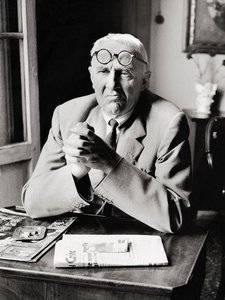
Giorgio Morandi
1890 - 1964 , Italy
プロフィール概要
- Artistic Movement Or Style: Modernism, Metaphysical Painting
- Artists Or Movements Influenced By This Artist: ['Minimalism']
- Artists Who Influenced This Artist:
- Giotto
- Masaccio
- Piero della Francesca
- Rembrandt
- Cézanne
- Date Of Birth: July 20, 1890
- Date Of Death: June 18, 1964
- Full Name: Giorgio Morandi
- Nationality: Italian
- Notable Artworks:
- Still Life (1943)
- Still life (1948)
- Untitled (517)
- Place Of Birth: Bologna, Italy