 プレビュー
プレビュー
 シェアする
シェアする シェアする
シェアする
 詳細を見る
詳細を見る

 ダウンロード
 似ている作品
 X線調査
X線調査 スライドショー
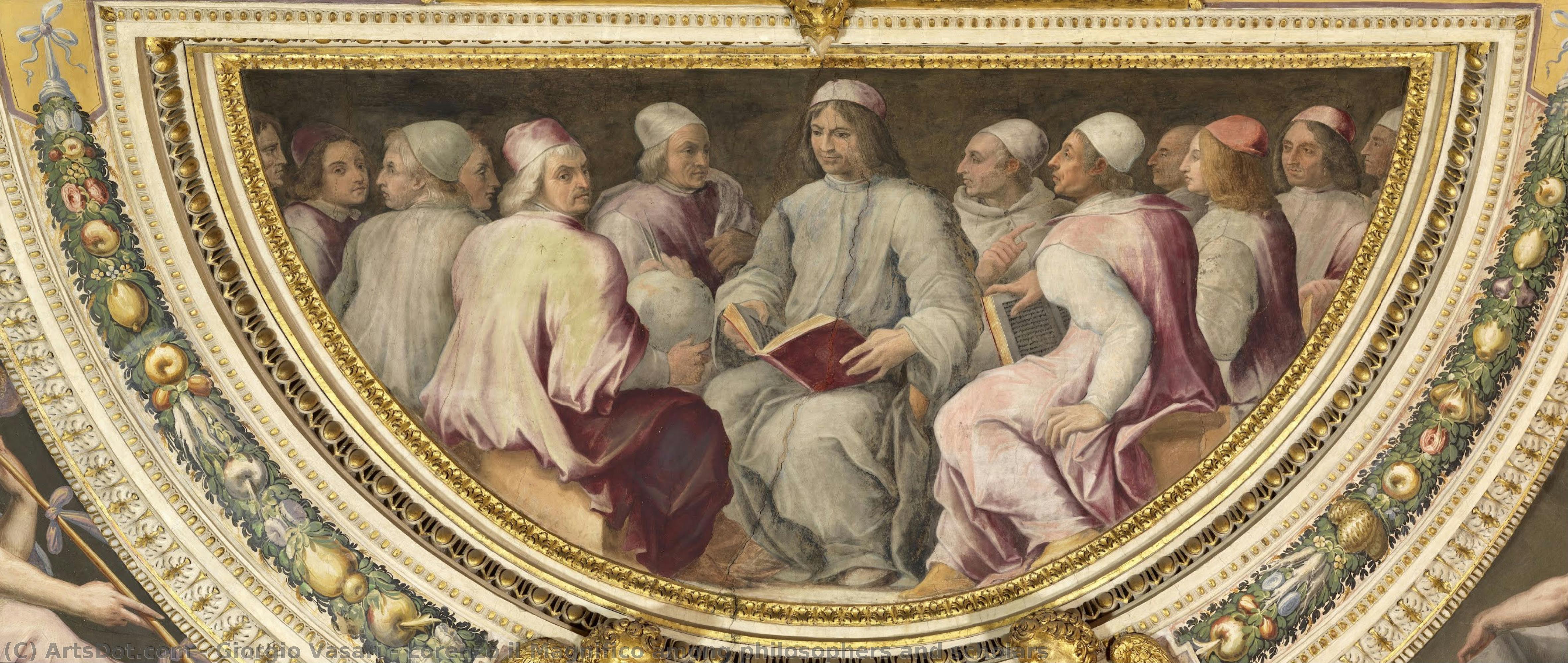
Lorenzo il Magnifico among philosophers and scholars


 詳細を見る
詳細を見る
ジークレー/アートプリント
迅速な制作と多彩な仕上げオプションを備えた、ミュージアムクオリティのジークレーまたはキャンバスプリント。 ( 手描きの絵画を購入 画像を購入)




P118B $10

P118H $10

P118W $10

P438Z $10

P508JH $12

P508YH $12

P805H $10

P805Z $10

P919BZ $10

P919G $10

P919XJ $10

P959ZH $10

P968JZ $12

W106C $8

W218G $10

W218JH $8

W218Y $10

W307PJ $10

W316G $10

W316PJ $8

W316Y $10

W398PJ $8

W4111J $10

W500HY $15

W500JH $15

W692G $12

W849H $8

W940BG $15

W953PJ $8




作品のオリジナル比率に合わせた、当店の規定サイズからお選びください。

特定のフレームやスペースに合わせて、ご自身でサイズを指定することも可能です。選択されたサイズが元の画像の比率と一致しない場合、作品をトリミングするか、鏡面反射または単色での塗りつぶしによって画像を拡張いたします。制作を開始する前に、ご確認用のデジタルモックアップをお送りいたします。
画面上のプレビューには、実際のトリミングや拡張は反映されませんのでご注意ください。最終的な構図を正確に確認できるのは、モックアップのみとなります。
カスタムサイズも承っておりますが、元の比率を維持するためには、あらかじめ用意されたリストからサイズを選択することをお勧めいたします。


 ガラスオプションは、110cm未満のサイズでのみご利用いただけます。

Lorenzo il Magnifico among philosophers and scholars
ジークレー/アートプリント
複製画のサイズ
-


合計金額
$ 62
作品詳細説明
Lorenzo il Magnifico among Philosophers and Scholars – A Window into Florentine Renaissance Thought
- A Gathering of Minds: Giorgio Vasari’s fresco, “Lorenzo il Magnifico among philosophers and scholars,” offers a captivating glimpse into the intellectual heart of 16th-century Florence. Completed in 1558, this vibrant scene depicts Lorenzo de' Medici – ‘il Magnifico’ – surrounded by a diverse group of thinkers, artists, and learned men engaged in animated discussion. The painting isn’t merely a portrait; it’s a meticulously crafted tableau representing the flourishing humanist movement that defined the Florentine Renaissance.
- Vasari's Narrative Technique: Vasari, himself a prolific writer and historian of art, employed his signature narrative style to bring this scene to life. He masterfully uses composition – the figures are arranged in a dynamic pyramid, drawing the viewer’s eye towards Lorenzo at the apex – to convey a sense of movement and engagement. The use of light and shadow, characteristic of High Renaissance painting, adds depth and realism to the depiction of each individual.
- A Portrait of Patronage: Lorenzo de' Medici, known for his patronage of the arts and sciences, is central to this work. His presence signifies Florence’s position as a leading cultural center. The surrounding figures represent the breadth of intellectual pursuits valued during this era – philosophy, literature, architecture, and the visual arts were all considered vital components of a well-rounded education and civic life.
Subject Matter and Composition
- A Richly Layered Scene: The fresco depicts at least thirteen individuals, each rendered with remarkable attention to detail. They are engaged in various activities – some gesturing emphatically, others absorbed in conversation, a few examining books or scrolls. This layering of activity creates a sense of bustling intellectual exchange, capturing the spirit of debate and discovery that was so central to Renaissance thought.
- Spatial Dynamics: Vasari skillfully utilizes spatial relationships to enhance the narrative. The figures are arranged within a richly decorated room, suggesting a private salon or study – a space conducive to philosophical discussion. The use of chairs and tables adds to the sense of intimacy and engagement, while the backdrop of a wall provides depth and context.
Historical Context and Symbolism
- The High Renaissance in Florence: “Lorenzo il Magnifico” was created during the High Renaissance, a period marked by a renewed interest in classical antiquity and a celebration of human potential. The painting reflects this spirit through its emphasis on intellectual discourse, artistic achievement, and the pursuit of knowledge.
- Symbolic Representation: While specific symbolic meanings are open to interpretation, the inclusion of books and scrolls undoubtedly represents learning and scholarship. The diverse range of clothing styles among the figures suggests a cross-section of Florentine society – artists, scholars, and perhaps even members of the nobility.
Artistic Technique and Legacy
- Fresco Technique: Vasari executed this work using the traditional fresco technique, applying pigments to wet plaster. This method ensured that the image was permanently bound to the wall, creating a durable and enduring artwork. The vibrant colors and fine details achieved through fresco demonstrate Vasari’s mastery of this demanding medium.
- Vasari's Influence: “Lorenzo il Magnifico” is significant not only for its artistic merit but also for its role in establishing Giorgio Vasari as a leading art historian. His subsequent writings, including *Lives of the Most Excellent Painters, Sculptors, and Architects*, relied heavily on paintings like this one to illustrate his arguments about the development of Western art.
関連作品

アーティストの略歴
ルネサンスの精神を体現した生涯
ジョルジョ・ヴァザーリは、1511年7月30日にトスカーナ州アレッツォで生まれました。単なる画家というだけでなく、イタリア・ルネサンスの精神そのものを体現する人物でした。彼の人生は、芸術的創造、建築的革新、洞察力に富んだ歴史的考察、そして先人たちの偉業を称える揺るぎない献身という糸で織りなされた、鮮やかなタペストリーのように展開されました。幼少の頃、ステンドグラスの熟練職人であるグリエルモ・ダ・マルシリアの下で訓練を受けたヴァザーリは、視覚芸術への道を歩み始めました。しかし、16歳でフィレンツェに移ったことが、彼の潜在能力を真に引き出すきっかけとなりました。アンドレア・デル・サルトのダイナミックな世界に没頭し、ロッソ・フィオレンティーノやジャコポ・ポントルモの影響を取り入れながら、ヴァザーリは時代を最も影響力のある人物の一人となる旅を始めました。彼の形成期はまた、強力なメディチ家の庇護と友情によって深く刻まれ、その関係が彼のキャリアと芸術が社会において果たす役割に対する彼の視点を形作りました。画家の手と眼
ヴァザーリの芸術様式は、多くの場合、16世紀半ばの主流の美的傾向を反映してマニエリスムに分類されます。彼の絵画は、細長い人物像、ダイナミックな構図、そして洗練された色彩感覚によって特徴付けられます。彼自身が記録したアーティストの中には、永続的な名声を得た者もいましたが、ヴァザーリの才能は紛れもなく認められました。『画家の工房』(The Studio of the Painter) は、アレッツォのカサ・ヴァザーリに収蔵されており、当時の芸術的実践を垣間見ることができます。1555年から1572年にかけてフィレンツェのパッラッツォ・ヴェッキオのために行われた彼のフレスコ画の壮大さと野心は、大規模な装飾計画における彼の腕前を示しています。彼の最後の記念碑的な事業である『最後の審判』(The Last Judgement) は、フェデリコ・ズッカーリによって死後完成され、彼の揺るぎない壮大な芸術的ビジョンへの献身の証となっています。絵画に加えて、ヴァザーリの建築的貢献もまた重要でした。彼はウフィツィ美術館の優雅なロッジアを設計し、それを公共広場に変え、フィレンツェの都市景観の中で不可欠なつながりを生み出しました。おそらく最も有名なのは、ウフィツィ美術館とパッラッツォ・ピッティを結ぶ秘密通路であるヴァザーリ回廊の構想と建設を監督したことであり、今日でも訪問者を魅了し続けています。歴史家としての遺産
しかし、ジョルジョ・ヴァザーリが最も永続的な遺産を残したのは、おそらく芸術史家としてだったでしょう。1550年(改訂版は1568年)に発表された彼の記念碑的な著作『画家、彫刻家、建築家の生涯』(Lives of the Most Excellent Painters, Sculptors, and Architects) は、芸術が理解され評価される方法に革命をもたらしました。この画期的なテキストは単なる伝記集ではありませんでした。チンマブエやジョットのような初期の巨匠から同時代のミケランジェロやラファエルまで、イタリア・ルネサンス美術の発展を追跡し、芸術史のための物語的枠組みを確立しました。『ルネサンス』という概念—古典的な理想の再生—を導入し、現代美術史学の基礎を築きました。ヴァザーリの説明には偏見や不正確さがないわけではないことを認めながらも、特に自身の時代以前のアーティストに関しては、『生涯』の影響は深遠です。それは芸術的創造のための重要な歴史的背景を提供し、熟練した職人から学術的な注意に値する知的人物へとアーティストの地位を高めました。影響と永続的な意義
ヴァザーリの芸術的発達は、ルネサンスの巨匠たちの作品への露出によって大きく形作られました。1529年にローマを訪れた際、ラファエルや他のハイ・ルネサンスのアーティストの芸術を研究したことは、極めて重要な転換点となりました。彼は構図、解剖学的精度、理想化された美しさの原則を取り入れ、自身の様式に取り込みました。ヴァザーリが非常に尊敬していたミケランジェロは、彼の絵画と建築の両方に特に強い影響を与えました。ミケランジェロの作品に特徴的な壮大さとダイナミズムは、ヴァザーリの多くのプロジェクトに明らかです。特定のアーティストを超えて、ルネサンス全体の知的潮流—ヒューマニズム、古典学習、そして経験的観察への関心の高まり—もまた、ヴァザーリのアートと歴史に対するアプローチを形作りました。ジョルジョ・ヴァザーリは1574年6月27日にフィレンツェで亡くなり、今日でも響き続ける多面的な遺産を残しました。彼は才能あるアーティストであり建築家であるだけでなく、西洋美術史の中で最も変革期の一つを理解する形作った先駆的な歴史学者でした。彼の作品は、イタリア・ルネサンスの豊かな文化的遺産を探求しようとするすべての人にとって不可欠です。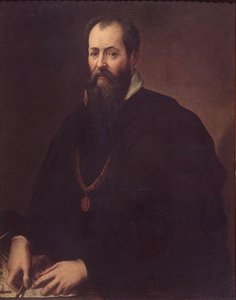
ジョルジョ・ヴァザーリ
1511 - 1574
基本情報
- Artistic Movement Or Style: マニエリスム様式
- Artists Or Movements Influenced By This Artist: ['ルネサンス美術史']
- Artists Who Influenced This Artist:
- アンドレア・デル・サルト
- ラファエル
- ミケランジェロ
- Date Of Birth: 1511年7月30日
- Date Of Death: 1574年6月27日
- Full Name: ジョルジョ・ヴァザーリ
- Nationality: イタリア人
- Notable Artworks (List Of Titles):
- 画家のアトリエ
- 最後の審判
- 東方三博士の礼拝
- Place Of Birth (City And Country): アレッツォ、イタリア
関連記事

家族の遺産を壁画で彩る:伝統技法が紡ぐ、時を超越する美と記憶
古代から現代までの壁画の歴史と技法を解説。日本の壁画文化やカスタムオーダーによる家族の遺産表現、保存・修復技術まで網羅。専門家が時を超越する美と記憶を紡ぐ芸術的価値をご案内します。

The Enduring Legacy of Fresco Painting: Techniques, History & Contemporary Relevance
Explore the rich history & enduring artistry of fresco painting – from Giotto to Michelangelo! Discover techniques, conservation efforts, & modern applications. Learn how ArtsDot brings this timeless art form to your home.
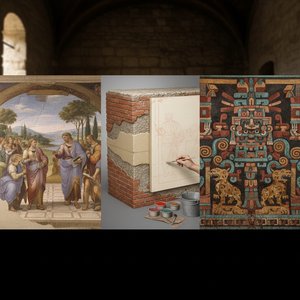
The Enduring Legacy of Fresco: Technique, History & Artistic Expression Across Cultures
Explore the rich history & enduring legacy of fresco painting! Discover ancient techniques, Giotto's masterpieces, and modern applications. Expert insights for art lovers & professionals.
Art That Lives With You: The Emotional Power of a Custom Interior Fresco
Discover the emotional power & timeless beauty of custom interior frescoes. Explore history, design tips & expert guidance from – creating lasting legacies.
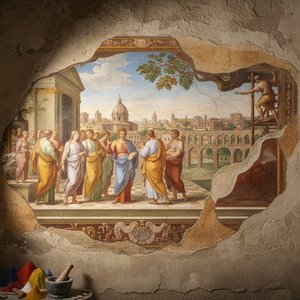
The Enduring Legacy of Fresco: Technique, History & Artistic Expression
Explore the rich history & enduring artistry of fresco painting. Discover techniques from Giotto to Michelangelo, conservation efforts, & modern applications. Learn how ArtsDot brings this timeless art form to your home.