

 プリントを購入
 シェアする
シェアする シェアする
シェアする
 詳細を見る
詳細を見る

 ダウンロード
 似ている作品
 スライドショー
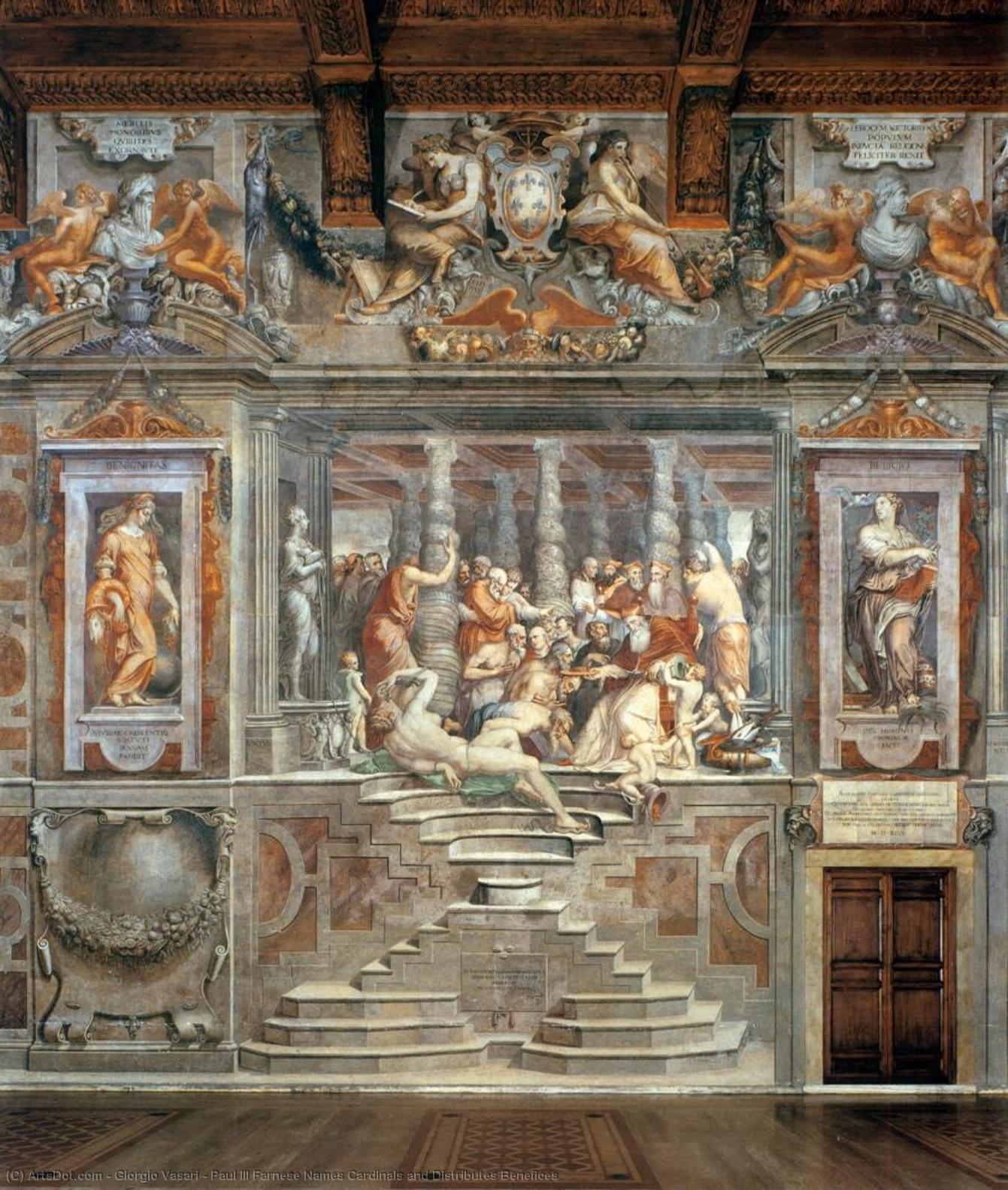
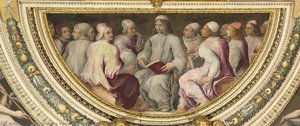
Paul III Farnese Names Cardinals and Distributes Benefices


 詳細を見る
詳細を見る
オンラインプレビューをはるかに凌ぐ、高解像度で鮮明なデジタル画像をご購入いただけます。
各ファイルは、社内の専門家が高度なツールと熟練した手作業によるレタッチを用いて、細心の注意を払って準備されています。すべての画像において、卓越した鮮明度、正確な色彩再現性、そして繊細なディテールを保証いたします。
最終ファイルは、プロフェッショナルな編集・印刷環境ですぐにご利用いただけるよう最適化された状態で、72時間以内にメールにてお届けいたします。これは、一流のデザインスタジオ、出版社、ギャラリーから信頼されているものと同等の品質です。
デジタル画像のご注文に付随する特典
高品質なデジタル画像配信を、確かな品質で。
ArtsDot.com を選ぶことは、単に画像を手に入れることではありません。それは、プロの手によって精密に仕上げられ、満足保証が付いた高品質なデジタルアートワークを受け取ることを意味します。ご注文いただいた際に自動的に付随する内容は、以下の通りです:

メールですぐにお届け
ご注文から72時間以内に、高解像度のデジタル画像ファイルがメールでお手元に届きます。すぐにそのままご利用いただけます。

AI技術で最適化されたデジタルファイル
お客様の作品は、高度なAIツールと専門家による手作業の編集を組み合わせてプロフェッショナルに最適化されており、細部のディテール、鮮明さ、そして正確な色再現性を最大限に引き出しています。

一生涯無料の再送サービス
ファイルを誤って削除したり、紛失してしまったりしましたか?ご安心ください。いつでも無料で再送いたします。

輸入手数料は一切かかりません
関税や手数料、配送料を気にすることなく、お気に入りのアートワークをすぐにお楽しみいただけます。デジタルダウンロードは常に免税です。

色彩再現の保証
プロ仕様のツールとカラーマネジメント技術を用いることで、デジタル画像が元の色を最大限に忠実に再現することを保証いたします。

60日間満足保証
ご購入いただいたデジタル画像にご満足いただけない場合は、60日以内であれば、修正または100%の返金(理由を問う必要はありません)をさせていただきます。

100% 返金保証
ご満足いただけない場合は、デジタルファイルを受け取ってから60日以内であれば、理由を問わず全額返金いたします。

まとめ買い割引
3枚購入で10%OFF - 5枚購入で15%OFF - 10枚以上購入で20%OFF。クリエイティブなプロジェクト、ギャラリー、エージェンシーに最適です。
Giorgio Vasari’s ‘Paul III Farnese Names Cardinals and Distributes Benefices’: A Renaissance Echo of Power and Virtue
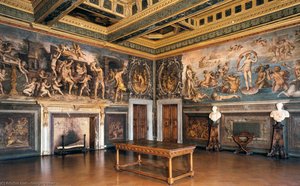
The Sala dei Cento Giorni, nestled within the Palazzo della Cancelleria in Rome, stands as a testament to Giorgio Vasari's mastery—a monumental fresco that transcends mere decoration to embody the spirit of the High Renaissance. Commissioned by Cardinal Alessandro Farnese in 1546, this ambitious undertaking wasn’t simply about adorning a room; it was about proclaiming papal authority and celebrating the enduring values of Roman civilization. Vasari himself meticulously documented the project, recognizing its significance as an artistic statement reflecting the intellectual currents of his time. ### The Narrative Landscape: Mythological Allegory Meets Papal Patronage Vasari’s fresco plunges viewers into a complex narrative tapestry woven with threads of classical mythology and Christian allegory. At its core lies a central group of figures seated around a table, representing papal governance—a deliberate choice to visually communicate Farnese's lineage and the grandeur of his ambition. Surrounding this focal point are smaller vignettes depicting scenes from Greek mythology, specifically the Trojan War, symbolizing resilience and triumph over adversity – themes deeply resonant with Renaissance ideals. The artist skillfully employs perspective and layering to create a sense of depth and drama, transporting the viewer into an imagined space brimming with symbolic significance. ### Vasari’s Technique: Fresco Painting—A Legacy of Brilliance Vasari employed the venerable technique of fresco painting, applying pigments mixed with water onto freshly plastered walls. This method demanded precision and patience, resulting in a surface texture that retains its luminosity over centuries – a remarkable feat of artistic craftsmanship. The palette is dominated by earthy hues—ochre, terracotta, and muted reds—reflecting the prevailing aesthetic sensibilities of the era. Lines delineate architectural elements and drapery folds with meticulous accuracy, contributing to the overall clarity and structural integrity of the artwork. Vasari’s studio utilized a masterful blend of observation and imagination, capturing both the grandeur of Roman history and the moral virtues championed by humanist thinkers. ### Symbolism: Virtues Embodied and Divine Glory Revealed The fresco is replete with symbolic representations designed to elevate the viewer's understanding of papal power and Christian piety. Figures embodying justice, prudence, fortitude, and piety dominate the composition—each attribute carefully chosen to convey specific moral qualities deemed essential for rulers and citizens alike. The depiction of gods and goddesses—particularly Venus and Apollo—references classical mythology’s celebration of beauty and intellect – mirroring the Renaissance fascination with humanist ideals. Vasari's intention was not merely to depict events but to instill in his audience a sense of awe and reverence for divine grace, cementing the Sala dei Cento Giorni’s place as an enduring emblem of Renaissance artistic achievement. ### A Window into History: Contextualizing Vasari’s Vision Created during the reign of Pope Paul III Farnese—a pivotal figure in shaping the Catholic Reformation—the fresco reflects the anxieties and aspirations of its time. The commission itself underscored Farnese's determination to assert papal dominance amidst challenges posed by Protestantism, while simultaneously reaffirming the importance of classical virtues as a foundation for moral conduct. Vasari’s work stands alongside Michelangelo’s Sistine Chapel ceiling as one of the defining masterpieces of the High Renaissance—a testament to artistic innovation and intellectual engagement that continues to inspire admiration today.関連作品
作家の略歴
ルネサンスの精神を体現した生涯
ジョルジョ・ヴァザーリは、1511年7月30日にトスカーナ州アレッツォで生まれました。単なる画家というだけでなく、イタリア・ルネサンスの精神そのものを体現する人物でした。彼の人生は、芸術的創造、建築的革新、洞察力に富んだ歴史的考察、そして先人たちの偉業を称える揺るぎない献身という糸で織りなされた、鮮やかなタペストリーのように展開されました。幼少の頃、ステンドグラスの熟練職人であるグリエルモ・ダ・マルシリアの下で訓練を受けたヴァザーリは、視覚芸術への道を歩み始めました。しかし、16歳でフィレンツェに移ったことが、彼の潜在能力を真に引き出すきっかけとなりました。アンドレア・デル・サルトのダイナミックな世界に没頭し、ロッソ・フィオレンティーノやジャコポ・ポントルモの影響を取り入れながら、ヴァザーリは時代を最も影響力のある人物の一人となる旅を始めました。彼の形成期はまた、強力なメディチ家の庇護と友情によって深く刻まれ、その関係が彼のキャリアと芸術が社会において果たす役割に対する彼の視点を形作りました。画家の手と眼
ヴァザーリの芸術様式は、多くの場合、16世紀半ばの主流の美的傾向を反映してマニエリスムに分類されます。彼の絵画は、細長い人物像、ダイナミックな構図、そして洗練された色彩感覚によって特徴付けられます。彼自身が記録したアーティストの中には、永続的な名声を得た者もいましたが、ヴァザーリの才能は紛れもなく認められました。『画家の工房』(The Studio of the Painter) は、アレッツォのカサ・ヴァザーリに収蔵されており、当時の芸術的実践を垣間見ることができます。1555年から1572年にかけてフィレンツェのパッラッツォ・ヴェッキオのために行われた彼のフレスコ画の壮大さと野心は、大規模な装飾計画における彼の腕前を示しています。彼の最後の記念碑的な事業である『最後の審判』(The Last Judgement) は、フェデリコ・ズッカーリによって死後完成され、彼の揺るぎない壮大な芸術的ビジョンへの献身の証となっています。絵画に加えて、ヴァザーリの建築的貢献もまた重要でした。彼はウフィツィ美術館の優雅なロッジアを設計し、それを公共広場に変え、フィレンツェの都市景観の中で不可欠なつながりを生み出しました。おそらく最も有名なのは、ウフィツィ美術館とパッラッツォ・ピッティを結ぶ秘密通路であるヴァザーリ回廊の構想と建設を監督したことであり、今日でも訪問者を魅了し続けています。歴史家としての遺産
しかし、ジョルジョ・ヴァザーリが最も永続的な遺産を残したのは、おそらく芸術史家としてだったでしょう。1550年(改訂版は1568年)に発表された彼の記念碑的な著作『画家、彫刻家、建築家の生涯』(Lives of the Most Excellent Painters, Sculptors, and Architects) は、芸術が理解され評価される方法に革命をもたらしました。この画期的なテキストは単なる伝記集ではありませんでした。チンマブエやジョットのような初期の巨匠から同時代のミケランジェロやラファエルまで、イタリア・ルネサンス美術の発展を追跡し、芸術史のための物語的枠組みを確立しました。『ルネサンス』という概念—古典的な理想の再生—を導入し、現代美術史学の基礎を築きました。ヴァザーリの説明には偏見や不正確さがないわけではないことを認めながらも、特に自身の時代以前のアーティストに関しては、『生涯』の影響は深遠です。それは芸術的創造のための重要な歴史的背景を提供し、熟練した職人から学術的な注意に値する知的人物へとアーティストの地位を高めました。影響と永続的な意義
ヴァザーリの芸術的発達は、ルネサンスの巨匠たちの作品への露出によって大きく形作られました。1529年にローマを訪れた際、ラファエルや他のハイ・ルネサンスのアーティストの芸術を研究したことは、極めて重要な転換点となりました。彼は構図、解剖学的精度、理想化された美しさの原則を取り入れ、自身の様式に取り込みました。ヴァザーリが非常に尊敬していたミケランジェロは、彼の絵画と建築の両方に特に強い影響を与えました。ミケランジェロの作品に特徴的な壮大さとダイナミズムは、ヴァザーリの多くのプロジェクトに明らかです。特定のアーティストを超えて、ルネサンス全体の知的潮流—ヒューマニズム、古典学習、そして経験的観察への関心の高まり—もまた、ヴァザーリのアートと歴史に対するアプローチを形作りました。ジョルジョ・ヴァザーリは1574年6月27日にフィレンツェで亡くなり、今日でも響き続ける多面的な遺産を残しました。彼は才能あるアーティストであり建築家であるだけでなく、西洋美術史の中で最も変革期の一つを理解する形作った先駆的な歴史学者でした。彼の作品は、イタリア・ルネサンスの豊かな文化的遺産を探求しようとするすべての人にとって不可欠です。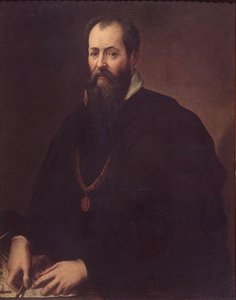
ジョルジョ・ヴァザーリ
1511 - 1574
プロフィール概要
- Artistic Movement Or Style: マニエリスム様式
- Artists Or Movements Influenced By This Artist: ['ルネサンス美術史']
- Artists Who Influenced This Artist:
- アンドレア・デル・サルト
- ラファエル
- ミケランジェロ
- Date Of Birth: 1511年7月30日
- Date Of Death: 1574年6月27日
- Full Name: ジョルジョ・ヴァザーリ
- Nationality: イタリア人
- Notable Artworks (List Of Titles):
- 画家のアトリエ
- 最後の審判
- 東方三博士の礼拝
- Place Of Birth (City And Country): アレッツォ、イタリア

