 プレビュー
プレビュー
 シェアする
シェアする シェアする
シェアする
 詳細を見る
詳細を見る

 ダウンロード
 似ている作品
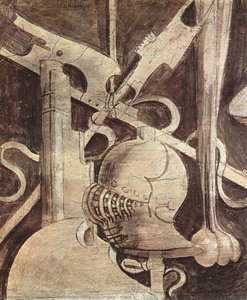
 X線調査
X線調査 スライドショー
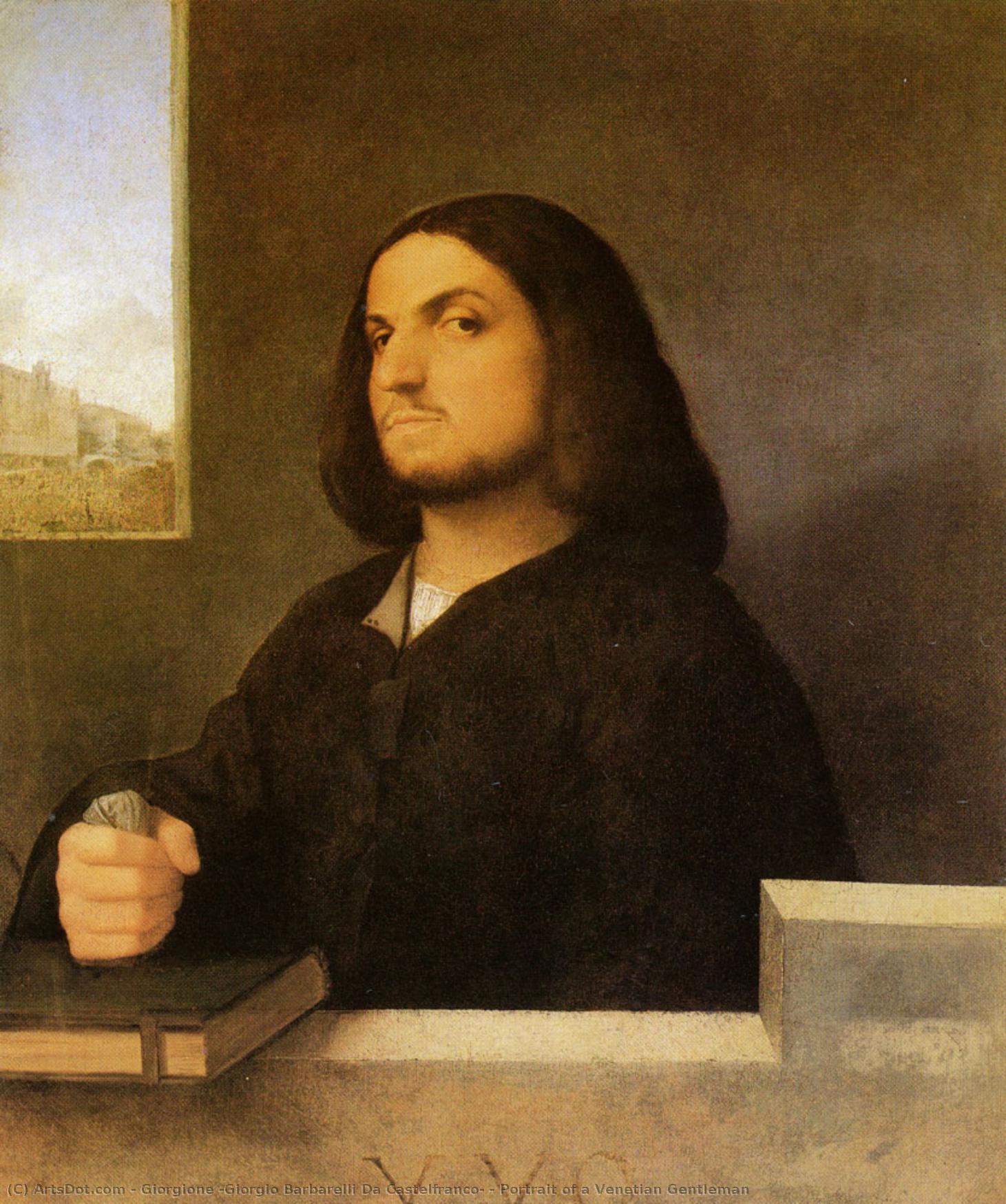
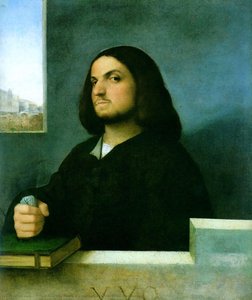
Portrait of a Venetian Gentleman
 Oil
Oil- WallArt
- High Renaissance
 1510
1510- Renaissance
 76.0 x 64.0 cm
 詳細を見る
詳細を見る
ジークレー/アートプリント
迅速な制作と多彩な仕上げオプションを備えた、ミュージアムクオリティのジークレーまたはキャンバスプリント。 ( 手描きの絵画を購入 画像を購入)




P118B $10

P118H $10

P118W $10

P438Z $10

P508JH $12

P508YH $12

P805H $10

P805Z $10

P919BZ $10

P919G $10

P919XJ $10

P959ZH $10

P968JZ $12

W106C $8

W218G $10

W218JH $8

W218Y $10

W307PJ $10

W316G $10

W316PJ $8

W316Y $10

W398PJ $8

W4111J $10

W500HY $15

W500JH $15

W692G $12

W849H $8

W940BG $15

W953PJ $8




作品のオリジナル比率に合わせた、当店の規定サイズからお選びください。

特定のフレームやスペースに合わせて、ご自身でサイズを指定することも可能です。選択されたサイズが元の画像の比率と一致しない場合、作品をトリミングするか、鏡面反射または単色での塗りつぶしによって画像を拡張いたします。制作を開始する前に、ご確認用のデジタルモックアップをお送りいたします。
画面上のプレビューには、実際のトリミングや拡張は反映されませんのでご注意ください。最終的な構図を正確に確認できるのは、モックアップのみとなります。
カスタムサイズも承っておりますが、元の比率を維持するためには、あらかじめ用意されたリストからサイズを選択することをお勧めいたします。


 ガラスオプションは、110cm未満のサイズでのみご利用いただけます。

Portrait of a Venetian Gentleman
ジークレー/アートプリント
複製画のサイズ
-


合計金額
$ 62
A Venetian Portrait Steeped in Mystery
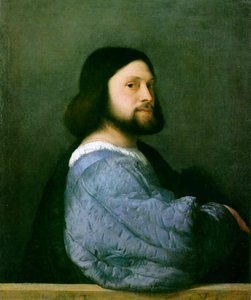
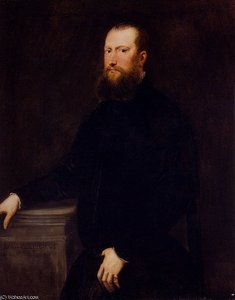
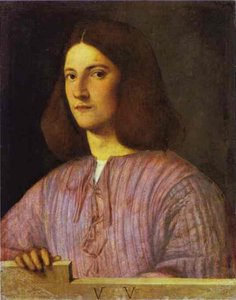
The painting “Portrait of a Venetian Gentleman,” attributed to Giorgione (c. 1477 – 1510), stands as one of the most perplexing enigmas within Renaissance art. Its deceptively simple composition—a man dressed in black, gazing intently at the viewer—conceals layers of artistic innovation and intellectual contemplation that continue to fascinate scholars and inspire artists today. Painted around 1510 during Venice’s golden age of artistic patronage, this artwork embodies the spirit of humanist inquiry prevalent at the time, reflecting a fascination with human psychology and capturing an elusive moment of dignified repose.Style and Technique: Impressionistic Hints
Giorgione's approach to painting defies easy categorization, marking him as a precursor to Impressionism despite living decades before Monet and Renoir. Unlike the meticulous realism favored by many Venetian artists of his era—Bellini being a notable example—Giorgione eschewed detailed anatomical rendering in favor of atmospheric perspective and subtle tonal gradations. The muted palette – dominated by earthy browns, ochres, and greens – contributes to an ethereal quality that transcends mere representation. Brushstrokes are loose and blended seamlessly, creating an illusion of depth and luminosity that anticipates the revolutionary techniques championed by Impressionists. This deliberate blurring of outlines and surfaces wasn’t simply stylistic preference; it was a conscious effort to convey emotion and psychological nuance—a radical departure from traditional portraiture.Historical Context: Venice at Its Zenith
Venice in the early sixteenth century was a powerhouse of commerce, culture, and artistic ambition. The Venetian Republic thrived on maritime trade, attracting merchants and artists alike from across Europe. This cosmopolitan environment fostered experimentation and challenged established conventions, encouraging painters to explore new ways of expressing human experience. Giorgione’s patronage likely stemmed from wealthy Venetian families who recognized the value of commissioning artwork that reflected their status and sophistication. Furthermore, the painting reflects broader humanist ideals—a belief in the dignity of man and an interest in capturing inner life—that were gaining momentum throughout Europe during this period. The inclusion of a book symbolizes intellectual pursuits and reinforces the portrait’s connection to Renaissance humanism.Symbolism: Beyond Appearance
The gentleman depicted is not merely a likeness; he embodies qualities considered desirable by Venetian society – composure, intelligence, and perhaps even moral virtue. The black attire signifies formality and respectability, while the gaze directed at the viewer establishes an unspoken dialogue—a connection between subject and observer that transcends mere visual perception. The two figures in the background add to the painting’s complexity, hinting at a narrative beyond the portrait itself. They could represent companions or perhaps symbolize broader themes of human relationships and social status. Their presence encourages viewers to consider the gentleman's place within a larger context—a reflection of Renaissance artists’ preoccupation with exploring the complexities of human existence.Emotional Impact: A Moment Frozen in Time
Ultimately, “Portrait of a Venetian Gentleman” succeeds in capturing a profound emotional resonance. The painting doesn’t convey overt joy or sorrow; instead, it exudes an aura of quiet contemplation—a stillness that invites viewers to ponder the sitter's inner thoughts and feelings. Giorgione’s masterful use of color and brushwork creates an atmosphere of serene beauty, transporting us back to Venice’s vibrant artistic milieu. It is a portrait not just of a man, but of an ideal – a testament to the enduring power of art to evoke emotion and illuminate the human condition.
アーティストの略歴
ヴェネツィアの謎:ジョルジョーネの生涯と遺産
ジョルジョ・バルバレッリ・ダ・カステルフランコ、世界ではジョルジョーネとして知られる彼は、ルネサンス美術における最も魅惑的で捉えどころのない人物の一人です。ヴェネツィア近郊のカステルフランコ出身の彼は、およそ1477年または1478年に生まれ、わずか32歳から33歳の若さでおよそ1510年にその生涯を閉じたという短い人生は、何世紀にもわたって美術界に影響を与え続けています。多くの同時代の芸術家たちとは異なり、その生涯に関する記録は乏しく、ジョルジョーネの物語は、ジョルジョ・ヴァザーリによるロマンチックな記述から断片的に拾い集められたものです。彼がヴェネツィアの活気に満ちた文化に深く没頭し、芸術的革新と美への感覚的な感謝を育んだ都市で過ごしたことは明らかです。彼はおそらくジョヴァンニ・ベッリーニの下で学徒となり、確立された伝統を吸収した後、独自の道を切り開きました。ドージェ・アゴスティーノ・バルバリゴのような著名な人物の肖像画など、初期の依頼は、その才能がすぐに認められたことを示しています。しかし、彼が従来の主題から離れ、絵画に対する革命的なアプローチをとったときこそ、ジョルジョーネは真に自分自身を区別しました。詩的なビジョン:スタイルと革新
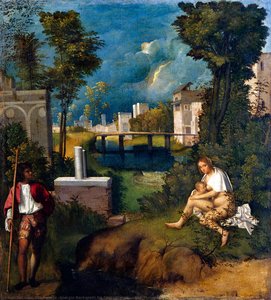
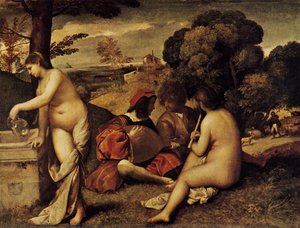
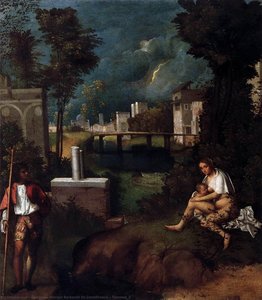
ジョルジョーネの芸術的スタイルは、線形透視法と正確な描写への主流のフィレンツェの重点から大きな逸脱でした。彼は色彩、雰囲気、そして暗示的な気まぐれさを重視し、それがヴェネツィア派の代名詞となりました。彼の技法には輪郭を和らげ、微妙なトーンの変化(スフマート)を用いて大気効果を作り出し、細部へのこだわりよりも全体的な調和を優先することが含まれていました。このアプローチは単なる技術的な選択ではなく、根本的に異なる芸術的感性を示していました。ジョルジョーネは現実を再現することなく、その本質、一過性の感情、そして詩的な共鳴を捉えようとしました。彼の絵画にはしばしば不可解な主題と曖昧な物語が登場し、明確な物語を提供するのではなく、熟考の世界へと鑑賞者を誘います。『嵐』は、おそらく彼の最も有名な作品であり、何世紀にもわたって美術史家を悩ませてきた嵐の風景の中の兵士と乳児を抱く女性という場面が完璧にその例を示しています。同様に、『田園コンサート』(フェート・シャンペストル)は、特定の物語ではなく、調和のとれた構成と抒情的な品質のために称賛される牧歌的な環境での音楽家たちの理想的な集まりを描いています。これらの作品は解決すべきパズルとして意図されたものではなく、感情、気分、そして驚きの感覚を喚起することを目的としていました。傑作と永続的な影響
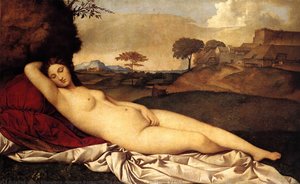
彼の短いキャリアにもかかわらず、ジョルジョーネは小さくも深く影響力のある作品を残しました。『眠るヴィーナス』は、おそらくジョルジョーネの死後、ティツィアーノの助けを借りて完成したものであり、色彩と形態における彼の才能を示す象徴的な女神の描写です。なだらかなポーズと柔らかい肌の色合いは、美への感覚的な感謝を育んだヴェネツィアの評価を体現しています。『ユディト』や肖像画など、他の注目すべき作品も、主題の本質を捉える鋭い能力を示しています。ジョルジョーネの影響は彼自身の絵画を超えて広がりました。彼はティツィアーノの指導者となり、最も称賛されたルネサンス期の芸術家の一人となり、色彩と大気的な絵画におけるジョルジョーネの革新を継承しました。色彩と雰囲気への重点は、フィレンツェの伝統とは対照的に、ヴェネツィア美術学校の開発に深く影響を与え、芸術的革新の中心地としてのヴェネツィアを確立しました。持続的な遺産:ジョルジョーネの歴史的重要性
短いキャリアにもかかわらず、ジョルジョーネは美術史において重要な位置を占めています。彼は初期のヴェネツィアの伝統とティツィアーノやその後の他の巨匠の革新を結びつけ、イタリア絵画の軌跡を根本的に変えました。彼の詩的な気分、大気効果、曖昧な物語への重点は、芸術的探求のための新たな道を開き、世代の芸術家にインスピレーションを与えました。彼を取り巻く謎めいた人生と作品自体が、彼の持続的な神秘性と魅力を高めています。彼は芸術的自由、革新、そして暗示の力という象徴であり、形よりも感情を優先し、正確さよりも雰囲気を優先し、物語よりも詩を優先した画家です。ジョルジョーネの主な作品
- 嵐 (1506-1508年頃)
- 田園コンサート(フェート・シャンペストル)(1509年頃)
- 眠るヴィーナス (1510年頃)
- ユディト (1504年)
- ヴェネツィア貴族の肖像画
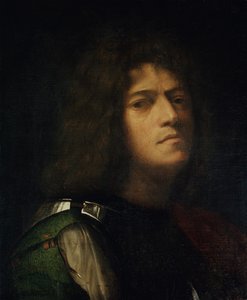
ジョルジョーネ
1477 - 1510 , イタリア
基本情報
- フルネーム: ジョルジョーネ(Giorgione)
- 主な作品:
- テンペスタ
- 田園コンサート
- 眠るヴィーナス
- ユディット
- 出生地: カステルフランコ・ヴェネト (イタリア)
- 国籍: イタリア
- 影響を与えたアーティスト: ['ティツィアーノ']
- 影響を受けたアーティスト: ['ジョヴァンニ・ベッリーニ']
- 死亡年月日: 1510年
- 生年月日: 1477/78年頃
- 芸術運動またはスタイル: ルネサンス、ヴェネツィア派
関連記事

Dark Masterpieces: 10 Iconic Paintings Dominated by Black Tones |
Explore 10 iconic paintings dominated by black tones, from Rembrandt’s chiaroscuro to Goya's dark expressions. Discover the stories behind these masterpieces & find museum-quality art reproductions for your home at .
Giorgione: Enigma and Innovation in Early Venetian Renaissance Painting
Explore the enigmatic world of Giorgione, a pivotal figure in the Venetian Renaissance. Discover his innovative techniques, iconic paintings like 'The Tempest', and lasting influence on art history. Learn more at ArtsDot.
ジェームズ・マクニール・ホイストラー:至高の25選 - 美と調和を求めた芸術家の軌跡 | ArtsDot
ジェームズ・マクニール・ホイストラーの至高の25選。ノクターン、印象派、美しい色彩に満ちた作品群を紐解きます。ArtsDotで高品質なアートプリントとインテリアをお楽しみください。名画の世界へ – ArtsDot.com
The Golden Light of Innovation: Exploring the Venetian Renaissance Art Movement (1430–1580)
Explore the Golden Age of Venetian art (1430–1580). Discover Giorgione, Titian & Tintoretto's techniques, the 'colorito' revolution, and lasting influence. Expert insights for collectors & enthusiasts.

ジャコポ・ティンコレット:至高の25選 – ヴェネツィア巨匠のドラマと光の世界 | ArtsDot
ジャコポ・ティンコレットの至高の25選。ドラマと光の世界を彩るヴェネツィア派巨匠の名画を紐解きます。ルネサンス絵画からバロック絵画まで、ArtsDotで高品質な複製画やインテリアアートを見つけましょう。傑作コレクションをオンラインで探求してください。