 プレビュー
プレビュー
 プリントを購入
 シェアする
シェアする シェアする
シェアする
 詳細を見る
詳細を見る

 ダウンロード
 似ている作品
 X線調査
X線調査 スライドショー
Madonna and Child (11)


 詳細を見る
詳細を見る




P118B $10

P118H $10

P118W $10

P438Z $10

P508JH $12

P508YH $12

P805H $10

P805Z $10

P919BZ $10

P919G $10

P919XJ $10

P959ZH $10

P968JZ $12

W106C $8

W218G $10

W218JH $8

W218Y $10

W307PJ $10

W316G $10

W316PJ $8

W316Y $10

W398PJ $8

W4111J $10

W500HY $15

W500JH $15

W692G $12

W849H $8

W940BG $15

W953PJ $8




作品のオリジナル比率に合わせた、当店の規定サイズからお選びください。

特定のフレームやスペースに合わせて、ご希望のサイズをご入力いただけます。選択されたサイズが元の画像の比率と異なる場合、アートワークをトリミングするか、手描きで要素を追加して絵画を拡張いたします。デジタルモックアップ を制作し、制作開始前にご確認(承認)をいただきます。
画面上のプレビューは、実際のトリミングや拡張を正確に反映しているものではありません。最終的な構図は、モックアップによってのみ正確にご確認いただけます。
カスタムサイズもご利用いただけますが、元の比率を維持するためには、あらかじめ用意されたリストからサイズを選択することをお勧めいたします。
ご注文後、ArtsDot.com チームより詳細な指示をお送りするとともに、仕上がりイメージ(モックアップ)をご提供いたします。


 ガラスオプションは、110cm未満のサイズでのみご利用いただけます。

Madonna and Child (11)
複製技法
複製画のサイズ
-


合計金額
$ 288
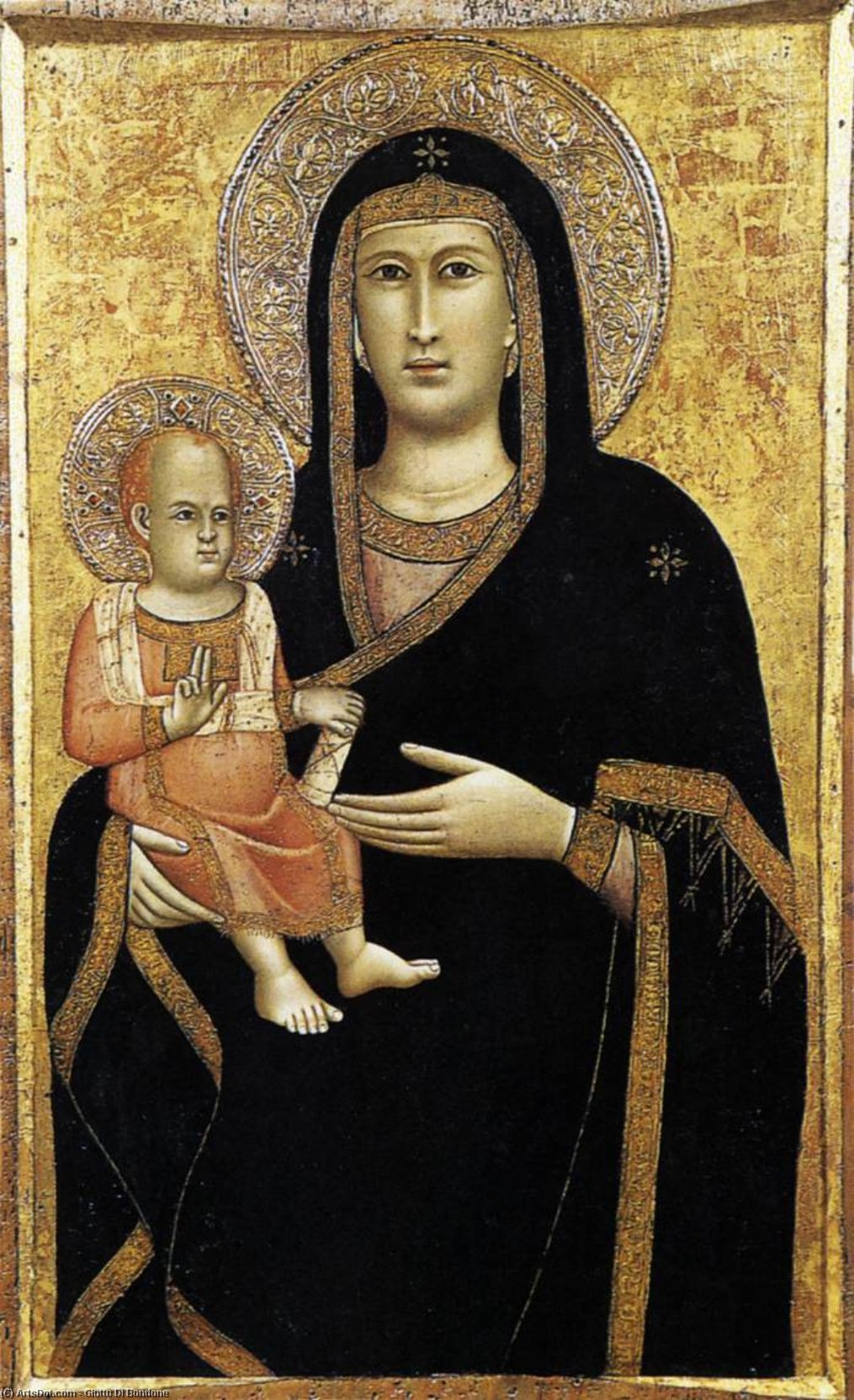
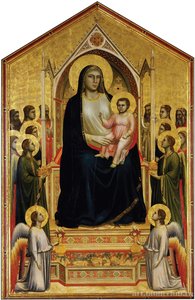
A Divine Embrace: The Dawn of Human Emotion in Giotto’s Masterpiece
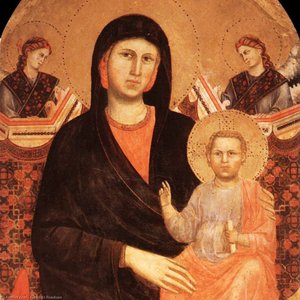
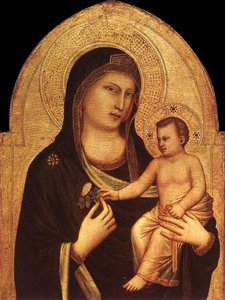
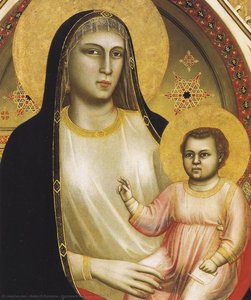
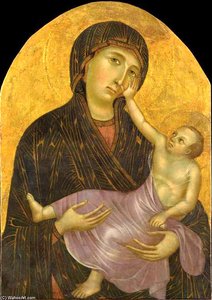
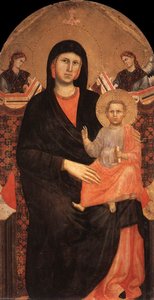
In the quiet stillness of the late 13th century, a revolution was unfolding on wooden panels across Italy, and perhaps no work captures this transformative moment more tenderly than Giotto di Bondone’s Madonna and Child. At first glance, the viewer is met with a profound sense of intimacy; the Virgin Mary does not merely pose as a distant icon, but cradles the Christ Child with a palpable, maternal warmth. This painting serves as a breathtaking bridge between the rigid, stylized traditions of the Byzantine era and the burgeoning naturalism that would eventually ignite the Renaissance. Giotto, often celebrated as the father of modern painting, breaks away from the flattened, ethereal silhouettes of his predecessors to introduce a sense of weight, volume, and human connection that feels remarkably contemporary even centuries later.
The composition is masterfully orchestrated to focus the soul. Set against a deep, velvety black background that suggests an infinite, otherworldly realm, the figures of Mary and Jesus emerge with startling clarity. This stark contrast serves a dual purpose: it isolates the holy pair from the distractions of the earthly plane while simultaneously pushing them toward the viewer, creating a sense of immediate presence. The verticality of the piece emphasizes Mary’s regal stature, yet her posture is softened by the gentle curve of her arms, embodying her dual role as both the Queen of Heaven and a nurturing mother. Every line and shape—from the circular perfection of the golden halo to the soft ovals of their faces—contributes to a sense of divine stability and eternal peace.
The Alchemy of Gold and Earth: Technique and Symbolism
To behold this work is to witness the exquisite marriage of precious materials and humble pigments. Giotto likely utilized tempera on a wooden panel, a technique requiring immense precision and patience. The meticulous layering of earth tones creates a subtle modeling of flesh and drapery, giving the figures a three-dimensional quality that was revolutionary for 1297. This sense of physical reality is elevated by the lavish application of gold leaf, which does not merely serve as decoration but acts as a conduit for divine light. As light hits the shimmering surfaces, the painting seems to breathe, reflecting a celestial radiance that transcends the physical medium.
Beyond the technical brilliance lies a rich tapestry of iconography designed to inspire devotion. The golden halo is a silent proclamation of holiness, while the deep blues often found in the Virgin's robes symbolize her royal dignity and her connection to the heavens. Even the simplicity of the arrangement carries weight; by stripping away complex landscapes or crowded saintly processions, Giotto forces an encounter with the essence of faith. For the modern collector or interior designer, this piece offers more than just aesthetic beauty; it provides a focal point of profound serenity. A high-quality reproduction of this masterpiece brings a sense of timelessness and spiritual gravity to any space, inviting contemplation and serving as a testament to the enduring power of human emotion captured through divine inspiration.
アーティストの略歴
ジョット・ディ・ボンドーネ:中世からルネサンスへの転換点
1267年頃、フィレンツェの丘陵地帯で生まれたジョット・ディ・ボンドーネは、謙虚な出自から出発し、西洋美術史における最も重要な人物の一人となりました。彼の生涯には伝説が数多く語り継がれており、羊飼い少年が岩場で驚くほどリアルな羊の絵を描いているところを発見され、フィレンツェの名手チマブエの目に留まったという逸話は有名です。真実か虚構かに関わらず、この物語はジョットの才能の本質を捉えています。それは、自然界を比類のないリアリズムと感情的な深みで表現するという生まれながらの能力でした。師であるチマブエのもとで修行を積んだジョットは、技術を習得する一方で、独自の道を切り開きました。当時の支配的だったビザンティン様式は、装飾的な人物描写、平坦な遠近感、そして精神的な超越を象徴する豪華な金箔背景を特徴としていました。しかし、ジョットは、人間を幽玄な偶像ではなく、感情に満ちた、具体的な空間に存在する個人として描くことを切望していました。
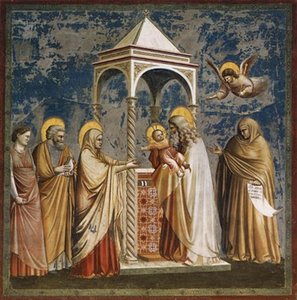
ビザンティン様式からの脱却は、突然の変革ではなく、徐々に進む進化でした。初期の作品ですら、ボリューム、重み、そして信憑性のある解剖学への新たな重点が示唆されており、光と影を単なる装飾要素としてではなく、形状を彫刻し奥行きを生み出すための道具として観察し始めました。この萌芽的な自然主義は、アシジの聖フランチェスコ上大聖堂にあるフレスコ画への貢献にも見られます。作者については議論がありますが、多くの学者はジョットの手による場面が、支配的なビザンティン美学からの明確な逸脱を示していることを認めています。彼は伝統を単に否定したのではなく、それを基盤としつつ、新たな人間性と感情的な共鳴を注入しました。
スクロヴェニ礼拝堂:物語の最高傑作
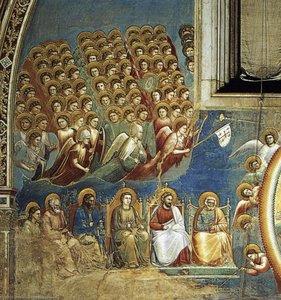
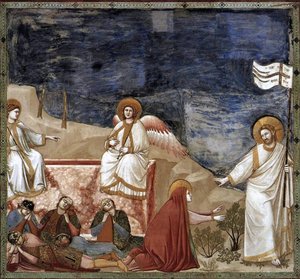
ジョットの最高傑作であり、西洋美術史における最も重要な作品の一つは、パドヴァにあるスクロヴェニ礼拝堂(通称アレーナ礼拝堂)を飾るフレスコ画サイクルです。1305年頃に完成したこの息を呑むようなシリーズは、キリストと聖母マリアの生涯を描き、前代未聞のリアリズムと感情的な強さで展開されます。各場面は、注意深く舞台化された劇のように展開し、宗教的 archetypes の単なる表現ではなく、喜び、悲しみ、恐れ、希望など、さまざまな感情を経験する、完全に人間味あふれる人物たちで満たされています。壁一面に広がる *最後の審判* は、ジョットの才能が、神聖な威厳と、究極の裁きに直面した人間の生の脆弱さを伝える力を持っていることを雄弁に示す証です。後世のルネサンス様式で見られるほど数学的に正確ではありませんが、遠近法の使用は説得力のある奥行きの錯覚を生み出し、鑑賞者を物語の中に引き込みます。人物たちは地に足がついており、その体には重みとボリュームがあり、表情はかつてない感情の範囲を伝えています。
建築への貢献と遺産
ジョットの才能は絵画にとどまらず、彼もまた尊敬される建築家でした。1334年、彼はフィレンツェ大聖堂の鐘楼(カンパニレ)のデザインを依頼され、革新的な建築様式への彼の新しいアプローチを示すプロジェクトとなりました。完成前に亡くなりましたが、彼のデザインは、この象徴的なフィレンツェのランドマークの基礎を築きました。その後の芸術家たちへの影響力は計り知れません。彼は中世とルネサンスの世界をつなぐ架け橋となり、マサッチオ、レオナルド・ダ・ヴィンチ、ミケランジェロなどの巨匠たちの芸術的業績の道を切り開きました。ジョットは「絵画に命を吹き込み、生活から描くという偉大な芸術を与えた」と語ったヴァザリは、彼の西洋美術の過程への深遠な影響を証明しています。ジョットは世界を描写するだけでなく、それを理解し、その本質を捉え、視覚的な物語を通してその理解を伝えることを目指しました。彼の遺産は死後数世紀経っても人々に畏敬と賞賛の念を引き起こし続け、西洋美術における最も偉大な革新者の一人としての地位を確固たるものにしています。
主要な業績と永続的な影響
- 絵画の革命: ビザンティン様式の装飾化から自然主義と感情的なリアリズムへと移行しました。
- 遠近法の先駆者: 絵画に奥行きと空間認識を生み出すための技術を導入しました。
- 優れた物語性: スクロヴェニ礼拝堂のようなフレスコサイクルを通して、説得力のある物語を作り上げました。
- 建築への貢献: フィレンツェ大聖堂の鐘楼のデザインを担当しました。
- ルネサンス美術の基礎: 彼の作品はルネサンス期の芸術的業績のための基盤を築きました。
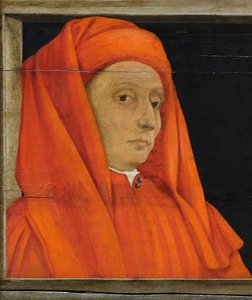
ジョット
1267 - 1337 , イタリア
基本情報
- フルネーム: ジョット・ディ・ボンドーネ
- 主な作品:
- スクローベーニ礼拝堂のフレスコ画
- オニャンティのマドンナ
- 出生地: フィレンツェ, イタリア
- 国籍: イタリア
- 影響を与えたアーティスト:
- マサッチョ
- ルネサンス美術
- 影響を受けたアーティスト: ['チマブエ']
- 死亡年月日: 1337年1月8日
- 生年月日: 1267年頃
- 芸術運動またはスタイル: 前ロマネスク
関連記事

ジョット・ディ・ボンドーネ:至高の25選 - ルネサンスの夜明けを彩る傑作たち | ArtsDot
ジョット・ディ・ボンドーネの至高の25選。ルネサンス美術を牽引した巨匠の傑作と、その感動的な物語を紐解きます。高品質な絵画複製やインテリアアートで、名画の世界をあなたの空間に。ArtsDot.com でコレクションをご覧ください。
Proto-Renaissance Masters: 10 Artworks That Changed History | ArtsDot
Journey back to the dawn of Renaissance art! Explore 10 iconic Proto-Renaissance masterpieces by Giotto, Cimabue & Duccio. Discover their stories, techniques & lasting impact. Find museum-quality reproductions for your home at ArtsDot.com
Giotto di Bondone: Revolutionizing Late Medieval Painting through Narrative Innovation
Explore the revolutionary art of Giotto di Bondone! Discover his groundbreaking techniques, iconic frescoes like those in the Arena Chapel, and lasting impact on Renaissance painting. A deep dive for art enthusiasts.
ラファエロ傑作25選:ルネサンス巨匠の物語と芸術の世界 | ArtsDot
ラファエロの傑作25選🎨 ルネサンス巨匠の物語と芸術の世界を紐解きます。美しい絵画複製や壁掛けアートで、お部屋に名画の彩りを。ArtsDot.comで、美術史に残る作品群をご覧ください✨
ヴェネツィア・ビエンナーレ厳選25作品:芸術と歴史が織りなす至高のコレクション | ArtsDot
ヴェネツィア・ビエンナーレの至宝25選。印象派から現代アートまで、名画の背景にある物語と芸術家の情熱を紐解きます。ArtsDotで、キャンバスアートや油絵複製をお楽しみください。今すぐコレクションをご覧ください。