

 プレビュー
プレビュー
 シェアする
シェアする シェアする
シェアする
 詳細を見る
詳細を見る

 ダウンロード
 似ている作品
 X線調査
X線調査 スライドショー
 Stats
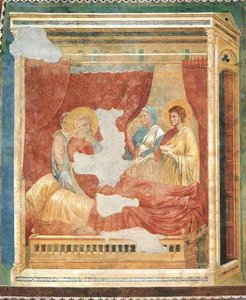
StatsScenes from the Old Testament. Isac Blessing Jacob

 詳細を見る
詳細を見る
オンラインプレビューをはるかに凌ぐ、高解像度で鮮明なデジタル画像をご購入いただけます。
各ファイルは、社内の専門家が高度なツールと熟練した手作業によるレタッチを用いて、細心の注意を払って準備されています。すべての画像において、卓越した鮮明度、正確な色彩再現性、そして繊細なディテールを保証いたします。
最終ファイルは、プロフェッショナルな編集・印刷環境ですぐにご利用いただけるよう最適化された状態で、72時間以内にメールにてお届けいたします。これは、一流のデザインスタジオ、出版社、ギャラリーから信頼されているものと同等の品質です。
デジタルアート
個人での鑑賞、印刷、クリエイティブなプロジェクト用に、高解像度ファイルをダウンロードできます。 ( Switch to Print 手描きの絵画を購入)
デジタル画像のご注文に付随する特典
高品質なデジタル画像配信を、確かな品質で。
ArtsDot.com を選ぶことは、単に画像を手に入れることではありません。それは、プロの手によって精密に仕上げられ、満足保証が付いた高品質なデジタルアートワークを受け取ることを意味します。ご注文いただいた際に自動的に付随する内容は、以下の通りです:

メールですぐにお届け
ご注文から72時間以内に、高解像度のデジタル画像ファイルがメールでお手元に届きます。すぐにそのままご利用いただけます。

AI技術で最適化されたデジタルファイル
お客様の作品は、高度なAIツールと専門家による手作業の編集を組み合わせてプロフェッショナルに最適化されており、細部のディテール、鮮明さ、そして正確な色再現性を最大限に引き出しています。

一生涯無料の再送サービス
ファイルを誤って削除したり、紛失してしまったりしましたか?ご安心ください。いつでも無料で再送いたします。

輸入手数料は一切かかりません
関税や手数料、配送料を気にすることなく、お気に入りのアートワークをすぐにお楽しみいただけます。デジタルダウンロードは常に免税です。

色彩再現の保証
プロ仕様のツールとカラーマネジメント技術を用いることで、デジタル画像が元の色を最大限に忠実に再現することを保証いたします。

100日間満足保証
ご購入いただいたデジタル画像にご満足いただけない場合は、100日以内であれば、理由を問わず修正または100%の返金対応をさせていただきます。

100% 返金保証
ご満足いただけない場合は、デジタルファイルを受け取ってから100日以内であれば、理由を問わず全額返金いたします。

まとめ買い割引
3枚購入で10%OFF - 5枚購入で15%OFF - 10枚以上購入で20%OFF。クリエイティブなプロジェクト、ギャラリー、エージェンシーに最適です。
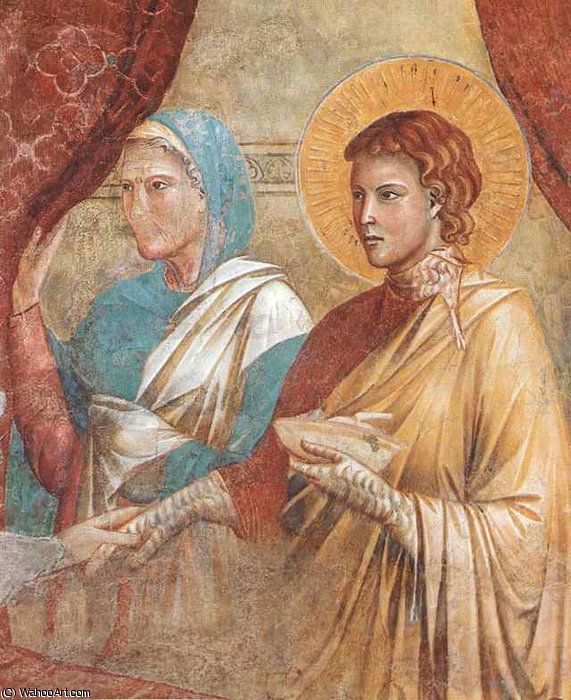
A Moment of Divine Blessing: Giotto’s “Isaac Blessing Jacob”
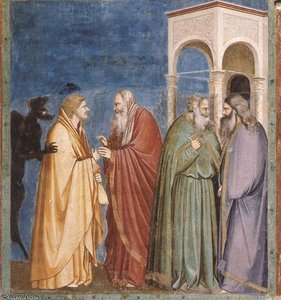
Giotto di Bondone's "Scenes from the Old Testament: Isaac Blessing Jacob," painted around 1290, stands as a pivotal work bridging the gap between the stylized formality of Byzantine art and the burgeoning naturalism that would define the Renaissance. This fresco, originally adorning the walls of what is now the Basilica of Saint Francis in Assisi, isn’t merely a depiction of a biblical narrative; it's an invitation into a world brimming with emotional resonance and groundbreaking artistic innovation. Giotto, already recognized as “the Shepherd Boy” for his early talent sketching animals, masterfully captures the profound intimacy of this pivotal moment – Jacob’s youth and Isaac’s impending departure, marked by a blessing that would shape the lineage of Israel.
The scene unfolds within a carefully constructed box-like room, a deliberate architectural choice characteristic of Giotto's work. The front wall, acting as the stage for this sacred drama, is subtly defined, drawing our eye to the central figures and creating a sense of contained narrative. Notice how Giotto eschews the flattened perspectives and opulent gold backgrounds typical of Byzantine art; instead, he employs a more realistic spatial arrangement, hinting at depth through careful modeling of forms and the use of light and shadow. This shift signals a move towards a greater engagement with earthly reality – a core tenet of the emerging Renaissance aesthetic.
The Figures: Humanity in Divine Context
At the heart of the composition stand Isaac and Jacob, rendered with an unprecedented degree of humanism. Giotto abandons the rigid, hieratic poses of earlier religious art, portraying these figures as individuals experiencing a deeply personal exchange. Isaac, aged but radiating paternal authority, extends his hand in blessing, while Jacob, youthful and eager, leans towards him, absorbing the divine grace. The women flanking them – likely Rebekah and Rachel – are equally compelling, their gestures conveying a mixture of anticipation and reverence. The woman on the left, her hand raised to her face, is particularly intriguing; some scholars interpret this gesture as a moment of profound contemplation or perhaps even a subtle expression of Jacob’s youthful impatience.
Observe Giotto's meticulous attention to detail in depicting their clothing and accessories. The fabrics are rendered with a tactile quality, suggesting texture and weight. The bowl of grain, positioned centrally, symbolizes abundance and the promise of future prosperity – a tangible representation of God’s blessing. The overall effect is one of remarkable realism, achieved through careful observation of human anatomy and expression.
Symbolism and Narrative Depth
Beyond its immediate depiction of the biblical story, “Isaac Blessing Jacob” is rich in symbolic meaning. The act of blessing itself represents divine favor and lineage – a connection between God and his chosen people. The scene’s intimate setting reinforces this sense of personal significance, suggesting that faith is not merely an abstract concept but a lived experience rooted in human relationships. The presence of the women adds another layer to the narrative, hinting at the role of female agency within the biblical story – a subtle yet significant departure from traditional representations.
The bowl of grain isn’t simply a prop; it symbolizes the future harvest and the continuation of God's covenant with Abraham. It represents not just material prosperity but also spiritual nourishment, suggesting that faith provides sustenance for both body and soul. The careful arrangement of figures within the confined space further emphasizes the importance of this single, pivotal moment in Jacob’s life.
A Revolutionary Vision: Giotto’s Legacy
“Isaac Blessing Jacob” is more than just a beautiful painting; it's a testament to Giotto’s revolutionary vision. He moved away from the stylized conventions of his predecessors and embraced a new approach that prioritized realism, emotional depth, and narrative clarity. This fresco marked a crucial step in the development of Western art, paving the way for the Renaissance masters who would build upon his innovations. Giotto's ability to capture human emotion with such immediacy remains profoundly moving today, solidifying his place as one of history’s most influential artists.
ArtsDot offers exquisite hand-painted reproductions of this iconic masterpiece, allowing you to bring the profound beauty and emotional power of Giotto’s “Isaac Blessing Jacob” into your home or office. Each reproduction is meticulously crafted by skilled artisans, ensuring that it captures the essence of the original while offering a timeless addition to any collection.
関連作品
![Scrovegni - [10] - Prayer Of The Suitors — ジョット, Early Renaissance](/media/artworks/images-thumb/2d/1b/2d1bb563494b78c1717366112d71d034.jpg)
![Scrovegni - [01] - Expulsion Of Joachim From The Temple — ジョット, Early Renaissance](/media/artworks/images-thumb/04/9e/049e093e294aa0bc1987e574e4910238.jpg)
作家の略歴
ジョット・ディ・ボンドーネ:中世からルネサンスへの転換点
1267年頃、フィレンツェの丘陵地帯で生まれたジョット・ディ・ボンドーネは、謙虚な出自から出発し、西洋美術史における最も重要な人物の一人となりました。彼の生涯には伝説が数多く語り継がれており、羊飼い少年が岩場で驚くほどリアルな羊の絵を描いているところを発見され、フィレンツェの名手チマブエの目に留まったという逸話は有名です。真実か虚構かに関わらず、この物語はジョットの才能の本質を捉えています。それは、自然界を比類のないリアリズムと感情的な深みで表現するという生まれながらの能力でした。師であるチマブエのもとで修行を積んだジョットは、技術を習得する一方で、独自の道を切り開きました。当時の支配的だったビザンティン様式は、装飾的な人物描写、平坦な遠近感、そして精神的な超越を象徴する豪華な金箔背景を特徴としていました。しかし、ジョットは、人間を幽玄な偶像ではなく、感情に満ちた、具体的な空間に存在する個人として描くことを切望していました。
ビザンティン様式からの脱却は、突然の変革ではなく、徐々に進む進化でした。初期の作品ですら、ボリューム、重み、そして信憑性のある解剖学への新たな重点が示唆されており、光と影を単なる装飾要素としてではなく、形状を彫刻し奥行きを生み出すための道具として観察し始めました。この萌芽的な自然主義は、アシジの聖フランチェスコ上大聖堂にあるフレスコ画への貢献にも見られます。作者については議論がありますが、多くの学者はジョットの手による場面が、支配的なビザンティン美学からの明確な逸脱を示していることを認めています。彼は伝統を単に否定したのではなく、それを基盤としつつ、新たな人間性と感情的な共鳴を注入しました。
スクロヴェニ礼拝堂:物語の最高傑作
ジョットの最高傑作であり、西洋美術史における最も重要な作品の一つは、パドヴァにあるスクロヴェニ礼拝堂(通称アレーナ礼拝堂)を飾るフレスコ画サイクルです。1305年頃に完成したこの息を呑むようなシリーズは、キリストと聖母マリアの生涯を描き、前代未聞のリアリズムと感情的な強さで展開されます。各場面は、注意深く舞台化された劇のように展開し、宗教的 archetypes の単なる表現ではなく、喜び、悲しみ、恐れ、希望など、さまざまな感情を経験する、完全に人間味あふれる人物たちで満たされています。壁一面に広がる *最後の審判* は、ジョットの才能が、神聖な威厳と、究極の裁きに直面した人間の生の脆弱さを伝える力を持っていることを雄弁に示す証です。後世のルネサンス様式で見られるほど数学的に正確ではありませんが、遠近法の使用は説得力のある奥行きの錯覚を生み出し、鑑賞者を物語の中に引き込みます。人物たちは地に足がついており、その体には重みとボリュームがあり、表情はかつてない感情の範囲を伝えています。
建築への貢献と遺産
ジョットの才能は絵画にとどまらず、彼もまた尊敬される建築家でした。1334年、彼はフィレンツェ大聖堂の鐘楼(カンパニレ)のデザインを依頼され、革新的な建築様式への彼の新しいアプローチを示すプロジェクトとなりました。完成前に亡くなりましたが、彼のデザインは、この象徴的なフィレンツェのランドマークの基礎を築きました。その後の芸術家たちへの影響力は計り知れません。彼は中世とルネサンスの世界をつなぐ架け橋となり、マサッチオ、レオナルド・ダ・ヴィンチ、ミケランジェロなどの巨匠たちの芸術的業績の道を切り開きました。ジョットは「絵画に命を吹き込み、生活から描くという偉大な芸術を与えた」と語ったヴァザリは、彼の西洋美術の過程への深遠な影響を証明しています。ジョットは世界を描写するだけでなく、それを理解し、その本質を捉え、視覚的な物語を通してその理解を伝えることを目指しました。彼の遺産は死後数世紀経っても人々に畏敬と賞賛の念を引き起こし続け、西洋美術における最も偉大な革新者の一人としての地位を確固たるものにしています。
主要な業績と永続的な影響
- 絵画の革命: ビザンティン様式の装飾化から自然主義と感情的なリアリズムへと移行しました。
- 遠近法の先駆者: 絵画に奥行きと空間認識を生み出すための技術を導入しました。
- 優れた物語性: スクロヴェニ礼拝堂のようなフレスコサイクルを通して、説得力のある物語を作り上げました。
- 建築への貢献: フィレンツェ大聖堂の鐘楼のデザインを担当しました。
- ルネサンス美術の基礎: 彼の作品はルネサンス期の芸術的業績のための基盤を築きました。
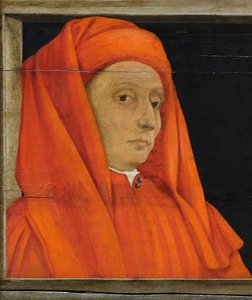
ジョット
1267 - 1337 , イタリア
プロフィール概要
- フルネーム: ジョット・ディ・ボンドーネ
- 主な作品:
- スクローベーニ礼拝堂のフレスコ画
- オニャンティのマドンナ
- 出生地: フィレンツェ, イタリア
- 国籍: イタリア
- 影響を与えたアーティスト:
- マサッチョ
- ルネサンス美術
- 影響を受けたアーティスト: ['チマブエ']
- 死亡年月日: 1337年1月8日
- 生年月日: 1267年頃
- 芸術運動またはスタイル: 前ロマネスク