

 プレビュー
プレビュー
 プリントを購入
 シェアする
シェアする シェアする
シェアする
 詳細を見る
詳細を見る

 ダウンロード
 似ている作品
 X線調査
X線調査 スライドショー
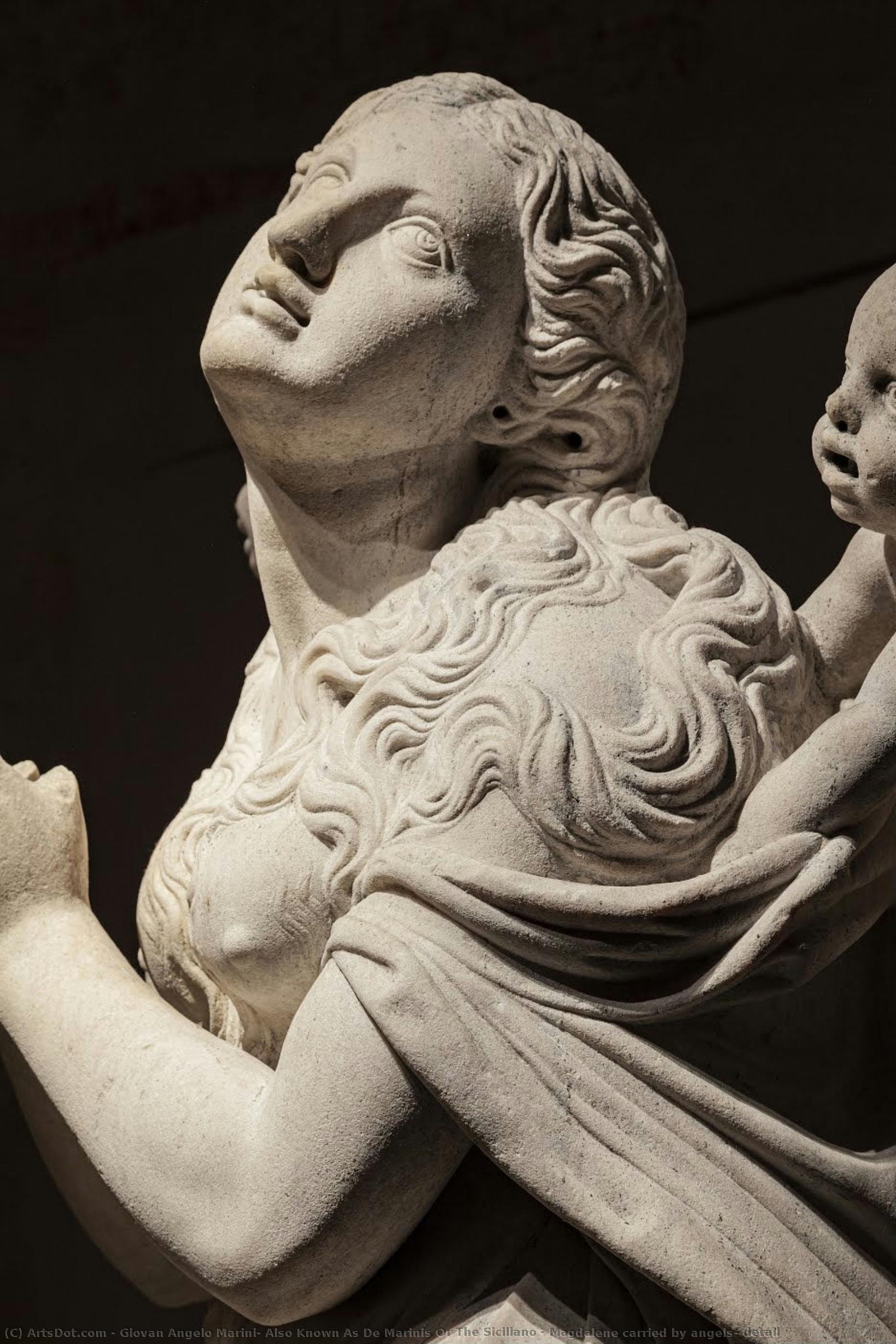
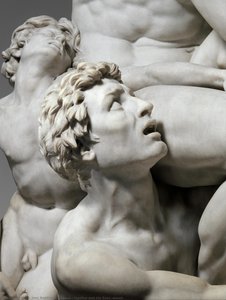
Magdalene carried by angels, detail
 197.0 x 57.0 cm
 Veneranda Fabbrica del Duomo di Milano
 詳細を見る
詳細を見る




































作品のオリジナル比率に合わせた、当店の規定サイズからお選びください。

特定のフレームやスペースに合わせて、ご希望のサイズをご入力いただけます。選択されたサイズが元の画像の比率と異なる場合、アートワークをトリミングするか、手描きで要素を追加して絵画を拡張いたします。デジタルモックアップ を制作し、制作開始前にご確認(承認)をいただきます。
画面上のプレビューは、実際のトリミングや拡張を正確に反映しているものではありません。最終的な構図は、モックアップによってのみ正確にご確認いただけます。
カスタムサイズもご利用いただけますが、元の比率を維持するためには、あらかじめ用意されたリストからサイズを選択することをお勧めいたします。
ご注文後、ArtsDot.com チームより詳細な指示をお送りするとともに、仕上がりイメージ(モックアップ)をご提供いたします。


 ガラスオプションは、110cm未満のサイズでのみご利用いただけます。

Magdalene carried by angels, detail
複製技法
複製画のサイズ
-


合計金額
$ 263
関連作品





アーティストの略歴
Giovan Angelo Marini: The Sicilian Genius of Milanese Sculpture
Giovan Angelo Marini, often referred to as De Marinis or Il Siciliano—a moniker reflecting his birthplace in Sicily—was a singular talent within the Italian Renaissance. Born in Pistoia around 1563, he tragically died just two years later at the young age of twenty-two, leaving behind an astonishing legacy of sculptural achievement primarily centered on the Duchy of Milan. His brief but impactful career cemented his place as one of the foremost sculptors of his era, admired for his masterful execution and profound understanding of humanist ideals.- Early Life and Training:
- Milanese Patronage and Artistic Flourishing:
- Notable Works: Magdalene Angels Detail
- Technique and Style:
- Legacy and Historical Significance:
Early Life and Training
Marini’s formative years were spent in Pistoia, where he received a robust artistic education—a rarity for young men of his time. Details surrounding his family background remain somewhat obscure, but it is known that he was apprenticed to Alessandro Ludovico Borghese, a prominent sculptor who instilled in him the principles of Mannerism, a stylistic movement characterized by elongated figures, stylized drapery, and dramatic poses. This training proved invaluable, shaping Marini’s artistic sensibilities and equipping him with the technical skills necessary for his future endeavors. The influence of Borghese's style is undeniably present in Marini’s early sculptures, demonstrating the importance of mentorship within the Renaissance artistic milieu.Milanese Patronage and Artistic Flourishing
Marini’s fortunes dramatically shifted when he secured patronage from Ludovico Sforza II, Duke of Milan—a pivotal moment that propelled him to international acclaim. Recognizing Marini's exceptional talent, Sforza commissioned him to create monumental sculptures for Castello Nuovo, transforming the ducal palace into a breathtaking showcase of artistic grandeur. This association fostered an environment ripe for innovation and experimentation, allowing Marini to hone his craft and explore ambitious sculptural concepts. Furthermore, he collaborated with other prominent artists like Pompeo Veronese and Andrea Palladio, fostering intellectual exchange and contributing to the vibrant cultural landscape of Milan during Sforza’s reign.Notable Works: Magdalene Angels Detail
Perhaps Marini's most celebrated achievement is undoubtedly his depiction of Magdalene angels—a breathtaking ensemble housed in Sant’Alessandro al Melzo Abbey near Milan. This masterpiece exemplifies Marini’s mastery of Mannerist technique and embodies the humanist spirit of the period. The sculpture captures the ethereal beauty of Mary Magdalene, cradled by two angelic figures rendered with exquisite detail and expressive dynamism. The drapery is sculpted with remarkable precision, conveying a sense of movement and texture that transcends mere representation. This work stands as a testament to Marini’s ability to infuse religious iconography with profound emotional depth—a hallmark of his artistic vision. As evidenced in the Google Arts & Culture database (Magdalene carried by angels, detail), Marini’s meticulous attention to anatomical accuracy combined with stylized drapery created an unforgettable visual experience.Technique and Style
Marini's sculptural style is firmly rooted in Mannerism, yet he possessed a distinctive approach that distinguished him from his contemporaries. He skillfully blended classical influences—particularly those derived from Michelangelo—with expressive distortions and stylized poses characteristic of the movement. Unlike many sculptors who adhered rigidly to idealized forms, Marini embraced asymmetry and dynamism, conveying psychological complexity within his figures. His use of polished marble—a favored medium for Milanese artists—further enhanced the luminosity and elegance of his sculptures. The Magdalene angels exemplify this stylistic fusion perfectly, demonstrating Marini’s ability to transform classical ideals into emotionally resonant artworks.Legacy and Historical Significance
Despite his tragically premature death, Giovan Angelo Marini left an indelible mark on Renaissance sculpture. His work served as inspiration for subsequent generations of artists and solidified Milan's reputation as a center of artistic excellence. The Magdalene angels continue to captivate viewers today, serving as a poignant reminder of Marini’s genius and the enduring power of humanist art. His contribution to the visual culture of his time underscores the importance of recognizing talent even amidst fleeting lifespans—a legacy that continues to resonate within the annals of art history.
giovan angelo marini, also known as de marinis or the siciliano
1563 - 1565 , Italy
基本情報
- Artistic Movement Or Style: Renaissance Sculpture
- Date Of Birth: 1563
- Full Name: Giovan Angelo Marini
- Nationality: Italian
- Notable Artworks: ['Magdalene carried by angels']
- Place Of Birth: Pistoia, Italy