

 プレビュー
プレビュー
 プリントを購入
 シェアする
シェアする シェアする
シェアする
 詳細を見る
詳細を見る

 ダウンロード
 似ている作品
 X線調査
X線調査 スライドショー
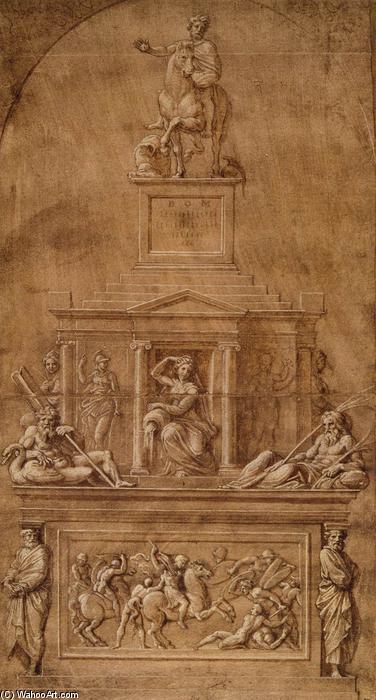
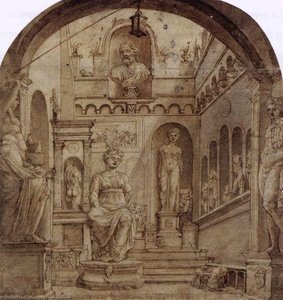
Design for the funerary monument of Francesco Gonzaga
 Oil On Canvas
- WallArt
- Mannerism
 1519
1519 507.0 x 272.0 cm
 ルーブル美術館
 詳細を見る
詳細を見る
オンラインプレビューをはるかに凌ぐ、高解像度で鮮明なデジタル画像をご購入いただけます。
各ファイルは、社内の専門家が高度なツールと熟練した手作業によるレタッチを用いて、細心の注意を払って準備されています。すべての画像において、卓越した鮮明度、正確な色彩再現性、そして繊細なディテールを保証いたします。
最終ファイルは、プロフェッショナルな編集・印刷環境ですぐにご利用いただけるよう最適化された状態で、72時間以内にメールにてお届けいたします。これは、一流のデザインスタジオ、出版社、ギャラリーから信頼されているものと同等の品質です。
デジタル画像のご注文に付随する特典
高品質なデジタル画像配信を、確かな品質で。
ArtsDot.com を選ぶことは、単に画像を手に入れることではありません。それは、プロの手によって精密に仕上げられ、満足保証が付いた高品質なデジタルアートワークを受け取ることを意味します。ご注文いただいた際に自動的に付随する内容は、以下の通りです:

メールですぐにお届け
ご注文から72時間以内に、高解像度のデジタル画像ファイルがメールでお手元に届きます。すぐにそのままご利用いただけます。

AI技術で最適化されたデジタルファイル
お客様の作品は、高度なAIツールと専門家による手作業の編集を組み合わせてプロフェッショナルに最適化されており、細部のディテール、鮮明さ、そして正確な色再現性を最大限に引き出しています。

一生涯無料の再送サービス
ファイルを誤って削除したり、紛失してしまったりしましたか?ご安心ください。いつでも無料で再送いたします。

輸入手数料は一切かかりません
関税や手数料、配送料を気にすることなく、お気に入りのアートワークをすぐにお楽しみいただけます。デジタルダウンロードは常に免税です。

色彩再現の保証
プロ仕様のツールとカラーマネジメント技術を用いることで、デジタル画像が元の色を最大限に忠実に再現することを保証いたします。

60日間満足保証
ご購入いただいたデジタル画像にご満足いただけない場合は、60日以内であれば、修正または100%の返金(理由を問う必要はありません)をさせていただきます。

100% 返金保証
ご満足いただけない場合は、デジタルファイルを受け取ってから60日以内であれば、理由を問わず全額返金いたします。

まとめ買い割引
3枚購入で10%OFF - 5枚購入で15%OFF - 10枚以上購入で20%OFF。クリエイティブなプロジェクト、ギャラリー、エージェンシーに最適です。
作品の詳細
A Glimpse into Renaissance Grandeur: Design for the Funerary Monument of Francesco Gonzaga
Giovanni Francesco Penni’s “Design for the funerary monument of Francesco Gonzaga” offers more than just a visual representation; it's a poignant window into the heart of 16th-century Florentine art and the profound emotions surrounding death and remembrance. Created in 1519, this meticulously rendered drawing, now housed within the collection of ArtsDot.com, captures a pivotal moment in Penni’s career – his burgeoning partnership with Raphael and his exploration of Mannerist aesthetics. The image depicts a grand, imposing monument conceived for the Gonzaga family mausoleum, reflecting both the wealth and power of the Mantuan court and the deeply held beliefs about honoring the deceased.
The composition immediately draws the eye to a central figure: a seated man, likely representing Francesco Gonzaga himself, positioned atop a rearing horse. This potent symbol—the equestrian portrait—was a hallmark of Renaissance art, signifying power, nobility, and martial prowess. Surrounding him are figures engaged in various acts of reverence – attendants, mourners, and even an angel ascending towards the heavens. Penni masterfully employs dramatic diagonals to create a sense of movement and dynamism within the scene, preventing it from feeling static or overly formal. The careful arrangement of these elements speaks volumes about the importance placed on commemorating Gonzaga’s legacy.
Mannerist Innovation: Style and Technique
Penni's work firmly establishes him as a key figure in the development of Mannerism, an artistic style that emerged from the High Renaissance. Unlike the balanced compositions and idealized forms of his predecessors, Penni embraced stylized figures, exaggerated poses, and intense emotional expression. Notice how the horse’s musculature is rendered with meticulous detail, conveying both power and vulnerability. The drapery flows in complex folds, creating a sense of volume and movement that defies realistic proportions – a characteristic trait of Mannerism. The use of contrasting light and shadow further enhances the dramatic effect, highlighting key figures and adding depth to the scene.
Technically, Penni demonstrates remarkable skill in his rendering of textures and materials. The smooth surfaces of the armor, the flowing fabric, and the detailed features of the human forms are all achieved through a combination of precise lines and subtle shading. The drawing itself is executed with charcoal on paper, revealing Penni’s deliberate approach to line work – each stroke carefully considered to convey form and expression. It's a testament to his mastery that this relatively small drawing possesses such monumental impact.
Historical Context: Gonzaga Power and Artistic Patronage
To fully appreciate “Design for the funerary monument,” it’s crucial to understand the historical context in which it was created. Francesco I Gonzaga, the subject of this design, was a shrewd diplomat and military leader who transformed Mantua into one of the most powerful states in Italy during the 16th century. His family commissioned lavish works of art – including this monument – to solidify their prestige and commemorate their lineage. The patronage system thrived under the Gonzagas, providing artists like Penni with opportunities to develop their talents and create enduring masterpieces.
Furthermore, the design reflects broader Renaissance attitudes towards death and mourning. The inclusion of religious figures—the angel representing divine judgment—underscores the belief that earthly life is but a prelude to an eternal afterlife. The monument itself served as a powerful statement about the family’s piety and commitment to honoring their ancestors. Penni's work, therefore, isn't simply a design for a tomb; it's a visual embodiment of Gonzaga’s power, faith, and legacy.
Symbolism and Emotional Resonance
Beyond its formal elements, the “Design for the funerary monument” is rich in symbolism. The horse represents strength, nobility, and military prowess—qualities highly valued by Francesco I Gonzaga. The figures surrounding him symbolize the various roles within society – loyalty, grief, and divine guidance. The overall composition evokes a sense of solemn grandeur, reflecting the gravity of death and the importance of remembrance.
Looking at this drawing today, one can’t help but feel a profound connection to the past. Penni's masterful rendering captures not only the physical likeness of the figures but also their emotional state—a poignant blend of reverence, sorrow, and hope. It is a testament to the enduring power of art to transcend time and connect us to the beliefs and values of those who came before us.
関連作品




作家の略歴
The Steward of Raphael’s Legacy
In the golden, transformative era of the Italian Renaissance, few figures embody the transition from High Renaissance harmony to the stylized elegance of Mannerism as intimately as Giovanni Francesco Penni. Known to history by the affectionate moniker “il Fattore”—the Steward—Penni was far more than a mere administrator of artistic affairs; he was a vital conduit through which the divine grace of Raphael Sanzio flowed into a new generation. Born in Florence around 1488, Penni’s early life was steeped in the meticulous traditions of his family's textile trade. This background, rooted in the appreciation of intricate patterns and decorative splendor, would later manifest in his profound ability to execute works of immense ornamental beauty and technical precision.
Penni’s destiny was irrevocably entwared with the workshop of Raphael, the epicenter of Roman artistic life. As an apprentice and eventually a principal assistant, he did not merely observe the master; he breathed the same creative atmosphere that produced the Vatican’s most celebrated frescoes. His role in the studio was so significant that he was entrusted with managing the domestic and professional affairs of the great master, a responsibility that earned him his famous nickname. This proximity allowed Penni to absorb Raphael's mastery of idealized beauty, balanced composition, and the soft, luminous skin tones that defined the era, yet Penni possessed an innate drive to push these boundaries toward the more dramatic, elongated, and complex aesthetics of the emerging Mannerist movement.
Mastery in the Vatican and Beyond
The true scale of Penni’s talent is most visible in his contributions to the monumental decorative programs of the Vatican Palace. Within the legendary Stanze di Raffaello, Penni worked alongside the master to breathe life into biblical narratives, demonstrating a technical prowess that earned him a place in Raphael's own will as an heir. His hand can be seen in the delicate execution of historical scenes, where he navigated the difficult task of maintaining the master's stylistic integrity while injecting his own sense of invention. One of his most ambitious undertakings involved completing the unfinished Cartounella della Madonna di San Francesco, a feat that showcased his ability to handle large-scale compositions with both grace and structural clarity.
Beyond the walls of the Vatican, Penni’s artistry was characterized by a singular felicity in landscape and a graceful execution that could captivate even the most discerning patrons. His works often featured:
- Dramatic Religious Narratives: Utilizing the interplay of light and shadow to heighten the emotional weight of sacred scenes.
- Ornamental Detail: A lingering influence from his Florentine roots, visible in the rich textures of fabrics and architectural elements.
- Stylized Forms: An early adoption of Mannerist tendencies, where figures began to take on more elegant, elongated, and rhythmic poses.
A Journey Through Mantua and Naples
As the artistic tides shifted following Raphael's untimely death in 1520, Penni’s career took a nomadic and transformative path. In 1526, he moved to Mantua, seeking patronage under Giulio Romano, the brilliant successor to Raphael’s mantle. While Mantua was then a laboratory for the flamboyant and often eccentric experiments of Mannerism—most notably within the walls of the Palazzo Te—Penni’s reception was marked by the complexities of navigating a changing political and artistic landscape. The resistance he faced from certain Mantuan elites suggests a man caught between two worlds: the classical stability of his training and the restless, avant-garde energy of the new age.
The final chapter of Penni’s life led him to Naples, a city that would serve as his final refuge and creative stage until his death in 1528. Though much of his fresco work has been lost to time, leaving behind a precious but fragmented legacy, the surviving oil paintings and studies reveal an artist of immense versatility. From the tender devotion found in works like Madonna with the Blue Diadem to the complex compositions of the Holy Family, Penni remains a crucial figure for understanding how the perfection of the High Renaissance evolved into the expressive, sophisticated language of Mannerism. He stands not just as an assistant to a giant, but as a master in his own right, whose brush helped bridge the gap between the classical past and the dramatic future of Italian art.
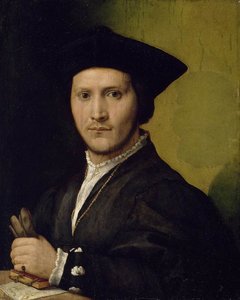
giovan francesco penni
1488 - 1528 , Italy
プロフィール概要
- Artistic Movement Or Style: Mannerist
- Artists Or Movements Influenced By This Artist: ['Renaissance']
- Artists Who Influenced This Artist: ['Raphael']
- Date Of Birth: ca. 1496
- Date Of Death: ca. 1528
- Full Name: Giovanni Francesco Penni
- Nationality: Italian
- Notable Artworks:
- The Holy Family of the Book
- Madonna with the Blue Diadem
- Design for the funerary monument of Francesco Gonzaga
- Place Of Birth: Florence, Italy

