

 プレビュー
プレビュー
 シェアする
シェアする シェアする
シェアする
 詳細を見る
詳細を見る

 ダウンロード
 似ている作品
 X線調査
X線調査 スライドショー
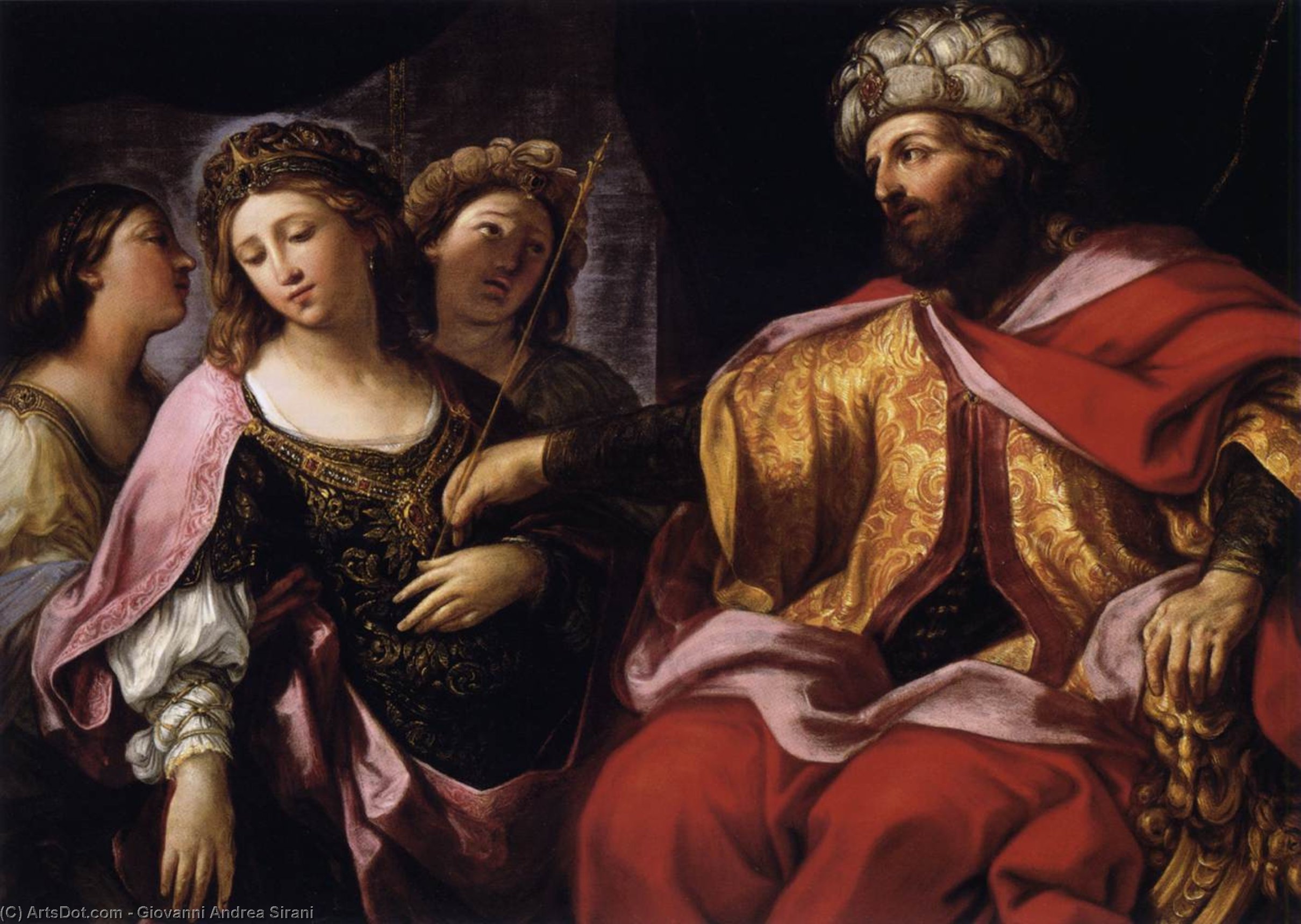
Esther before Ahasuerus
 Oil On Canvas
- WallArt
- Baroque
 1630
1630- Early Modern
 101.0 x 140.0 cm
 Szépművészeti Múzeum
 詳細を見る
詳細を見る
ジークレー/アートプリント
迅速な制作と多彩な仕上げオプションを備えた、ミュージアムクオリティのジークレーまたはキャンバスプリント。 ( 手描きの絵画を購入 画像を購入)




P118B $10

P118H $10

P118W $10

P438Z $10

P508JH $12

P508YH $12

P805H $10

P805Z $10

P919BZ $10

P919G $10

P919XJ $10

P959ZH $10

P968JZ $12

W106C $8

W218G $10

W218JH $8

W218Y $10

W307PJ $10

W316G $10

W316PJ $8

W316Y $10

W398PJ $8

W4111J $10

W500HY $15

W500JH $15

W692G $12

W849H $8

W940BG $15

W953PJ $8




作品のオリジナル比率に合わせた、当店の規定サイズからお選びください。

特定のフレームやスペースに合わせて、ご自身でサイズを指定することも可能です。選択されたサイズが元の画像の比率と一致しない場合、作品をトリミングするか、鏡面反射または単色での塗りつぶしによって画像を拡張いたします。制作を開始する前に、ご確認用のデジタルモックアップをお送りいたします。
画面上のプレビューには、実際のトリミングや拡張は反映されませんのでご注意ください。最終的な構図を正確に確認できるのは、モックアップのみとなります。
カスタムサイズも承っておりますが、元の比率を維持するためには、あらかじめ用意されたリストからサイズを選択することをお勧めいたします。


 ガラスオプションは、110cm未満のサイズでのみご利用いただけます。

Esther before Ahasuerus
ジークレー/アートプリント
複製画のサイズ
-


合計金額
$ 62
A Vision of Royal Drama: Esther before Ahasuerus
To stand before Giovanni Andrea Sirani's "Esther before Ahasuerus" is to step directly into the opulent, charged atmosphere of an ancient royal court. This magnificent Baroque oil painting does not merely depict a scene; it captures a moment suspended in time—a nexus of power, fate, and divine intervention. The composition immediately draws the eye to the central male figure, seated upon an elaborate throne that speaks volumes of earthly authority. Flanking him, the two female figures guide the narrative with their gestures and gazes, creating a palpable tension that vibrates across the canvas. Sirani masterfully orchestrates these human interactions, transforming what might be a historical tableau into a deeply psychological drama.
Mastery in Baroque Technique and Light
Technically, this work is a breathtaking testament to 17th-century Italian painting prowess. Executed with meticulous oil paint on canvas, the surface reveals layers of rich texture achieved through expert glazing. Observe how Sirani builds luminosity into the very fabric of the robes; the interplay between deep shadow and brilliant highlight is nothing short of dramatic. This use of light, characteristic of the Baroque period, serves not just to illuminate, but to sculpt emotion. The drapery falls in heavy, directional folds, lending a dynamic energy to the otherwise static figures. While the perspective possesses a certain flattening typical of the era's grand narrative painting, depth is achieved through overlapping forms and the sheer weight of the painted atmosphere, inviting the viewer into its richly decorated space.
The Weight of Narrative and Symbolism
The subject matter itself—Esther before Ahasuerus—is steeped in profound symbolism. It speaks to themes of courage, hidden identity, and the pivotal moment when virtue confronts overwhelming power. The pointed gesture of one woman, the commanding posture of the ruler, and the veiled intensity in the eyes suggest a narrative fraught with moral dilemma. For the modern collector or designer, this piece offers more than mere decoration; it is an object imbued with the weight of human destiny. It evokes contemplation on matters of judgment, truth, and the quiet strength required to speak one's mind amidst grandeur.
A Touch of Bolognese Drama
Giovanni Andrea Sirani, a master from Bologna, channeled the dramatic intensity that defined his time. His work carries the echoes of the great Bolognese Baroque tradition—a style that balanced classical structure with emotional fervor. Owning a reproduction of this piece allows one to bring home not just an artwork, but a segment of artistic history; a tangible connection to the passionate genius of Sirani. Whether adorning a grand hall or lending intellectual depth to a private study, "Esther before Ahasuerus" promises an immediate and captivating focal point, rich with narrative resonance and unparalleled artistic drama.
関連作品




アーティストの略歴
Giovanni Andrea Sirani: A Bolognese Master of Baroque Drama
Giovanni Andrea Sirani, born in Bologna in 1610 and tragically dying there in 1670, stands as a pivotal figure in the vibrant artistic landscape of 17th-century Italy. More than just a painter, he was a father – to the equally remarkable Elisabetta Sirani – and a conduit for the late style of Guido Reni, shaping an entire generation of Bolognese artists. His legacy isn’t solely defined by his individual works but also by the establishment of a renowned workshop that fostered female artistic talent, a testament to his forward-thinking approach within a traditionally male-dominated field. Sirani's career unfolded against the backdrop of Bologna’s flourishing Baroque scene, a city deeply rooted in classical tradition yet embracing dramatic intensity and emotional depth – qualities that profoundly influenced his artistic vision.Early Training and Artistic Influences
Sirani’s early artistic education began with Giacomo Cavedone, a local painter who provided him with the foundational skills of composition and technique. However, it was his apprenticeship under Guido Reni, the most celebrated artist of the Bolognese school, that truly shaped his trajectory. Reni's influence is immediately apparent in Sirani’s early works – a meticulous attention to detail, a refined sense of color, and a preference for classical subjects rendered with serene grace. Sirani meticulously studied Reni’s techniques, absorbing not just the visual elements but also the artist’s philosophy of portraying idealized beauty and spiritual depth. This dedication to Reni's style is evident in pieces like “Esther before Ahasuerus” (1630), a dynamic composition brimming with theatrical lighting and narrative power – a clear demonstration of Sirani’s ability to translate Reni’s elegance into his own distinctive voice. Beyond Reni, Sirani was also influenced by the Venetian masters, particularly their use of color and dramatic chiaroscuro, which would later become a defining characteristic of his late style.The Rise of a Workshop and Elisabetta's Legacy
Following Reni’s death in 1645, Giovanni Andrea Sirani assumed the role of his protégé and teacher, establishing a workshop that quickly gained prominence within Bologna’s artistic community. Crucially, he took on his daughter, Elisabetta Sirani, as his principal pupil – an unprecedented move at the time. Elisabetta's success as a painter in her own right is inextricably linked to her father’s guidance and the supportive environment he fostered. She became one of the first women artists to achieve significant recognition, running her own workshop and founding an academy for female artists, demonstrating a remarkable commitment to nurturing talent regardless of gender. The circumstances surrounding Elisabetta's untimely death in 1665 – shrouded in mystery and speculation about poisoning – cast a long shadow over her father’s reputation, leading to accusations and investigations that ultimately implicated him, though the truth remains debated by historians today.A Shift Towards Dramatic Intensity: Late Style
As Sirani's career progressed, his style underwent a noticeable transformation, reflecting the evolving artistic currents of the late Baroque period. He moved away from the purely imitative approach to Reni’s style and embraced a more dramatic and emotionally charged aesthetic. His later works, such as “The Conversion of Saint Matthew” (circa 1660), are characterized by heightened contrasts of light and shadow, intense colors, and a palpable sense of movement and psychological drama. This shift can be attributed to his exposure to Venetian painting, particularly the work of Tintoretto and Veronese, who were known for their theatrical use of color and composition. Sirani’s late style is also marked by a greater emphasis on narrative detail and a willingness to explore complex emotional states within his subjects.Historical Significance and Lasting Impact
Giovanni Andrea Sirani's significance extends beyond his individual artistic achievements. He played a crucial role in preserving and transmitting the legacy of Guido Reni, ensuring that the Bolognese school continued to flourish after the master’s death. More importantly, he established a precedent for female artistic education and professional development, paving the way for Elisabetta Sirani's pioneering career. His workshop became a hub of artistic innovation and a symbol of opportunity for aspiring women artists in a society that often denied them access to formal training. Today, Sirani’s works are celebrated for their technical brilliance, dramatic intensity, and profound emotional resonance – solidifying his place as one of the most important figures in the history of Bolognese Baroque painting. His story serves as a poignant reminder of the complexities of artistic patronage, family dynamics, and the enduring power of legacy.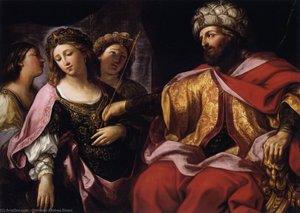
Giovanni Andrea Sirani
1610 - 1670 , Italy
基本情報
- Artistic Movement Or Style: Baroque Painter
- Artists Or Movements Influenced By This Artist: ['Elisabetta Sirani']
- Artists Who Influenced This Artist: ['Guido Reni']
- Date Of Birth: 1610, Bologna, Italy
- Date Of Death: 1670, Bologna, Italy
- Full Name: Giovanni Andrea Sirani
- Nationality: Italian
- Notable Artworks: ['Esther before Ahasuerus']
- Place Of Birth: Bologna, Italy
関連記事

Decoding Baroque Grandeur: A Guide to the Drama and Emotion of 17th-Century Art
Explore the breathtaking drama of 17th-century Baroque art. Our expert guide decodes the use of chiaroscuro, emotional intensity, and historical grandeur to help you appreciate and curate timeless masterpieces for your collection.

Baroque Classicism: Reconciling Drama & Order in 17th-Century Art
Explore the captivating world of Baroque Classicism! Discover its history, key artists like Caravaggio & Rubens, and defining characteristics. Expert insights & high-quality reproductions at ArtsDot.

バロックのドラマ:現代のインテリアに壮麗さと情感を取り込む
バロック様式の歴史、絵画、家具の魅力をご紹介。ArtsDotでは、高品質な油絵複製やカスタムポートレートをご提供し、現代のインテリアに壮麗さと情感を取り入れます。アートコンサルテーションも承ります。
Simon Vouet: A Baroque Master's Journey from Italian Influence to French Classicism
Explore the life & art of Simon Vouet, a pivotal French Baroque painter who introduced Italian styles to France. Discover his masterpieces and lasting influence on 17th-century art.

The Visceral Stage: Exploring Dramatic Narratives & Emotional Intensity in Baroque Art
Explore the dramatic world of Baroque art! Discover iconic masters like Caravaggio & Rembrandt, their techniques, and the movement's lasting impact. Expert insights for collectors & enthusiasts at ArtsDot.

