プレビュー
プレビュー
 シェアする
シェアする シェアする
シェアする
 詳細を見る
詳細を見る

 ダウンロード
 似ている作品
 X線調査
X線調査 スライドショー
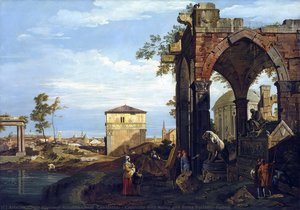
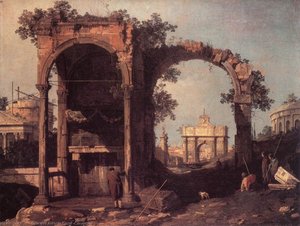
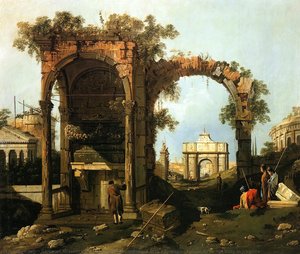
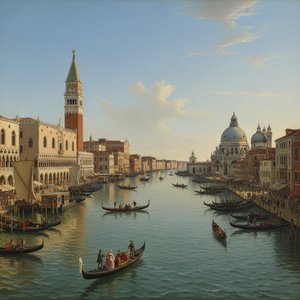
Capriccio with Classical Ruins and Buildings
 Oil On Canvas
- WallArt
- Rococo
 1750
1750 62.0 x 74.0 cm
 Gallerie dell’Accademia
 詳細を見る
詳細を見る
ジークレー/アートプリント
迅速な制作と多彩な仕上げオプションを備えた、ミュージアムクオリティのジークレーまたはキャンバスプリント。 ( 手描きの絵画を購入 画像を購入)




P118B $10

P118H $10

P118W $10

P438Z $10

P508JH $12

P508YH $12

P805H $10

P805Z $10

P919BZ $10

P919G $10

P919XJ $10

P959ZH $10

P968JZ $12

W106C $8

W218G $10

W218JH $8

W218Y $10

W307PJ $10

W316G $10

W316PJ $8

W316Y $10

W398PJ $8

W4111J $10

W500HY $15

W500JH $15

W692G $12

W849H $8

W940BG $15

W953PJ $8




作品のオリジナル比率に合わせた、当店の規定サイズからお選びください。

特定のフレームやスペースに合わせて、ご自身でサイズを指定することも可能です。選択されたサイズが元の画像の比率と一致しない場合、作品をトリミングするか、鏡面反射または単色での塗りつぶしによって画像を拡張いたします。制作を開始する前に、ご確認用のデジタルモックアップをお送りいたします。
画面上のプレビューには、実際のトリミングや拡張は反映されませんのでご注意ください。最終的な構図を正確に確認できるのは、モックアップのみとなります。
カスタムサイズも承っておりますが、元の比率を維持するためには、あらかじめ用意されたリストからサイズを選択することをお勧めいたします。


 ガラスオプションは、110cm未満のサイズでのみご利用いただけます。

Capriccio with Classical Ruins and Buildings
ジークレー/アートプリント
複製画のサイズ
-


合計金額
$ 62
作品詳細説明
A Moment Frozen in Time: Canaletto’s Capriccio
Giovanni Antonio Canal, better known as Canaletto, possessed a singular gift – the ability to capture not just the appearance of Venice, but its very soul. His “Capriccio with Classical Ruins and Buildings,” painted around 1750, is a prime example of this talent, offering a mesmerizing glimpse into a world where reality subtly blends with fantasy. More than simply a landscape, it’s an architectural daydream, a carefully constructed illusion that invites the viewer to step into a timeless Venetian scene.
The painting immediately draws the eye with its layered composition and masterful use of atmospheric perspective. Canaletto, working largely from memory and sketches, doesn't aim for photographic accuracy; instead, he employs a technique honed through years of observing the city’s intricate waterways and grand buildings. The muted palette – dominated by ochres, browns, and greys – creates a sense of hazy distance, while strategically placed highlights draw attention to key elements within the scene. This isn't merely a depiction of Venice; it’s an evocation of its mood, its history, and its enduring beauty.
The Roots of Capriccio: Fantasy and Architectural Echoes
Canaletto’s “Capriccio” belongs to a distinct artistic genre known as the *capriccio*. Emerging in the 17th century, this style moved beyond straightforward topographical representations. It embraced a more imaginative approach, often juxtaposing disparate architectural elements – ancient ruins, fantastical structures, and even figures – within a single composition. The term itself, derived from the Italian word for “caprice” or whim, perfectly encapsulates this spirit of playful invention.
- Historical Context: The *capriccio* style flourished in Rome, where artists like Giovanni Paolo Pannini were experimenting with re-imagining classical ruins and creating fantastical cityscapes. Canaletto’s work reflects this influence, drawing upon the rich architectural heritage of both Venice and Rome.
- Influence of Stage Design: Canaletto's early career as a set designer for Venetian opera provided him with invaluable experience in constructing illusionistic spaces – skills that directly informed his *capriccio* paintings.
A Symphony of Detail and Symbolism
Upon closer inspection, the painting reveals a wealth of subtle details and symbolic elements. The crumbling ruins, reminiscent of ancient Roman temples and Greek theaters, speak to the city’s layered history and its connection to classical antiquity. The figures scattered throughout the scene – merchants, guards, children playing – add a sense of life and movement, grounding the fantastical architecture in a recognizable reality.
Notably, the inclusion of a lone figure sketching within the composition is often interpreted as a self-portrait of Canaletto himself, capturing his own creative process and his deep appreciation for the city he so meticulously documented.The Emotional Resonance of a Venetian Dream
“Capriccio with Classical Ruins and Buildings” isn’t simply a beautiful painting; it's an invitation to lose oneself in a world of elegant decay and timeless beauty. It evokes a sense of nostalgia for a bygone era, while simultaneously celebrating the enduring spirit of Venice. The painting’s hazy atmosphere and carefully orchestrated composition create a feeling of serene contemplation, inviting viewers to reflect on the passage of time and the power of artistic imagination.
Reproductions of this captivating work capture much of its original charm, offering a window into Canaletto's extraordinary vision and providing a stunning addition to any interior space. It’s a piece that speaks volumes about the artist’s skill, his understanding of Venice, and his ability to transport viewers to another world.
関連作品
アーティストの略歴
ヴェネツィアの光を捉えた画家、ジョヴァンニ・アントニオ・カナルート
1697年10月18日、イタリアのヴェネツィアに生まれたジョヴァンニ・アントニオ・カナルートは、一般的に「カナルート」として知られる、18世紀を代表する風景画家の一人です。彼の父、ベルナルド・カナルートは舞台装置を描く画家であり、幼い頃から絵画の基礎を学びました。ヴェネツィアという水の都で育ったカナルートは、その独特な景観に魅せられ、生涯を通じてヴェネツィアの風景を描き続けました。
ローマでの修行と独自の様式の確立
1718年、カナルートはローマへと旅立ちます。そこで彼はアレッサンドロ・スカルラッティのオペラの舞台装置制作に携わりました。この経験は彼の芸術的才能を大きく開花させ、ヴェネツィアに戻った後、独自の様式である「ヴェドゥータ」と呼ばれる風景画を描き始めました。ヴェドゥータとは、イタリア語で「眺め」を意味し、都市の風景や建物を正確かつ詳細に描写した絵画です。カナルートは、単なる記録ではなく、光と影の効果を巧みに利用し、ヴェネツィアの美しさを鮮やかに表現しました。
代表作とその魅力
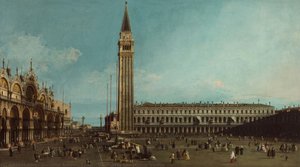
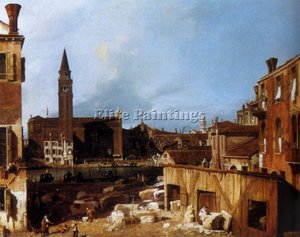
カナルートの作品の中でも特に有名なものに、「石工場の風景」(c. 1725)があります。この絵画は、彼の初期の才能を示す傑作であり、ヴェネツィアの日常生活を生き生きと描き出しています。また、「大運河のレガッタ」は、ヴェネツィアの公的な祭りを鮮やかに描写しており、その色彩と構図は見る者を魅了します。「ETON COLLEGE」(1746-1756)は、イギリスに滞在した際に描かれた作品であり、彼の国際的な名声が高まるきっかけとなりました。これらの作品を通してカナルートは、ヴェネツィアの風景を単なる絵画としてではなく、生きている都市の息吹として捉えようとしました。
技法と影響
カナルートの精密な遠近法と細部にわたる描写は、一部の専門家によってカメラ・オブスクラが使用された可能性も指摘されています。しかし、彼の最も重要な点は、構図のデザインに注力し、作品を単なる正確な記録ではなく、視覚的に美しいものにしたことです。彼は、ジョヴァンニ・パオロ・パンニーニのような画家から影響を受けましたが、独自のスタイルを確立し、18世紀のヨーロッパ美術界に大きな影響を与えました。特にイギリスでは、彼の風景画は非常に人気があり、多くの貴族やコレクターが彼の作品を購入しました。
後世への遺産
カナルートの作品は、ロンドンのナショナル・ギャラリーをはじめとする世界中の美術館に所蔵されており、18世紀美術における彼の重要性を示しています。彼の遺産は、彼からインスピレーションを受けた多くの画家たちへと受け継がれました。ヴェネツィアの風景画の巨匠として、カナルートは今日もなお、多くの人々に愛され続けています。
- 作品を鑑賞できる場所: https://ArtsDot.com/@/giovanni-antonio-canal
- カナルートについて詳しく知る: Wikipedia
- ヴェネツィアの美術を体験する: パルンボ=フォッサティ・コレクション(イタリア、ヴェネツィア)
世界のアートを探求するには、https://ArtsDot.comをご覧ください。
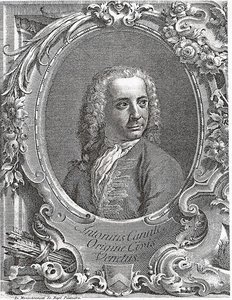
カナルエット
1697 - 1768 , イタリア
基本情報
- Artistic Movement Or Style: ヴェネツィア派の風景画
- Artists Or Movements Influenced By This Artist: ['ティンコレット']
- Artists Who Influenced This Artist: ['ジョヴァンニ・パオロ・パンニーニ']
- Date Of Birth: 1697年10月18日
- Date Of Death: 1768年4月19日
- Full Name: ジョヴァンニ・アントニオ・カナル
- Nationality: イタリア人
- Notable Artworks:
- 石工場の風景
- 大運河のレガッタ
- イートン・カレッジ
- Place Of Birth (City And Country): イタリア、ヴェネツィア
関連記事

Baroque Classicism: Reconciling Drama & Order in 17th-Century Art
Explore the captivating world of Baroque Classicism! Discover its history, key artists like Caravaggio & Rubens, and defining characteristics. Expert insights & high-quality reproductions at ArtsDot.

Simon Vouet: A Baroque Master's Journey from Italian Influence to French Classicism
Explore the life & art of Simon Vouet, a pivotal French Baroque painter who introduced Italian styles to France. Discover his masterpieces and lasting influence on 17th-century art.

バロックのドラマ:現代のインテリアに壮麗さと情感を取り込む
バロック様式の歴史、絵画、家具の魅力をご紹介。ArtsDotでは、高品質な油絵複製やカスタムポートレートをご提供し、現代のインテリアに壮麗さと情感を取り入れます。アートコンサルテーションも承ります。
Giovanni Antonio Canal (Canaletto): A Venetian Master of Light, Space & Societal Observation
Explore the life & art of Giovanni Antonio Canal (Canaletto), a Venetian master renowned for his breathtaking cityscapes. Discover his techniques, legacy, and captivating depictions of 18th-century Venice & London.

バロック美術を極めた至宝:時代を彩る10大名作の世界
バロック美術の華!カラヴァッジョ、ベルニーニら巨匠が創り上げた10大名作を徹底解剖。ドラマチックな色彩と豪華絢爛の世界観に触れ、至宝のアートプリントで空間を彩ろう。ArtsDot.comで美術館品質の複製と洗練されたインテリアを見つけましょう!