 プレビュー
プレビュー
 プリントを購入
 シェアする
シェアする シェアする
シェアする
 詳細を見る
詳細を見る

 ダウンロード
 似ている作品
 X線調査
X線調査 スライドショー
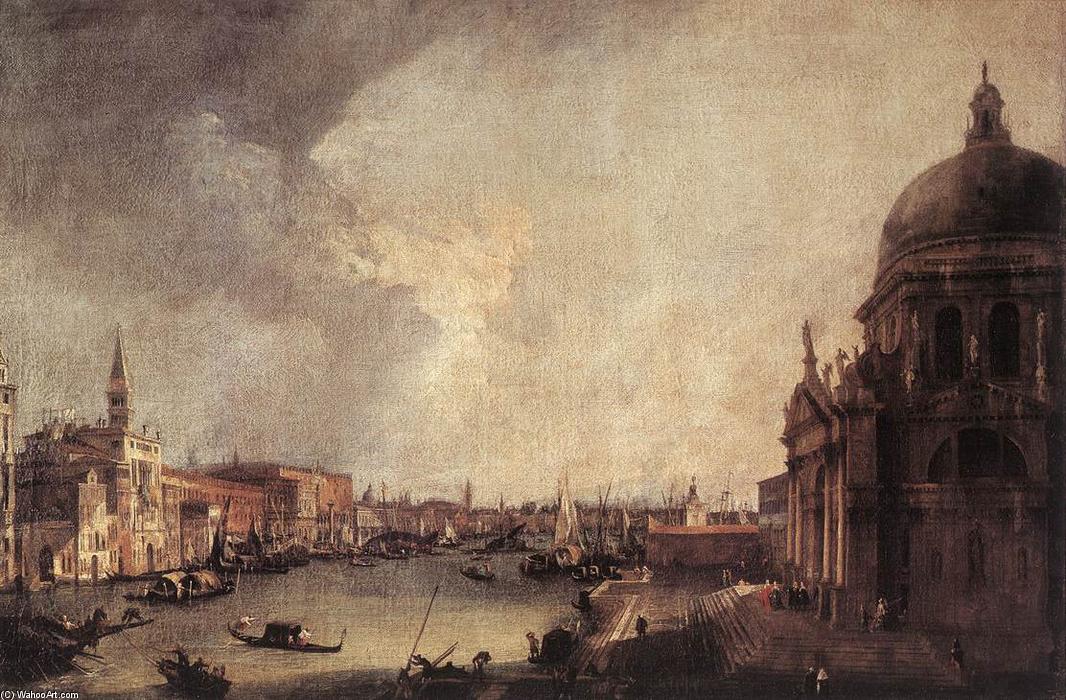
Entrance to the Grand Canal: Looking East
 Oil On Canvas
- WallArt
- Baroque topographical
 1725
1725 65.0 x 98.0 cm
 Gemäldegalerie Alte Meister
 詳細を見る
詳細を見る




P118B $10

P118H $10

P118W $10

P438Z $10

P508JH $12

P508YH $12

P805H $10

P805Z $10

P919BZ $10

P919G $10

P919XJ $10

P959ZH $10

P968JZ $12

W106C $8

W218G $10

W218JH $8

W218Y $10

W307PJ $10

W316G $10

W316PJ $8

W316Y $10

W398PJ $8

W4111J $10

W500HY $15

W500JH $15

W692G $12

W849H $8

W940BG $15

W953PJ $8




作品のオリジナル比率に合わせた、当店の規定サイズからお選びください。

特定のフレームやスペースに合わせて、ご希望のサイズをご入力いただけます。選択されたサイズが元の画像の比率と異なる場合、アートワークをトリミングするか、手描きで要素を追加して絵画を拡張いたします。デジタルモックアップ を制作し、制作開始前にご確認(承認)をいただきます。
画面上のプレビューは、実際のトリミングや拡張を正確に反映しているものではありません。最終的な構図は、モックアップによってのみ正確にご確認いただけます。
カスタムサイズもご利用いただけますが、元の比率を維持するためには、あらかじめ用意されたリストからサイズを選択することをお勧めいたします。
ご注文後、ArtsDot.com チームより詳細な指示をお送りするとともに、仕上がりイメージ(モックアップ)をご提供いたします。


 ガラスオプションは、110cm未満のサイズでのみご利用いただけます。

Entrance to the Grand Canal: Looking East
複製技法
複製画のサイズ
-


合計金額
$ 263
A Window Into Venetian Splendor: Canaletto’s Entrance to the Grand Canal
Giovanni Antonio Canaletto, known universally as Canaletto, stands as one of Venice's most celebrated landscape painters, capturing the essence of his beloved city with unparalleled precision and luminous color. Born in 1697 in Venice itself – son of Bernardo Canal, a painter specializing in theatrical scenery – Canaletto’s artistic journey began under the tutelage of his father, establishing him firmly within the Venetian tradition of topographical painting. This style, characterized by meticulous observation and faithful representation of urban spaces, cemented his reputation as an artist who didn't merely depict what he saw but imbued it with a palpable sense of atmosphere.The Technique of Illusionistic Detail
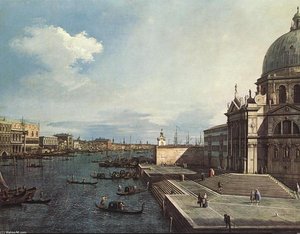
Canaletto’s mastery lay not just in accurate depiction but also in the masterful application of illusionistic technique. Employing layering and glazing—a process where thin washes of color are applied over subsequent layers—he achieved remarkable depth and luminosity, creating an effect that convincingly mimicked reality. The “Grand Canal & Salute” (circa 1730), housed in the National Gallery London, exemplifies this approach brilliantly. Notice how the artist skillfully renders reflections on the water’s surface, subtly shifting hues to convey movement and capturing the interplay of light and shadow with astonishing subtlety. This technique wasn't merely decorative; it was fundamental to conveying the grandeur and vibrancy of Venice at a pivotal moment in its history – the Enlightenment era.A Snapshot of Venetian Life
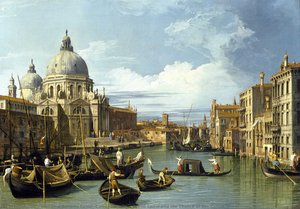
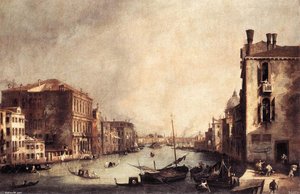
The painting depicts precisely what its title suggests: the entrance to the Grand Canal, bustling with activity. Thirteen boats navigate the waterway, each laden with passengers and merchandise, reflecting the economic importance of Venice during Canaletto’s time. The inclusion of figures—men in elegant attire, women carrying baskets—adds a human element to the scene, illustrating daily life within the city's opulent framework. Beyond mere visual representation, Canaletto’s work speaks volumes about Venetian society and culture. The Salute, a monumental basilica dominating the canal’s skyline, serves as a focal point, symbolizing Venice’s religious heritage and civic pride.Symbolism of Light and Perspective
The artist’s deliberate use of perspective—a cornerstone of Renaissance art revived during Canaletto's era—further enhances the painting’s impact. Lines converge towards vanishing points, creating an illusion of depth that draws the viewer into the scene. Crucially, Canaletto utilizes light to sculpt the forms within the composition. Warm sunlight illuminates the buildings and boats, casting long shadows and highlighting textures – a technique consciously employed to evoke feelings of warmth and beauty. This masterful manipulation of light contributes significantly to the painting’s emotional resonance, transporting us back to 18th-century Venice and capturing its timeless allure.Legacy and Enduring Appeal
Canaletto's influence extended far beyond his own lifetime. His paintings were immensely popular in England during the Georgian period, where they served as inspiration for interior decorators and landscape gardeners alike. Today, Canaletto’s “Grand Canal & Salute” continues to captivate audiences worldwide, demonstrating the enduring power of observation and artistic skill. Its meticulous detail, luminous color palette, and evocative portrayal of Venetian life solidify its place among the greatest achievements of topographical painting—a testament to Canaletto's genius and a window into a bygone era of splendor.関連作品
アーティストの略歴
ヴェネツィアの光を捉えた画家、ジョヴァンニ・アントニオ・カナルート
1697年10月18日、イタリアのヴェネツィアに生まれたジョヴァンニ・アントニオ・カナルートは、一般的に「カナルート」として知られる、18世紀を代表する風景画家の一人です。彼の父、ベルナルド・カナルートは舞台装置を描く画家であり、幼い頃から絵画の基礎を学びました。ヴェネツィアという水の都で育ったカナルートは、その独特な景観に魅せられ、生涯を通じてヴェネツィアの風景を描き続けました。
ローマでの修行と独自の様式の確立
1718年、カナルートはローマへと旅立ちます。そこで彼はアレッサンドロ・スカルラッティのオペラの舞台装置制作に携わりました。この経験は彼の芸術的才能を大きく開花させ、ヴェネツィアに戻った後、独自の様式である「ヴェドゥータ」と呼ばれる風景画を描き始めました。ヴェドゥータとは、イタリア語で「眺め」を意味し、都市の風景や建物を正確かつ詳細に描写した絵画です。カナルートは、単なる記録ではなく、光と影の効果を巧みに利用し、ヴェネツィアの美しさを鮮やかに表現しました。
代表作とその魅力
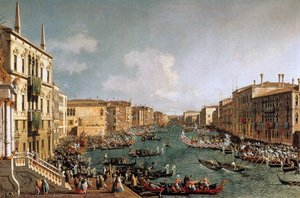
カナルートの作品の中でも特に有名なものに、「石工場の風景」(c. 1725)があります。この絵画は、彼の初期の才能を示す傑作であり、ヴェネツィアの日常生活を生き生きと描き出しています。また、「大運河のレガッタ」は、ヴェネツィアの公的な祭りを鮮やかに描写しており、その色彩と構図は見る者を魅了します。「ETON COLLEGE」(1746-1756)は、イギリスに滞在した際に描かれた作品であり、彼の国際的な名声が高まるきっかけとなりました。これらの作品を通してカナルートは、ヴェネツィアの風景を単なる絵画としてではなく、生きている都市の息吹として捉えようとしました。
技法と影響
カナルートの精密な遠近法と細部にわたる描写は、一部の専門家によってカメラ・オブスクラが使用された可能性も指摘されています。しかし、彼の最も重要な点は、構図のデザインに注力し、作品を単なる正確な記録ではなく、視覚的に美しいものにしたことです。彼は、ジョヴァンニ・パオロ・パンニーニのような画家から影響を受けましたが、独自のスタイルを確立し、18世紀のヨーロッパ美術界に大きな影響を与えました。特にイギリスでは、彼の風景画は非常に人気があり、多くの貴族やコレクターが彼の作品を購入しました。
後世への遺産
カナルートの作品は、ロンドンのナショナル・ギャラリーをはじめとする世界中の美術館に所蔵されており、18世紀美術における彼の重要性を示しています。彼の遺産は、彼からインスピレーションを受けた多くの画家たちへと受け継がれました。ヴェネツィアの風景画の巨匠として、カナルートは今日もなお、多くの人々に愛され続けています。
- 作品を鑑賞できる場所: https://ArtsDot.com/@/giovanni-antonio-canal
- カナルートについて詳しく知る: Wikipedia
- ヴェネツィアの美術を体験する: パルンボ=フォッサティ・コレクション(イタリア、ヴェネツィア)
世界のアートを探求するには、https://ArtsDot.comをご覧ください。
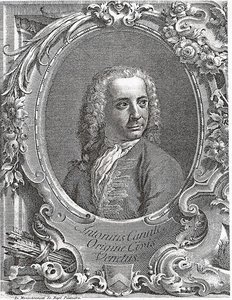
カナルエット
1697 - 1768 , イタリア
基本情報
- Artistic Movement Or Style: ヴェネツィア派の風景画
- Artists Or Movements Influenced By This Artist: ['ティンコレット']
- Artists Who Influenced This Artist: ['ジョヴァンニ・パオロ・パンニーニ']
- Date Of Birth: 1697年10月18日
- Date Of Death: 1768年4月19日
- Full Name: ジョヴァンニ・アントニオ・カナル
- Nationality: イタリア人
- Notable Artworks:
- 石工場の風景
- 大運河のレガッタ
- イートン・カレッジ
- Place Of Birth (City And Country): イタリア、ヴェネツィア
関連記事
Giovanni Antonio Canal (Canaletto): A Venetian Master of Light, Space & Societal Observation
Explore the life & art of Giovanni Antonio Canal (Canaletto), a Venetian master renowned for his breathtaking cityscapes. Discover his techniques, legacy, and captivating depictions of 18th-century Venice & London.

ロマン派ランドスケープ:時代を彩る巨匠の10選|アートとインテリアの世界
ロマン派絵画の時代を彩る10選。巨匠たちの風景が織りなす感動の世界へ。ターナー、ルーベンスなど、名作の裏話と高精細複製でアートをお部屋に。ArtsDot.comで至福のアート体験を。
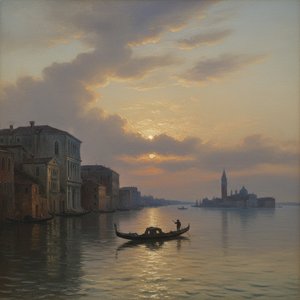
Michelangelo Morlaiter: Venetian Landscapes & the Pursuit of Atmospheric Realism
Explore the captivating landscapes of Michelangelo Morlaiter, a key figure in 18th-century Venetian painting. Discover his mastery of atmospheric perspective and lasting influence on Italian art history. Learn more at ArtsDot.
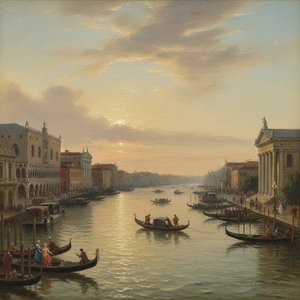
Francesco Guardi: Venetian Light, Atmospheric Perspective & the Rococo to Neoclassical Transition
Explore the captivating world of Francesco Guardi, master of Venetian light and atmosphere. Discover his transition from Rococo to Neoclassicism, influence on Impressionism & investment potential with ArtsDot.

ジョン・コンスタブルの傑作25選:英国風景画の巨匠が描く自然と光の詩 | ArtsDot
ジョン・コンスタブルの傑作25選。英国風景画の巨匠が描く自然と光の詩の世界へ。ロマン主義を代表する絵画、デダム・ヴェールやヘイ・ウェインなど、ArtsDotで高品質なアートプリントをお楽しみください。インテリアに深みと感動を。コレクションはこちら。