 プレビュー
プレビュー
 シェアする
シェアする シェアする
シェアする
 詳細を見る
詳細を見る

 ダウンロード
 似ている作品
 X線調査
X線調査 スライドショー
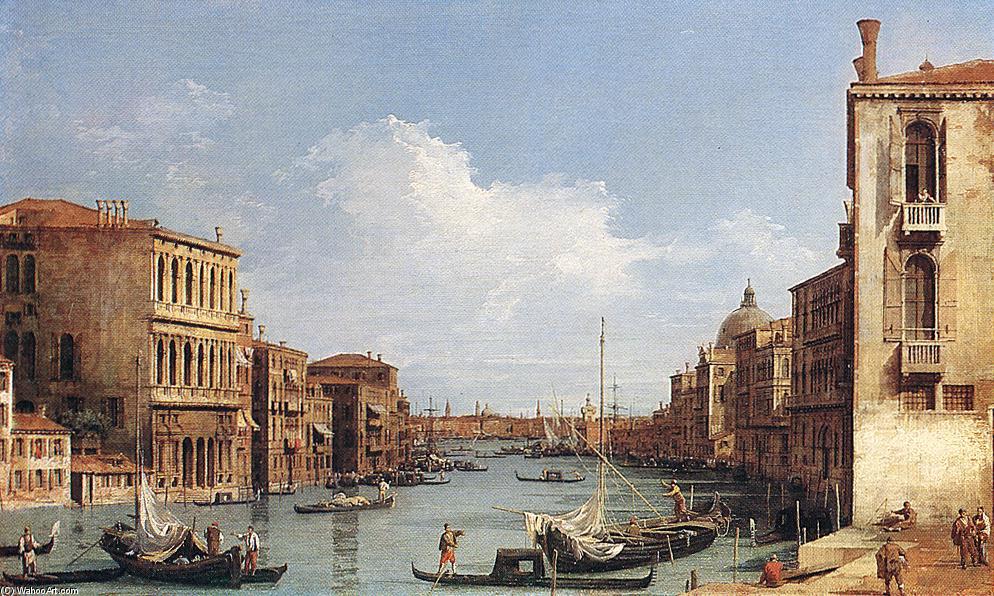
The Grand Canal from Campo San Vio towards the Bacino
 Oil On Canvas
- WallArt
- Baroque Landscape
 1729
1729 46.0 x 77.0 cm
 ロイヤル・コレクション
 詳細を見る
詳細を見る
ジークレー/アートプリント
迅速な制作と多彩な仕上げオプションを備えた、ミュージアムクオリティのジークレーまたはキャンバスプリント。 ( 手描きの絵画を購入 画像を購入)




P118B $10

P118H $10

P118W $10

P438Z $10

P508JH $12

P508YH $12

P805H $10

P805Z $10

P919BZ $10

P919G $10

P919XJ $10

P959ZH $10

P968JZ $12

W106C $8

W218G $10

W218JH $8

W218Y $10

W307PJ $10

W316G $10

W316PJ $8

W316Y $10

W398PJ $8

W4111J $10

W500HY $15

W500JH $15

W692G $12

W849H $8

W940BG $15

W953PJ $8




作品のオリジナル比率に合わせた、当店の規定サイズからお選びください。

特定のフレームやスペースに合わせて、ご自身でサイズを指定することも可能です。選択されたサイズが元の画像の比率と一致しない場合、作品をトリミングするか、鏡面反射または単色での塗りつぶしによって画像を拡張いたします。制作を開始する前に、ご確認用のデジタルモックアップをお送りいたします。
画面上のプレビューには、実際のトリミングや拡張は反映されませんのでご注意ください。最終的な構図を正確に確認できるのは、モックアップのみとなります。
カスタムサイズも承っておりますが、元の比率を維持するためには、あらかじめ用意されたリストからサイズを選択することをお勧めいたします。


 ガラスオプションは、110cm未満のサイズでのみご利用いただけます。

The Grand Canal from Campo San Vio towards the Bacino
ジークレー/アートプリント
複製画のサイズ
-


合計金額
$ 62
A Venetian Reverie: Canaletto’s Grand Canal from Campo San Vio
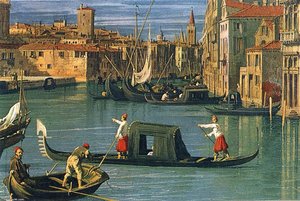
The Grand Canal from Campo San Vio towards the Bacino, painted by Giovanni Antonio Canaletto in 1729, isn't merely a depiction of Venice; it’s an embodiment of its spirit—a serene tableau capturing the pulse of daily life amidst opulent grandeur. Canaletto, born in Venice in 1697, established himself as one of the foremost topographical painters of his era, meticulously documenting the city’s architectural splendor and vibrant social customs with unparalleled precision. His canvases offer a glimpse into a bygone Venetian society, reflecting the tastes and aspirations of its elite patrons.The Painter's Technique: A Masterful Illusion
Canaletto’s distinctive style hinged on a deceptively simple technique—atmospheric perspective. He achieved this remarkable illusion by layering thin washes of color to simulate the hazy air characteristic of Venice, creating depth and luminosity that transcends mere representation. This masterful manipulation of light and shadow wasn't simply aesthetic; it served to convey an emotional resonance – a feeling of tranquility and timeless beauty. The artist employed glazing—applying translucent layers of pigment over previous coats—to build up color gradually, resulting in surfaces that shimmer with subtle hues and textures. Careful observation and meticulous brushwork were paramount, reflecting Canaletto’s dedication to capturing the essence of his subject matter.Historical Context: Venice at Its Zenith
The painting emerged during a period of Venetian dominance – the Baroque era – when the Republic held sway over maritime trade and exerted considerable influence throughout Europe. Campo San Vio, situated in the heart of Venice, was a bustling commercial district frequented by merchants and travelers alike. Canaletto’s depiction captures this dynamic environment, showcasing gondolas gliding along the canal alongside elegantly dressed figures engaged in conversation and commerce. The Bacino, or basin, served as a focal point for ceremonial processions and celebrations, highlighting the importance of public life within Venetian society. Understanding these historical circumstances illuminates the painting's significance beyond its visual appeal.Symbolism Within the Scene: Reflections of Wealth and Tradition
Beyond its factual representation, the Grand Canal holds symbolic weight. The gondolas themselves represent Venice’s maritime heritage—a legacy of seafaring prowess that secured its economic prosperity. The figures lining the canal embody Venetian social hierarchy, reflecting the values and customs of the time. Furthermore, the reflections shimmering on the water's surface symbolize not only visual beauty but also the enduring spirit of Venice – a city steeped in tradition and committed to preserving its cultural identity. Canaletto’s careful composition reinforces these themes, inviting contemplation on the passage of time and the preservation of artistic legacy.Emotional Impact: A Window into Venetian Soul
Looking at Canaletto's Grand Canal is akin to stepping back into Venice itself. The painting evokes a profound sense of calm and nostalgia—a yearning for a world where beauty reigned supreme and social rituals held sway. It’s more than just a beautiful image; it’s an invitation to experience the atmosphere of a city that captivated artists, writers, and travelers alike centuries ago. Canaletto succeeded in capturing not only what Venice looked like but also how it felt—a testament to his artistic genius and enduring influence on art history.関連作品
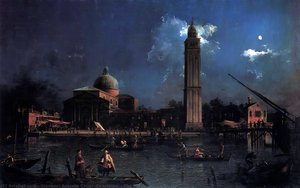
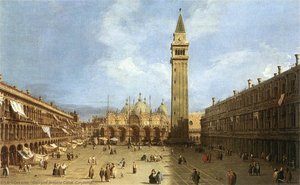
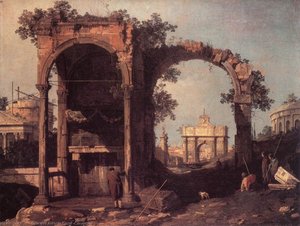

アーティストの略歴
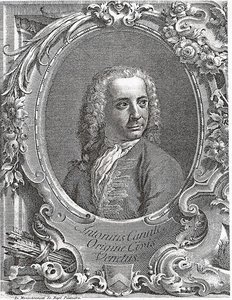
ヴェネツィアの光を捉えた画家、ジョヴァンニ・アントニオ・カナルート
1697年10月18日、イタリアのヴェネツィアに生まれたジョヴァンニ・アントニオ・カナルートは、一般的に「カナルート」として知られる、18世紀を代表する風景画家の一人です。彼の父、ベルナルド・カナルートは舞台装置を描く画家であり、幼い頃から絵画の基礎を学びました。ヴェネツィアという水の都で育ったカナルートは、その独特な景観に魅せられ、生涯を通じてヴェネツィアの風景を描き続けました。
ローマでの修行と独自の様式の確立
1718年、カナルートはローマへと旅立ちます。そこで彼はアレッサンドロ・スカルラッティのオペラの舞台装置制作に携わりました。この経験は彼の芸術的才能を大きく開花させ、ヴェネツィアに戻った後、独自の様式である「ヴェドゥータ」と呼ばれる風景画を描き始めました。ヴェドゥータとは、イタリア語で「眺め」を意味し、都市の風景や建物を正確かつ詳細に描写した絵画です。カナルートは、単なる記録ではなく、光と影の効果を巧みに利用し、ヴェネツィアの美しさを鮮やかに表現しました。
代表作とその魅力
カナルートの作品の中でも特に有名なものに、「石工場の風景」(c. 1725)があります。この絵画は、彼の初期の才能を示す傑作であり、ヴェネツィアの日常生活を生き生きと描き出しています。また、「大運河のレガッタ」は、ヴェネツィアの公的な祭りを鮮やかに描写しており、その色彩と構図は見る者を魅了します。「ETON COLLEGE」(1746-1756)は、イギリスに滞在した際に描かれた作品であり、彼の国際的な名声が高まるきっかけとなりました。これらの作品を通してカナルートは、ヴェネツィアの風景を単なる絵画としてではなく、生きている都市の息吹として捉えようとしました。
技法と影響
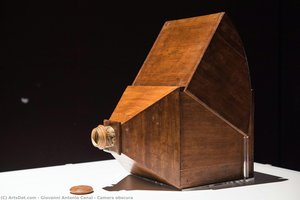
カナルートの精密な遠近法と細部にわたる描写は、一部の専門家によってカメラ・オブスクラが使用された可能性も指摘されています。しかし、彼の最も重要な点は、構図のデザインに注力し、作品を単なる正確な記録ではなく、視覚的に美しいものにしたことです。彼は、ジョヴァンニ・パオロ・パンニーニのような画家から影響を受けましたが、独自のスタイルを確立し、18世紀のヨーロッパ美術界に大きな影響を与えました。特にイギリスでは、彼の風景画は非常に人気があり、多くの貴族やコレクターが彼の作品を購入しました。
後世への遺産
カナルートの作品は、ロンドンのナショナル・ギャラリーをはじめとする世界中の美術館に所蔵されており、18世紀美術における彼の重要性を示しています。彼の遺産は、彼からインスピレーションを受けた多くの画家たちへと受け継がれました。ヴェネツィアの風景画の巨匠として、カナルートは今日もなお、多くの人々に愛され続けています。
- 作品を鑑賞できる場所: https://ArtsDot.com/@/giovanni-antonio-canal
- カナルートについて詳しく知る: Wikipedia
- ヴェネツィアの美術を体験する: パルンボ=フォッサティ・コレクション(イタリア、ヴェネツィア)
世界のアートを探求するには、https://ArtsDot.comをご覧ください。
カナルエット
1697 - 1768 , イタリア
基本情報
- Artistic Movement Or Style: ヴェネツィア派の風景画
- Artists Or Movements Influenced By This Artist: ['ティンコレット']
- Artists Who Influenced This Artist: ['ジョヴァンニ・パオロ・パンニーニ']
- Date Of Birth: 1697年10月18日
- Date Of Death: 1768年4月19日
- Full Name: ジョヴァンニ・アントニオ・カナル
- Nationality: イタリア人
- Notable Artworks:
- 石工場の風景
- 大運河のレガッタ
- イートン・カレッジ
- Place Of Birth (City And Country): イタリア、ヴェネツィア
関連記事
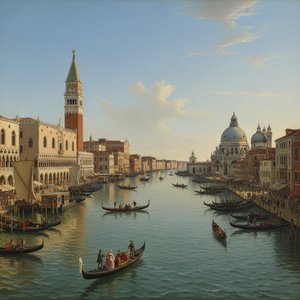
Giovanni Antonio Canal (Canaletto): A Venetian Master of Light, Space & Societal Observation
Explore the life & art of Giovanni Antonio Canal (Canaletto), a Venetian master renowned for his breathtaking cityscapes. Discover his techniques, legacy, and captivating depictions of 18th-century Venice & London.

ジャコポ・ティンコレット:至高の25選 – ヴェネツィア巨匠のドラマと光の世界 | ArtsDot
ジャコポ・ティンコレットの至高の25選。ドラマと光の世界を彩るヴェネツィア派巨匠の名画を紐解きます。ルネサンス絵画からバロック絵画まで、ArtsDotで高品質な複製画やインテリアアートを見つけましょう。傑作コレクションをオンラインで探求してください。

Giclée Prints: Archival Quality & Aesthetic Nuances for the Discerning Collector
Explore the world of giclée prints with ArtsDot. Learn about archival quality, aesthetic nuances & investment potential. Expert guidance for discerning art collectors seeking museum-quality reproductions and lasting value.

Echoes of Time: Exploring the Enduring Appeal & Historical Context of Vintage Art Prints
Explore the captivating world of vintage art prints! Discover their history, collecting tips & enduring appeal. Expert insights on chromolithography and building a legacy collection with ArtsDot.

バロックのドラマ:現代のインテリアに壮麗さと情感を取り込む
バロック様式の歴史、絵画、家具の魅力をご紹介。ArtsDotでは、高品質な油絵複製やカスタムポートレートをご提供し、現代のインテリアに壮麗さと情感を取り入れます。アートコンサルテーションも承ります。