

 プレビュー
プレビュー
 プリントを購入
 シェアする
シェアする シェアする
シェアする
 詳細を見る
詳細を見る

 ダウンロード
 似ている作品
 X線調査
X線調査 スライドショー
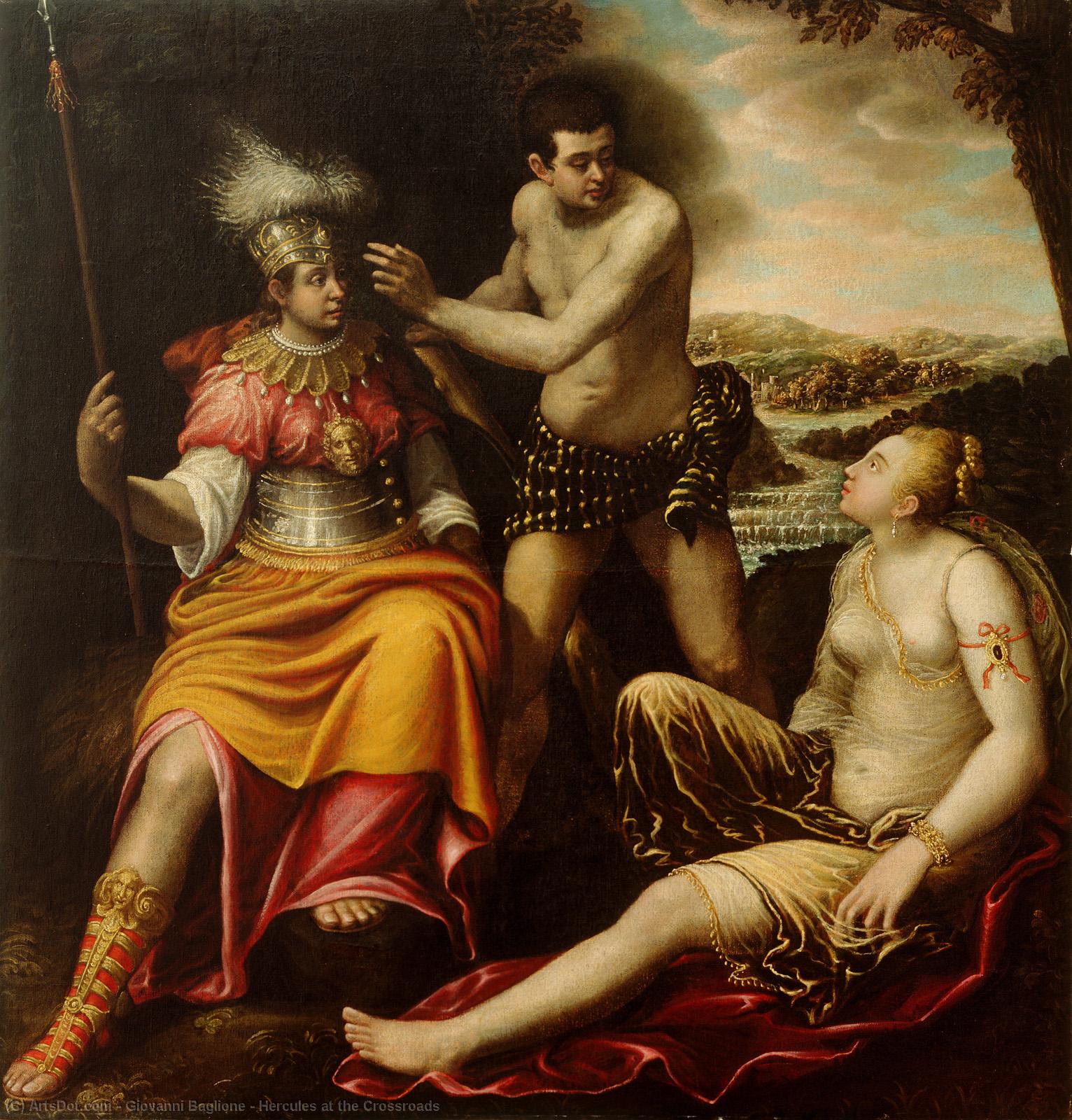
Hercules at the Crossroads
 Oil On Canvas
- WallArt
- Baroque
 1640
1640 132.0 x 137.0 cm
 Galerie Nationale de Slovénie
 詳細を見る
詳細を見る




P118B $10

P118H $10

P118W $10

P438Z $10

P508JH $12

P508YH $12

P805H $10

P805Z $10

P919BZ $10

P919G $10

P919XJ $10

P959ZH $10

P968JZ $12

W106C $8

W218G $10

W218JH $8

W218Y $10

W307PJ $10

W316G $10

W316PJ $8

W316Y $10

W398PJ $8

W4111J $10

W500HY $15

W500JH $15

W692G $12

W849H $8

W940BG $15

W953PJ $8




作品のオリジナル比率に合わせた、当店の規定サイズからお選びください。

特定のフレームやスペースに合わせて、ご希望のサイズをご入力いただけます。選択されたサイズが元の画像の比率と異なる場合、アートワークをトリミングするか、手描きで要素を追加して絵画を拡張いたします。デジタルモックアップ を制作し、制作開始前にご確認(承認)をいただきます。
画面上のプレビューは、実際のトリミングや拡張を正確に反映しているものではありません。最終的な構図は、モックアップによってのみ正確にご確認いただけます。
カスタムサイズもご利用いただけますが、元の比率を維持するためには、あらかじめ用意されたリストからサイズを選択することをお勧めいたします。
ご注文後、ArtsDot.com チームより詳細な指示をお送りするとともに、仕上がりイメージ(モックアップ)をご提供いたします。


 ガラスオプションは、110cm未満のサイズでのみご利用いただけます。

Hercules at the Crossroads
複製技法
複製画のサイズ
-


合計金額
$ 263
作品解説
A Dramatic Tableau of Power and Doubt: Giovanni Baglione’s *Hercules at the Crossroads*
Giovanni Baglione's 1640 painting, *Hercules at the Crossroads*, is a compelling meditation on power, decision-making, and the inherent ambiguity of human experience. Executed during a pivotal moment in the transition from Mannerism to Baroque style within Rome’s artistic scene, this work offers a rare glimpse into the mind of an artist deeply engaged not only with visual representation but also with the historical context surrounding it – a role he would later solidify as one of Rome's earliest art historians. The painting depicts three figures arranged in a dramatic tableau that immediately draws the viewer into a scene brimming with unspoken tension and weighty consequence.
- Subject Matter: The central figure, crowned and dominating the composition, embodies authority – likely Hercules, referencing the mythological hero’s struggles with choice and destiny.
- Composition: Baglione masterfully employs a pyramidal structure, drawing the eye upwards to the crowned figure while grounding it with the seated individual and the watchful presence behind.
- Details: The inclusion of a sword suggests conflict or judgment, while the bowl hints at offering, sustenance, or perhaps even a poisoned draught – elements that contribute to the painting’s unsettling atmosphere.
Technique and Style: Bridging Mannerism and Baroque
Baglione's technique reveals a fascinating blend of influences. While rooted in the stylized forms and dramatic lighting characteristic of late Mannerism, particularly evident in his early works, *Hercules at the Crossroads* anticipates the dynamism and emotional intensity that would define the burgeoning Baroque style. The figures are rendered with a meticulous attention to detail – the folds of clothing, the texture of skin – yet they possess an almost unsettling realism, conveying not just physical appearance but also psychological depth. Baglione’s use of chiaroscuro, though not as radical as Caravaggio's, creates strong contrasts of light and shadow, intensifying the drama and focusing attention on key elements within the scene.
Historical Context: A Roman Eye
Painted in 1640, just a few years before Baglione’s death, *Hercules at the Crossroads* reflects the turbulent artistic climate of Rome. The Counter-Reformation had profoundly impacted art patronage, with the Catholic Church seeking to utilize religious imagery to inspire faith and reaffirm its authority. However, artists like Baglione navigated this environment by producing works that explored complex moral dilemmas – exemplified here by Hercules’s apparent struggle – rather than simply offering straightforward devotional narratives. His personal observations as an art historian, documented in his writings, provide invaluable insight into the artistic practices and intellectual debates of the time, making this painting a significant primary source.
Symbolism and Emotional Impact
*Hercules at the Crossroads* is more than just a portrait; it’s a powerful allegory. The central figure's gesture – placing his hand on another’s head – suggests control, judgment, or perhaps even manipulation. The seated individual represents vulnerability and submission, while the observer embodies vigilance and potential consequence. The overall effect is one of profound unease and contemplation, inviting viewers to question authority, examine their own choices, and confront the inherent uncertainties of life. This reproduction captures not only the visual beauty of Baglione’s masterpiece but also its enduring emotional resonance.
関連作品

関連記事
Simon Vouet: A Baroque Master's Journey from Italian Influence to French Classicism
Explore the life & art of Simon Vouet, a pivotal French Baroque painter who introduced Italian styles to France. Discover his masterpieces and lasting influence on 17th-century art.
Baroque Classicism: Reconciling Drama & Order in 17th-Century Art
Explore the captivating world of Baroque Classicism! Discover its history, key artists like Caravaggio & Rubens, and defining characteristics. Expert insights & high-quality reproductions at ArtsDot.

バロック美術を極めた至宝:時代を彩る10大名作の世界
バロック美術の華!カラヴァッジョ、ベルニーニら巨匠が創り上げた10大名作を徹底解剖。ドラマチックな色彩と豪華絢爛の世界観に触れ、至宝のアートプリントで空間を彩ろう。ArtsDot.comで美術館品質の複製と洗練されたインテリアを見つけましょう!

The Visceral Stage: Exploring Dramatic Narratives & Emotional Intensity in Baroque Art
Explore the dramatic world of Baroque art! Discover iconic masters like Caravaggio & Rembrandt, their techniques, and the movement's lasting impact. Expert insights for collectors & enthusiasts at ArtsDot.

The Dramatic Flourish: Exploring the Baroque Movement's Enduring Legacy in Art History
Explore the dramatic world of Baroque art! Discover iconic artists like Caravaggio & Rubens, defining techniques, and its lasting impact on art history. Expert insights for collectors & enthusiasts at ArtsDot.

