

 プレビュー
プレビュー
 プリントを購入
 シェアする
シェアする シェアする
シェアする
 詳細を見る
詳細を見る

 ダウンロード
 似ている作品
 X線調査
X線調査 スライドショー
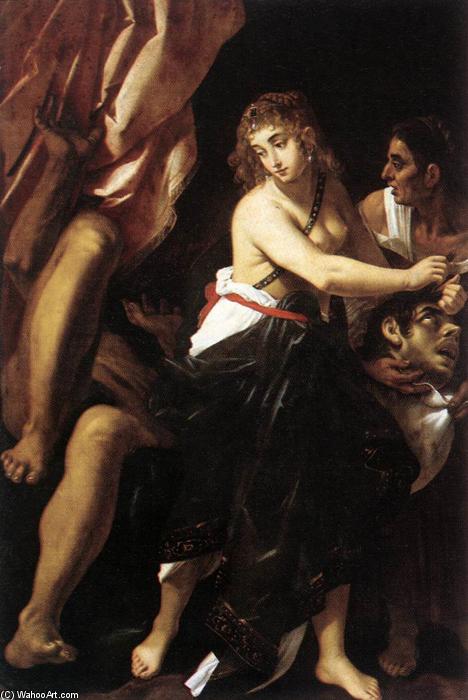
Judith and the Head of Holofernes


 詳細を見る
詳細を見る
オンラインプレビューをはるかに凌ぐ、高解像度で鮮明なデジタル画像をご購入いただけます。
各ファイルは、社内の専門家が高度なツールと熟練した手作業によるレタッチを用いて、細心の注意を払って準備されています。すべての画像において、卓越した鮮明度、正確な色彩再現性、そして繊細なディテールを保証いたします。
最終ファイルは、プロフェッショナルな編集・印刷環境ですぐにご利用いただけるよう最適化された状態で、72時間以内にメールにてお届けいたします。これは、一流のデザインスタジオ、出版社、ギャラリーから信頼されているものと同等の品質です。
デジタル画像のご注文に付随する特典
高品質なデジタル画像配信を、確かな品質で。
ArtsDot.com を選ぶことは、単に画像を手に入れることではありません。それは、プロの手によって精密に仕上げられ、満足保証が付いた高品質なデジタルアートワークを受け取ることを意味します。ご注文いただいた際に自動的に付随する内容は、以下の通りです:

メールですぐにお届け
ご注文から72時間以内に、高解像度のデジタル画像ファイルがメールでお手元に届きます。すぐにそのままご利用いただけます。

AI技術で最適化されたデジタルファイル
お客様の作品は、高度なAIツールと専門家による手作業の編集を組み合わせてプロフェッショナルに最適化されており、細部のディテール、鮮明さ、そして正確な色再現性を最大限に引き出しています。

一生涯無料の再送サービス
ファイルを誤って削除したり、紛失してしまったりしましたか?ご安心ください。いつでも無料で再送いたします。

輸入手数料は一切かかりません
関税や手数料、配送料を気にすることなく、お気に入りのアートワークをすぐにお楽しみいただけます。デジタルダウンロードは常に免税です。

色彩再現の保証
プロ仕様のツールとカラーマネジメント技術を用いることで、デジタル画像が元の色を最大限に忠実に再現することを保証いたします。

60日間満足保証
ご購入いただいたデジタル画像にご満足いただけない場合は、60日以内であれば、修正または100%の返金(理由を問う必要はありません)をさせていただきます。

100% 返金保証
ご満足いただけない場合は、デジタルファイルを受け取ってから60日以内であれば、理由を問わず全額返金いたします。

まとめ買い割引
3枚購入で10%OFF - 5枚購入で15%OFF - 10枚以上購入で20%OFF。クリエイティブなプロジェクト、ギャラリー、エージェンシーに最適です。
A Baroque Triumph of Courage and Virtue
In the heart of the early seventeenth century, Rome was a stage for unparalleled artistic drama, and few works capture this theatrical essence as powerfully as Giovanni Baglione’s “Judith and the Head of Holofernes.” Painted in 1608, this masterpiece serves as a breathtaking distillation of biblical narrative into visual splendor. The painting recounts the legendary tale of Judith, the courageous Jewish widow who, to save her besieged city of Bethulia, entered the camp of the Assyrian general Holofernes. Through a masterful blend of seduction and strategic bravery, she waited for the intoxicated general to succumb to sleep before delivering a decisive, fatal blow. Baglione does not merely depict a historical event; he captures the very moment where heroism meets visceral reality, inviting the viewer into a world of high stakes and profound moral triumph.
The composition is a masterclass in the Baroque aesthetic, a style defined by its rejection of static elegance in favor of movement, grandeur, and intense emotional expression. Baglione moves away from the controlled grace of Mannerism to embrace a more turbulent and palpable energy. This is achieved through his expert use of chiaroscuro—the dramatic interplay between deep, swallowing shadows and piercing highlights. The dark, indistinct background serves a vital purpose: it strips away all worldly distractions, forcing the eye to confront the central figures. In this void, the light seems to sculpt the forms of Judith and her attendant, lending a three-dimensional weight to the scene that makes the violence feel immediate and the characters' resolve feel unshakeable.
The Mastery of Detail and Symbolism
Every brushstroke in Baglione’s work contributes to a larger symbolic dialogue. The meticulous rendering of Holofernes’s severed head is particularly striking; the artist utilizes anatomical precision to convey the shock and suddenness of death, with facial features that still seem to echo the surprise of his final moments. This gruesome detail stands in stark, intentional contrast to Judith’s dignified composure. Dressed in a striking black gown accented with rich reds, her attire reflects both her somber duty and her noble status. Her expression is not one of horror, but of unwavering determination—a deliberate choice by Baglione to elevate her character as an exemplar of piety and strength.
Beside her, the presence of the attendant adds a layer of human connection to the unfolding drama. Clad in lighter garments that catch the light, the assistant’s attentive posture provides a rhythmic balance to Judith's central intensity. For collectors and lovers of fine art, this painting offers more than just a beautiful image; it offers a window into the soul of the Baroque era. It is a piece that commands attention in any setting, providing a sophisticated focal point for those who appreciate art that speaks of the eternal struggle between darkness and light, between tyranny and liberation. Whether viewed as a historical document or a triumph of oil technique, Baglione’s work remains an enduring icon of artistic bravery.
関連作品
作家の略歴
A Roman Life in Art and Letters: Giovanni Baglione
Giovanni Baglione, a name perhaps less immediately recognizable than his contemporaries like Caravaggio or the Carracci brothers, occupies a fascinating and crucial position within the artistic landscape of early 17th-century Rome. Born in 1566 into a noble family originally from Perugia, though firmly rooted in Roman life for generations, Baglione was not merely a painter but also one of the first dedicated art historians, offering an invaluable eyewitness account of a vibrant and often tumultuous era. His story is one of artistic evolution, navigating the shifting currents between late Mannerism and the burgeoning Baroque style, all while maintaining a complex relationship with the leading figures who defined his time. He initially trained under Francesco Morelli, a Florentine artist working in Rome, laying the foundation for a career that would span decades and encompass both significant commissions and scholarly pursuits.From Mannerist Grace to Caravaggesque Drama
Baglione’s artistic journey was marked by a willingness to absorb and adapt to prevailing trends. His early work clearly reflects the influence of Giuseppe Cesari, known as the “Cavaliere d'Arpino,” and the refined elegance of late Mannerism. These initial paintings demonstrate a focus on graceful forms and sophisticated compositions, characteristic of the style favored in Roman aristocratic circles. However, the arrival of Caravaggio irrevocably altered the course of art history, and Baglione was not immune to its impact. A period of intense engagement with Caravaggismo followed, evident in his adoption of dramatic lighting – *tenebrism* – and a newfound commitment to realism. This phase wasn’t simply stylistic imitation; it represented a profound shift towards depicting the world with greater immediacy and emotional intensity. It was also a period fraught with conflict. A bitter dispute arose between Baglione and Caravaggio, stemming from satirical verses that Baglione perceived as defamatory. The ensuing legal battle provides a revealing glimpse into the competitive atmosphere of the Roman art world and the volatile personality of Caravaggio himself.A Synthesis of Styles and Historical Documentation
As the years progressed, Baglione’s style continued to evolve. In the 1610s, he began incorporating elements influenced by Bolognese artists like the Carracci brothers, demonstrating a capacity for stylistic synthesis. This willingness to embrace diverse influences ultimately led him towards a more generalized Early Baroque approach, retaining aspects of his earlier training in *disegno* – drawing – while embracing the dynamism and emotional power of the new style. Throughout his career, Baglione secured prestigious commissions, including frescoes at Santa Maria dell'Orto (1598), San Giovanni in Laterano (circa 1600), and a significant project for Saint Peter’s Basilica (1604). His work on the Cappella Paolina at Santa Maria Maggiore (1610-1612) further solidified his reputation as a skilled and sought-after artist. However, it is perhaps through his writings that Baglione left an enduring legacy. *Le nove chiese di Roma* (1639), an artistic guide to Rome’s nine major pilgrimage churches, offered contemporary insights into the city's art and architecture. But his most significant contribution was undoubtedly *Le vite de’ pittori, scultori ed architetti* (1642).The First Historian of Roman Baroque
Published in 1642, *Le vite* stands as a monumental achievement – the first comprehensive biographical dictionary of artists working in Rome between 1572 and 1642. Covering over two hundred individuals, it provides invaluable information about their lives, artistic styles, and professional practices. Baglione’s work is not merely a collection of anecdotes; it offers critical assessments of each artist's strengths and weaknesses, providing a nuanced understanding of the Roman art scene during this period. His meticulous documentation sheds light on patronage networks, social status, and the challenges faced by artists in securing commissions and establishing their reputations. Le vite became an essential resource for subsequent generations of art historians, influencing figures like Giovanni Pietro Bellori who built upon Baglione’s foundation. Through his writings, Baglione secured his place not only as a painter but also as the first true historian of the Roman Baroque, preserving a vital record of a transformative era in art history. His legacy rests on this dual role – an artist who actively participated in shaping the aesthetic landscape of his time and a scholar who dedicated himself to documenting its evolution for posterity.A Lasting Influence
While Baglione’s paintings may not possess the immediate, overwhelming impact of some of his more celebrated contemporaries, his contribution to art history is undeniable. His detailed observations, critical insights, and comprehensive documentation provide a unique window into the lives and works of countless artists who shaped the Baroque era. The legal disputes with Caravaggio, though contentious, offer a fascinating glimpse into the competitive nature of the Roman art world. His work continues to be studied and appreciated today, offering valuable perspectives on the artistic, social, and cultural context of 17th-century Rome. Baglione’s legacy is one of dedication – a commitment to both creating art and preserving its history for future generations.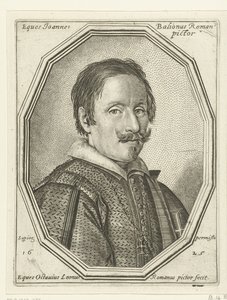
Giovanni Baglione
1566 - 1643

