

 プレビュー
プレビュー
 シェアする
シェアする シェアする
シェアする
 詳細を見る
詳細を見る

 ダウンロード
 似ている作品
 X線調査
X線調査 スライドショー
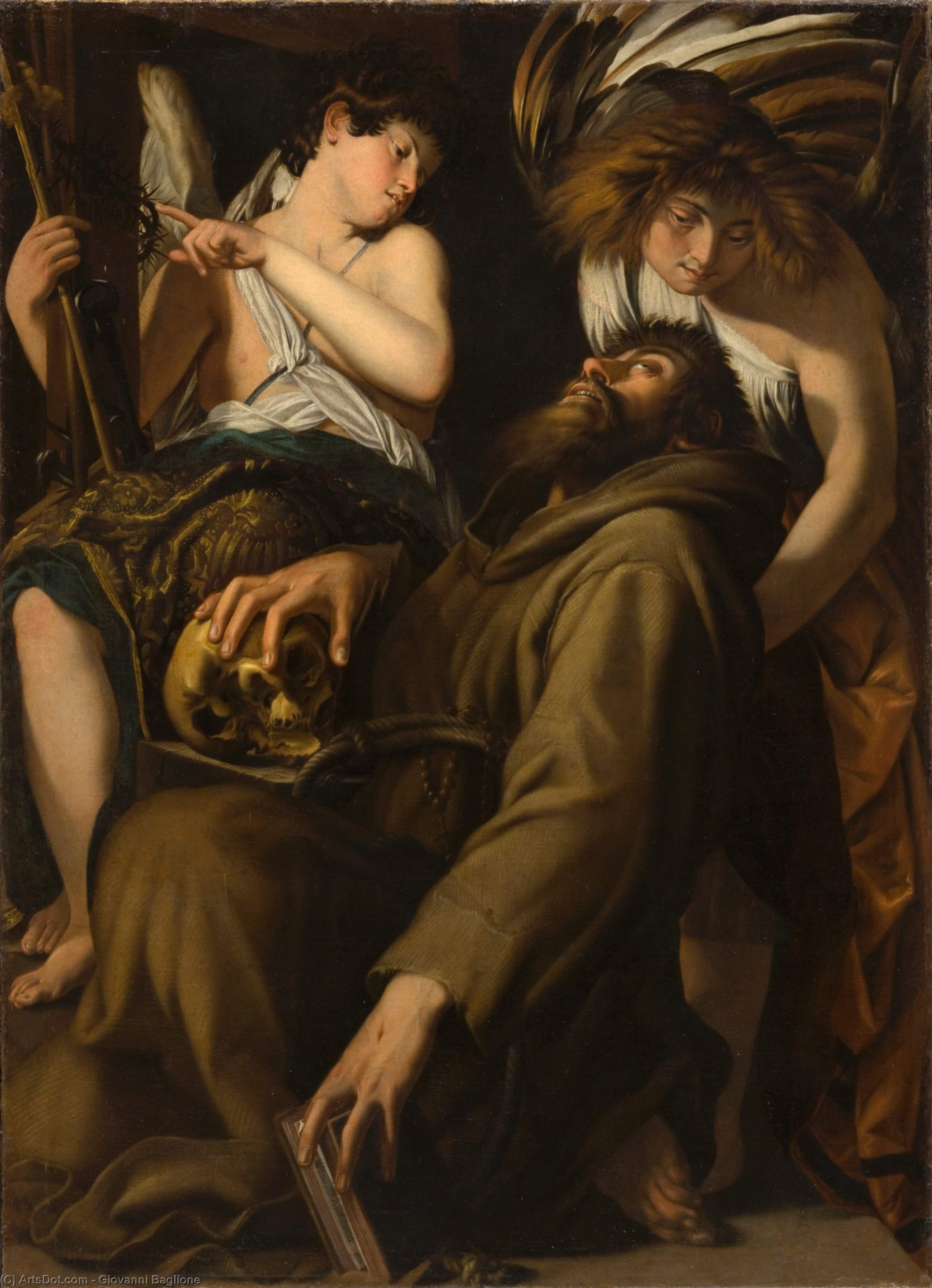
The Ecstasy of St Francis
 Oil On Canvas
- WallArt
- Baroque Style
 1601
1601- Early Modern
 155.0 x 117.0 cm
 Art Institute of Chicago
 詳細を見る
詳細を見る
ジークレー/アートプリント
迅速な制作と多彩な仕上げオプションを備えた、ミュージアムクオリティのジークレーまたはキャンバスプリント。 ( 手描きの絵画を購入 画像を購入)




P118B $10

P118H $10

P118W $10

P438Z $10

P508JH $12

P508YH $12

P805H $10

P805Z $10

P919BZ $10

P919G $10

P919XJ $10

P959ZH $10

P968JZ $12

W106C $8

W218G $10

W218JH $8

W218Y $10

W307PJ $10

W316G $10

W316PJ $8

W316Y $10

W398PJ $8

W4111J $10

W500HY $15

W500JH $15

W692G $12

W849H $8

W940BG $15

W953PJ $8




作品のオリジナル比率に合わせた、当店の規定サイズからお選びください。

特定のフレームやスペースに合わせて、ご自身でサイズを指定することも可能です。選択されたサイズが元の画像の比率と一致しない場合、作品をトリミングするか、鏡面反射または単色での塗りつぶしによって画像を拡張いたします。制作を開始する前に、ご確認用のデジタルモックアップをお送りいたします。
画面上のプレビューには、実際のトリミングや拡張は反映されませんのでご注意ください。最終的な構図を正確に確認できるのは、モックアップのみとなります。
カスタムサイズも承っておりますが、元の比率を維持するためには、あらかじめ用意されたリストからサイズを選択することをお勧めいたします。


 ガラスオプションは、110cm未満のサイズでのみご利用いただけます。

The Ecstasy of St Francis
ジークレー/アートプリント
複製画のサイズ
-


合計金額
$ 62
作品詳細説明
A Divine Encounter in Shadow and Light
In the quiet, profound depths of Giovanni Baglione’s 1601 masterpiece, The Ecstasy of St Francis, viewers are invited into a moment of transcendent spiritual surrender. This monumental canvas serves as a breathtaking bridge between two eras, capturing the precise moment when the structured elegance of Late Mannerism began to dissolve into the raw, visceral emotion of the Baroque. The scene depicts Saint Francis in a state of holy swoon, his earthly form yielding to a celestial visitation. As he lies upon the ground, his gaze and posture suggest a soul caught in the delicate tension between the physical world and the divine realm. This is not merely a depiction of a saint; it is an invitation to witness the profound intimacy of a spiritual revelation.
The composition is masterfully orchestrated to guide the eye through a journey of ascending devotion. Bagliente employs a pyramidal structure, a classic technique that provides stability while simultaneously directing the viewer’s gaze upward toward the heavens. Flanking the saint are ethereal angels, their presence acting as celestial sentinels that reinforce the theme of divine grace. One angel hovers to the left, perhaps presenting the instruments of Christ's passion, while another supports the saint’s spiritual ascent. This careful arrangement creates a sense of movement and rhythm, ensuring that the viewer’s attention remains anchored within the emotional heart of the painting.
The Mastery of Tenebrism and Symbolism
What truly distinguishes this work is Baglione’s sophisticated use of light and shadow. Drawing inspiration from the revolutionary Caravaggio, Baglione utilizes tenebrism—a dramatic style characterized by intense contrasts between deep, enveloping darkness and sudden, brilliant illumination. However, where Caravaggio often employed a harsh, stark chiaroscuro, Baglione introduces a more nuanced, painterly light. This subtle glow sculpts the saint’s figure, pulling him out of the shadows to emphasize his isolation from worldly distractions and his singular focus on the divine. The darkness does not merely represent absence; it becomes a heavy, atmospheric presence that underscores the weight of the saint's contemplative solitude.
Beyond the visual spectacle, the painting is rich with symbolic resonance that speaks to the fleeting nature of existence. Tucked within the composition, the inclusion of a skull serves as a poignant memento mori—a traditional emblem of vanity and mortality. This element provides a necessary counterpoint to the celestial joy of the angels, reminding the observer that true spiritual ecstasy is found only through the detachment from earthly desires and the recognition of life's transience. For the discerning collector or interior designer, this layer of intellectual depth transforms the artwork from a beautiful object into a profound meditation on the human condition.
An Enduring Legacy for the Modern Collector
Historically, The Ecstasy of St Francis represents a significant moment of artistic rivalry and evolution in Rome. Painted for Cardinal Benedetto Giustiniani, the work was a deliberate response to the burgeoning influence of Caravaggio, showcasing Baglione’s ability to absorb contemporary innovations while maintaining his own unique, lyrical voice. This tension between tradition and revolution is what gives the painting its enduring vitality.
For those seeking to infuse a space with character and historical gravity, a high-quality reproduction of this work offers more than just decoration; it provides a focal point of intense drama and spiritual inquiry. Whether placed in a curated gallery setting or as a commanding piece in a sophisticated study, the painting’s interplay of light, shadow, and sacred emotion continues to captivate the modern imagination, making it an incomparable choice for anyone looking to celebrate the transformative power of Baroque art.
関連作品

関連記事
フランシス・ベーコン傑作25選:魂を揺さぶる絵画の世界 | ArtsDot
フランシス・ベーコンの傑作25選。魂を揺さぶる表現主義絵画の世界へ。人物画、三面図、ポープ・インノケンティウス10世など、美術史に残る名作をArtsDotで高精細複製画としてご紹介。インテリアに深みと個性を。今すぐコレクションをご覧ください。

バロック美術を極めた至宝:時代を彩る10大名作の世界
バロック美術の華!カラヴァッジョ、ベルニーニら巨匠が創り上げた10大名作を徹底解剖。ドラマチックな色彩と豪華絢爛の世界観に触れ、至宝のアートプリントで空間を彩ろう。ArtsDot.comで美術館品質の複製と洗練されたインテリアを見つけましょう!
Baroque Painting's Greatest Hits: 10 Masterpieces for Your Home | ArtsDot
Journey through Baroque painting's glory! Explore 10 masterpieces by Caravaggio, Rembrandt & Vermeer. Discover dramatic lighting, rich colors & timeless stories. Find museum-quality art reproductions for your home at ArtsDot.com.

The Dramatic Flourish: Exploring the Baroque Movement's Enduring Legacy in Art History
Explore the dramatic world of Baroque art! Discover iconic artists like Caravaggio & Rubens, defining techniques, and its lasting impact on art history. Expert insights for collectors & enthusiasts at ArtsDot.
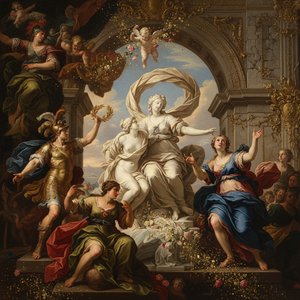
Theatricality & Triumph: Baroque Drama in Painting & Sculpture
Explore the dramatic world of Baroque art! Discover its history, defining characteristics, & lasting influence on painting & sculpture. Expert insights into Caravaggio, Zurbarán, and Bernini – plus high-quality reproductions at ArtsDot.

