

 プレビュー
プレビュー
 シェアする
シェアする シェアする
シェアする
 詳細を見る
詳細を見る

 ダウンロード
 似ている作品
 X線調査
X線調査 スライドショー
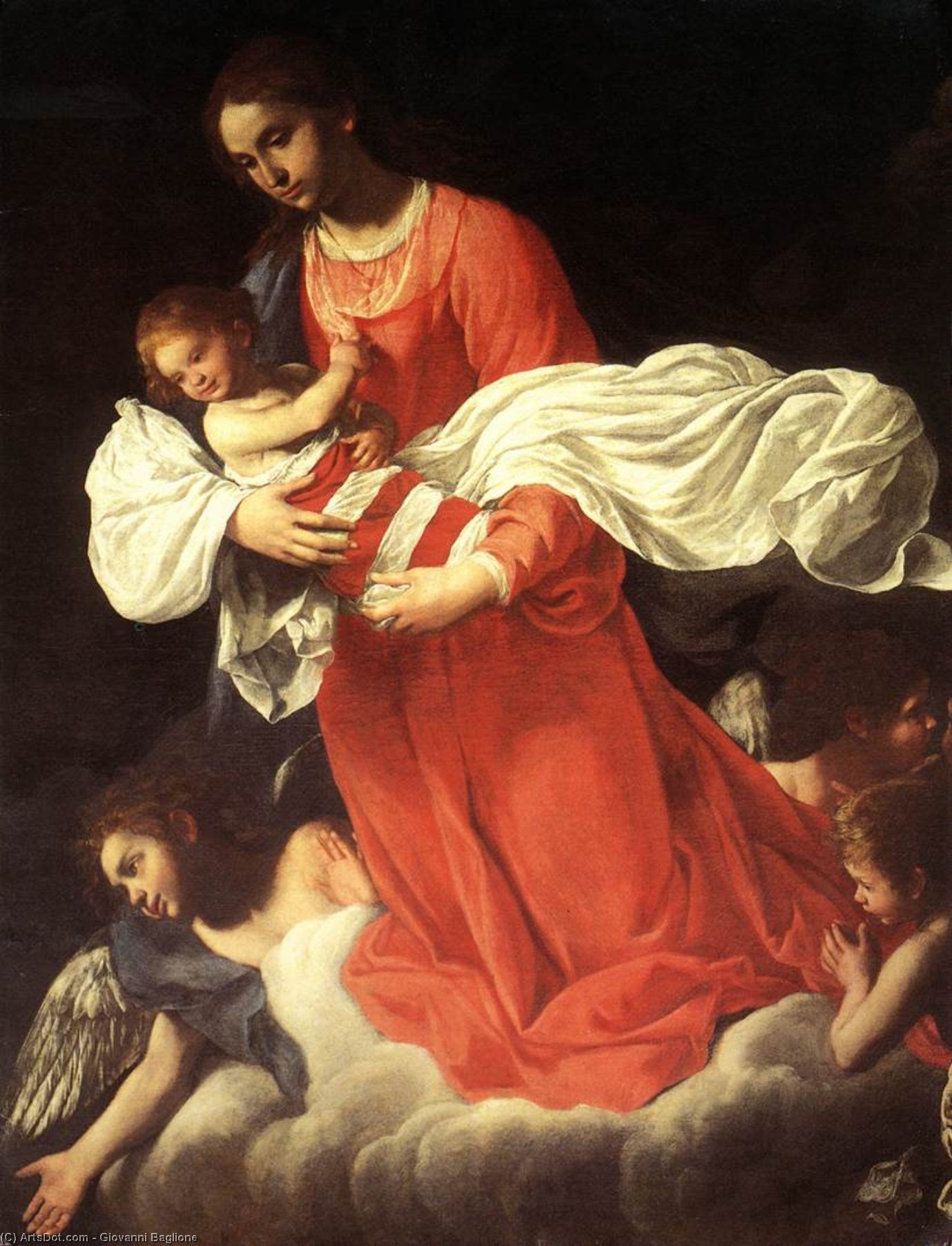
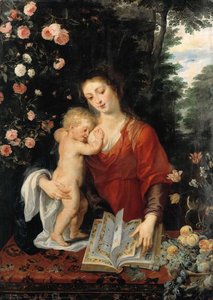
The Virgin and the Child with Angels


 詳細を見る
詳細を見る
ジークレー/アートプリント
迅速な制作と多彩な仕上げオプションを備えた、ミュージアムクオリティのジークレーまたはキャンバスプリント。 ( 手描きの絵画を購入 画像を購入)




P118B $10

P118H $10

P118W $10

P438Z $10

P508JH $12

P508YH $12

P805H $10

P805Z $10

P919BZ $10

P919G $10

P919XJ $10

P959ZH $10

P968JZ $12

W106C $8

W218G $10

W218JH $8

W218Y $10

W307PJ $10

W316G $10

W316PJ $8

W316Y $10

W398PJ $8

W4111J $10

W500HY $15

W500JH $15

W692G $12

W849H $8

W940BG $15

W953PJ $8




作品のオリジナル比率に合わせた、当店の規定サイズからお選びください。

特定のフレームやスペースに合わせて、ご自身でサイズを指定することも可能です。選択されたサイズが元の画像の比率と一致しない場合、作品をトリミングするか、鏡面反射または単色での塗りつぶしによって画像を拡張いたします。制作を開始する前に、ご確認用のデジタルモックアップをお送りいたします。
画面上のプレビューには、実際のトリミングや拡張は反映されませんのでご注意ください。最終的な構図を正確に確認できるのは、モックアップのみとなります。
カスタムサイズも承っておりますが、元の比率を維持するためには、あらかじめ用意されたリストからサイズを選択することをお勧めいたします。


 ガラスオプションは、110cm未満のサイズでのみご利用いただけます。

The Virgin and the Child with Angels
ジークレー/アートプリント
複製画のサイズ
-


合計金額
$ 62
Giovanni Baglione: The Virgin and Child with Angels – A Baroque Masterpiece
Giovanni Baglione’s *The Virgin and Child with Four Angels*, completed around 1602, stands as a cornerstone of Early Baroque art in Rome—a testament to the burgeoning fervor for religious imagery during a period marked by profound spiritual transformation. More than just a depiction of biblical iconography, this painting embodies the stylistic innovations that defined the era, reflecting Caravaggio’s dramatic chiaroscuro technique and establishing Baglione as one of the foremost artists documenting the artistic landscape of his time. Its enduring appeal lies not only in its exquisite craftsmanship but also in its ability to convey a palpable sense of serenity and divine grace—a rare achievement considering the turbulent political climate of Rome at the outset of the seventeenth century.A Synthesis of Mannerism and Baroque Innovation
Baglione’s artistic journey began under Francesco Morelli, absorbing influences from Florentine Mannerism – particularly Jan van Eyck's *Virgin with Child at a Fountain*. However, Baglione swiftly embraced the Baroque aesthetic, championed by artists like Caravaggio and Guido Reni. This fusion resulted in a style characterized by heightened realism combined with theatrical lighting—a deliberate departure from the stylized compositions of his predecessors. The painting’s pyramidal structure mirrors that of van Eyck's masterpiece, grounding the figures within a carefully constructed space while simultaneously elevating them towards an idealized celestial realm. Unlike Mannerist art which prioritized intellectual contemplation and subtle distortions of form, Baglione sought to evoke emotion through vivid color palettes and dynamic movement—a hallmark of Baroque artistic expression.Detailed Technique and Material Considerations
The painting’s execution demonstrates Baglione's mastery of oil paint on canvas – a medium favored by artists striving for luminous effects and textural richness. The artist employed meticulous brushwork, painstakingly layering pigments to achieve an astonishing level of detail—particularly evident in the depiction of Mary’s hair, rendered with incredibly thin strokes that capture its shimmering texture. Furthermore, Baglione skillfully utilized glazing techniques—applying translucent layers of paint over underlying colors—to imbue the artwork with depth and luminosity. The subtle gradations of light and shadow create a dramatic interplay between illumination and darkness, mirroring the spiritual drama unfolding within the scene. This meticulous attention to material and technique underscores Baglione’s commitment to capturing not merely visual likeness but also the emotional essence of his subject matter.Symbolism and Spiritual Significance
The painting's symbolism speaks volumes about its theological context. The Virgin Mary is crowned Queen of Heaven by two angels, representing her divine honor and foreshadowing her role as mediator between God and humanity. The angel musicians symbolize divine harmony and praise—a visual representation of the liturgical music that would have accompanied prayers during Mass. The walled garden setting symbolizes Mary’s purity and virginity – a deliberate allusion to biblical narratives emphasizing spiritual perfection. Moreover, Baglione's inclusion of a Roman cityscape in the background serves as a reminder of the artist’s engagement with contemporary life—a subtle acknowledgment of the importance of earthly experience within the framework of Christian faith. The painting is intended to inspire devotion and contemplation—to transport viewers into a realm of transcendent beauty and spiritual serenity.Legacy and Enduring Appeal
Giovanni Baglione's *The Virgin and Child with Four Angels* remains an iconic exemplar of Baroque art, influencing generations of painters who followed him. Its masterful blend of Mannerist refinement and Baroque dynamism cemented Baglione’s reputation as one of Rome’s foremost artistic voices—a figure documenting the artistic fervor of his era. Today housed in the Royal Collection, the painting continues to captivate audiences with its luminous colors, dramatic lighting, and profound spiritual resonance—a testament to Baglione's enduring legacy as a visionary artist who elevated painting to new heights of expressive power.関連作品


関連記事

バロック美術を極めた至宝:時代を彩る10大名作の世界
バロック美術の華!カラヴァッジョ、ベルニーニら巨匠が創り上げた10大名作を徹底解剖。ドラマチックな色彩と豪華絢爛の世界観に触れ、至宝のアートプリントで空間を彩ろう。ArtsDot.comで美術館品質の複製と洗練されたインテリアを見つけましょう!
プラド美術館の至宝25選:名画が語るスペイン美術史 | ArtsDot
プラド美術館の至宝25選🎨 ベルラスケス、ゴヤの名画を紐解き、スペイン美術史を旅する。油絵、バロック、印象派…ArtsDotで高品質な複製画とインテリアアートを見つけよう。名画の世界をあなたの空間に✨ Explore the full collection online!
サンクトペテルブルク・エルミタージュ美術館:至宝25選 - 歴史と芸術の輝きをあなたの空間に
サンクトペテルブルク・エルミタージュ美術館の至宝25選。レムブランド、ダ・ヴィンチの名作を紐解き、歴史と芸術の輝きをご堪能ください。ArtsDot.comで高品質な複製画やインテリアアートを見つけ、空間に感動を。今すぐコレクションをご覧ください。

Crimson Threads of Narrative: Exploring Symbolism & Representation in Artworks Featuring the Red Dress
Explore the rich symbolism of the red dress in art history! From ancient power displays to iconic portraits like Cézanne’s 'Madame Cezanne', discover the cultural and artistic significance behind this captivating color. Expert analysis & insights.
Baroque Painting's Greatest Hits: 10 Masterpieces for Your Home | ArtsDot
Journey through Baroque painting's glory! Explore 10 masterpieces by Caravaggio, Rembrandt & Vermeer. Discover dramatic lighting, rich colors & timeless stories. Find museum-quality art reproductions for your home at ArtsDot.com.

