

 プレビュー
プレビュー
 プリントを購入
 シェアする
シェアする シェアする
シェアする
 詳細を見る
詳細を見る

 ダウンロード
 似ている作品
 X線調査
X線調査 スライドショー
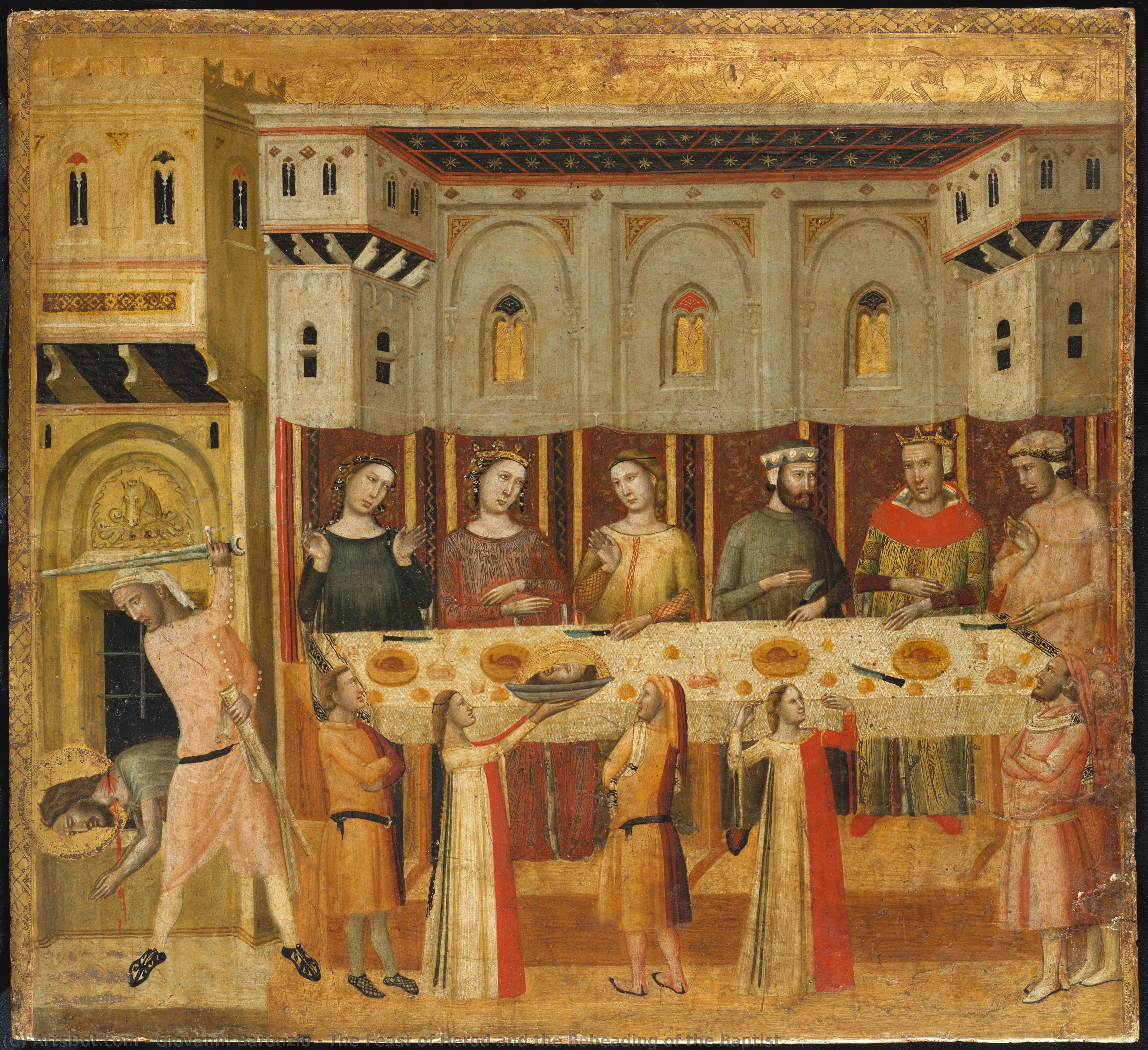
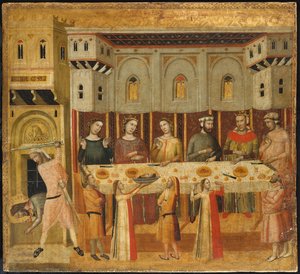
The Feast of Herod and the Beheading of the Baptist
 Tempera On Panel
- Proto-Renaissance
 1330
1330 44.0 x 50.0 cm
 メトロポリタン美術館
 詳細を見る
詳細を見る
オンラインプレビューをはるかに凌ぐ、高解像度で鮮明なデジタル画像をご購入いただけます。
各ファイルは、社内の専門家が高度なツールと熟練した手作業によるレタッチを用いて、細心の注意を払って準備されています。すべての画像において、卓越した鮮明度、正確な色彩再現性、そして繊細なディテールを保証いたします。
最終ファイルは、プロフェッショナルな編集・印刷環境ですぐにご利用いただけるよう最適化された状態で、72時間以内にメールにてお届けいたします。これは、一流のデザインスタジオ、出版社、ギャラリーから信頼されているものと同等の品質です。
デジタル画像のご注文に付随する特典
高品質なデジタル画像配信を、確かな品質で。
ArtsDot.com を選ぶことは、単に画像を手に入れることではありません。それは、プロの手によって精密に仕上げられ、満足保証が付いた高品質なデジタルアートワークを受け取ることを意味します。ご注文いただいた際に自動的に付随する内容は、以下の通りです:

メールですぐにお届け
ご注文から72時間以内に、高解像度のデジタル画像ファイルがメールでお手元に届きます。すぐにそのままご利用いただけます。

AI技術で最適化されたデジタルファイル
お客様の作品は、高度なAIツールと専門家による手作業の編集を組み合わせてプロフェッショナルに最適化されており、細部のディテール、鮮明さ、そして正確な色再現性を最大限に引き出しています。

一生涯無料の再送サービス
ファイルを誤って削除したり、紛失してしまったりしましたか?ご安心ください。いつでも無料で再送いたします。

輸入手数料は一切かかりません
関税や手数料、配送料を気にすることなく、お気に入りのアートワークをすぐにお楽しみいただけます。デジタルダウンロードは常に免税です。

色彩再現の保証
プロ仕様のツールとカラーマネジメント技術を用いることで、デジタル画像が元の色を最大限に忠実に再現することを保証いたします。

60日間満足保証
ご購入いただいたデジタル画像にご満足いただけない場合は、60日以内であれば、修正または100%の返金(理由を問う必要はありません)をさせていただきます。

100% 返金保証
ご満足いただけない場合は、デジタルファイルを受け取ってから60日以内であれば、理由を問わず全額返金いたします。

まとめ買い割引
3枚購入で10%OFF - 5枚購入で15%OFF - 10枚以上購入で20%OFF。クリエイティブなプロジェクト、ギャラリー、エージェンシーに最適です。
A Dramatic Echo from the Italian Renaissance
To stand before Giovanni Baronzio's "The Feast of Herod and the Beheading of the Baptist" is to step directly into the charged atmosphere of fourteenth-century Rimini. This tempera on panel, dating to 1330, is far more than a mere depiction of martyrdom; it is a masterful convergence of narrative drama, profound religious symbolism, and groundbreaking artistic technique. Baronzio, a key figure in the vibrant, yet often overlooked, school of Romagna, channels the monumental spirit inherited from Giotto di Bondone while imbuing the scene with a refined, almost lyrical grace. The sheer energy captured within this panel speaks to an era when religious storytelling reached breathtaking heights of emotional realism.
The Narrative Heart: Power and Peril
The composition unfolds around a moment of ultimate transgression—the brutal climax following a lavish feast held in the palace of King Herod. One can almost smell the rich spices mingling with the metallic tang of impending violence. At the center, the drama is palpable: the request, the dance, and finally, the cold steel of the sword poised for action. The gathering crowd, numbering at least thirteen figures, serves as a complex tapestry of humanity—some draped in the finery suggesting nobility, others embodying the watchful curiosity of common folk. These onlookers are not passive; their varied gazes and postures suggest complicity, shock, and morbid fascination, drawing the viewer into the moral ambiguity of the event itself.
Mastery in Tempera and Perspective
Technically, the work is a testament to Baronzio's skill. Executed in tempera on panel, the medium allows for an exquisite luminosity and detail that remains startling even today. Observe the intricate rendering of the textiles—the vibrant reds and whites adorning Salome’s attire contrast sharply with the somber tones of the background architecture. Furthermore, Baronzio employs a sophisticated understanding of spatial relationships. The overlapping planes and daring perspective guide the eye deep into the scene, giving the illusion that the viewer is standing right within the castle courtyard, witnessing the unfolding tragedy firsthand.
Symbolism Woven into the Scene
The symbolism here is rich and multi-layered. Beyond the immediate violence, the painting speaks to themes of divine justice confronting earthly power. The presence of scattered bowls and cups hints at the preceding revelry—a temporary distraction from a deeper moral reckoning. This panel is understood as part of an extensive series detailing the life of Saint John the Baptist, suggesting that this scene was intended for a grand altarpiece setting. It invites contemplation on sacrifice, obedience, and the enduring power of truth against royal decree.
Bringing Sacred Drama Home
For the collector or designer seeking art with profound narrative weight, this reproduction offers an unparalleled connection to the early Italian Renaissance spirit. While its original scale was substantial, owning a high-quality rendition allows one to integrate such monumental storytelling into a modern space. It is a piece that demands attention, sparking conversations about history, faith, and the enduring tension between spectacle and sanctity.
関連作品
作家の略歴
Giovanni Baronzio: A Rimini Master of the Fourteenth Century
The name Giovanni Baronzio, often rendered as Giovanni da Rimini, represents a pivotal figure in the artistic landscape of late medieval Italy – specifically, the burgeoning school of painting centered around the city of Rimini. While shrouded in some historical ambiguity, and initially misidentified with other artists, modern scholarship has firmly established Baronzio as a distinct and remarkably talented painter active during the second quarter of the 14th century. His legacy lies not in grand, monumental works, but rather in a series of exquisitely detailed panels and frescoes that offer a compelling glimpse into the evolving artistic traditions of Romagna and Marche – regions deeply influenced by the innovations of Giotto di Bondone.
Born around 1320 (though his precise birthdate remains elusive), Baronzio’s early life is largely undocumented. What we know with certainty is that he emerged as a painter during a period of intense artistic ferment, inheriting and adapting the stylistic principles of Giotto while simultaneously forging his own unique visual language. The documentary evidence pointing to him as an artist comes primarily from a deed dated 1343, which identifies “Iohanne Baroncio pictore” – John Baronzio, painter – as a witness. This single record provides the foundation for understanding his career and artistic identity.
The Influence of Giotto and the Rimini School
Baronzio’s work is inextricably linked to the legacy of Giotto di Bondone, who had established a workshop in Rimini around 1300. Giotto's influence on the Riminese school was profound, shaping its approach to composition, color, and figural representation. Baronzio, like his contemporaries Giuliano, Pietro, and Giovanni da Rimini, absorbed these principles, yet he didn’t simply replicate them; instead, he skillfully integrated them into a distinctly local style. This involved a careful attention to detail, a refined use of color palettes – often employing muted earth tones and delicate blues and greens – and an emphasis on creating a sense of depth and realism within the confines of panel painting.
The “polyptych representing the Madonna and Child Enthroned with Saints” (now in the Galleria Nazionale delle Marche, Palazzo Ducale, Urbino) stands as the cornerstone of our understanding of Baronzio’s oeuvre. This monumental work, dating from around 1340-45, showcases his technical skill and artistic sensibility. It also provides a crucial starting point for reconstructing his broader body of work, which includes scenes from the life of Christ, devotional panels, and likely numerous altarpieces that have unfortunately vanished or remain unattributed.
Key Works and Artistic Techniques
Among Baronzio’s most celebrated works are the “Scenes from the Life of Christ” (circa 1345), now housed in the Metropolitan Museum of Art in New York. These panels, originally part of a diptych, demonstrate his ability to capture dramatic moments and convey profound emotion through carefully rendered figures and evocative compositions. The use of light and shadow is particularly noteworthy, creating a sense of volume and realism that was characteristic of Giotto’s style.
Baronzio's artistic approach can be characterized by several key features: meticulous attention to detail, a refined chromatic sensibility, and an adherence to established Riminese iconography. He skillfully employed decorative patterns and intricate details – a hallmark of the local school’s tradition – while simultaneously demonstrating a remarkable command of perspective and spatial relationships. His work is not overly stylized or manneristic; rather, it possesses a quiet dignity and understated elegance.
Legacy and Historical Significance
Giovanni Baronzio's contribution to the artistic heritage of Romagna and Marche is significant, though often overshadowed by the more prominent figures of Giotto and his immediate disciples. He represents a crucial link in the chain of artistic transmission, preserving and developing the stylistic innovations of the early 14th century. His work provides valuable insights into the evolving artistic practices of the period and demonstrates the enduring influence of Giotto’s legacy on the region's painting traditions.
Despite the scarcity of surviving works, Baronzio’s art continues to fascinate scholars and art enthusiasts alike. His meticulous attention to detail, his refined use of color, and his skillful integration of established iconography make him a compelling figure in the history of Italian Renaissance painting – a master whose quiet brilliance deserves renewed recognition.
giovanni baronzio
1362
プロフィール概要
- Artistic Movement Or Style: Riminese School
- Artists Or Movements Influenced By This Artist: ['Giotto']
- Artists Who Influenced This Artist: ['Giotto']
- Date Of Death: 1362
- Full Name: Giovanni Baronzio
- Nationality: Italian
- Notable Artworks:
- Madonna and Child Enthroned
- Scenes from Christ Life
- Place Of Birth: Rimini, Italy

