

 プレビュー
プレビュー
 プリントを購入
 シェアする
シェアする シェアする
シェアする
 詳細を見る
詳細を見る

 ダウンロード
 似ている作品
 X線調査
X線調査 スライドショー
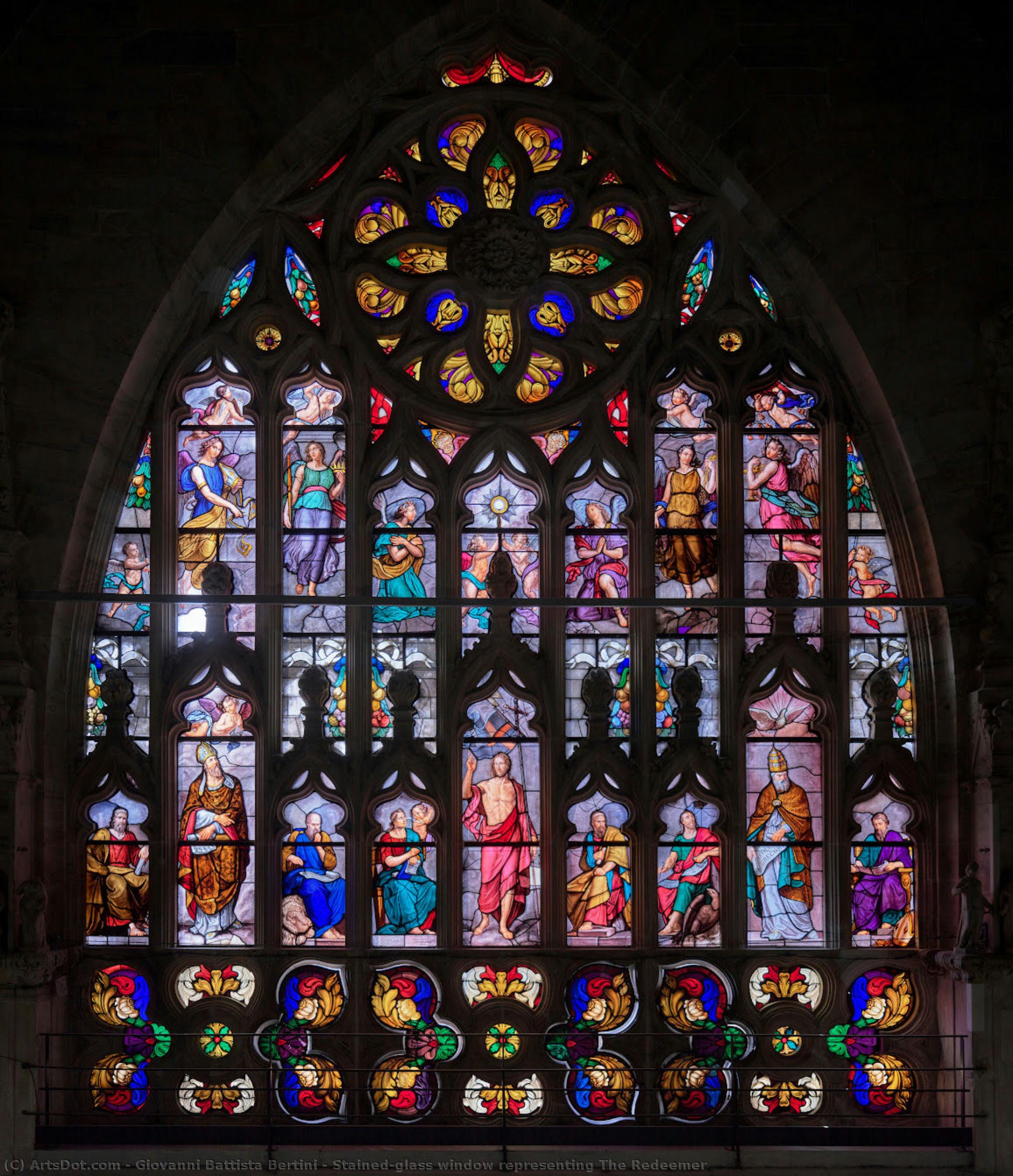
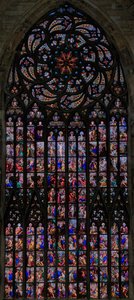
Stained-glass window representing The Redeemer

 詳細を見る
詳細を見る




































作品のオリジナル比率に合わせた、当店の規定サイズからお選びください。

特定のフレームやスペースに合わせて、ご希望のサイズをご入力いただけます。選択されたサイズが元の画像の比率と異なる場合、アートワークをトリミングするか、手描きで要素を追加して絵画を拡張いたします。デジタルモックアップ を制作し、制作開始前にご確認(承認)をいただきます。
画面上のプレビューは、実際のトリミングや拡張を正確に反映しているものではありません。最終的な構図は、モックアップによってのみ正確にご確認いただけます。
カスタムサイズもご利用いただけますが、元の比率を維持するためには、あらかじめ用意されたリストからサイズを選択することをお勧めいたします。
ご注文後、ArtsDot.com チームより詳細な指示をお送りするとともに、仕上がりイメージ(モックアップ)をご提供いたします。


 ガラスオプションは、110cm未満のサイズでのみご利用いただけます。

Stained-glass window representing The Redeemer
複製技法
複製画のサイズ
-


合計金額
$ 263
作品解説
関連作品






アーティストの略歴
Giovanni Battista Bertini: A Lucchese Master of Late Baroque Faith
Giovanni Battista Bertini, born in Milan in 1799 and tragically passing away in 1849, remains a compelling figure within the artistic landscape of late-Baroque Italy. While his life was relatively brief, his impact on the religious art scene of Lucca is undeniable, establishing him as a key artist of the period. Initially apprenticed to Lazzaro Baldi in Rome, Bertini’s trajectory shifted towards the renowned studio of Carlo Maratta, absorbing the techniques and stylistic conventions of one of Italy's most celebrated painters. However, it was his relocation to Lucca that truly cemented his legacy, where he spent much of his career creating breathtaking frescoes and stained glass for churches and civic buildings – works that continue to resonate with their devotional power and technical mastery.Early Influences and Artistic Training
Bertini’s artistic education began in the vibrant capital city of Rome, a hub of artistic innovation during the late 18th century. His time under Lazzaro Baldi exposed him to the Neoclassical ideals gaining prominence at the time, while his subsequent apprenticeship with Carlo Maratta provided invaluable experience in the meticulous execution and dramatic composition characteristic of Baroque painting. Maratta’s studio was a crucible for talent, fostering a generation of artists who would go on to shape Italian art. Bertini's training instilled within him a deep understanding of perspective, anatomy, and color theory – skills he skillfully employed throughout his career. Notably, the influence of Maratta is evident in Bertini’s compositions, particularly in their balanced arrangements and carefully rendered details.Religious Frescoes and Stained Glass: The Heart of His Work
Bertini's artistic output was overwhelmingly devoted to religious subjects, reflecting the prevailing piety of his era. He excelled at creating frescoes that imbued sacred spaces with a palpable sense of spirituality. Major commissions included the Chapel of the Sacrament at the Servi in Lucca and the church of the Santissima Trinita, where his vibrant depictions of biblical scenes and saints captivated viewers. His work wasn't merely decorative; it aimed to inspire faith and devotion through dramatic narratives and emotionally charged figures. Beyond frescoes, Bertini’s skill extended to stained glass, a medium he utilized with remarkable precision and artistry. These windows transformed church interiors into kaleidoscopes of color and light, further enhancing the spiritual atmosphere. The intricate designs and luminous hues created an ethereal quality, drawing viewers into contemplation.Key Works and Notable Achievements
Several works stand out as particularly significant examples of Bertini’s artistic prowess. “Stories of Saint John the Good – The glory of the Saint” (D6BCP4-en) is a prime example of his ability to convey complex theological narratives with emotional depth and visual dynamism. The composition skillfully balances narrative elements with symbolic gestures, inviting viewers to engage with the saint’s story on multiple levels. Similarly, “Stories of Saint John the Good – The glory of the Saint” (D6BCPM-en) showcases his mastery of color and light, creating a luminous and evocative depiction of a pivotal moment in the saint's life. His work also includes depictions of various saints and biblical figures, each rendered with meticulous detail and imbued with a sense of humanity. Bertini’s influence can be seen in the works of his pupils, Gaetano Vetturali and Giuseppe Antonio Luchi, who continued to build upon his artistic legacy.Legacy and Historical Significance
Giovanni Battista Bertini's contribution to Italian art lies primarily within the realm of religious painting. He represents a bridge between the grandeur of the High Baroque and the emerging Neoclassical style. His work embodies the spirit of late-Baroque faith, characterized by dramatic intensity, emotional depth, and a profound sense of spirituality. While he may not be as widely celebrated as some of his contemporaries, Bertini’s legacy endures in the magnificent churches and civic buildings of Lucca, where his frescoes and stained glass windows continue to inspire awe and reverence. His dedication to religious themes and his technical skill ensure that Giovanni Battista Bertini remains a significant figure in the history of Italian art, a testament to the power of faith expressed through artistic vision.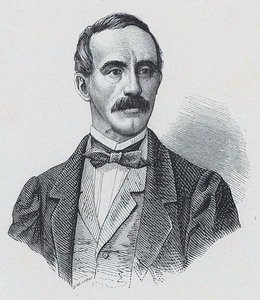
Giovanni Battista Bertini
1799 - 1849 , Italy
基本情報
- Artistic Movement Or Style: Late-Baroque
- Artists Or Movements Influenced By This Artist:
- Gaetano Vetturali
- Giuseppe Antonio Luchi
- Artists Who Influenced This Artist:
- Lazzaro Baldi
- Carlo Maratta
- Date Of Birth: 1799
- Date Of Death: 1849
- Full Name: Giovanni Battista Bertini
- Nationality: Italian
- Notable Artworks:
- Chapel of the Sacrament
- Santissima Trinita Church
- Place Of Birth: Milan, Italy

