

 プレビュー
プレビュー
 シェアする
シェアする シェアする
シェアする
 詳細を見る
詳細を見る

 ダウンロード
 似ている作品
 X線調査
X線調査 スライドショー
 統計情報
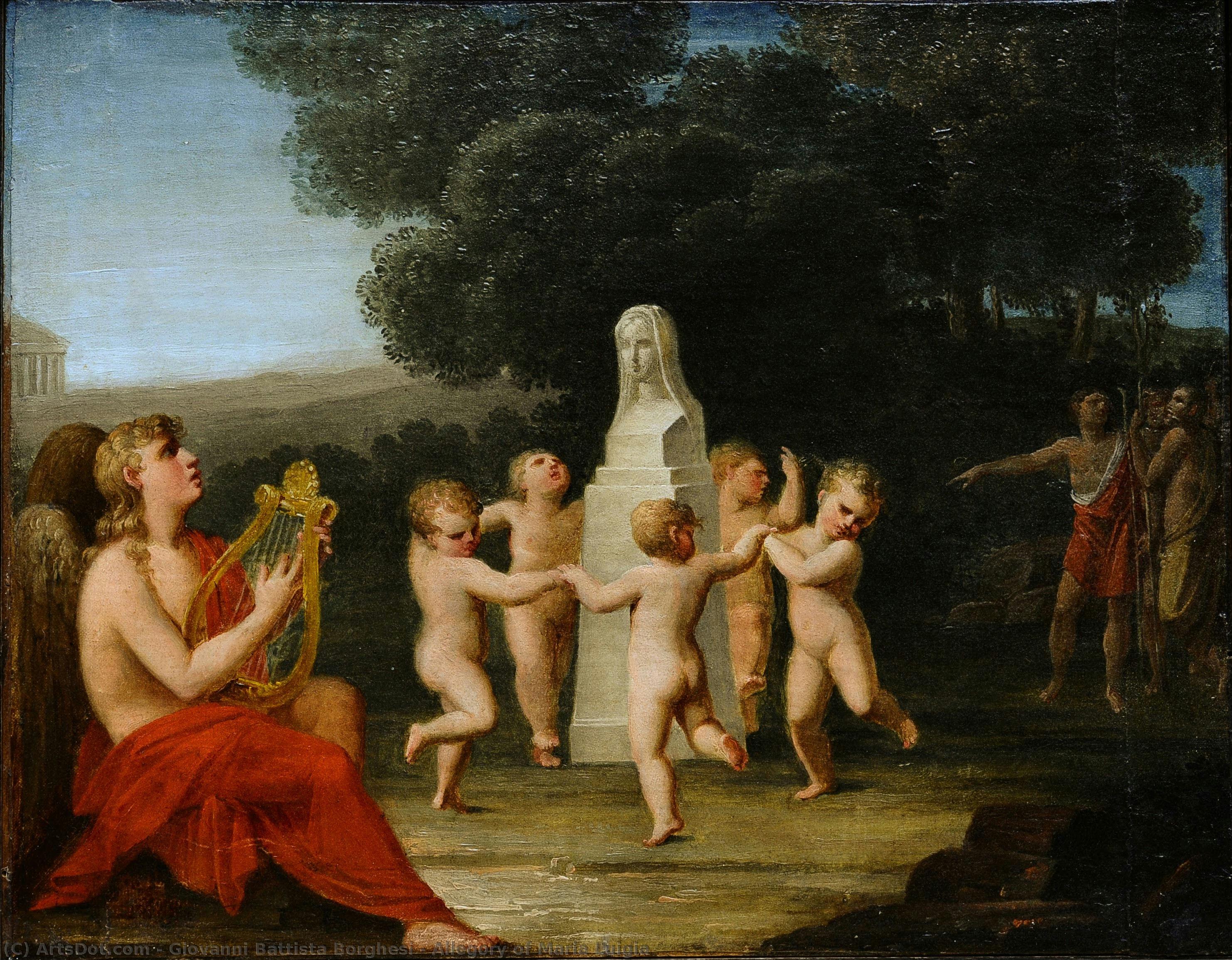
統計情報Allegory of Maria Luigia

 詳細を見る
詳細を見る
ジークレー/アートプリント
迅速な制作と多彩な仕上げオプションを備えた、ミュージアムクオリティのジークレーまたはキャンバスプリント。 ( 手描きの絵画を購入 デジタル画像販売へ切り替え)




































作品のオリジナル比率に合わせた、当店の規定サイズからお選びください。

特定のフレームやスペースに合わせて、ご自身でサイズを指定することも可能です。選択されたサイズが元の画像の比率と一致しない場合、作品をトリミングするか、鏡面反射または単色での塗りつぶしによって画像を拡張いたします。制作を開始する前に、ご確認用のデジタルモックアップをお送りいたします。
画面上のプレビューには、実際のトリミングや拡張は反映されませんのでご注意ください。最終的な構図を正確に確認できるのは、モックアップのみとなります。
カスタムサイズも承っておりますが、元の比率を維持するためには、あらかじめ用意されたリストからサイズを選択することをお勧めいたします。


 ガラスオプションは、110cm未満のサイズでのみご利用いただけます。

Allegory of Maria Luigia
ジークレー/アートプリント
複製画のサイズ
-


合計金額
$ 62
関連作品








アーティストの略歴
The Neoclassical Vision of Giovanni Battista Borghesi
In the heart of Parma, Italy, during the twilight of the eighteenth century, a talent was born that would eventually weave itself into the very fabric of Italian scenic and mural art. Giovanni Battista Borghesi, often referred to as Giambattista, emerged from the fertile artistic landscape of his birthplace to become a defining voice of the Neoclassical period. Born on November 25, 1790, Borghesi’s journey into the world of fine art began with a precocious discipline. At the tender age of fifteen, he entered the esteemed studio of Biagio Martini, a mentorship that would serve as the crucible for his technical mastery. Under Martini’s guidance, the young artist moved beyond mere imitation, learning to balance the rigorous structural demands of Neoclassicism with a burgeoning sense of decorative elegance.
Borghesi’s early career was defined by the intimate and the sacred, as he applied his developing skills to the modest yet profound task of mural painting. His hands graced the walls of private residences and local churches, where he learned the delicate art of storytelling through pigment and plaster. These early decorations were more than mere embellishments; they were exercises in spatial harmony and light. As his reputation grew, so did the scale of his ambitions. He transitioned seamlessly from the static confines of wall paintings to the grand, ephemeral world of scenic design, a move that required an extraordinary command of perspective and theatrical illusion. This duality—the ability to paint for both the permanent architecture of a building and the fleeting spectacle of the stage—distinguished him as a versatile master of his era.
A Legacy Etched in Parma’s Grandeur
The true splendor of Borghesi’s artistry is perhaps most vibrantly felt in the architectural landmarks of Parma. His contributions to the Teatro Regio di Parma stand as a testament to his ability to elevate public spaces through sophisticated composition. One of his most celebrated achievements, the Allegory of Maria Luigia, serves as a breathtaking example of his skill. In this work, Borghesi utilized the Neoclassical penchant for bold colors and intricate, flowing designs to create a narrative that is both visually stunning and deeply symbolic. The piece, which resides within the Museo Glauco Lombardi collection, captures the essence of an era that sought to find beauty in order, clarity, and classical grandeur.
Beyond the theater and the museum, Borghesi’s influence extended to the very arenas of civic life. His work on the Parma Arena showcased a meticulous attention to detail, proving that his talent was as suited for large-scale public works as it was for delicate allegorical figures. Throughout his life, his style remained anchored in a certain Neoclassical simplicity, yet it was never devoid of complexity. He possessed a rare ability to use light and shadow to breathe life into his subjects, ensuring that even the most structured compositions retained an emotional resonance that could captivate an audience.
Though he passed away on December 11, 1846, the artistic imprint left by Giovanni Battista Borghesi remains indelible. His life’s work represents a bridge between the rigid traditions of his mentors and the expressive potential of the nineteenth-century decorative arts. To study Borghesi is to study the soul of Parma itself—a legacy of elegance, precision, and an enduring passion for the transformative power of art.
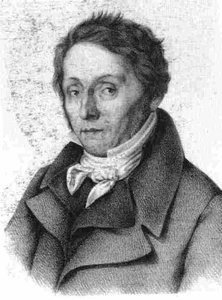
giovanni battista borghesi
1790 - 1846 , Italy
基本情報
- Artistic Movement Or Style: Neoclassicism
- Artists Or Movements Influenced By This Artist: Neoclassical painting
- Artists Who Influenced This Artist: Biagio Martini
- Date Of Birth: November 25, 1790
- Date Of Death: December 11, 1846
- Full Name: Giovanni Battista Borghesi
- Nationality: Italian
- Notable Artworks:
- Allegory of Maria Luigia
- Arena
- Place Of Birth: Parma, Italy