

 シェアする
シェアする シェアする
シェアする
 詳細を見る
詳細を見る

 ダウンロード
 似ている作品
 スライドショー
 統計情報
統計情報Giovan Battista Borghesi


 詳細を見る
詳細を見る
手描き油彩複製画
当社のアーティストが、お客様のご希望のサイズと額縁に合わせて、キャンバスに手描きで制作する油彩画です。 ( プリント版に切り替え デジタル画像販売へ切り替え)




































作品のオリジナル比率に合わせた、当店の規定サイズからお選びください。

特定のフレームやスペースに合わせて、ご希望のサイズをご入力いただけます。選択されたサイズが元の画像の比率と異なる場合、アートワークをトリミングするか、手描きで要素を追加して絵画を拡張いたします。デジタルモックアップ を制作し、制作開始前にご確認(承認)をいただきます。
画面上のプレビューは、実際のトリミングや拡張を正確に反映しているものではありません。最終的な構図は、モックアップによってのみ正確にご確認いただけます。
カスタムサイズもご利用いただけますが、元の比率を維持するためには、あらかじめ用意されたリストからサイズを選択することをお勧めいたします。
ご注文後、ArtsDot.com チームより詳細な指示をお送りするとともに、仕上がりイメージ(モックアップ)をご提供いたします。


 ガラスオプションは、110cm未満のサイズでのみご利用いただけます。

Giovan Battista Borghesi
複製技法
複製画のサイズ
-


合計金額
$ 388
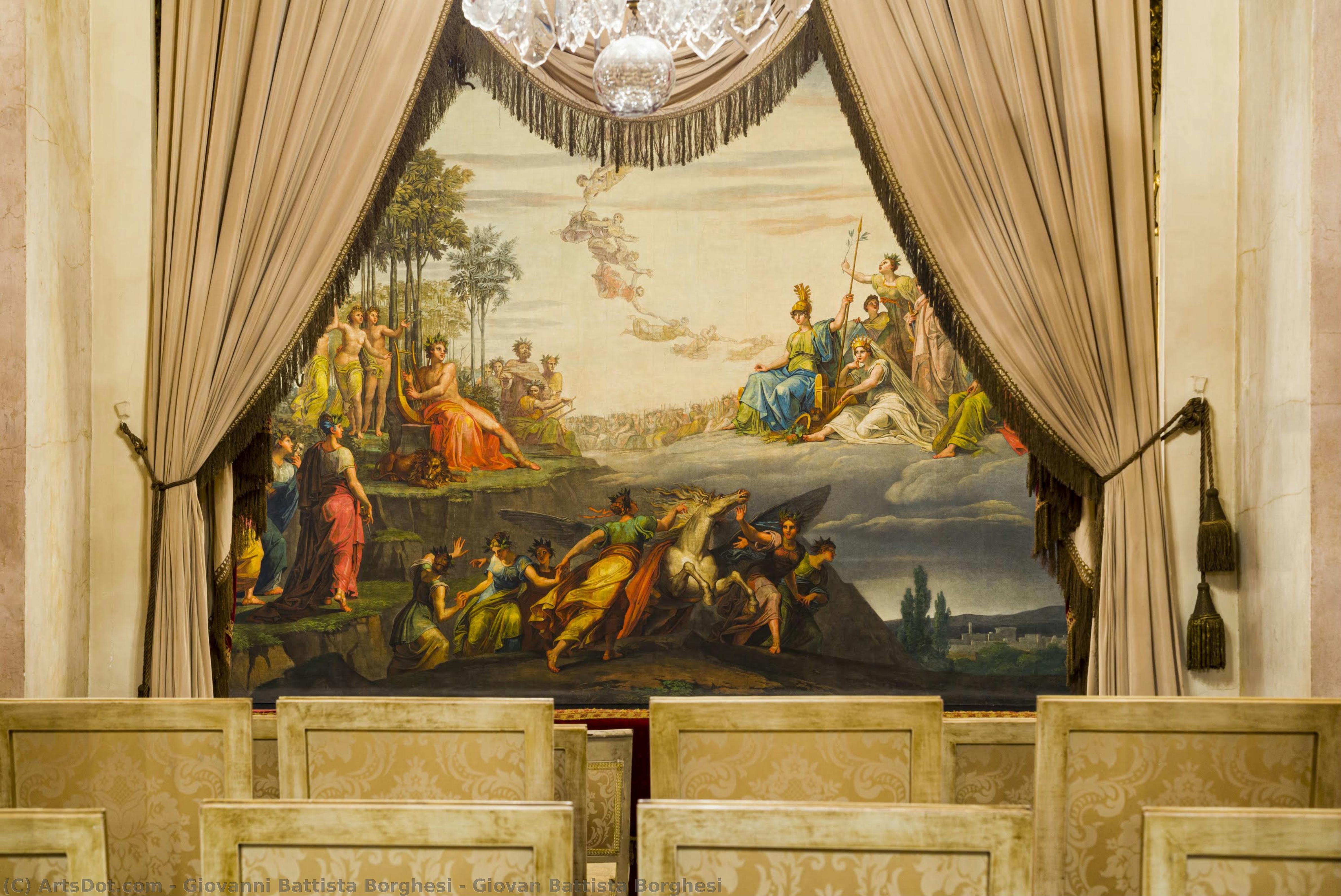
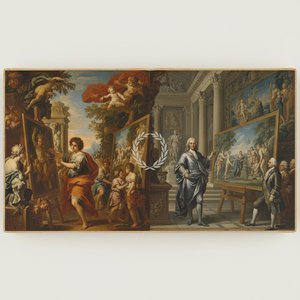
A Grand Vision of Myth and Majesty
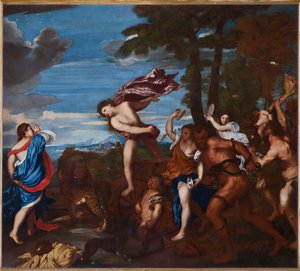
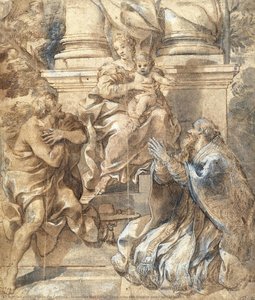
In the sweeping expanse of this monumental fresco, the viewer is transported into a realm where the boundaries between the earthly and the divine dissolve. The artwork, attributed to the masterful hand of Giovan Battista Borghesi, presents a breathtaking mythological tableau that commands attention through its sheer scale and theatricality. At the heart of the composition, a complex assembly of deities and mortals interacts upon a rugged, undulating landscape, their gestures imbued with the dramatic tension characteristic of the Baroque tradition. The scene is not merely a depiction of myth but an immersive experience; as figures ascend toward a luminous celestial realm, the eye is drawn upward in a rhythmic dance of movement and light. This sense of verticality creates a profound feeling of transcendence, inviting those who behold it to contemplate the eternal struggle between human aspiration and divine will.
The artistry of this piece lies in its masterful command of chiaroscuro and atmospheric perspective. Through the delicate application of pigments onto wet plaster, Borghesi achieves a texture that feels both tactile and ethereal. The lighting is purposefully dramatic, casting deep, velvety shadows that sculpt the muscular forms of the figures while simultaneously illuminating key protagonists with a radiant glow. This interplay of light and shadow does more than provide three-dimensionality; it directs the narrative flow, guiding the observer through the intricate layers of the rocky terrain toward the distant, pale horizons of the heavens. The use of gold leaf within the surrounding decorative elements adds an opulent, shimmering quality that catches the light, framing the fresco in a state of perpetual brilliance.
The Elegance of Neoclassic Detail and Baroque Drama
While the soul of the work vibrates with Baroque energy, there is an underlying precision and structural clarity that speaks to the Neoclassic sensibilities of the era. The composition is anchored by strong, directional lines and organic shapes—from the flowing, heavy drapery that cascades like liquid silk to the powerful, anatomical accuracy of the central figures. This duality creates a sophisticated visual harmony: the chaos of the mythological struggle is contained within a highly organized and aesthetically pleasing framework. For the discerning collector or interior designer, this balance makes the piece an extraordinary focal point, capable of anchoring a room with both its historical weight and its dynamic, living energy.
The color palette is a rich tapestry of warmth and contrast, dominated by deep reds, burnished golds, and earthy browns that evoke a sense of ancient grandeur. These warm tones are masterfully offset by the cooler blues and soft greens found in the receding landscape, providing a breath of air amidst the intense drama of the foreground. Every brushstroke contributes to a sense of layered depth, making the fresco feel less like a flat surface and more like a window into another epoch. To possess a reproduction of such a work is to bring a piece of theatrical history into a contemporary space, offering an infusion of prestige, storytelling, and timeless beauty that transcends the passing trends of modern decor.
関連作品
アーティストの略歴
The Neoclassical Vision of Giovanni Battista Borghesi
In the heart of Parma, Italy, during the twilight of the eighteenth century, a talent was born that would eventually weave itself into the very fabric of Italian scenic and mural art. Giovanni Battista Borghesi, often referred to as Giambattista, emerged from the fertile artistic landscape of his birthplace to become a defining voice of the Neoclassical period. Born on November 25, 1790, Borghesi’s journey into the world of fine art began with a precocious discipline. At the tender age of fifteen, he entered the esteemed studio of Biagio Martini, a mentorship that would serve as the crucible for his technical mastery. Under Martini’s guidance, the young artist moved beyond mere imitation, learning to balance the rigorous structural demands of Neoclassicism with a burgeoning sense of decorative elegance.
Borghesi’s early career was defined by the intimate and the sacred, as he applied his developing skills to the modest yet profound task of mural painting. His hands graced the walls of private residences and local churches, where he learned the delicate art of storytelling through pigment and plaster. These early decorations were more than mere embellishments; they were exercises in spatial harmony and light. As his reputation grew, so did the scale of his ambitions. He transitioned seamlessly from the static confines of wall paintings to the grand, ephemeral world of scenic design, a move that required an extraordinary command of perspective and theatrical illusion. This duality—the ability to paint for both the permanent architecture of a building and the fleeting spectacle of the stage—distinguished him as a versatile master of his era.
A Legacy Etched in Parma’s Grandeur
The true splendor of Borghesi’s artistry is perhaps most vibrantly felt in the architectural landmarks of Parma. His contributions to the Teatro Regio di Parma stand as a testament to his ability to elevate public spaces through sophisticated composition. One of his most celebrated achievements, the Allegory of Maria Luigia, serves as a breathtaking example of his skill. In this work, Borghesi utilized the Neoclassical penchant for bold colors and intricate, flowing designs to create a narrative that is both visually stunning and deeply symbolic. The piece, which resides within the Museo Glauco Lombardi collection, captures the essence of an era that sought to find beauty in order, clarity, and classical grandeur.
Beyond the theater and the museum, Borghesi’s influence extended to the very arenas of civic life. His work on the Parma Arena showcased a meticulous attention to detail, proving that his talent was as suited for large-scale public works as it was for delicate allegorical figures. Throughout his life, his style remained anchored in a certain Neoclassical simplicity, yet it was never devoid of complexity. He possessed a rare ability to use light and shadow to breathe life into his subjects, ensuring that even the most structured compositions retained an emotional resonance that could captivate an audience.
Though he passed away on December 11, 1846, the artistic imprint left by Giovanni Battista Borghesi remains indelible. His life’s work represents a bridge between the rigid traditions of his mentors and the expressive potential of the nineteenth-century decorative arts. To study Borghesi is to study the soul of Parma itself—a legacy of elegance, precision, and an enduring passion for the transformative power of art.
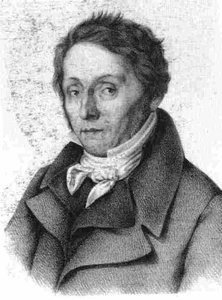
giovanni battista borghesi
1790 - 1846 , Italy
基本情報
- Artistic Movement Or Style: Neoclassicism
- Artists Or Movements Influenced By This Artist: Neoclassical painting
- Artists Who Influenced This Artist: Biagio Martini
- Date Of Birth: November 25, 1790
- Date Of Death: December 11, 1846
- Full Name: Giovanni Battista Borghesi
- Nationality: Italian
- Notable Artworks:
- Allegory of Maria Luigia
- Arena
- Place Of Birth: Parma, Italy
関連記事

The Enduring Legacy of Fresco: Technique, History & Artistic Expression Across Cultures
Explore the rich history & enduring legacy of fresco painting! Discover ancient techniques, Giotto's masterpieces, and modern applications. Expert insights for art lovers & professionals.
Simon Vouet: A Baroque Master's Journey from Italian Influence to French Classicism
Explore the life & art of Simon Vouet, a pivotal French Baroque painter who introduced Italian styles to France. Discover his masterpieces and lasting influence on 17th-century art.

家族の遺産を壁画で彩る:伝統技法が紡ぐ、時を超越する美と記憶
古代から現代までの壁画の歴史と技法を解説。日本の壁画文化やカスタムオーダーによる家族の遺産表現、保存・修復技術まで網羅。専門家が時を超越する美と記憶を紡ぐ芸術的価値をご案内します。

The Enduring Legacy of Fresco Painting: Techniques, History & Contemporary Relevance
Explore the rich history & enduring artistry of fresco painting – from Giotto to Michelangelo! Discover techniques, conservation efforts, & modern applications. Learn how ArtsDot brings this timeless art form to your home.

Baroque Classicism: Reconciling Drama & Order in 17th-Century Art
Explore the captivating world of Baroque Classicism! Discover its history, key artists like Caravaggio & Rubens, and defining characteristics. Expert insights & high-quality reproductions at ArtsDot.