

 プレビュー
プレビュー
 プリントを購入
 シェアする
シェアする シェアする
シェアする
 詳細を見る
詳細を見る

 ダウンロード
 似ている作品
 X線調査
X線調査 スライドショー
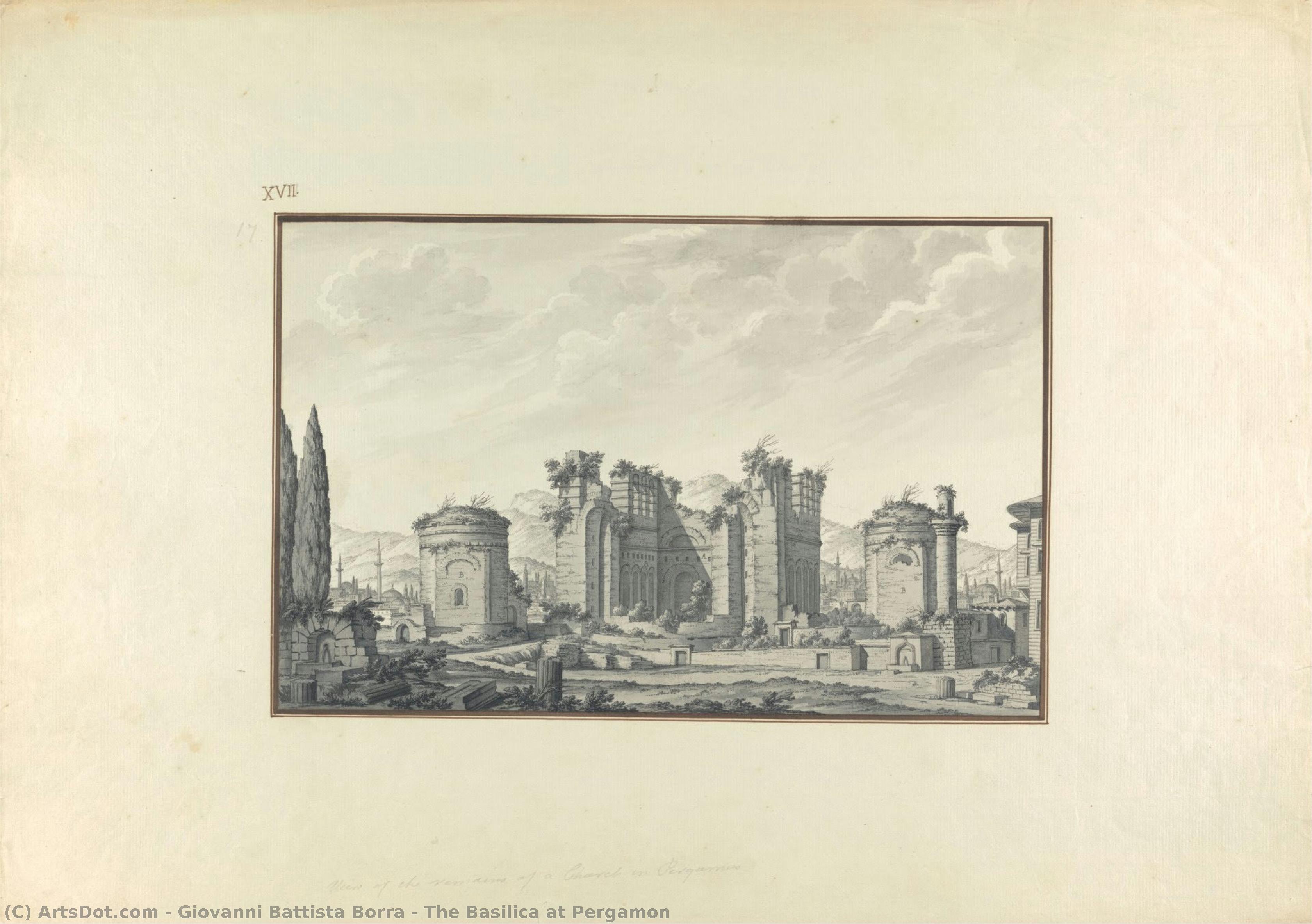
The Basilica at Pergamon
 Graphite
- Baroque Architecture
 1750
1750 38.0 x 53.0 cm
 イェール英国美術館
 詳細を見る
詳細を見る




P118B $10

P118H $10

P118W $10

P438Z $10

P508JH $12

P508YH $12

P805H $10

P805Z $10

P919BZ $10

P919G $10

P919XJ $10

P959ZH $10

P968JZ $12

W106C $8

W218G $10

W218JH $8

W218Y $10

W307PJ $10

W316G $10

W316PJ $8

W316Y $10

W398PJ $8

W4111J $10

W500HY $15

W500JH $15

W692G $12

W849H $8

W940BG $15

W953PJ $8




作品のオリジナル比率に合わせた、当店の規定サイズからお選びください。

特定のフレームやスペースに合わせて、ご希望のサイズをご入力いただけます。選択されたサイズが元の画像の比率と異なる場合、アートワークをトリミングするか、手描きで要素を追加して絵画を拡張いたします。デジタルモックアップ を制作し、制作開始前にご確認(承認)をいただきます。
画面上のプレビューは、実際のトリミングや拡張を正確に反映しているものではありません。最終的な構図は、モックアップによってのみ正確にご確認いただけます。
カスタムサイズもご利用いただけますが、元の比率を維持するためには、あらかじめ用意されたリストからサイズを選択することをお勧めいたします。
ご注文後、ArtsDot.com チームより詳細な指示をお送りするとともに、仕上がりイメージ(モックアップ)をご提供いたします。


 ガラスオプションは、110cm未満のサイズでのみご利用いただけます。

The Basilica at Pergamon
複製技法
複製画のサイズ
-


合計金額
$ 263
Giovanni Battista Borra: A Pioneer of Ruin Landscapes
Giovanni Battista Borra (1713-1770) stands as a pivotal figure in the Baroque artistic landscape, particularly renowned for his masterful depictions of ancient ruins—a genre that profoundly influenced European aesthetics during his lifetime. Born in Dogliani, Piedmont, Borra’s formative years instilled within him an unwavering dedication to architectural precision and observation, ultimately shaping his distinctive approach to portraying the grandeur and melancholy beauty of forgotten civilizations. His training under Bernardo Antonio Vittone honed his foundational skills, preparing him for a career marked by groundbreaking explorations into artistic representation. ### The Expedition to Asia Minor: Capturing Ephemeral Majesty A transformative experience arrived in 1750 when Borra joined Robert Wood’s ambitious antiquarian expedition to Asia Minor and Syria—a journey that cemented his reputation as an architectural draughtsman of exceptional talent. This expedition wasn't merely a scholarly pursuit; it was a quest to document the vestiges of antiquity, capturing fleeting glimpses of monumental structures ravaged by time. At Balbec (Baalbek), Borra meticulously recorded the colossal columns of Heliopolis and Baalbek Temple, striving to convey their imposing scale and weathered magnificence—a feat that would inspire subsequent artists and designers. The expedition’s meticulous drawings served as a catalyst for disseminating knowledge about classical architecture across Europe. ### “The Basilica at Pergamon”: A Symphony of Light and Shadow Borra's magnum opus, "The Basilica at Pergamon," exemplifies his artistic vision and technical prowess. Executed around 1750, this painting—a grayscale wash over graphite on beige laid paper—is more than just a visual record; it’s an emotive meditation on decay and resilience. The composition skillfully juxtaposes the crumbling edifice of Pergamon with two figures positioned strategically within the scene—one near the left side, gazing upwards towards the soaring columns, while another occupies a central position, reflecting upon the monument's history. Borra’s masterful use of light and shadow enhances the dramatic effect, emphasizing the textures of stone and conveying a palpable sense of solemn contemplation. ### Symbolism and Influence: Echoes of Classical Idealism “The Basilica at Pergamon” transcends mere representation; it embodies the spirit of Neoclassical idealism—a reaction against the excesses of Baroque ornamentation. Borra’s depiction harkens back to the grandeur of Roman temples, celebrating architectural harmony and conveying a reverence for antiquity's enduring legacy. This artwork profoundly impacted subsequent generations of artists and designers, inspiring them to incorporate classical motifs into their own creations—a trend that continues to resonate in contemporary art and interior design. The Basilica at Pergamon remains an unforgettable testament to Borra’s artistic genius and his contribution to the visual culture of the Enlightenment era.関連作品
アーティストの略歴
Giovanni Battista Borra: Life and Legacy
- Born: December 27, 1713, Dogliani, Italy
- Died: November 1770, Turin, Italy
- Occupation: Architect, Engineer, Architectural Draughtsman
Early Life and Education
- Borra's early life was rooted in Dogliani, a town in Piedmont.
- He received formal architectural training under Bernardo Antonio Vittone from 1733 to 1736. This period significantly shaped his foundational skills in architecture and engineering.
- In 1748, Borra demonstrated his expertise by publishing "A Handbook on Buildings' Stability," showcasing a practical understanding of structural principles.
The Asia Minor Expedition and its Impact
- A pivotal moment in Borra’s career was his participation in an antiquarian expedition to Asia Minor and Syria from 1750 to 1751, alongside Robert Wood and James Dawkins. He served as the expedition's architectural draughtsman.
- During this journey, he meticulously documented ancient ruins, most notably at Balbec (Baalbek) and Palmyra. These sketches formed the basis for Wood’s publications, "The Ruins of Balbec" and "The Ruins of Palmyra."
- These drawings were highly influential, popularizing motifs from Baalbek and Palmyra in interior decorations across England and Italy.
Major Works and Commissions
- Palazzo Isnardi di Caraglio (Turin): Borra collaborated with Benedetto Innocente Alfieri on the remodelling and decoration of this palace, showcasing his ability to integrate classical influences into Piedmontese architecture.
- Castello dei Racconigi (near Turin): He undertook a significant project involving the remodelling and extension of Guarino Guarini's castle, commissioned by Prince Ludovico di Carignano.
- Fortifications at Alessandria: Borra contributed to the fortifications of Alessandria in Piedmont, demonstrating his engineering skills.
- Hydraulic Projects: He was involved in various hydraulic projects throughout Piedmont, further highlighting his diverse engineering capabilities.
- Norfolk House (London): Designed interiors for this London townhouse, incorporating Rococo elements and motifs inspired by ancient ruins.
- Stowe House: Borra contributed to the decoration of Stowe House, working with Robert Adam on alterations and executing designs for various structures within the estate.
Historical Significance and Influence
- Borra’s meticulous architectural drawings played a crucial role in disseminating knowledge about ancient sites like Balbec and Palmyra during the 18th century.
- His work significantly influenced interior design trends, popularizing classical motifs in both England and Italy.
- As an architectural draughtsman for Robert Wood's publications, Borra helped shape public perception of these important archaeological sites.
- Borra’s legacy lies not only in his individual projects but also in his contribution to the broader cultural exchange between Europe and the Middle East during a period of growing interest in classical antiquity.

Giovanni Battista Borra
1713 - 1770 , Italy
基本情報
- Artistic Movement Or Style: Rococo, Neoclassical
- Artists Or Movements Influenced By This Artist: ['English and Italian decorators']
- Artists Who Influenced This Artist: ['Bernardo Antonio Vittone']
- Date Of Birth: December 27, 1713
- Date Of Death: November 1770
- Full Name: Giovanni Battista Borra
- Nationality: Italian
- Notable Artworks:
- The Basilica at Pergamon
- Ruins of Balbec
- Ruins of Palmyra
- Place Of Birth: Dogliani, Italy
関連記事

葛飾北斎:25の傑作が語る浮世絵の世界 - ArtsDot
葛飾北斎の25選:『神奈川沖浪裏』や『富嶽三十六景』など、浮世絵の世界を深く探求。木版画の技法と日本美術の美をArtsDotで。高品質なアートプリントで空間に感動を。コレクションはこちら。

ロマン派ランドスケープ:時代を彩る巨匠の10選|アートとインテリアの世界
ロマン派絵画の時代を彩る10選。巨匠たちの風景が織りなす感動の世界へ。ターナー、ルーベンスなど、名作の裏話と高精細複製でアートをお部屋に。ArtsDot.comで至福のアート体験を。

Baroque Classicism: Reconciling Drama & Order in 17th-Century Art
Explore the captivating world of Baroque Classicism! Discover its history, key artists like Caravaggio & Rubens, and defining characteristics. Expert insights & high-quality reproductions at ArtsDot.

ジョン・コンスタブルの傑作25選:英国風景画の巨匠が描く自然と光の詩 | ArtsDot
ジョン・コンスタブルの傑作25選。英国風景画の巨匠が描く自然と光の詩の世界へ。ロマン主義を代表する絵画、デダム・ヴェールやヘイ・ウェインなど、ArtsDotで高品質なアートプリントをお楽しみください。インテリアに深みと感動を。コレクションはこちら。

Evocations of Place: A Historical Journey Through Landscape Art
Explore the rich history of landscape art with ArtsDot. Discover renowned artists, movements like Impressionism & Romanticism, and expert guidance for collecting timeless pieces. Find your perfect serene escape today!