

 プレビュー
プレビュー
 シェアする
シェアする シェアする
シェアする
 詳細を見る
詳細を見る

 ダウンロード
 似ている作品
 X線調査
X線調査 スライドショー
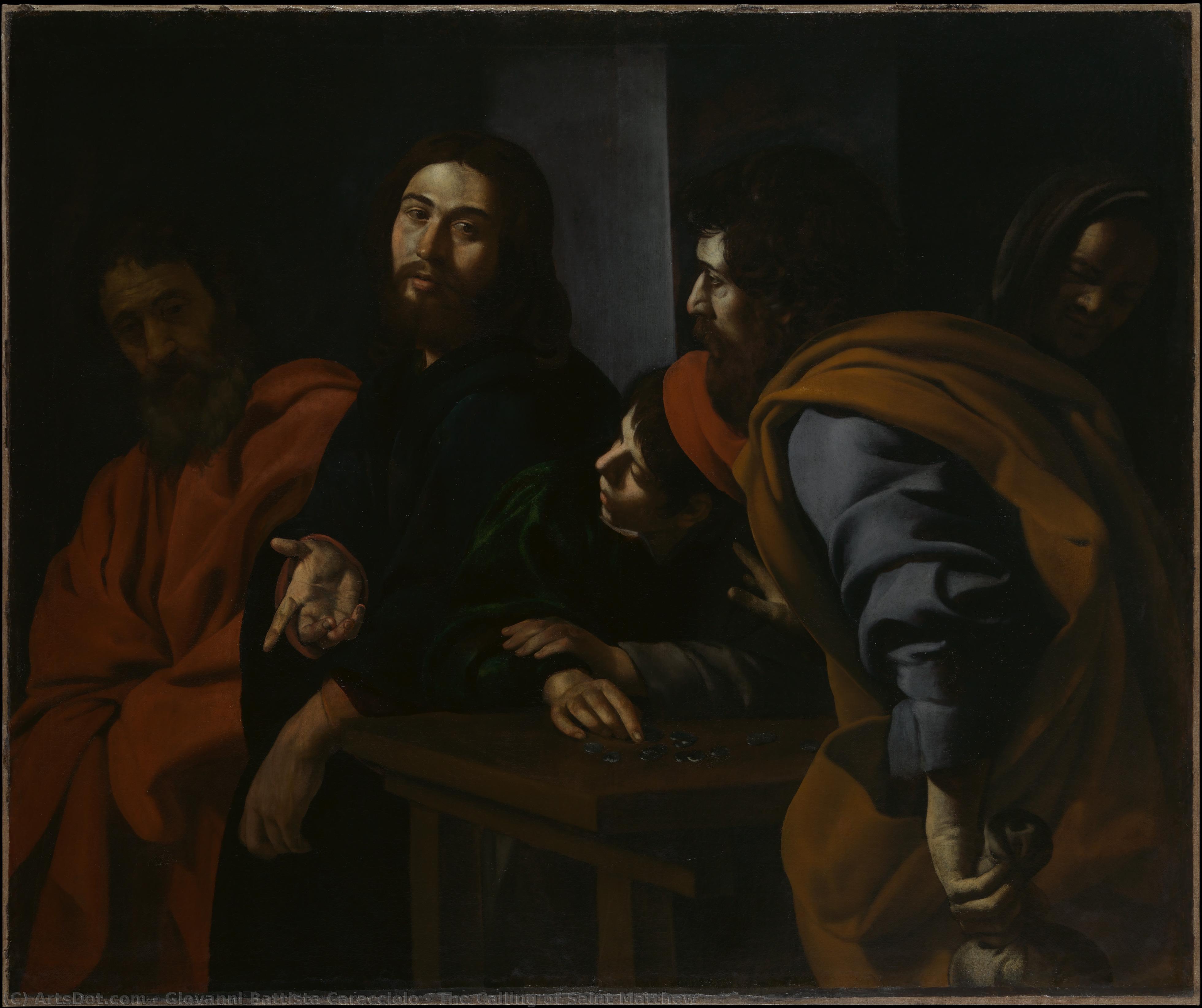
The Calling of Saint Matthew
 Oil On Canvas
- WallArt
- Baroque
 1625
1625 131.0 x 156.0 cm
 メトロポリタン美術館
 詳細を見る
詳細を見る
ジークレー/アートプリント
迅速な制作と多彩な仕上げオプションを備えた、ミュージアムクオリティのジークレーまたはキャンバスプリント。 ( 手描きの絵画を購入 画像を購入)




P118B $10

P118H $10

P118W $10

P438Z $10

P508JH $12

P508YH $12

P805H $10

P805Z $10

P919BZ $10

P919G $10

P919XJ $10

P959ZH $10

P968JZ $12

W106C $8

W218G $10

W218JH $8

W218Y $10

W307PJ $10

W316G $10

W316PJ $8

W316Y $10

W398PJ $8

W4111J $10

W500HY $15

W500JH $15

W692G $12

W849H $8

W940BG $15

W953PJ $8




作品のオリジナル比率に合わせた、当店の規定サイズからお選びください。

特定のフレームやスペースに合わせて、ご自身でサイズを指定することも可能です。選択されたサイズが元の画像の比率と一致しない場合、作品をトリミングするか、鏡面反射または単色での塗りつぶしによって画像を拡張いたします。制作を開始する前に、ご確認用のデジタルモックアップをお送りいたします。
画面上のプレビューには、実際のトリミングや拡張は反映されませんのでご注意ください。最終的な構図を正確に確認できるのは、モックアップのみとなります。
カスタムサイズも承っておりますが、元の比率を維持するためには、あらかじめ用意されたリストからサイズを選択することをお勧めいたします。


 ガラスオプションは、110cm未満のサイズでのみご利用いただけます。

The Calling of Saint Matthew
ジークレー/アートプリント
複製画のサイズ
-


合計金額
$ 62
作品詳細説明
The Calling of Saint Matthew: A Baroque Drama in Light and Shadow
Giovanni Battista Caracciolo’s “The Calling of Saint Matthew,” painted around 1625-30 in the heart of Naples, isn't merely a depiction of a biblical scene; it’s a masterclass in Baroque drama—a carefully orchestrated tableau designed to evoke profound emotion and spiritual awakening. Caracciolo, deeply influenced by the revolutionary style of Caravaggio who had recently established himself in the city, transformed the familiar narrative into a powerfully intimate experience for the viewer. The painting captures the precise moment when Jesus Christ, accompanied by Saint Peter, summons Matthew, a notorious tax collector, to abandon his worldly life and follow him—a pivotal event that underscores themes of redemption and divine grace.
The composition itself is meticulously constructed, adhering to classical principles while simultaneously embracing Caravaggio’s signature techniques. A shallow perspective draws the eye directly into the scene, placing us within the modest room where this transformative encounter takes place. The figures are rendered with a remarkable sense of realism and immediacy—their faces etched with surprise, contemplation, and nascent faith. Note particularly the intense gaze of Jesus, radiating an almost palpable authority, contrasted against Matthew’s bewildered expression as he reaches for the money bag at the lower edge of the canvas – a potent symbol of earthly possessions versus spiritual wealth. The use of chiaroscuro—the dramatic interplay of light and shadow—is utterly central to Caracciolo's vision. A single, brilliant beam illuminates Jesus and his immediate circle, casting deep shadows over the rest of the scene, intensifying the emotional impact and creating a sense of theatrical intensity reminiscent of a stage production.
Caravaggio’s Legacy: Neapolitan Baroque
Caracciolo's work stands as a testament to the profound influence Caravaggio exerted on the artistic landscape of Naples. Following the master’s brief but impactful presence in the city, Caracciolo became a leading figure in what is known as Neapolitan Caravaggism—a distinct regional style characterized by its dramatic tenebrism, intense emotionality, and focus on religious narratives. Unlike the more polished and idealized depictions prevalent in Rome at the time, Caracciolo’s paintings often retained a raw, almost visceral quality, reflecting the gritty realities of life in Naples. The influence is evident not just in the lighting but also in the psychological depth of the figures—their faces conveying a range of emotions with remarkable subtlety.
It's important to note that Caracciolo’s artistic journey wasn’t without its complexities. He was part of the infamous Cabal of Naples, a shadowy group of artists – including Belisario Corenzio and Jusepe de Ribera – rumored to have engaged in acts of violence and intrigue as they competed for lucrative painting commissions. This darker side of Neapolitan art history adds another layer of fascination to Caracciolo’s story, highlighting the turbulent social and artistic climate of the era.
Symbolism and Spiritual Resonance
Beyond its immediate visual impact, “The Calling of Saint Matthew” is rich in symbolic meaning. The money bag held by Matthew represents his worldly attachments—his wealth, status, and ingrained habits. Jesus’s outstretched hand signifies a call to abandon these earthly possessions and embrace a new life centered on faith and service. The young man at the table, often interpreted as representing Matthew himself, embodies the potential for transformation – a moment of recognition and acceptance of God's invitation. The painting subtly suggests that this conversion isn’t merely a personal experience but a universal one—a reminder that everyone is faced with the choice between earthly pursuits and spiritual fulfillment.
Furthermore, some scholars have suggested that Caracciolo deliberately employed elements reminiscent of Michelangelo’s “The Creation of Adam” – particularly in Jesus's outstretched hand – to elevate the scene to a higher level of theological significance. This deliberate allusion reinforces the painting’s central theme: the bestowal of life and grace by God through Christ.
A Masterpiece for the Ages
“The Calling of Saint Matthew” remains a powerfully evocative work of art, captivating viewers with its dramatic lighting, intense emotion, and profound spiritual message. Caracciolo’s masterful technique—his ability to capture both the physical likenesses of his subjects and their inner states—ensures that this painting continues to resonate with audiences centuries after it was created. Whether viewed as a historical document, an artistic achievement, or a source of inspiration, “The Calling of Saint Matthew” stands as a testament to the enduring power of art to illuminate the human condition.
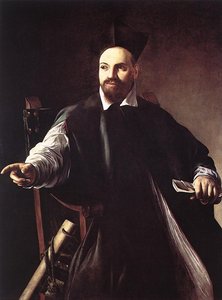
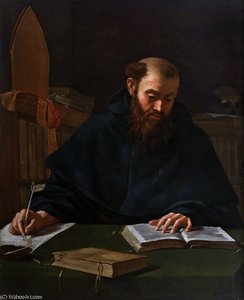
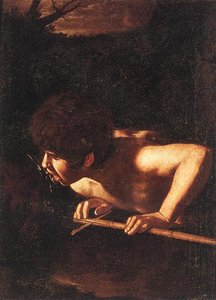
アーティストの略歴
ジョヴァンニ・バッティスタ・カラッチョ:ナポリ・カラヴァッジズムにおける光と影
17世紀イタリア美術の巨匠たちの名と共に、密やかに語り継がれてきた名、ジョヴァンニ・バッティスタ・カラッチョ。彼はナポリ絵画の発展において、極めて重要な役割を果たした人物です。1578年にナポリで生まれた彼は、この街の活気あふれる芸術的土壌から芽吹き、カラヴァッジョの最も重要な追随者の一人となりました。劇的なテネブリズム(明暗法)、強烈な感情、そして宗教的物語との深い結びつきを特徴とする独自の地域様式を確立したのです。ベルナルド・デ・ドミニキによる、時に不確かな記述に頼らざるを得ないため、彼の生涯に関する記録は限られていますが、ナポリの芸術的景観に与えたカラッチョの影響は否定しようがありません。彼は、その後数十年にわたって響き続けることになる一つの画派を築き上げたのです。 カラッチョの初期の修行については、フランチェスコ・インパラートやファブリツィオ・サンタフェデに師事したとされていますが、その詳細は今なお謎に包まれています。しかし、彼の芸術的変容の決定的な触媒となったのは、1606年末のカラヴァッジョによる突如たるナポリへの到来でした。暴力的な衝突の後、ローマから逃亡してきた若き画家は、光と影の大胆な活用、写実的な人物像、そして感情の強烈さを強調する革命的なアプローチを携えていました。カラッチョは即座にカラヴァッジョの革新性に魅了され、その技法に没頭し、劇的な様式を吸収していきました。この出会いは決定的な転換点となり、カラヴァッジ派の原理に深く根ざした彼のキャリアの舞台を整えたのです。1606年、そして1anc10/11年にカラヴァッジョがナポリを訪れた短くも深い足跡は、カラッチョにとって直接的かつ強力な芸術的モデルとなりました。 その後、カラッチョの様式は、劇的な照明と感情の深みを保持しながらも、独自の声を育み、カラヴァッジズムの際立った解釈へと進化していきました。単にカラヴァッジョの技法を模倣しただけの同時代の画家たちとは異なり、カラッチョは自身の作品に、紛れもないナポリ的な感性を吹き込みました。それは、より暗いパレット、高められたドラマ性、そして当時のナポリの激動する社会・政治情勢と深く共鳴する人間心理の探求でした。彼は、被写体の外見だけでなく、その内なる葛藤をも捉える能力で知られるようになり、それぞれの場面に、肌で感じられるような切迫感と感情を宿しました。彼の作品には宗教的な場面が多く描かれ、そこにはしばしば、生々しいリアリズムと、信仰が強いる人間的な代償への眼差しが込められていました。 カラッチョのキャリアにおける最も重要な時期は、「ナポリの結社(カバル)」への関与と重なります。これはベリサリオ・コレンツィオやジュセッペ・デ・リベラといった、依頼を巡って死に至るほどのライバル関係にあった芸術家たちの悪名高いグループでした。この騒乱に満ちた環境は、疑いようもなく彼の芸術的成果に影響を与え、彼の作品の多くを特徴づける暗く劇的なテーマの一因となりました。この結社を巡る詳細は、殺人や陰謀の告発といった憶測や噂に包まれていますが、この時期がカラッチョのキャリアにおける転換点となり、より大胆で対峙的な芸術的ビジョンへと彼を突き動かしたことは明らかです。 カラッチョの最も称賛される作品の一つに、1625年から30年頃に描かれた「聖マタイの召命」があります。この傑作はテネブリズムの極致を示しており、光と影の鮮烈なコントラストを用いることで、鑑賞者の視線を中央の人物へと引きつけ、場面の劇的なインパクトを増幅させています。徴税人であったマタイがイエスに呼ばれる瞬間を捉えたこの絵画は、その出会いを強烈な感情と心理的深みをもって描き出しています。同様に、1622年に制作された「弟子たちの足を洗うキリスト」も、宗教的な敬虔さと人間の脆弱さの両方を伝える彼の卓越した手腕を示しています。これらの作品は、数多くの祭壇画やフレスコ画とともに、画家としての技術と、視覚的な物語が持つ力の深い理解を証明しています。 カラッチョの遺産は、個々の傑作に留まりません。彼はナポリ・カラヴァッジズムの学派を確立し、彼の独特な様式を継承・洗練させていく次世代の芸術家たちを育成した功績があります。ジュゼッペ・リベラ、カルロ・セッリート、マッティア・プレティといった画家たちは皆、カラッチョの影響を受け、その技法を引き継ぎ、彼の芸術的ビジョンを拡張していきました。1635年、ジョヴァンニ・バッティスタ・カラッチョはナポリでその生涯を閉じましたが、彼が残した作品群は、劇的な強烈さ、感情の深み、そしてカラヴァッジョの精神との不朽の繋がりによって、今なお見る者を魅了し続けています。イタリアにおけるバロック絵画の発展において、彼の貢献は極めて深く、その地位を不動のものとしています。さらなる探求
- キリストとカヤファ: キリストの裁判の最期の瞬間を描いた、この劇的な場面を探索してください。
- ピオ・モンテ・デッラ・ミゼリコルディア教会: カラヴァッジョの傑作を収め、街の慈愛の歴史を物語るこの歴史的な教会で、ナポリの芸術的遺産を見出してください。
- ブドウを持つ二人の若者: この魅惑的なバロック絵画における、強烈な感情とキアロスクーロ(明暗法)に酔いしれてください。
- 聖マタイの召命: カラッチョによる劇的な「聖マタイの召命」を体験してください!強烈な光、感情、そして宗教的物語を通じてカラヴァッジョの影響を示すバロックの傑作です。
ジョヴァンニ・バッティスタ・カラッチョに関する詳細については、以下の外部リソースをご覧ください:
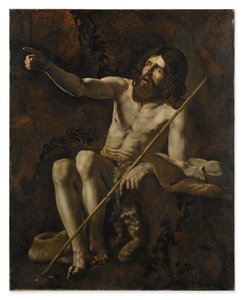
ジョヴァンニ・バッティスタ・カラッチョーロ
1578 - 1635 , イタリア
基本情報
- Artistic Movement Or Style: カラヴァッジズム、ナポリ・バロック
- Artists Or Movements Influenced By This Artist: ['マッティア・プレティ']
- Artists Who Influenced This Artist: ['カラヴァッジョ']
- Date Of Birth: 1578年12月7日
- Date Of Death: 1635年12月23日
- Full Name: ジョヴァンニ・バッティスタ・カラッチョロ
- Nationality: イタリア
- Notable Artworks:
- 聖マタイの召命
- キリストとカイファ
- ピオ・モンテ・デッラ・ミゼリコルディア教会
- Place Of Birth: イタリア、ナポリ
関連記事

バロック美術を極めた至宝:時代を彩る10大名作の世界
バロック美術の華!カラヴァッジョ、ベルニーニら巨匠が創り上げた10大名作を徹底解剖。ドラマチックな色彩と豪華絢爛の世界観に触れ、至宝のアートプリントで空間を彩ろう。ArtsDot.comで美術館品質の複製と洗練されたインテリアを見つけましょう!

The Dramatic Flourish: Exploring the Baroque Movement's Enduring Legacy in Art History
Explore the dramatic world of Baroque art! Discover iconic artists like Caravaggio & Rubens, defining techniques, and its lasting impact on art history. Expert insights for collectors & enthusiasts at ArtsDot.

The Visceral Stage: Exploring Dramatic Narratives & Emotional Intensity in Baroque Art
Explore the dramatic world of Baroque art! Discover iconic masters like Caravaggio & Rembrandt, their techniques, and the movement's lasting impact. Expert insights for collectors & enthusiasts at ArtsDot.
Caravaggio's Revolutionary Realism: A Study of Light, Shadow, and the Human Condition
Explore the revolutionary realism of Caravaggio! Discover his mastery of light & shadow (tenebrism), dramatic religious scenes, and lasting influence on Baroque art history. A comprehensive guide for art enthusiasts.

Theatricality & Triumph: Baroque Drama in Painting & Sculpture
Explore the dramatic world of Baroque art! Discover its history, defining characteristics, & lasting influence on painting & sculpture. Expert insights into Caravaggio, Zurbarán, and Bernini – plus high-quality reproductions at ArtsDot.

