

 プレビュー
プレビュー
 シェアする
シェアする シェアする
シェアする
 詳細を見る
詳細を見る

 ダウンロード
 似ている作品
 X線調査
X線調査 スライドショー
 統計情報
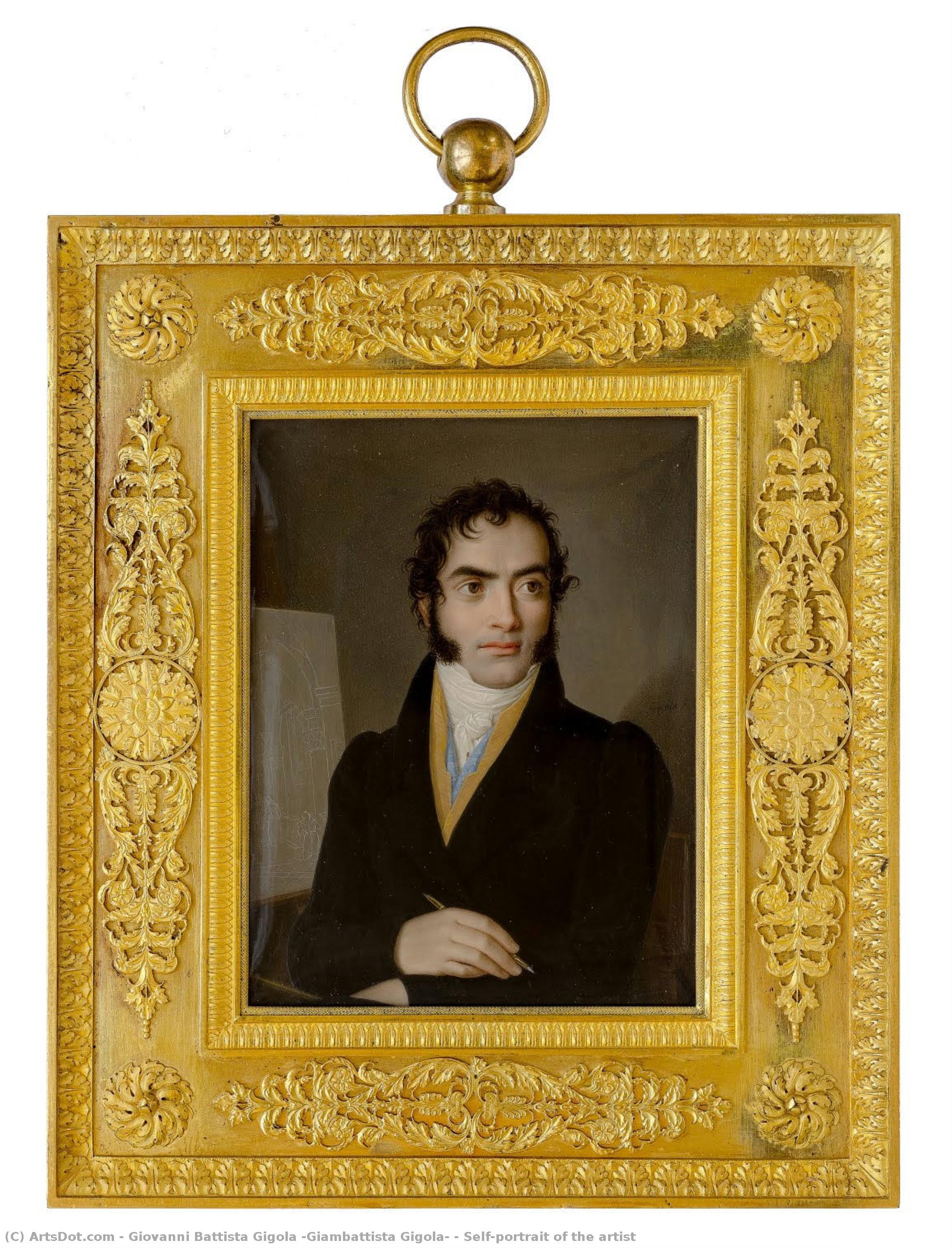
統計情報Self-portrait of the artist
 Neoclassical
 10.0 x 14.0 cm
 Palazzo Madama
 詳細を見る
詳細を見る
ジークレー/アートプリント
迅速な制作と多彩な仕上げオプションを備えた、ミュージアムクオリティのジークレーまたはキャンバスプリント。 ( 手描きの絵画を購入 デジタル画像販売へ切り替え)




P118B $10

P118H $10

P118W $10

P438Z $10

P508JH $12

P508YH $12

P805H $10

P805Z $10

P919BZ $10

P919G $10

P919XJ $10

P959ZH $10

P968JZ $12

W106C $8

W218G $10

W218JH $8

W218Y $10

W307PJ $10

W316G $10

W316PJ $8

W316Y $10

W398PJ $8

W4111J $10

W500HY $15

W500JH $15

W692G $12

W849H $8

W940BG $15

W953PJ $8




作品のオリジナル比率に合わせた、当店の規定サイズからお選びください。

特定のフレームやスペースに合わせて、ご自身でサイズを指定することも可能です。選択されたサイズが元の画像の比率と一致しない場合、作品をトリミングするか、鏡面反射または単色での塗りつぶしによって画像を拡張いたします。制作を開始する前に、ご確認用のデジタルモックアップをお送りいたします。
画面上のプレビューには、実際のトリミングや拡張は反映されませんのでご注意ください。最終的な構図を正確に確認できるのは、モックアップのみとなります。
カスタムサイズも承っておりますが、元の比率を維持するためには、あらかじめ用意されたリストからサイズを選択することをお勧めいたします。


 ガラスオプションは、110cm未満のサイズでのみご利用いただけます。

Self-portrait of the artist
ジークレー/アートプリント
複製画のサイズ
-


合計金額
$ 62
関連作品


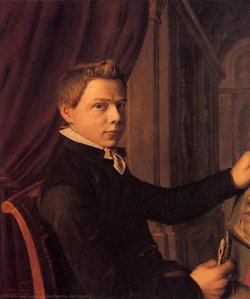
アーティストの略歴
The Luminescent Legacy of Giovanni Battista Gigola
In the grand tapestry of early nineteenth-century European art, certain names flicker with a unique, concentrated brilliance, much like the very medium that defined their careers. Giovanni Battista Gigola, an Italian master whose life spanned the transformative years from 1769 to 1841, remains one such luminous figure. Born in Brescia, Italy, Gigola’s early existence was marked by a profound tension between tradition and burgeoning talent. While his father initially envisioned a life of letters for him, the young Giambattista found himself irresistibly drawn to the tactile world of pigments and precision. This innate inclination toward the fine details of drawing would eventually lead him away from the scholarly pursuits of his youth and toward the prestigious studios of Europe, where he would carve out a niche as a premier miniaturist and a pioneer of forgotten crafts.
The trajectory of Gigola’s artistry was irrevocately altered by his journey to Paris around the turn of the century. It was in this epicenter of intellectual and artistic fervor that he entered the studio of Jean-Baptiste Isabey, one of the most celebrated portraitists of the era. This period of apprenticeship exposed him to the sophisticated trends of the French Neoclassical and Romantic movements, providing him with a cosmopolitan perspective that would later distinguish his work from his Italian contemporaries. Yet, remarkably, while he absorbed the elegance of the Parisian style, Gigola did not merely mimic it. Instead, he infused his practice with a distinctly Italian sensibility, often utilizing gouache backgrounds and a subtle, muted color palette that favored character and intimacy over mere decorative flair.
A Revival of Enamel and the Art of the Miniature
Perhaps the most significant contribution Gigola made to the history of art was his role as a restorer of lost traditions. At a time when many artistic techniques were being swept away by the tide of industrial change, Gigola undertook the painstaking task of reintroducing enamel painting to Italy. This was no small feat; the craft had largely vanished from Italian production, requiring a profound mastery of heat, minerals, and chemistry. Through his dedication, he achieved a level of luminosity and intricate detail that breathed new life into the medium, making him a vital link between the classical past and the modern era. His ability to manipulate light through enamel allowed for a depth of color that few could replicate.
Parallel to his mastery of enamel, Gigola became a celebrated miniaturist, working primarily on ivory—a surface that demands unparalleled delicacy. These miniature portraits were highly sought after by the aristocratic circles of Milan and beyond. His work often captured the quiet dignity of his subjects, ranging from intimate self-portations to grander historical depictions. Notable among his repertoire are works such as:
- Portrait of the Daughters of Gian Giacomo Trivulzio: A testament to his ability to capture familial grace and social standing.
- Self-portrait of the artist: An evocative window into the creator's own identity and technical prowess.
- Francesca Ghirardi Lechi: A delicate study showcasing his command over the subtle nuances of skin tones and texture.
Patronage and Historical Significance
The success of Gigola’s career was significantly bolstered by the patronage of the highest echelons of society. His relationship with Eugène de Beauharnais, the Duke of Leuchtenberg, provided him with the stability and social access necessary to flourish within Milanese aristocratic circles. Under such influential protection, Gigola was able to experiment and innovate, ensuring that his revival of enamel painting reached the eyes of those who could truly appreciate its complexity. This period of patronage allowed him to bridge the gap between the local Italian tradition and the broader European stage, making him a figure of international relevance.
Ultimately, the significance of Giovanni Battista Gigola lies in his role as a guardian of technique. He was an artist who looked backward to preserve the beauty of the past while looking forward to refine it for a new generation. Through his exquisite miniatures and his resurrected enamels, he ensured that the delicate, luminous traditions of the 18th century would not be lost to the shadows of history. His legacy remains etched in the fine lines of his portraits and the enduring glow of his enamel masterpieces, serving as a reminder of the power of artistic devotion to sustain beauty across the centuries.
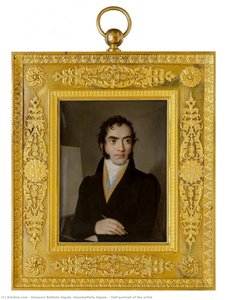
giovanni battista gigola (giambattista gigola)
1769 - 1841 , Italy
基本情報
- Artistic Movement Or Style: Baroque Art
- Artists Who Influenced This Artist: [Isabey]
- Date Of Birth: 1769 Brescia Italy
- Date Of Death: 1841
- Full Name: Giovanni Battista Gigola
- Nationality: Italian
- Notable Artworks: ['Daughters of Trivulzio']
- Place Of Birth: Brescia Italy
関連記事
Oil on Canvas Masters: 10 Paintings That Redefined Art History |
Journey through art history with our guide to 10 legendary oil on canvas masterpieces! Explore iconic works by Van Gogh, Monet & Rembrandt. Find museum-quality reproductions and elevate your home decor at . Discover all masterpieces online.

Oil on Canvas: A Historical & Technical Exploration of a Timeless Artistic Medium
Explore the rich history & enduring techniques of oil painting on canvas. Discover the science behind its longevity, conservation practices, and contemporary relevance. Expert insights for art enthusiasts.

油彩のキャンバス:技法、歴史、そして現代の実践 - 古典美術愛好家へ
油彩の技法、歴史、巨匠たちの秘密を徹底解説。古典美術愛好家向けに、初期フランドル絵画から現代の実践まで深く掘り下げます。ArtsDotで高品質な複製画やカスタムオーダーも承ります。

The Enduring Power of Painting: A Historical & Contemporary Exploration of Form and Emotion
Explore the rich history & enduring techniques of oil painting with ArtsDot. Discover masterpieces, learn about art collecting, and find authentic handmade reproductions crafted by skilled artists.

The Enduring Legacy of Oil on Canvas: Technique, History & Aesthetic Impact
Explore the rich history & techniques of oil painting – from Renaissance masters to Impressionism. Discover pigments, layering methods, and why this timeless medium endures. Expert insights for artists & art enthusiasts.