

 プレビュー
プレビュー
 シェアする
シェアする シェアする
シェアする
 詳細を見る
詳細を見る

 ダウンロード
 似ている作品
 X線調査
X線調査 スライドショー
 統計情報
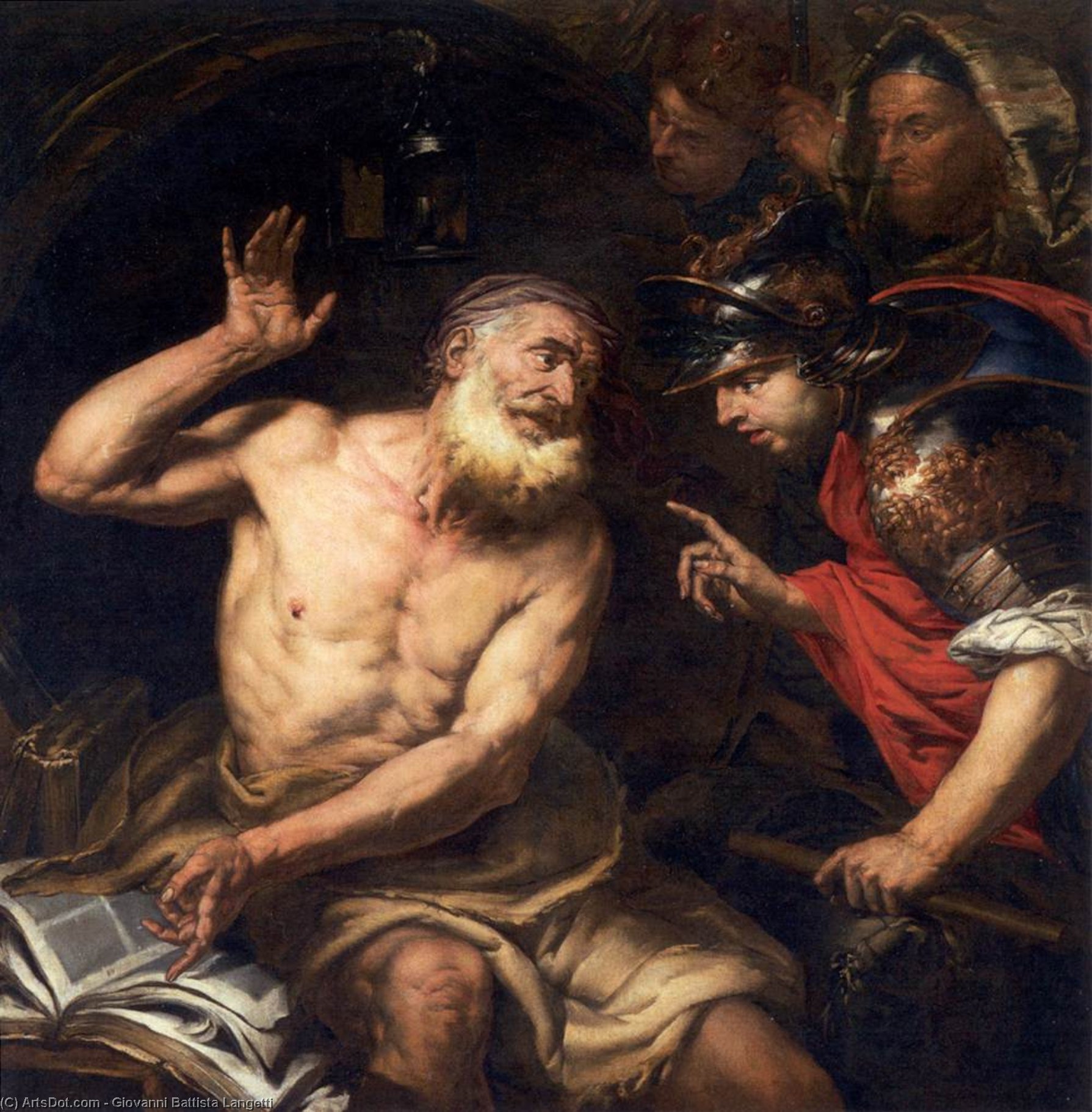
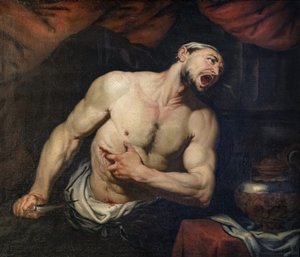
統計情報Diogenes and Alexander
 Oil On Canvas
- WallArt
- Baroque
 1650
1650- Renaissance
 142.0 x 133.0 cm
 Fondazione Querini Stampalia
 詳細を見る
詳細を見る
オンラインプレビューをはるかに凌ぐ、高解像度で鮮明なデジタル画像をご購入いただけます。
各ファイルは、社内の専門家が高度なツールと熟練した手作業によるレタッチを用いて、細心の注意を払って準備されています。すべての画像において、卓越した鮮明度、正確な色彩再現性、そして繊細なディテールを保証いたします。
最終ファイルは、プロフェッショナルな編集・印刷環境ですぐにご利用いただけるよう最適化された状態で、72時間以内にメールにてお届けいたします。これは、一流のデザインスタジオ、出版社、ギャラリーから信頼されているものと同等の品質です。
デジタルアート
個人での鑑賞、印刷、クリエイティブなプロジェクト用に、高解像度ファイルをダウンロードできます。 ( プリント版に切り替え 手描きの絵画を購入)
デジタル画像のご注文に付随する特典
高品質なデジタル画像配信を、確かな品質で。
ArtsDot.com を選ぶことは、単に画像を手に入れることではありません。それは、プロの手によって精密に仕上げられ、満足保証が付いた高品質なデジタルアートワークを受け取ることを意味します。ご注文いただいた際に自動的に付随する内容は、以下の通りです:

メールですぐにお届け
ご注文から72時間以内に、高解像度のデジタル画像ファイルがメールでお手元に届きます。すぐにそのままご利用いただけます。

AI技術で最適化されたデジタルファイル
お客様の作品は、高度なAIツールと専門家による手作業の編集を組み合わせてプロフェッショナルに最適化されており、細部のディテール、鮮明さ、そして正確な色再現性を最大限に引き出しています。

一生涯無料の再送サービス
ファイルを誤って削除したり、紛失してしまったりしましたか?ご安心ください。いつでも無料で再送いたします。

輸入手数料は一切かかりません
関税や手数料、配送料を気にすることなく、お気に入りのアートワークをすぐにお楽しみいただけます。デジタルダウンロードは常に免税です。

色彩再現の保証
プロ仕様のツールとカラーマネジメント技術を用いることで、デジタル画像が元の色を最大限に忠実に再現することを保証いたします。

100日間満足保証
ご購入いただいたデジタル画像にご満足いただけない場合は、100日以内であれば、理由を問わず修正または100%の返金対応をさせていただきます。

100% 返金保証
ご満足いただけない場合は、デジタルファイルを受け取ってから100日以内であれば、理由を問わず全額返金いたします。

まとめ買い割引
3枚購入で10%OFF - 5枚購入で15%OFF - 10枚以上購入で20%OFF。クリエイティブなプロジェクト、ギャラリー、エージェンシーに最適です。
A Dramatic Encounter: Langetti’s “Diogenes and Alexander”
Giovanni Battista Langetti's "Diogenes and Alexander," painted in 1650, is more than just a depiction of a biblical narrative; it’s a visceral embodiment of the Venetian Baroque’s obsession with drama, emotion, and the power of human interaction. This arresting oil on canvas, measuring 142 x 133 cm, captures a pivotal moment – the legendary encounter between the cynical philosopher Diogenes and the young Alexander the Great. Langetti, a key voice within Venice's Caravaggismo movement, masterfully translates the story’s inherent tension into a visually stunning composition that continues to resonate with viewers centuries later.
Baroque Grandeur and Caravaggesque Influence
Langetti firmly established himself as a significant figure in Venetian art during his lifetime (1635-1676), inheriting the dramatic intensity of Caravaggio while developing a distinctly Venetian sensibility. The painting’s Baroque style is immediately apparent through its dynamic composition, utilizing strong contrasts between light and shadow – *tenebrism* – to heighten the emotional impact. Notice how the central figure, Diogenes, is dramatically illuminated, drawing immediate attention and emphasizing his role as the instigator of this confrontation. The dark, undefined background contributes to a sense of claustrophobia and intensifies the focus on the figures themselves. This technique, deeply rooted in Caravaggio’s approach, was crucial for conveying the scene's urgency and spiritual weight.
Technique and Materiality: Layers of Emotion
Langetti’s skill is evident in his meticulous brushwork and masterful use of glazing and scumbling techniques. Oil paints were applied in multiple layers – a process known as *glazing* – to build up depth, luminosity, and rich color variations. The artist skillfully employed *scumbling*, a technique involving the manipulation of thin, translucent layers of paint, creating subtle textures and atmospheric effects that enhance the sense of volume and space. The use of heavy impasto in areas like Diogenes’ drapery adds to the tactile quality of the work, inviting the viewer to almost feel the weight and texture of the fabrics. The canvas itself is a testament to Langetti's dedication – a carefully prepared surface meticulously rendered with painstaking detail.
Symbolism and Narrative Resonance
Beyond its dramatic presentation, “Diogenes and Alexander” is rich in symbolic meaning. The scene depicts Diogenes, known for his rejection of societal norms and materialistic values, challenging the young Alexander’s ambition and perceived arrogance. The book held by Diogenes represents knowledge and wisdom, a direct contrast to the power and glory sought by the conquering king. The soldier's bewildered expression symbolizes the potential for doubt and critical thinking even within the most powerful figures. Langetti doesn’t simply illustrate a biblical story; he explores fundamental questions about truth, power, and the nature of human existence – themes that continue to captivate audiences today. The painting’s emotional intensity, combined with its masterful execution, ensures its place as a cornerstone of Venetian Baroque art.
関連作品







作家の略歴
The Dramatic Voice of Venetian Caravaggismo
Giovanni Battista Langetti stands as a pivotal figure in the Venetian Baroque, embodying the fervor and theatricality of Caravaggesque painting while simultaneously forging his own distinctive artistic vision. Born in Genoa in 1635, Langetti’s early training was shaped by exposure to prominent masters such as Assereto and Pietro da Cortona, whose stylistic principles provided him with a foundational mastery of form and composition. His formative years were further enriched by the mentorship of Giovanni Francesco Cassana, a period that honed his artistic sensibilities and prepared him for the competitive and vibrant art scene of Italy. However, it was Venice itself that truly captivated him, becoming the epicenter of his prolific career and providing the perfect stage for his exploration of light and shadow.
By the 1650s, Langetti had established himself within the Venetian landscape, swiftly adopting a strikingly Caravaggesque style. This approach was defined by tenebrism—a dramatic interplay of intense light and deep, enveloping shadows—and an uncompromising commitment to realism. For Langetti, this stylistic choice was far more than mere imitation of Caravaggio; it was a deliberate embrace of expressive power, used to translate profound human emotions onto the canvas. His work became a bridge between the gritty naturalism of the early 17th century and the grander, more theatrical flourishes of the late Baroque period.
Mastery of Narrative and Emotional Depth
The true brilliance of Langetti’s oeuvre lies in his ability to breathe life into biblical narratives and historical subjects, imbuing them with a psychological depth that resonates across centuries. He excelled at portraying figures caught in moments of extreme tension or spiritual crisis. In works such as Diogenes & Alexander, Langetti captures the legendary clash between philosophical wisdom and imperial power through breathtaking precision and theatrical lighting. His ability to manipulate texture and light allows the viewer to feel the weight of the historical moment, making the ancient past feel immediate and visceral.
This mastery of drama is equally evident in his religious compositions, where he explores themes of suffering, devotion, and faith. In Mary Magdalene at the Foot of the Cross, the artist utilizes the stark contrasts of the Caravaggesque tradition to highlight the raw emotion of the subject, creating a powerful meditation on grief and piety. Even in more singular character studies, such as his depiction of Cato, Langetti employs intense realism and rich, saturated colors to convey the internal struggles of his subjects. His technique ensures that every brushstroke contributes to the overarching narrative of human experience.
Legacy and Artistic Significance
Langetti’s contribution to the Venetian school of painting remains a significant chapter in the history of Italian art. While he operated within the established traditions of his time, his unique ability to blend Genoese training with Venetian colorism and Caravaggesque drama created a legacy of emotional intensity. His work serves as a testament to the enduring power of the Baroque era—a period where the boundaries between the painted image and the lived experience were blurred through the masterful use of light.
Today, Langetti is remembered not just as a follower of style, but as an innovator who helped define the dramatic vocabulary of his age. His paintings continue to captivate audiences, offering a window into a world of profound shadows and brilliant highlights, where every figure tells a story of triumph, tragedy, or quiet contemplation.
giovanni battista langetti
1635 - 1676 , Italy
プロフィール概要
- Artistic Movement Or Style: Venetian Baroque
- Artists Or Movements Influenced By This Artist:
- Johann Karl Loth
- Antonio Zanchi
- Artists Who Influenced This Artist:
- Assereto
- Pietro da Cortona
- Giovanni Francesco Cassana
- Date Of Birth: 1635
- Full Name: Giovanni Battista Langetti
- Nationality: Italian
- Notable Artworks:
- Diogenes & Alexander
- Joseph Interpreting the Baker’s Dream
- The good samaritan
- Place Of Birth: Genoa, Italy