


 プレビュー
プレビュー
 シェアする
シェアする シェアする
シェアする
 詳細を見る
詳細を見る

 ダウンロード
 似ている作品
 X線調査
X線調査 スライドショー
 統計情報
統計情報Honors for Msgr. Francesco Boncompagni, as Papal Governor of Rieti: pages 4-5

 詳細を見る
詳細を見る
オンラインプレビューをはるかに凌ぐ、高解像度で鮮明なデジタル画像をご購入いただけます。
各ファイルは、社内の専門家が高度なツールと熟練した手作業によるレタッチを用いて、細心の注意を払って準備されています。すべての画像において、卓越した鮮明度、正確な色彩再現性、そして繊細なディテールを保証いたします。
最終ファイルは、プロフェッショナルな編集・印刷環境ですぐにご利用いただけるよう最適化された状態で、72時間以内にメールにてお届けいたします。これは、一流のデザインスタジオ、出版社、ギャラリーから信頼されているものと同等の品質です。
デジタルアート
個人での鑑賞、印刷、クリエイティブなプロジェクト用に、高解像度ファイルをダウンロードできます。 ( プリント版に切り替え 手描きの絵画を購入)
デジタル画像のご注文に付随する特典
高品質なデジタル画像配信を、確かな品質で。
ArtsDot.com を選ぶことは、単に画像を手に入れることではありません。それは、プロの手によって精密に仕上げられ、満足保証が付いた高品質なデジタルアートワークを受け取ることを意味します。ご注文いただいた際に自動的に付随する内容は、以下の通りです:

メールですぐにお届け
ご注文から72時間以内に、高解像度のデジタル画像ファイルがメールでお手元に届きます。すぐにそのままご利用いただけます。

AI技術で最適化されたデジタルファイル
お客様の作品は、高度なAIツールと専門家による手作業の編集を組み合わせてプロフェッショナルに最適化されており、細部のディテール、鮮明さ、そして正確な色再現性を最大限に引き出しています。

一生涯無料の再送サービス
ファイルを誤って削除したり、紛失してしまったりしましたか?ご安心ください。いつでも無料で再送いたします。

輸入手数料は一切かかりません
関税や手数料、配送料を気にすることなく、お気に入りのアートワークをすぐにお楽しみいただけます。デジタルダウンロードは常に免税です。

色彩再現の保証
プロ仕様のツールとカラーマネジメント技術を用いることで、デジタル画像が元の色を最大限に忠実に再現することを保証いたします。

100日間満足保証
ご購入いただいたデジタル画像にご満足いただけない場合は、100日以内であれば、理由を問わず修正または100%の返金対応をさせていただきます。

100% 返金保証
ご満足いただけない場合は、デジタルファイルを受け取ってから100日以内であれば、理由を問わず全額返金いたします。

まとめ買い割引
3枚購入で10%OFF - 5枚購入で15%OFF - 10枚以上購入で20%OFF。クリエイティブなプロジェクト、ギャラリー、エージェンシーに最適です。
関連作品
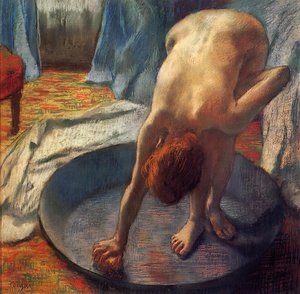


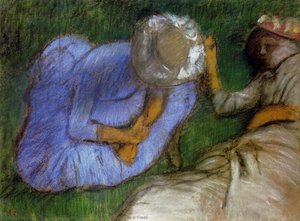
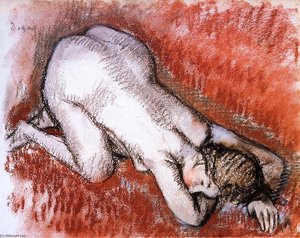
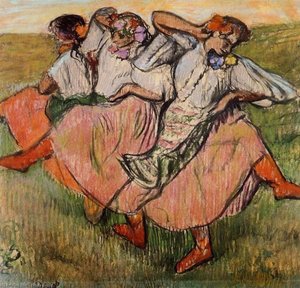

作家の略歴
A Life Dedicated to Harmony: The World of Giovanni Battista Martini
Giovanni Battista Martini, a name often whispered with reverence in musical circles, was far more than simply a composer; he was a pivotal figure bridging the Baroque and Classical eras. Born in Bologna on April 24th, 1706, his life unfolded as a testament to dedication – to music, scholarship, and pedagogy. His initial exposure to the world of sound came from his father, Antonio Maria Martini, a violinist who instilled in him the fundamentals of musicality. This early foundation was then nurtured through formal training in singing and harpsichord under Padre Pradieri, and rigorous study of counterpoint with luminaries like Antonio Riccieri and Giacomo Antonio Perti. However, Martini’s path wasn't solely defined by musical pursuit; he also engaged in classical studies at the Oratory of Saint Philip Neri before embracing a life within the Conventual Franciscan Order in 1722 – a duality that would profoundly shape his perspective and influence his work. This blend of spiritual devotion and artistic passion earned him the affectionate title, *Padre Martini*, a moniker that stuck throughout his illustrious career.The Chapel Master and The Blossoming School
By 1725, at the remarkably young age of nineteen, Martini had already ascended to the position of chapel-master at the Basilica of San Francesco in Bologna. This appointment wasn’t merely a professional milestone; it was an affirmation of his burgeoning talent and compositional prowess. It quickly became apparent that Martini possessed not only skill but also a gift for nurturing it in others. He established a composition school which rapidly gained renown, attracting students from across Europe – individuals who would themselves become significant figures in the musical landscape. Among these fortunate pupils were names that resonate through history: Wolfgang Amadeus Mozart, Johann Christian Bach, and Giovanni Battista Cirri. Martini’s teaching wasn't confined to technical instruction; he fostered a deep understanding of musical structure, historical context, and stylistic nuance. He championed the compositional practices of the earlier Roman school, believing they held essential keys to unlocking true artistic expression. This preference would become a defining characteristic of his pedagogical approach and leave an indelible mark on generations of composers.A Legacy Etched in Scores and Scholarship
Martini’s contributions extended far beyond the realm of composition and teaching. He was, at heart, a scholar – a tireless collector and preserver of musical knowledge. Over decades, he amassed an extraordinary library containing over 17,000 volumes, a treasure trove of scores, treatises, and historical documents. This collection wasn’t merely a personal indulgence; it became a vital resource for musicians and researchers alike. Recognizing its importance, portions of the library were later transferred to the Imperial Library in Vienna and continue to reside at the Museo Internazionale della Musica in Bologna today – a testament to Martini's foresight and dedication to preserving musical heritage. His most significant scholarly work, *Storia della musica* (History of Music), published between 1757 and 1781, remains an invaluable resource for musicologists, offering insights into the evolution of musical styles and practices. Complementing this monumental undertaking was *Esemplare di contrappunto* (Exemplar of Counterpoint), a comprehensive treatise on counterpoint published between 1774 and 1775, which became a standard text for music students across Europe.Mentorship, Influence, and Enduring Significance
Perhaps one of the most celebrated aspects of Martini’s legacy is his relationship with Wolfgang Amadeus Mozart. During Mozart's visit to Bologna in 1770, Martini served as a mentor, offering guidance and encouragement to the young prodigy. Their correspondence reveals a deep mutual respect and admiration – Mozart held Martini in exceptionally high esteem, frequently seeking his counsel and sharing his compositions. This mentorship wasn’t merely about technical refinement; it was about fostering a deeper understanding of musical principles and artistic integrity. Padre Martini's influence permeated the 18th-century Italian and European musical landscape. He didn't just teach music; he cultivated an environment where creativity flourished, historical awareness deepened, and compositional techniques were refined. His teachings shaped generations of composers, bridging the gap between Baroque traditions and the emerging Classical style. He is remembered not only as a composer and scholar but as a pivotal figure in the transition from one musical era to another, leaving behind a legacy that continues to inspire and inform musicians today.Exploring The World of Padre Martini Today
For those seeking to delve deeper into the world of Giovanni Battista Martini, several avenues await exploration. A visit to the Museo Internazionale della Musica in Bologna offers a tangible connection to his life and work, allowing visitors to examine portions of his vast musical library firsthand. Online resources, such as- https://ArtsDot.com/@/giovanni-battista-martini
- https://en.wikipedia.org/wiki/Giovanni_Battista_Martini
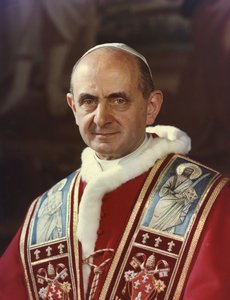
Giovanni Battista Martini
1706 - 1784 , Italy
プロフィール概要
- Artistic Movement Or Style: Baroque, Classical
- Artists Or Movements Influenced By This Artist:
- Wolfgang Amadeus Mozart
- Johann Christian Bach
- Artists Who Influenced This Artist:
- Antonio Riccieri
- Giacomo Perti
- Date Of Birth: April 24, 1706
- Date Of Death: 1784
- Full Name: Giovanni Battista Martini
- Nationality: Italian
- Notable Artworks:
- Storia della musica
- Esemplare di contrappunto
- Litaniae atque antiphonae
- Place Of Birth: Bologna, Italy